
Today’s modern horror shooters all share similar staples. Some lean harder into the atmosphere, others focus on making you feel weak throughout the experience, and some try hard to innovate by changing something about the protagonist in ways you wouldn’t expect. These games come in all shapes and sizes. Anomalith, developed by Furyu Corporation and Winning Entertainment Group, stands in between all of these elements.
Introduced as a “survival third-person shooter” that takes place in a futuristic Japan, you play as Reona Minazuki, a 17 year old who works for the government-backed Anomaly Zone Countermeasures Office. In your role as a diver, you’re instructed to infiltrate places affected by a sudden surge of anomalies. The task is deceptively simple: you must investigate these zones and look for any valuable samples that you can bring back to HQ so the team can analyze them and dive deeper into the mystery. But it’s not as simple, as such places are infested by people who’ve been affected by the anomalies, turning into enemies that won’t think twice about attacking on sight.
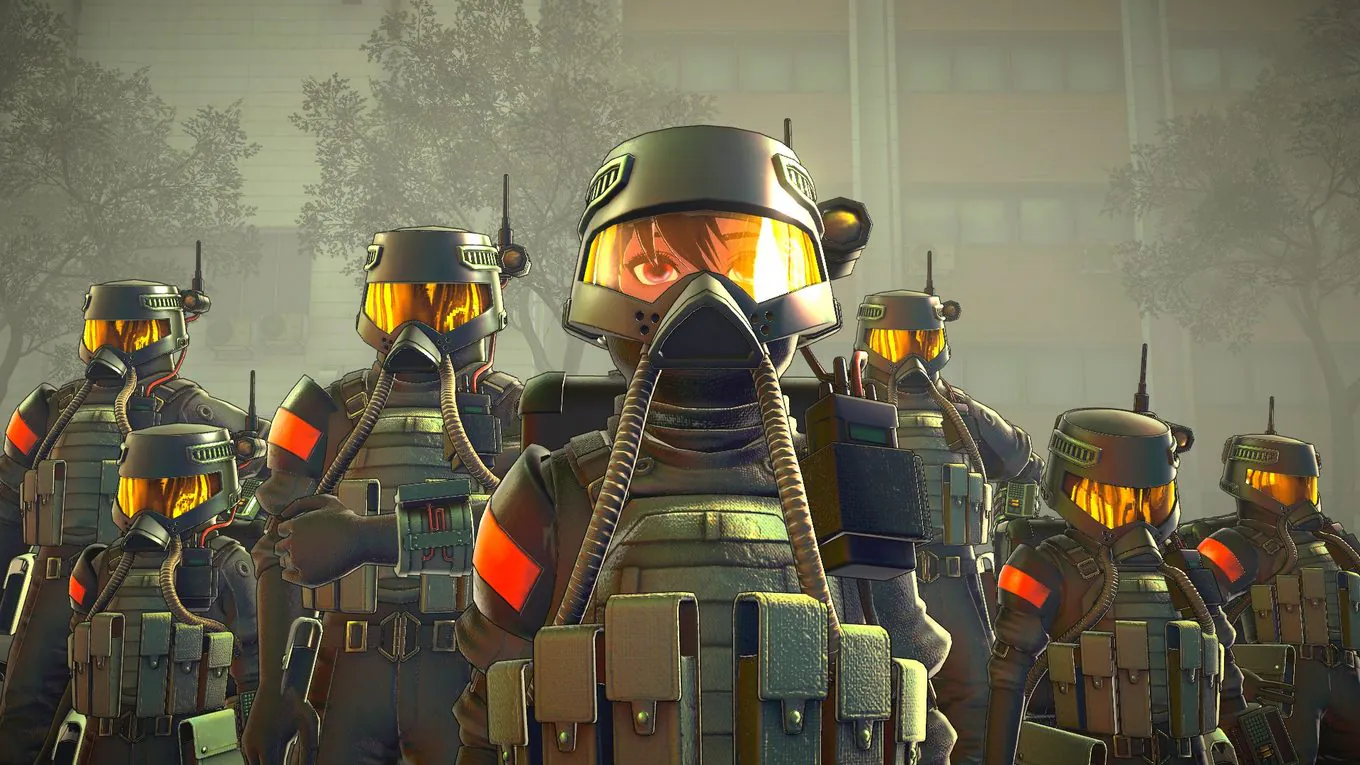
From both trailers and the description of the game, I expected an experience akin to a survival horror game. But this couldn’t be further from reality. Anomalith is way more action-oriented, taking only subtle cues from your typical Resident Evil, instead leaning on games like Control and Japanese-style experiences to present a story and structure that, for better or worse, aren’t what you usually find in the genre.
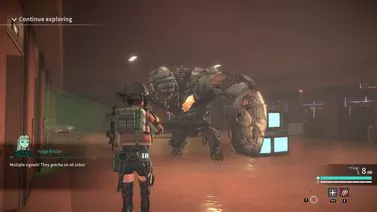
From the off, it’s clear that Anomalith wants to change any expectations you may have going in. You’re given options to pick between five difficulties from the get-go, as well as whether or not you want to use aim assist. In a way, combat is the biggest focus in Amomaoth. Rather than feeling heavy and requiring you to be meticulous, especially when running low on ammo, enemy encounters evoke a feeling of an arcade game. Shooting your fireguns is snappy and immediate. It doesn’t take long to unlock a feature to upgrade them either, increasing their power to take down enemy groups fast and continue progressing through levels.
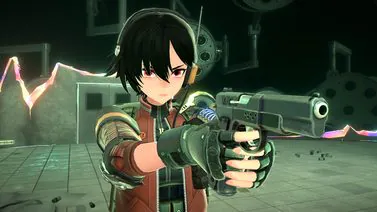
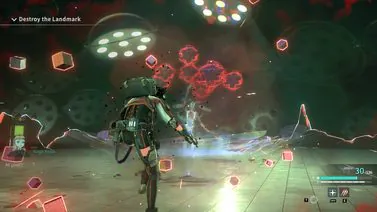
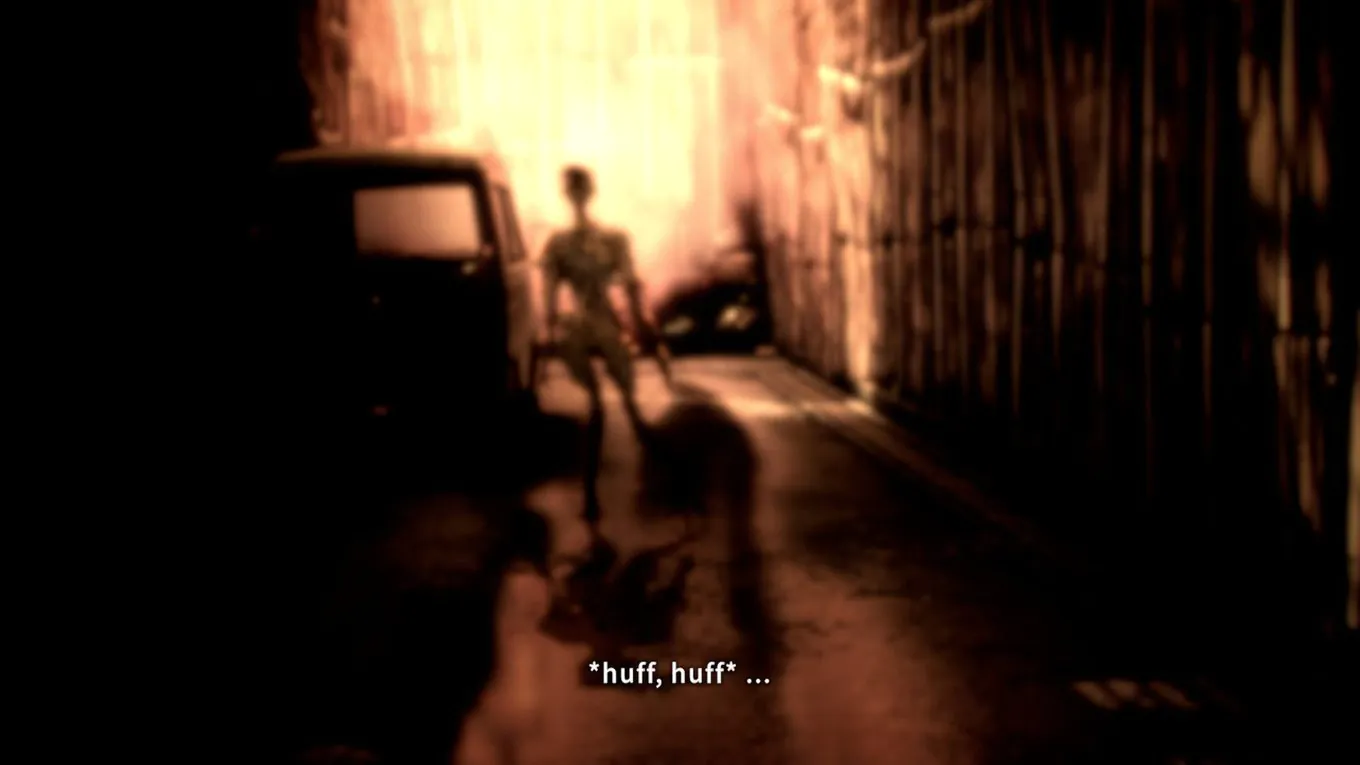
In case you’re wondering, there is zero tension. The introductory cutscene seems straight out of a horror movie, with a gritty ambiance and the first sightings of anomaly enemies being kind of terrifying. This is mimicked when you meet them in the actual game, too. Yet, I always felt more powerful than them, emphasizing a focus on combat . Upon death, enemies drop an assortment of items, which adds to the arcade-y feel. You can then use those materials for upgrades back in the base.
Ammunition can be scarce at times, but Anomalith counters this by adding a parry mechanic and melee attacks, the latter being introduced as a supernatural ability for the protagonist. Mechanically, it’s fairly simple. When an enemy attacks you, all you have to do is wait until they get a yellow highlight. If done correctly, you’ll deflect an upcoming blow and leave your foe exposed and stunned for a brief moment. This also helps to recharge a meter that allows you to use your supernatural activity and deal damage without having to use a firegun. It is particularly useful for bigger enemies, as well as bosses, but it also works with smaller enemies.
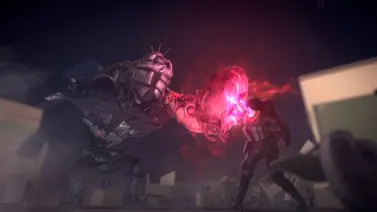
As snappy as the action can be, it is far from perfect. The protagonist suffers from an annoying design trope, which is taking forever to stand back up on her feet after being attacked by an enemy. This not only leaves you exposed, but it also interrupts an otherwise frantic pace for combat. Moreover, some animations can’t quite keep up with the overall pace and feel clunky. It is all serviceable enough, but these small things affect the experience, especially when fighting enemies pretty much at all times.
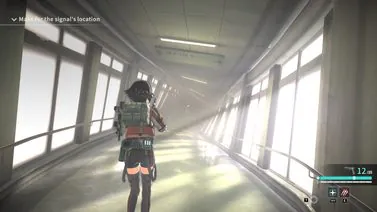
Almost everything in Anomalith seems designed to help you succeed in your mission. There isn’t a chance of getting lost, as there’s a constant quest marker telling you where to go next. When in the HQ, you’re given directives to visit different places in the facility. It’s not needed to walk anywhere, as you can simply open the map and use one of the shortcuts to teleport yourself in a snap.
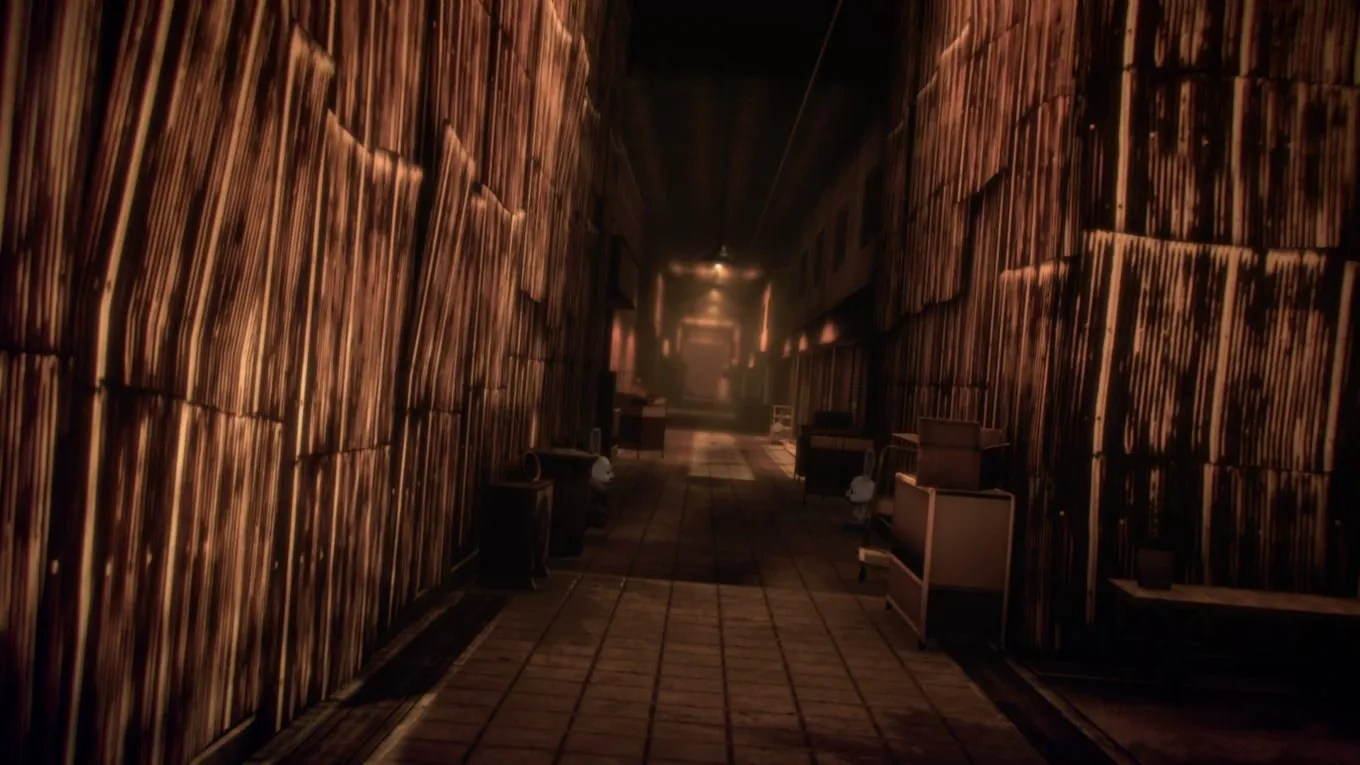
It is a shame considering that, at times, I would have much preferred to get lost and have some friction from the level design. No matter where you are, areas are always a step or two away from feeling labyrinthine and offering a semblance of challenge. If you don’t have a marker telling you where to go, you can easily spot a corridor to squeeze through or an alternate path around a blocked door just from looking at the map. At times, the levels themselves lean into that Control reference I mentioned earlier, presenting areas that are caught in anomalies, with corridors twisting and bending and massive gaps appearing on the ground. Yet, it all feels more like a sideshow that happens in the background as you move from point A to B than something to have to plan around.
The story and role of the protagonist are similarly uneven. Reona Minazuki starts as a rookie, and immediately becomes important in her job by being one of the few who, thanks to her abilities, can actually make it through an expedition alive. What surprised me is how antagonistic she is toward authority, and how she stands her ground when given directives. There are several conversations where Reona challenges her boss by asking why she isn’t allowed to take the time to rescue people in need of help, with the argument being that once an anomaly hits a zone, people have barely any chance of survival.
Her strong attitude remains, though, and makes for a good standout when protagonists like her tend to be docile or lean too much into the rookie archetype to be interesting. At the same time, Anomalith allows you to customize her with a wide variety of clothing options that you can craft and unlock as you play the game. Yet, you can also basically strip her down until she’s only wearing the bare minimum amount of clothes, which is extremely unnecessary for a character who’s 17 years old.
As for the story, anomalies take different forms. The standout is what’s called a Doomsday Clock, which is one of the few anomalies that aren’t hostile. It doesn’t mean its presence is welcoming, however. As the name implies, whenever there’s a world catastrophe, time ticks forward. At the beginning of the game, there’s around one year left before it reaches zero. It has been proven that when certain research projects are fulfilled, some time is gained back. It’s a good premise, even if, yet again, it doesn’t feel as dissimilar as the anomalies in Control conceptually. And of course, the key characters you meet love to hide things from you, adding to the tension. As I progressed through it, however, that initial impact and promise diminished.
The foundation of Anomalith is strong. The right pillars are in place even if they never quite manage to reach the height they should. There are moments in which Anomalith feels like it is undergoing an identity crisis, not quite being a horror game, but not excelling as a pure action game either, with movement and animation limitations hindering its impact. It’s still a game that carries some welcome surprises, but it didn’t leave the lasting impression it could have with different design decisions.