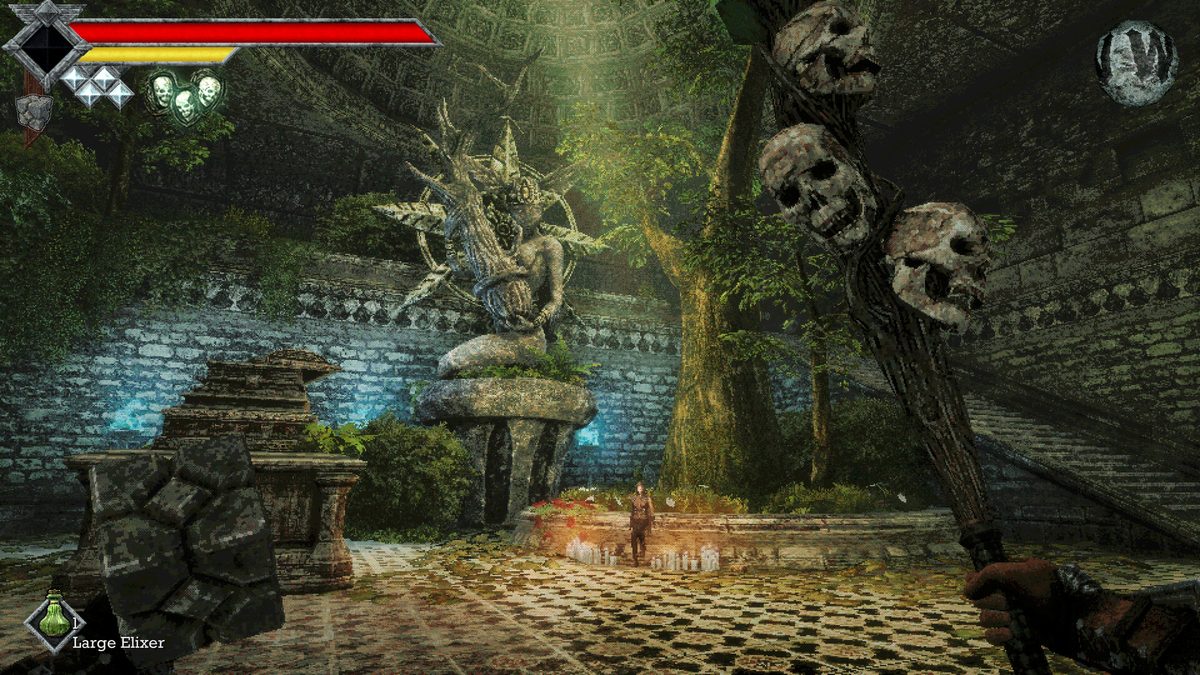

Two decades ago, Italian game developer Chris Darrill set to work on a remake of Clock Tower. It gained attention on the messaging boards of the noughties, but it wasn’t to be; IP law being such as it is, Darril wasn’t able to release the game without holding the Clock Tower license. Instead, he pivoted and turned it into his own IP. He had fathered Remothered, a series of survival horror titles about loss, abuse of power, and a cult of murderous nuns.
Which leads us here. Red Nun’s Legacy is the third game in the series and the first to be developed without Darril, who has handed its stewardship over to compatriots Stormind Games while he pursues new projects like the wonderfully dark and Disney-esque Bye Sweet Carole. However, the key attributes are all intact: it’s still a bit like Clock Tower. It’s still built on a foundation of old-school, slow-paced puzzling in a frightening villa bristling with family secrets. And most crucially of all, it’s read a few books in its quest to scare you, so it doesn’t have to rely on just shouting ‘Boo!’ at you every few minutes.
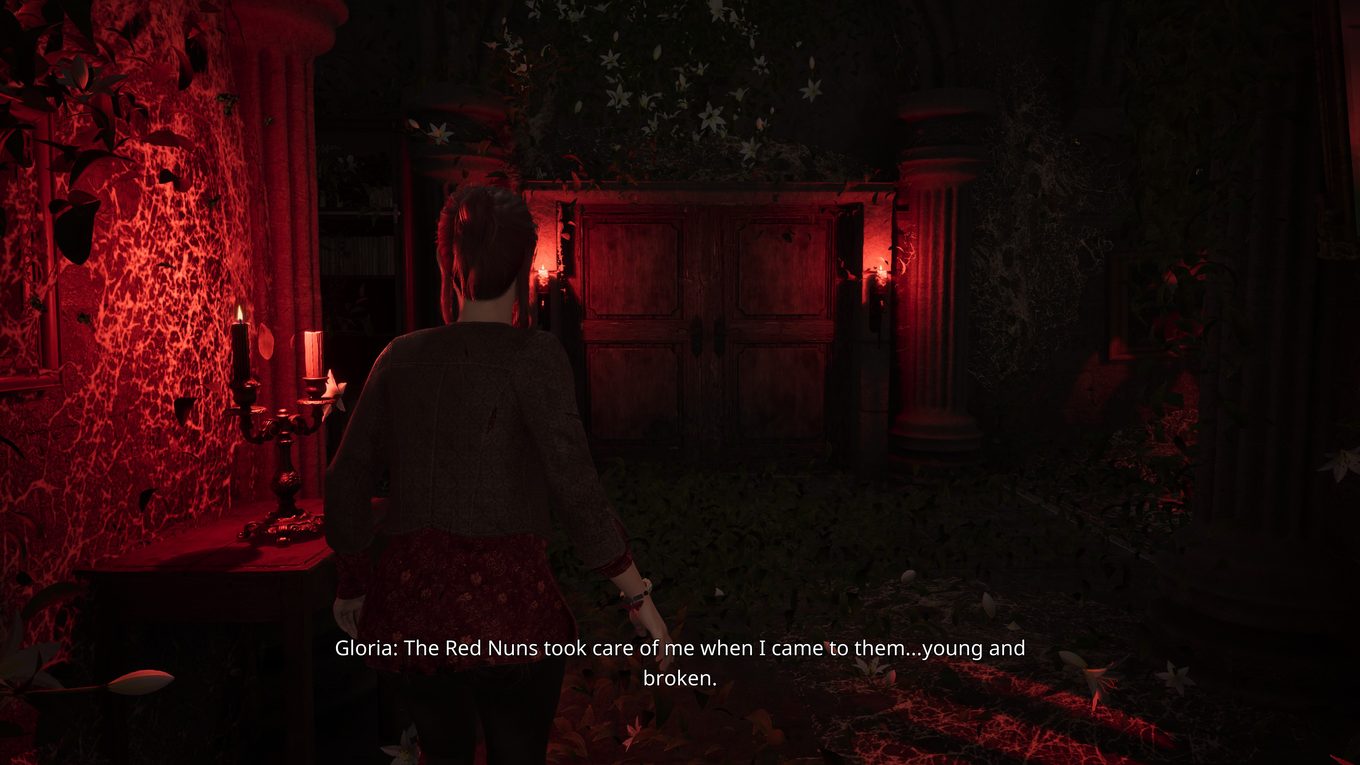
You are Susan, the latest in a long and storied line of horror protagonists to go looking for their missing child in a preposterously ominous location. In this case, an abandoned villa in rural Italy. Your jaw won’t hit the floor when you discover that it is not, in fact, abandoned but actually populated by a death cult of nuns. The clue was very much in the title here, but this game nonetheless does a great job of building tension and adding genuine malice to its adversaries through its plot.
As much as it’s the story of Susan on a mission to track down her missing daughter Agata, it’s also a story about the Ashmann family, a continuation of plotlines from previous Remothered releases. It’s a story about the historical abuse of women and the church’s role in covering up that abuse, and it’s handled with surprising poise and sensitivity. I’ll admit to getting a bit emotional at times as I investigated the B plot via the newspaper clippings and telepathic imprints dotted around the villa. There’s good writing here.
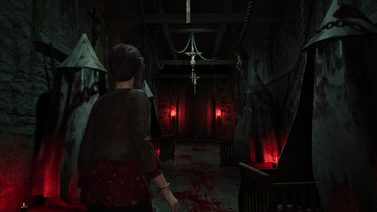
And really, uncovering that story is the meat of the experience. Mechanically this is a very simple game – Susan is not Nathan Drake nor Doomguy, so she can’t clamber and parkour around the villa to get to Agata or lay waste to anyone in her way. Instead she walks gingerly down corridors, hides from enemies, and solves puzzles using telepathic abilities that grow throughout the game.
Of that roster, it’s the cat-and-mouse encounters with enemies that prove the weakest. When a foe spots you, you do have a few options such as stunning them with a melee weapon or projectile, but the end result is the same: you run and hide in a wardrobe or under a sofa and wait for them to go away. The games that are best at this make you feel like you’re entering a real battle of wits with your assailant, but the AI is very limited here and Alien Isolation this ain’t. It quickly becomes repetitive and feels like a time-sink more than anything else. Just go away and let me get on with the puzzles, please.

Side note: there’s a mini-game when an enemy comes near while you’re hidden, in which you have to control your heart rate by keeping a cursor within a circle on the HUD. Playing with a mouse and keyboard, keeping that cursor in the safe zone feels way too sensitive and difficult. Either Susan has been chugging double espressos all morning before arriving at the villa, or the mini-game’s not tuned properly for M&K.
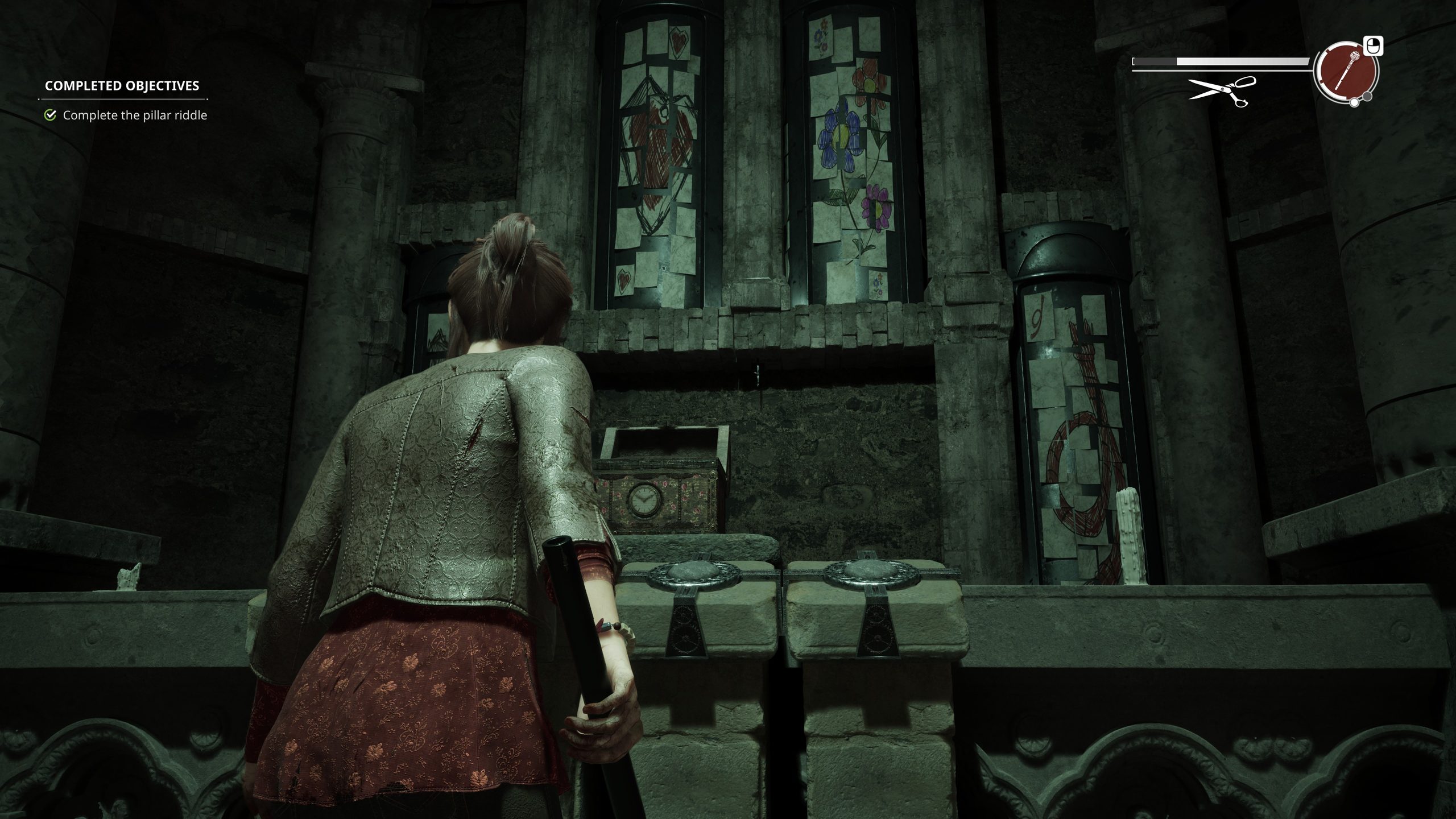
There’s much greater satisfaction to be had in solving the puzzles and gradually unlocking more areas of the old house, though. The puzzles aren’t taxing, and generally amount to simply interacting with objects until they uncover new information, but this is where the game’s strong writing saves the day. Those moments of exposition that accompany, say, a safe combination or the location of a hidden door, are usually strong enough to feel like a payoff in their own right.
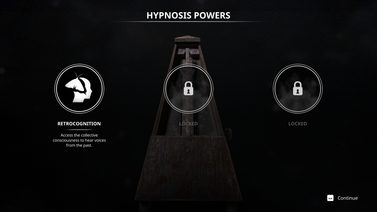
As you progress, periodically blacking out and coming to in an old convent, you gain more psychic abilities. Each time you gain a new one, a new interaction type is unlocked back at the present day villa. So after learning how to focus on objects and hear imprinted conversations from the past that they hold, you must go through the house and scour the rooms for items that can be interacted with in that way. Same again when you learn how to see the supernatural stuff in mirror reflections, and so on.
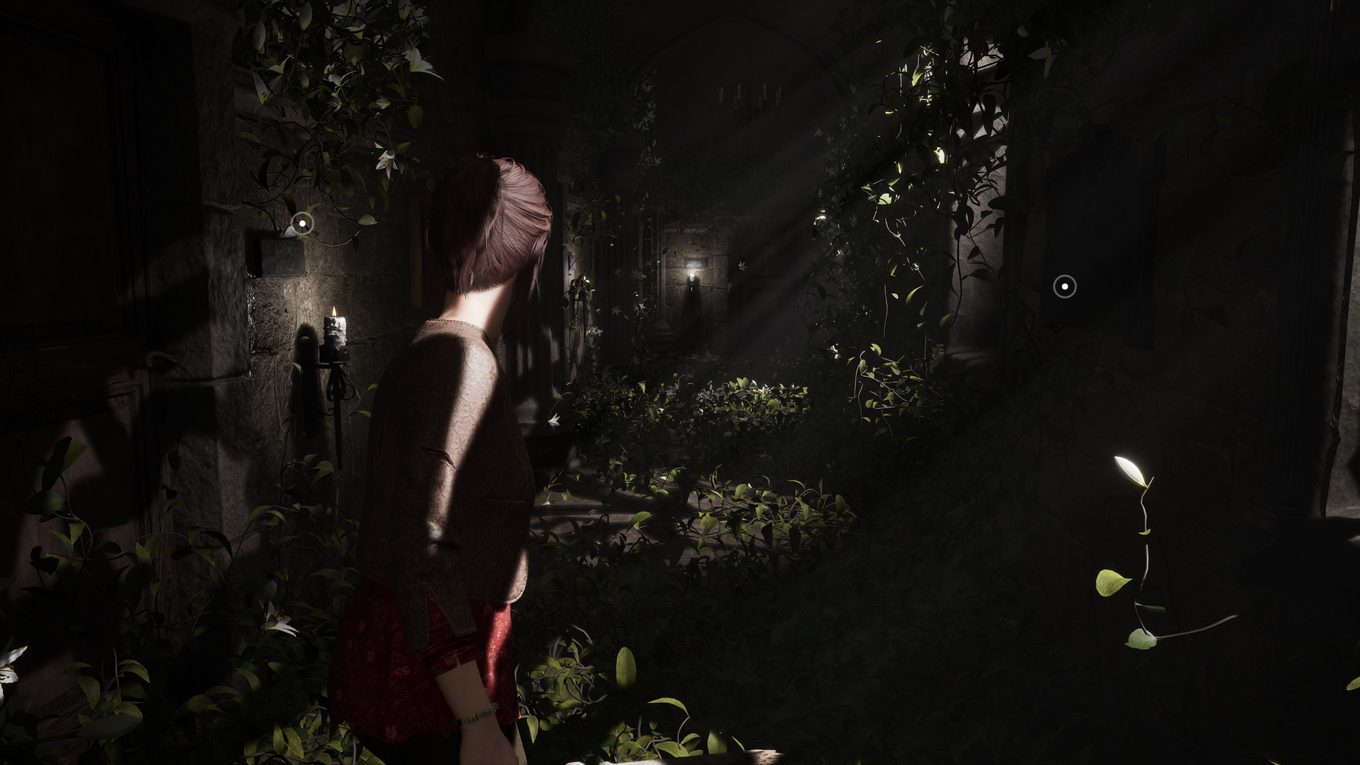
That’s equal parts smart game development and tedious game design. It means Stormind Games can put a relatively small environment to work, packing the space with critical interactions that refresh as you progress, so there’s a logical reason to keep backtracking through the same rooms. It also means you have to keep backtracking through the same rooms.
However tense you might have felt the first time you entered that creepy gothic library full of stuffed animals, it’s a case of diminishing returns three hours later when you’re back to check it for mirrors.
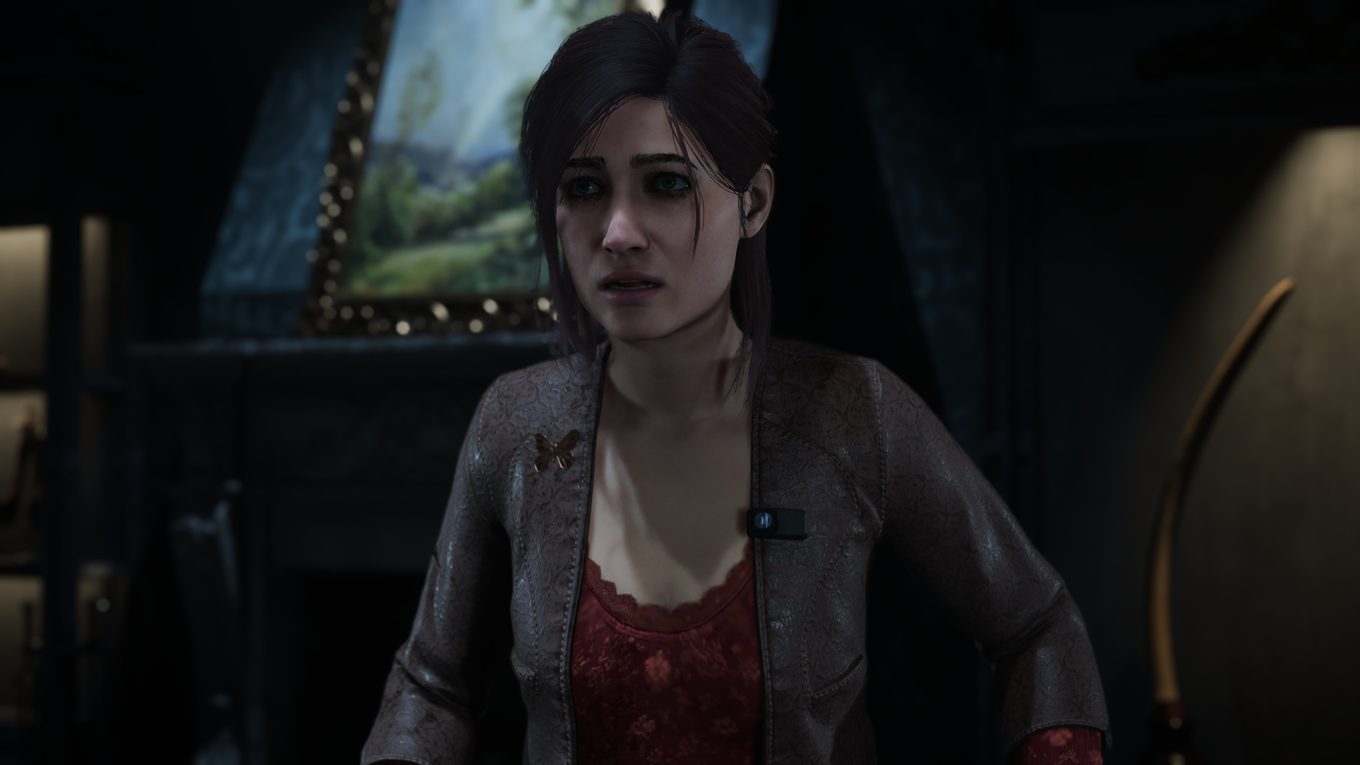
Once again it’s the narrative that comes to the rescue in these moments. I considered shutting the game down and taking a break several times when I realised I’d have to go back through the house of horrors with a fresh ability, but it was the plotting and characterisation that kept me there. Susan doesn’t have much dialogue, but actor Cissy Jones is able to flesh out a three-dimensional distraught mother with real bravery with what she has. The supporting cast is more of a mixed bag in terms of performances, but there aren’t many survival horror cliches to cross off on your Capcom-sponsored bingo cards as you progress. From enigmatic, chain-smoking geriatrics to dastardly patriarchs and enemies you feel sympathy for while they chase you, characters here are sharply drawn.
Production values cover a wide spectrum. On one hand, this is yet another example of a poorly optimised Unreal Engine game that absolutely relies on upscaling and frame generation to hit playable frame rates, and goes nowhere near the high fidelity levels that would justify turning those settings on. Character models seem to be visiting from around 2011, and look all the more incongruous within impressively detailed interior spaces that feature complex lighting.
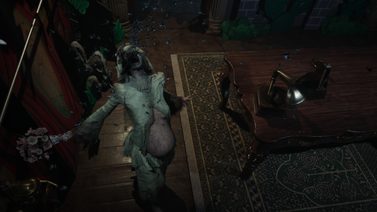
On the other hand, there’s some fantastic sound design elevating the atmosphere and tension. The inhuman clicks and cracks emitted by the nuns as they perform unholy rituals is reminiscent of an Ari Aster movie, and particular care seems to have been given to the way ambient sounds and voices reverberate convincingly in different spaces and bounce off surfaces. That really grounds you in the place, and makes the jump scares hit all the harder when they happen.
And they’re deployed sparingly, which is always the sign of a horror game with some substance. This isn’t YouTuber bait to shriek along to, but far slower-paced and more concerned with filling you with a creeping dread that mounts as you learn the history of the place you’re in, and the family you’ve become entangled with. So when you do look in a mirror and see an undead nun in an elaborate face covering watching you, it feels like the game earned that moment.
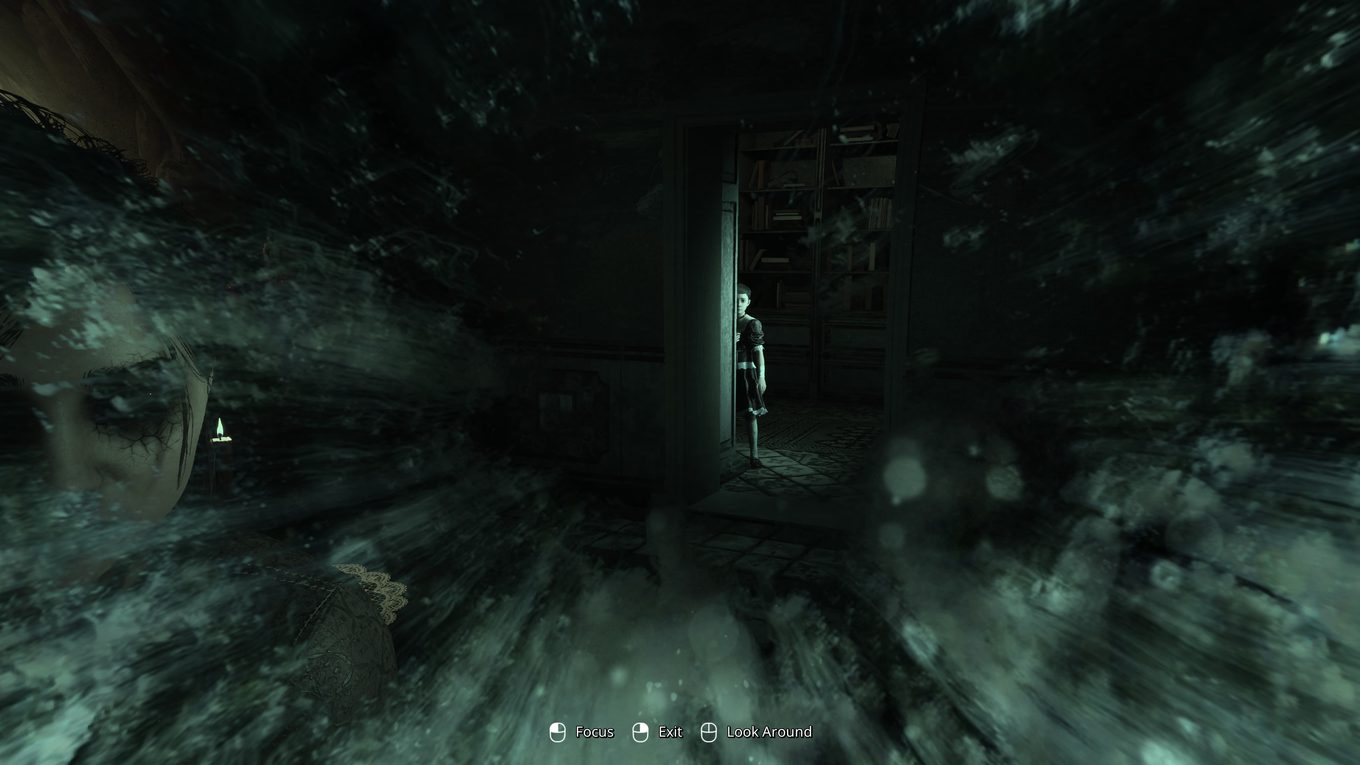
There’s a specificity to the horror here. The bizarre, baroque outfits and masks of your enemies and their disturbing rituals. The depth with which it explores ‘illegitimate’ pregnancies in pre-war Europe and the church’s role in silencing and abusing the victims of sexual abuse. Very little of the disturbing material here feels stock. Even blood is a relatively rare sight for the genre.
It’s not moving that genre forward with its mechanics, but Red Nun’s Legacy deserves to find an audience because of the esoteric elements it builds its scares on, and the care it takes to let atmospheric horror steep.