For a universe dripping in vibes, Warhammer 40k games rarely have any atmosphere whatsoever. Space Marine 2, the most successful Warhammer game in recent memory, is as flat as its eponymous Astartes’ nether regions. Perhaps that’s due to its focus on the power fantasy of an Ultramarines Lieutenant – the boring poster boy of the boring poster boys, or maybe the gore and viscera are substitute enough.
Mechanicus 2 bucks this trend, delivering a world not only besieged, but crawling with immersive details and plunging you into the strange technotheology of the Adeptus Mechanicus. From the soundtrack and vocal performances to the turn-based warfare at your fingertips, this is a game that delivers stylish combat without resorting to grimdark cliche. It’s a shame, then, that its XCOM-style gameplay can’t quite live up to its sleek presentation.
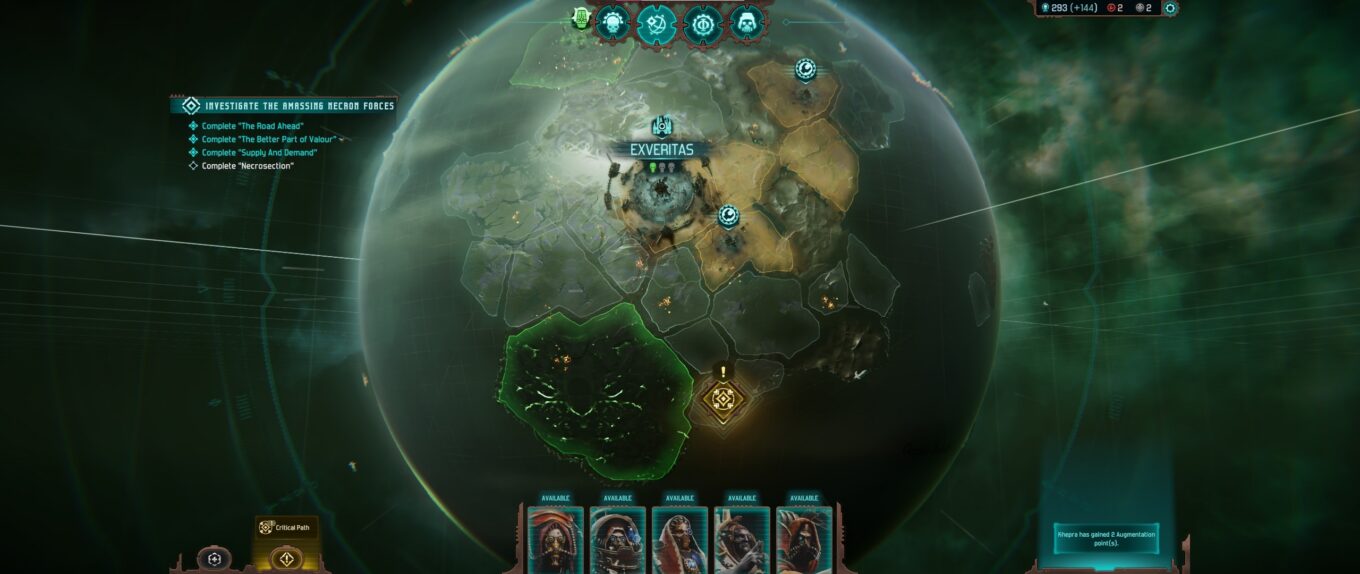
Whether you’re a Warhammer fan or not, Mechanicus 2 presents a compelling narrative from the first mission. You’ll undoubtedly get more from this game if you know what the words Archmagos and Cryptek mean, but we open with an acquisition and reconnaissance mission that would fit into any Lara Croft or Uncharted story.
As a Warhammer fan and an avid scholar of the Omnissiah, I’m served particularly well by this game and its narrative. The five Magi who lead your forces into battle have distinct personalities and skills, something which is hard to achieve when they’re a bunch of emotionless robots. Developer Bulwark Studios takes some liberties with the lore in this regard, but the game would be bland without a few sarcastic remarks and arguments among the ranks of the Martian priesthood.
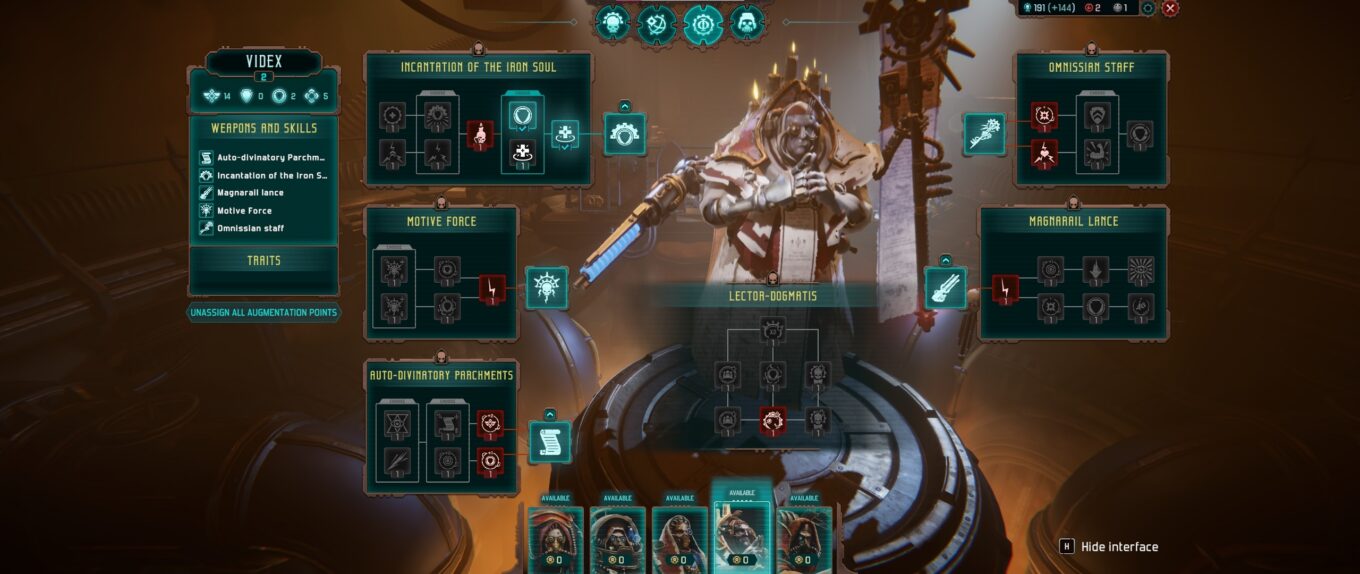
I focused my review time on the Mechanicus side of things, but I did delve into the Necron story to see how it fared, too. Perhaps it’s because I have less of a preexisting affinity with Warhammer’s other emotionless robots, but this is no Infinite and Divine. That said, it’s great to finally get to play as the ‘bad guys’ (we all know there are no bad guys in Warhammer) in one of these games, and Bulwark differentiates the two forces’ gameplay with ease.
Mechanicus 2 plays just like its predecessor, which plays just like most XCOM-likes you’ve ever loaded up. It’s a little simplistic in places—there are no percentage chances to hit, nor can you give each of your soldiers a name and personality—but it’s engaging enough to scratch that tactical itch in your brain. The granular difficulty modifiers help here, as you can tweak nearly every statistic to your mechanical heart’s content.
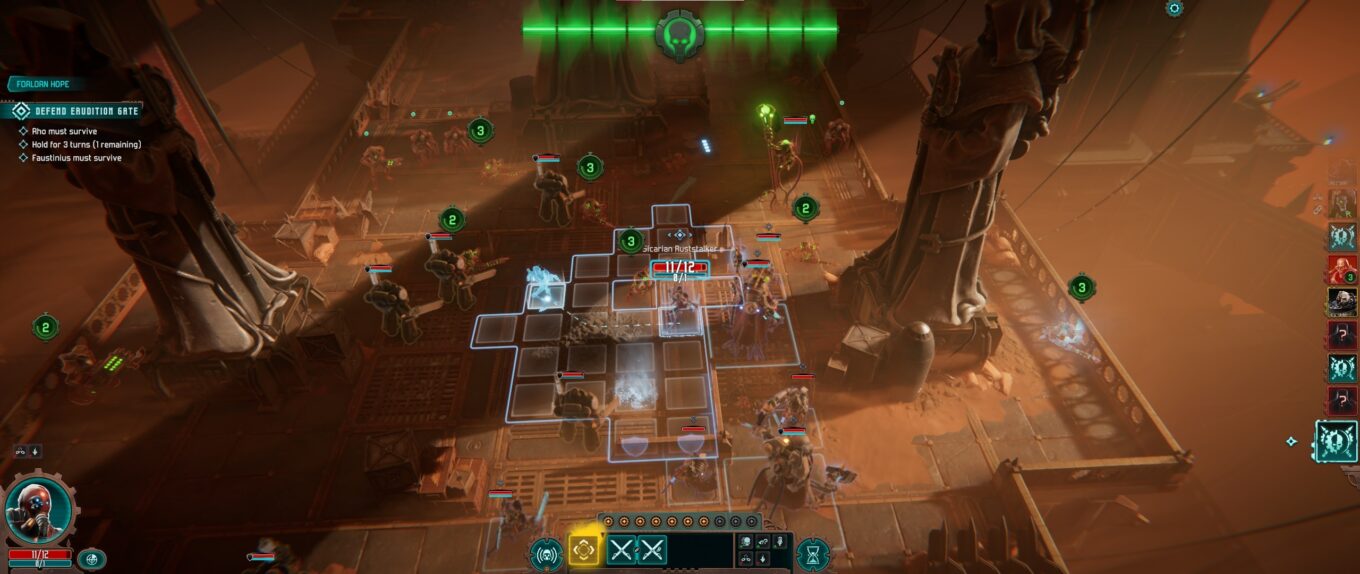
Where Mechanicus 2 iterates on its predecessors, however, is where it shines. The Mechanicus themselves utilise a refreshed Cognition system. Instead of collecting the resource from specific points on the map, your units generate Cognition by fulfilling their roles. Skitarii Rangers gain it by taking long-range shots, for instance, while Vanguard can scan their foes for weaknesses to boost your meter. How you spend the points differs depending on which leader you choose, which gives the missions some much-needed variety.
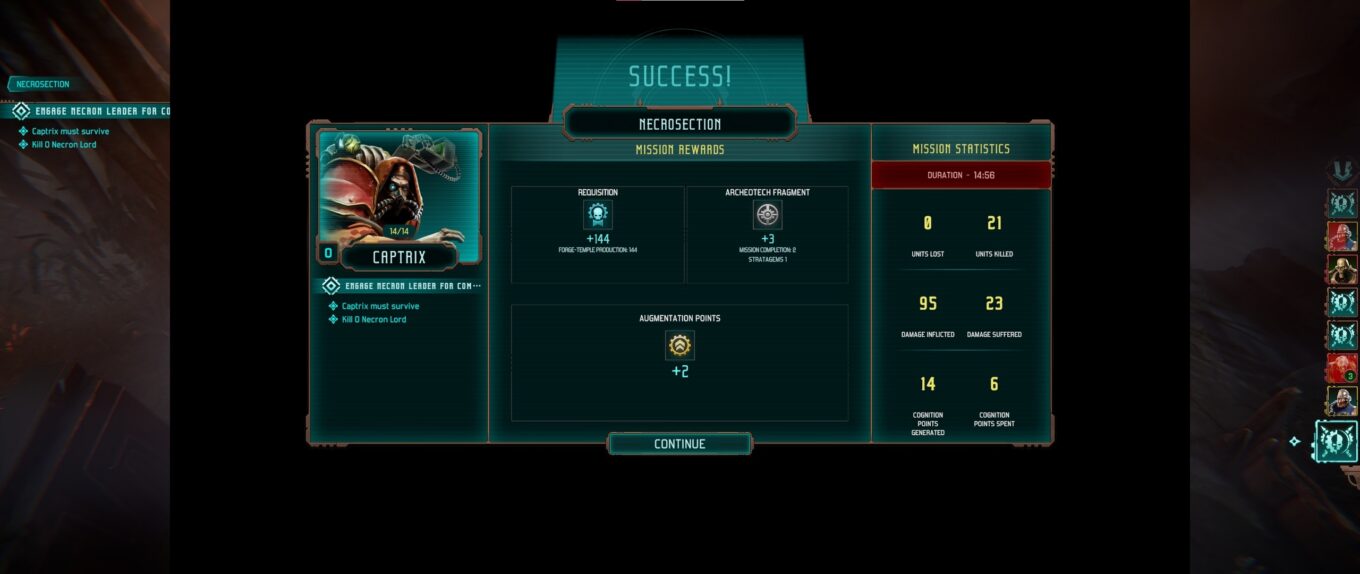
Some leaders buff themselves with Cognition, while others support all your troops, and missions featuring the latter leaders are vastly superior. Leaders can also be buffed as they accrue points from completing missions, allowing you to specialise each one. It’s a nice idea, but ultimately amounts to a bunch of busywork.
The Necrons flip this on its head, accruing Dominion points as the battle goes on. This makes them slow starters, but they can be brutal once they’re up to full speed. This ensures both factions play sufficiently differently, and you’ll get some mileage out of playing the campaign from both angles. However, it also means that you can wait an age for the Necrons to complete their lumbering turns if they’ve got numerous units in action.
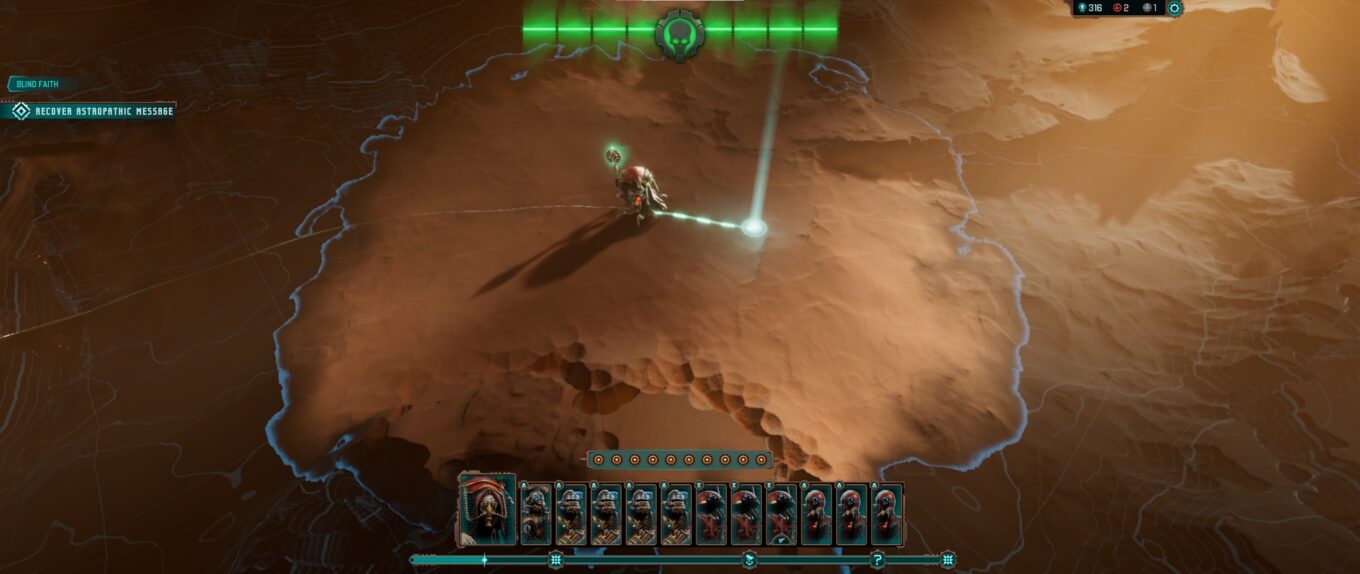
However, the simplistic battles get a bit samey after a while. Mechanicus 2 falls into the classic turn-based tactics trap that is misaligning the difficulty. At the start, when resources are scarce and units are few, missions can be difficult and punishing. By the end of the campaign, however, when you have the full might of the Omnissiah at your disposal (and whenever allies from the Iron Hands or Leagues of Votann turn up to lend a hand), even the climactic battle is disappointingly easy. While there are some neat additions to battles—destructible cover is particularly important—the gameplay doesn’t switch up over the course of the campaign, and therefore leaves you wanting.
In addition to the skill trees your HQ units have access to, there’s now a world map to manage and various units and skills to unlock for your troops, too. The former represents a global campaign of all-out war, but straying from the true path often just presents more admin rather than an interesting side quest.
That goes for the upgrades, too. As more forges come online on the planet’s surface, you can unlock and upgrade your units. However, few of these upgrades feel meaningful when you actually see them in action, and you find yourself quickly wanting to delegate some of this between-mission busywork to a poor sod in the Administratum. There’s simply too many tables and trees to keep up with, and as a result none of them feel like they’re changing anything in each mission.
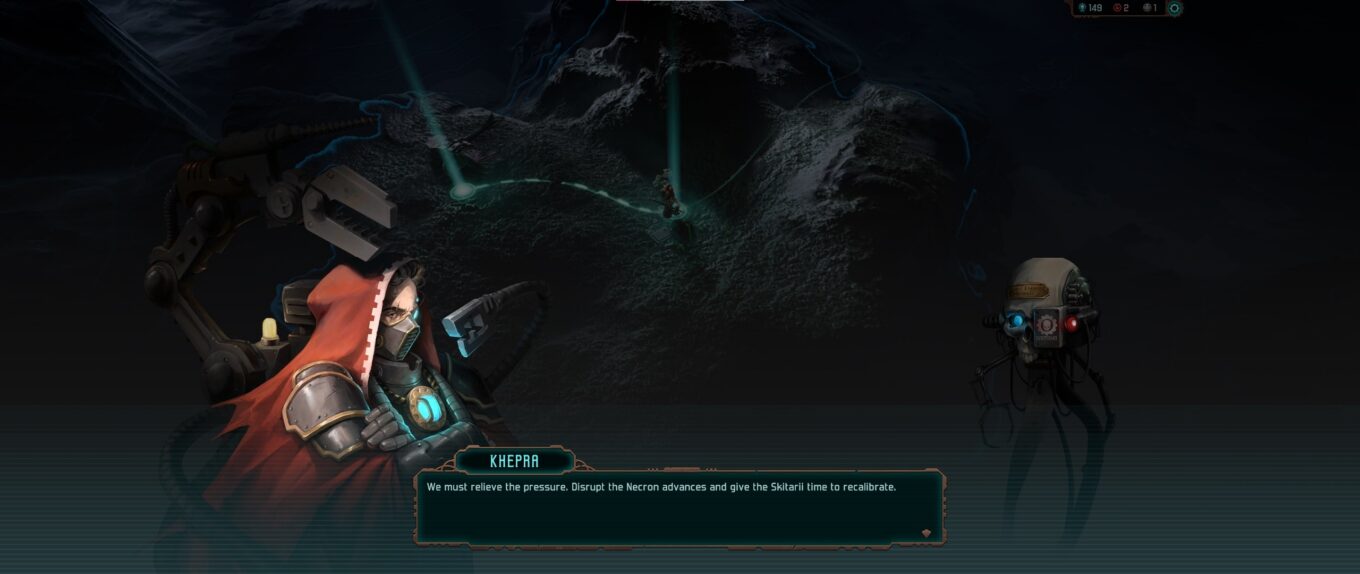
With the addition of a world map, I wondered if there would be a to-and-fro as the Mechanicus and Necron forces achieve their respective objectives. But there is little punishment for failure. You simply reload, and try again. I’d like to have seen each individual mission contributing to the global war effort; losses signalling a retreat and victories pushing your lines forward into enemy territory.
Without any punishment for losing a fight, the stakes of any mission are minimal. This isn’t helped by the fact that your troops are completely expandable. Even if every Sicarian Ruststalker survives, you have to spend resources to requisition them again for the next battle. The number of casualties you take ultimately doesn’t matter, which is a far cry from the greats in this genre. In XCOM, every casualty was a tragic loss (not least because you’d named him after your pet goldfish). In Mechanicus 2, it doesn’t matter at all. I suppose that’s the reality of managing a full-scale global assault, but lower stakes mean that the victories don’t feel as sweet.
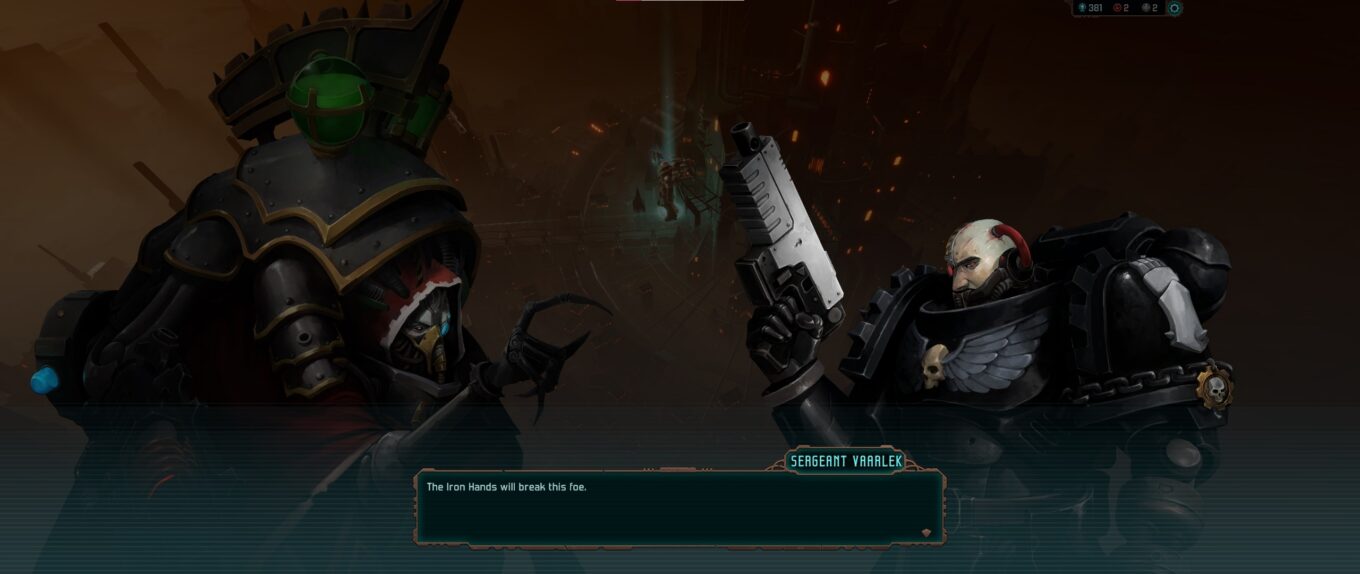
Mechanicus 2 nails the atmosphere of the 41st millennium. From the soundtrack of binharic chanting, to the voiceover work and zap of a Plasma Culverin incinerating an unsuspecting Lychguard, the presentation is slick and effective, even for those who haven’t dipped their toes into the world of Warhammer before. However, the game is held back by repetitive gameplay that iterates well on its predecessor but never reaches the heights of the greats in the genre. The tedium of numerous skill trees and inconsequential defeats only hold it back further. You can have a fun time with Mechanicus 2, but it can only hold your attention for so long before you crave something more tactical, more complex, and more meaningful.