There’s nothing wrong with wearing your inspiration on your sleeve. That said, Vaewolf developer Milky Tea doesn’t mention Hades once in its pre-Gamescom presentation to members press. And yet, the elf-vampire-werewolf tearing through the 9th century Lake District could well be Zagreus or Melinoe transplanted from the depths of hell to the quaint British countryside. And with wolves, witches, and other werewolves in your path, there may not be much of a difference between the two locales.
Let’s take a step back. Vaewolf is a Hades-like roguelike with similar proc-gen areas, bosses at the end of each biome, upgrades (runes and mead here rather than boons and nectar), and a range of builds to tailor on each new run. Don’t expect Thor or Odin to come to your aid, as this story involves fae creatures rather than the Norse gods themselves. Most important, however, are the handful of mechanical departures from the Hades formula which could set Vaewolf apart from its inspirator.
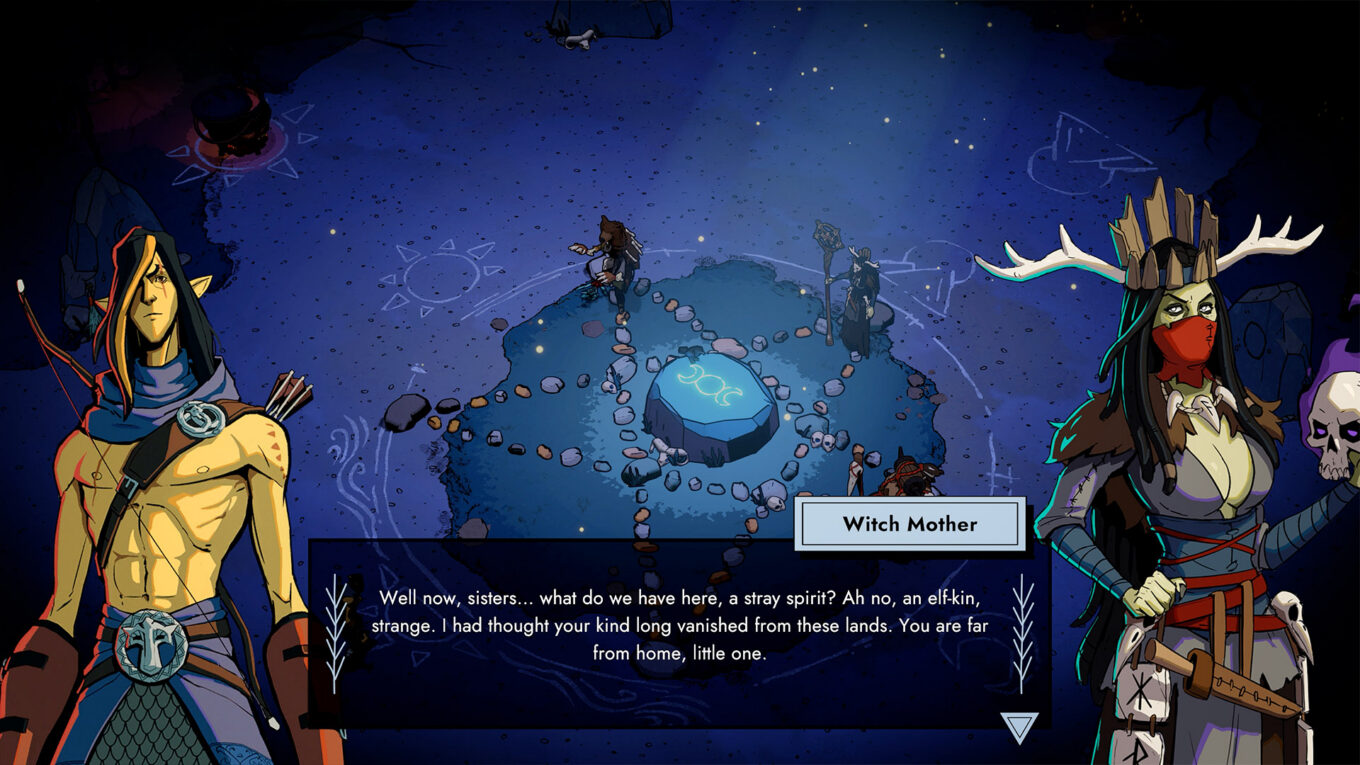
Vaewolf follows eponymous protagonist the Vaewolf, a wood elf afflicted with the curse of werewolfdom by Viking invaders who kill his entire family. Fortunately (or not), he’s found and raised by a vampire, who grants him his accursed gift as well. It’s basically like Twilight, except Edward and Jacob had a fucked-up baby instead of Edward and Bella. They would have called him Billarlisle or something, though, instead of the far cooler and more ominous Vaewolf.
This heady concoction or mythic curses is more than just an opportunity for me to talk about Twilight; it’s got major implications for the gameplay. As a wood elf, you can unleash ranged attacks from your bow; as a vampire you can cast area of effect spells and status effects; and as a wolf you can smash and brawl your way through the most heavily-armoured foes. But there’s a twist.
“You don’t choose a class in Vaewolf,” Milky Tea managing director Chris Wood tells me over a video call. “You combine all three into a build that suits your playstyle.” Managing your transformations will be crucial as you approach each new area, but it will also change how you approach each run’s build. Focus on one form and risk ending up vulnerable to certain enemies or armour types. Spreading your buffs between the three will leave you a master of none, but you’ll be prepared for any eventuality.
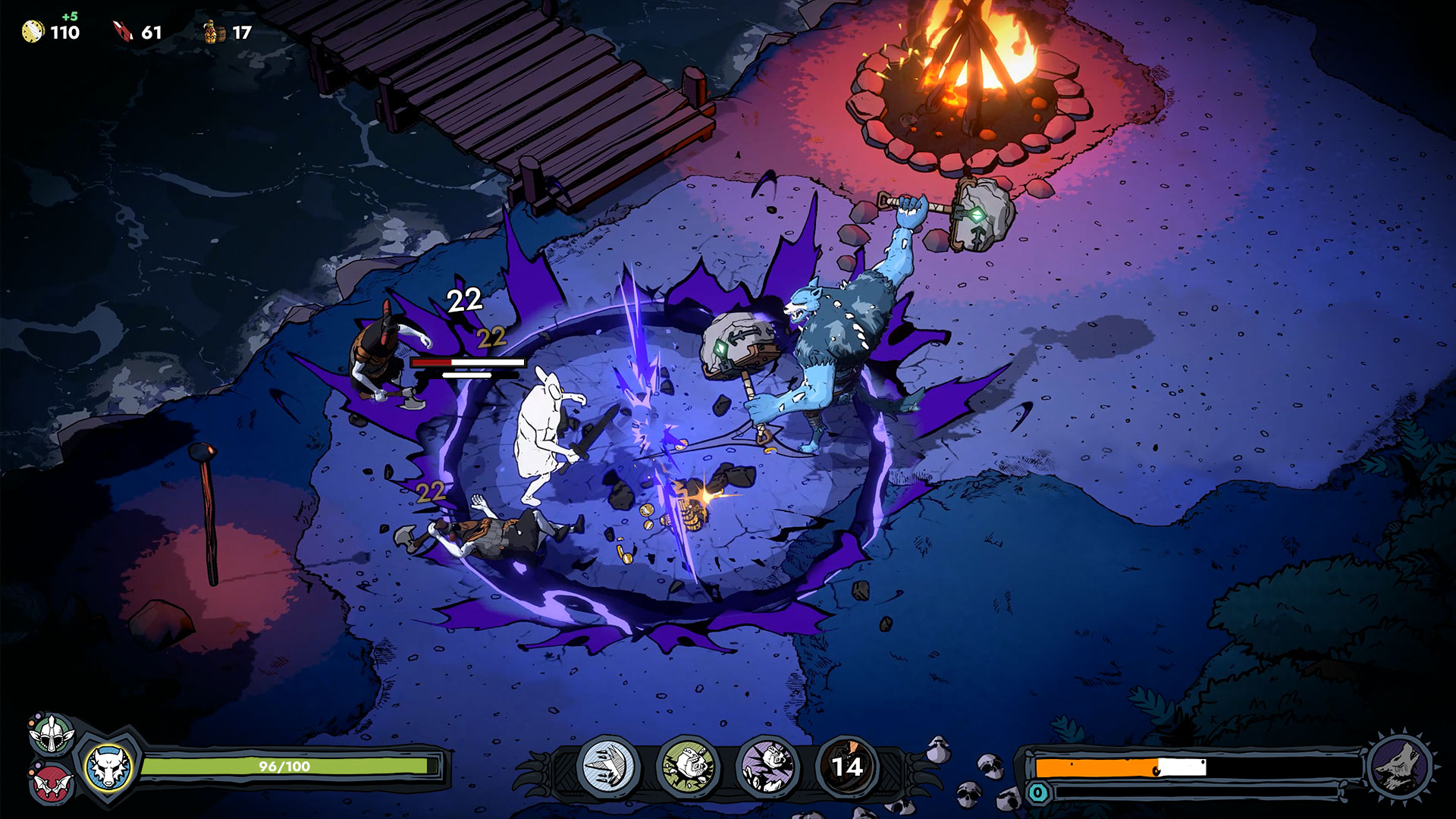
Or, as senior producer Adam Walenkiewicz shows me in a hands-off demo, you can build around stacking buffs when you change forms. In a similar vein to Athena’s Dash in Hades, this aims to change how you play each combat encounter, rather than simply improving the damage a certain attack will deal. That said, you’ll have to hand me some pretty rare runes for me to not spend most of my time ground-pounding as an enormous blue werewolf when Vaewolf releases.
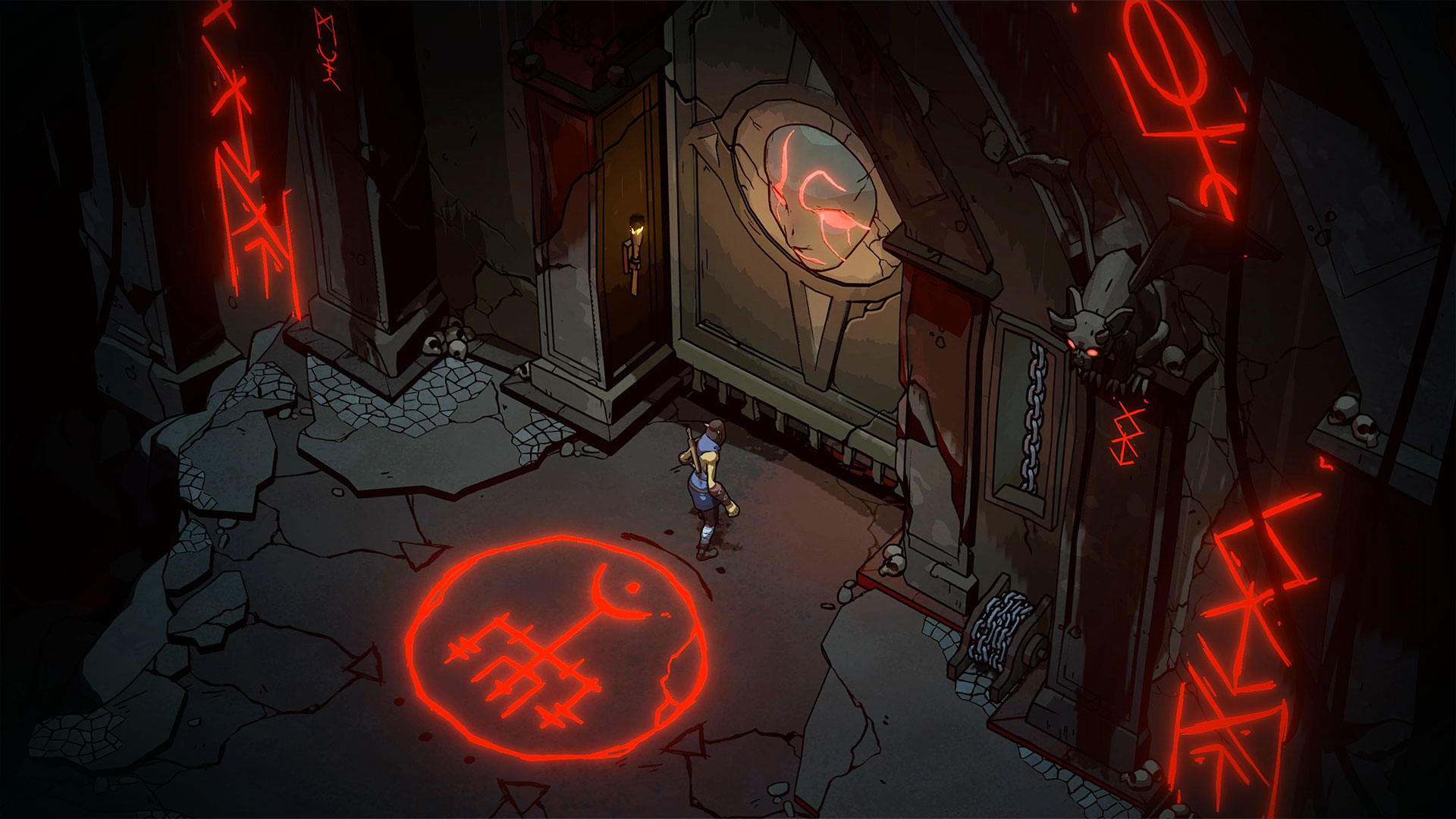
I only saw the first biome of Vaewolf’s Lake District setting, the ESKDALE FOREST. After defeating three witches in one boss fight, however, you’ll take to a network of ancient tunnels, before finally ascending to the peak of Scafell Pike to face Bloodaxe, the man who murdered your family and cursed you. The first time.
If you don’t make it, you’ll be resurrected in the town of Ravenglass. Here, you can purchase permanent upgrades, return mead to the owner of the Pickled Pagan for rewards, and generally dilly dally about.
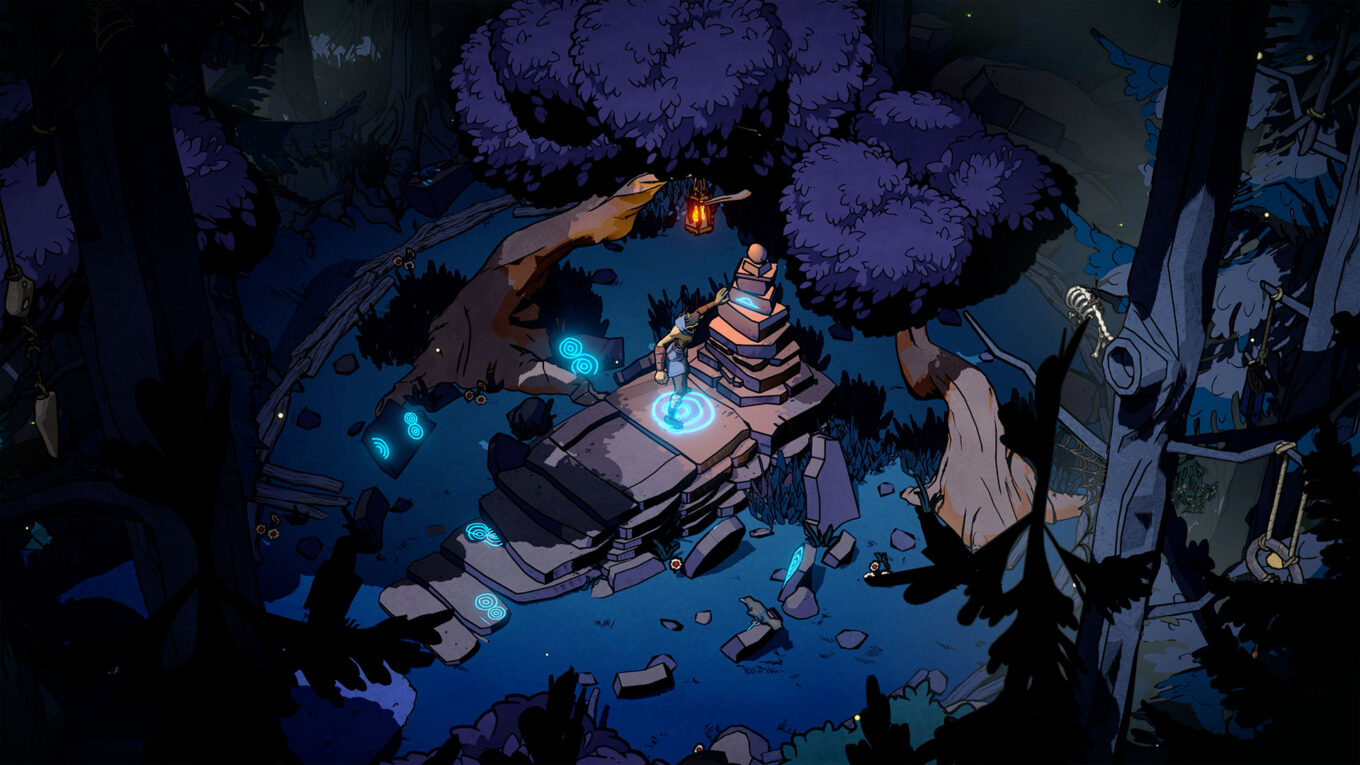
I didn’t get a deep look at this area in my preview, but it will be crucial to the game’s success that it is filled with engaging characters with distinct arcs. Too many Hades-likes mimic the gameplay without paying heed to its characterisation and the numerous subplots which require countless replays to fully understand. Defeating Bloodaxe is one thing, but Vaewolf’s replayability will come from its smaller narratives as much as from its satisfying mechanics.
There’s a lot we don’t yet know about Vaewolf, but it will be the areas that it breaks new ground away from the Hades formula that ensure its success. From a gameplay perspective, this will be the rapid shapeshifting and Wrath meter, which you must keep a close eye on as you play.
“Wrath builds as you deal damage without being hit,” Wood explains. “The higher it climbs, the faster you attack, rewarding players who stay aggressive and nimble.”
If you manage to fill the meter, you can unleash a devastating rage attack, seemingly calling on some berserker heritage to damage numerous enemies in a single blast. If you’re still learning the ropes, Wrath can act as a helping hand, offering a brief moment of protection when you’re hit. You’ll lose your meter progress, but not take damage, allowing you to reset and attack from another angle.
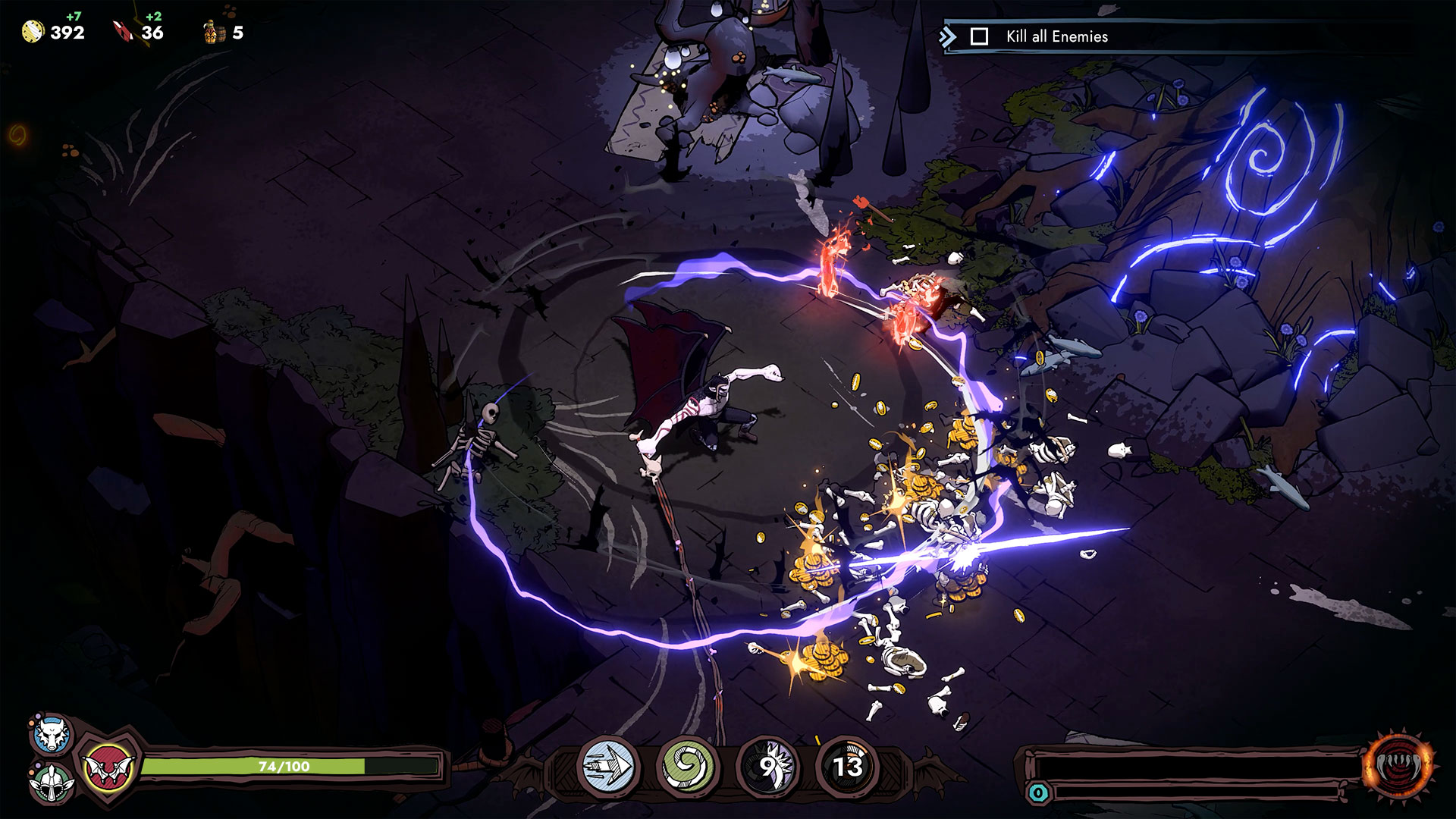
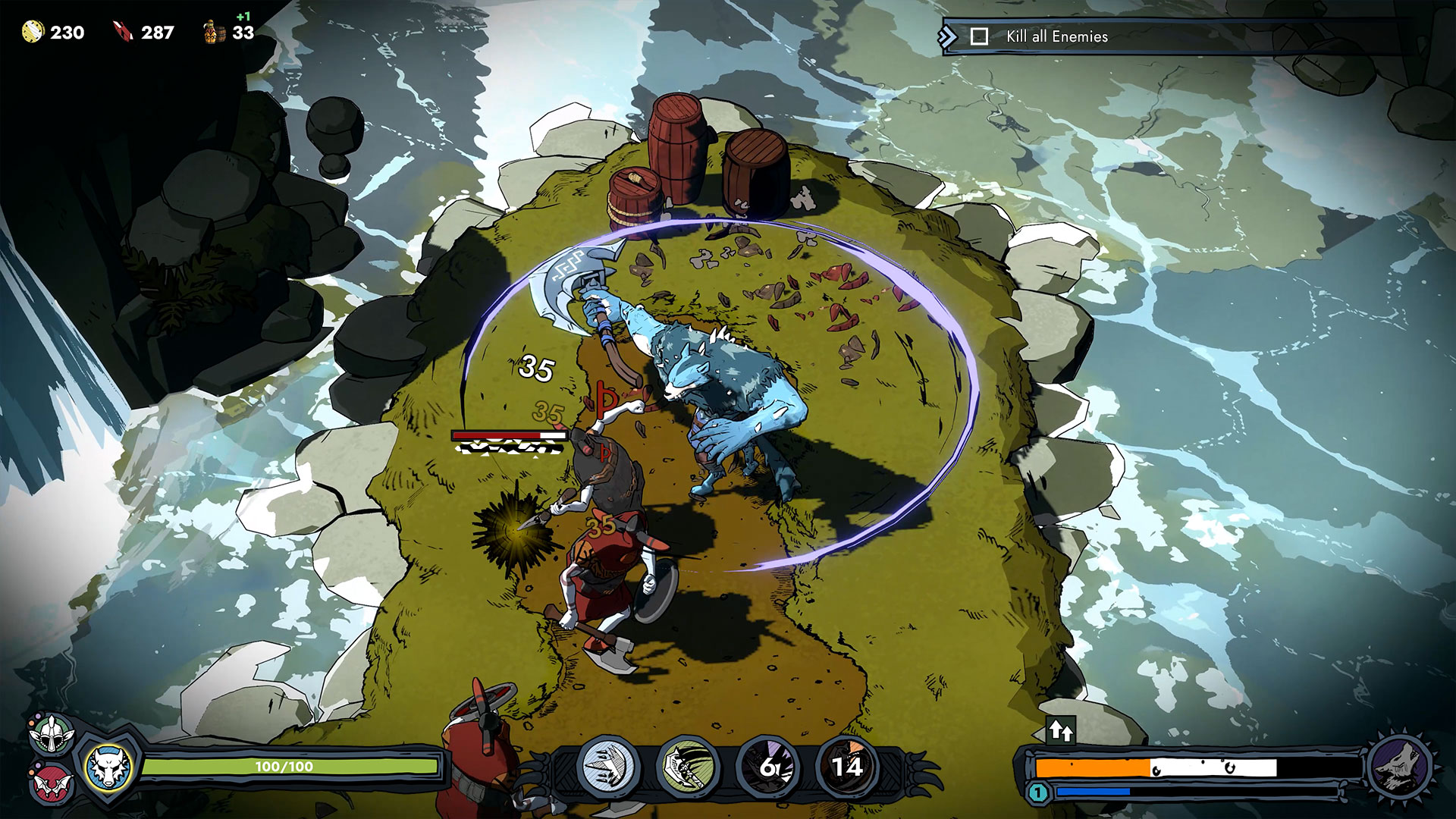
It’s difficult to tell just how important Wrath will be before we’ve got our hands on it ourselves, but it’s another mechanical iteration on that Hades formula that should set Vaewolf apart. The more it builds on Supergiant’s indie hit, the more interesting this game will be, and it seems like the Liverpool-based developer is trying to do just that.
I’m intrigued by Vaewolf, from its blending of fantasy tropes to its Cumbrian setting. Like the Vaewolf himself, the game is relying on its DNA to succeed while forging its own path by blending these inspirations into a new, bloodthirsty formula. If it can move clear of its Hades inspirations to stand on its own lupine feet, it could be just as engaging as its progenitor.