
In the thought experiment, the Ship of Theseus, one is asked to ponder whether a ship that has had each of its rotten boards replaced does not, in fact, become a new ship. For some time, the gaming industry has been posing a similar, if less transformative, question: can a combination of dodges and parries feel fresh if repurposed often enough. Resonance: A Plague Tale Legacy answers, albeit gentle, “Yes.”
Gentle is that answer only because it is not innovation in combat that drives it. Rather, Resonance succeeds in creating something fresh and dynamic from a now-rote formula by combining it with an evocative and transporting narrative that, at its best, evokes a sense of adventure to which few media now even aspire.
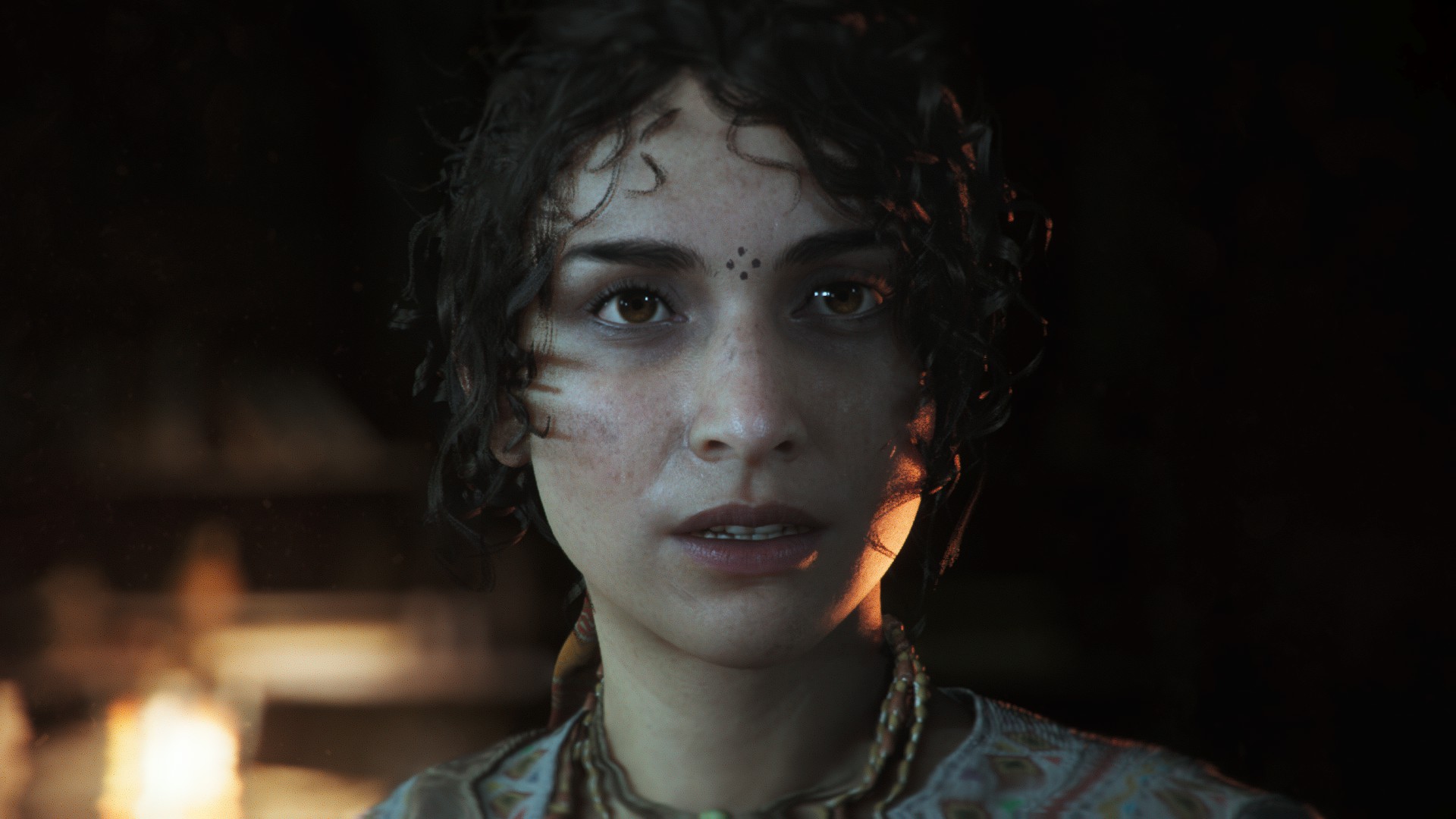
That’s led by Sophia, whom we meet as she’s rescued from a convent by her father, Alec. Sophia cannot catch a break. The nuns at the convent, part of “The Order,” have injected her with blood tainted by Prima Macula (the curse that later afflicts Hugo). Ever since, she is assailed by visions of a mysterious island and the treasure within.
Hoping for an answer to Sophia’s curse, Alec leads an expedition to the island. He never returns. Something on the island is responsible but Faro, his second – and now Sophia’s guardian – is cagey with the details. “You know why,” he replies when Sophia asks why he won’t take her to the island to find answers of her own.
As the two drift apart in the intervening years, Sophia gravitates towards Leni: a sprightly thief to whom we’re initially introduced as Sophia learns to fight from Faro, his lieutenant Irene, and the more gregarious Ezra. Combat, as previously alluded, isn’t novel. You must dodge and parry attacks based on the colour of indicators (red for dodging and yellow for parrying). Doing so will break an enemy’s poise and open them for attacks.
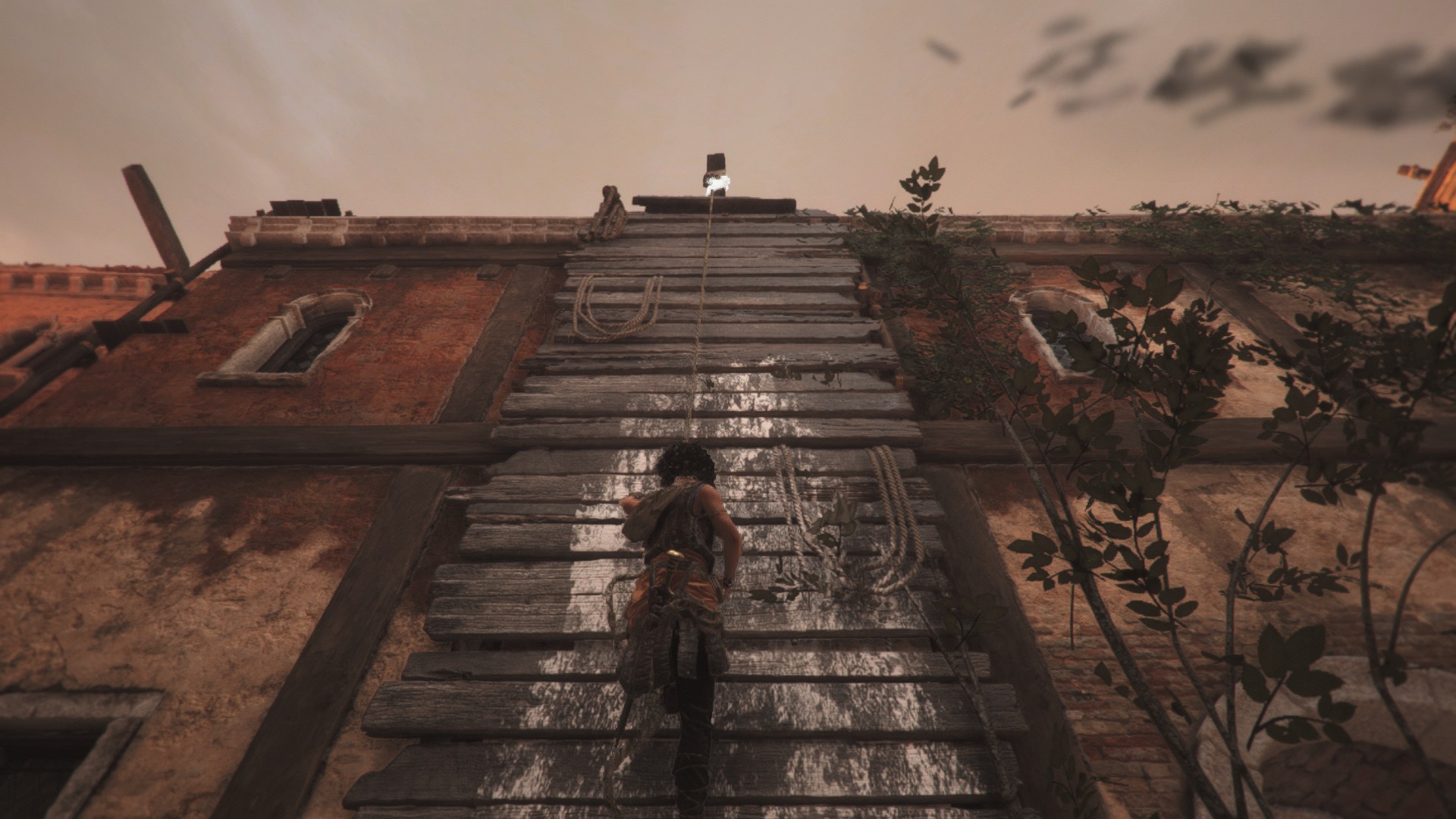
Upgrades, collectibles (mostly artefacts Sophia unearths), and weapons can influence how rigidly you must follow the game’s rules. Though, initially, it’s a formulaic, occasionally imprecise, system.
It will come in handy, though. Faro has learned the army – the blanket term under which the game’s antagonists operate – is moving a key to the island’s secrets through Venice. Sophia has a supporting role in the subsequent heist, allowing her to lead the player through more tutorials which revolve around movement and using a grapnel.
When things go south in Venice, Sophia and Leni abscond with the key. Finally, they set course for the island that has haunted Sophia for years.
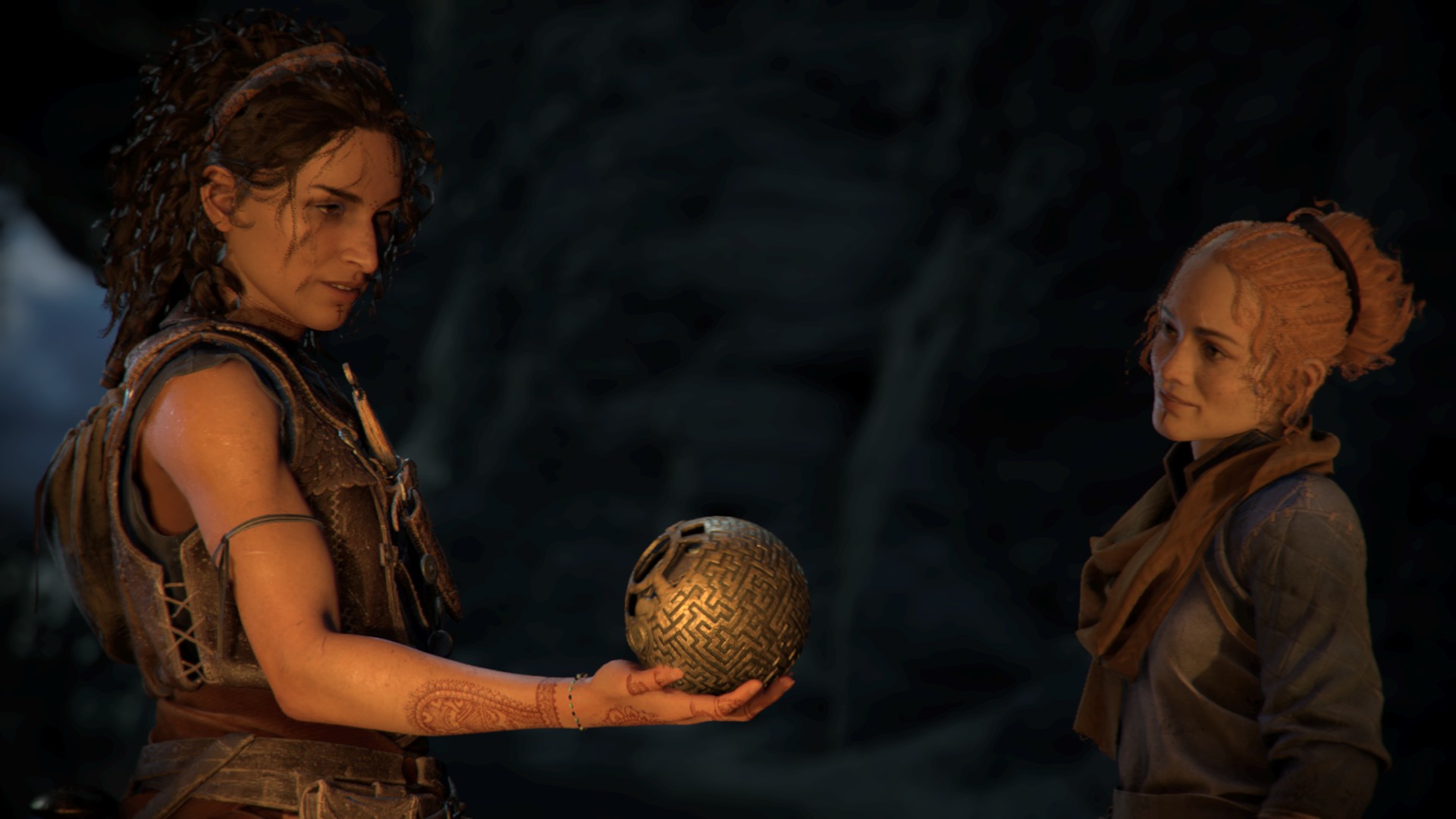
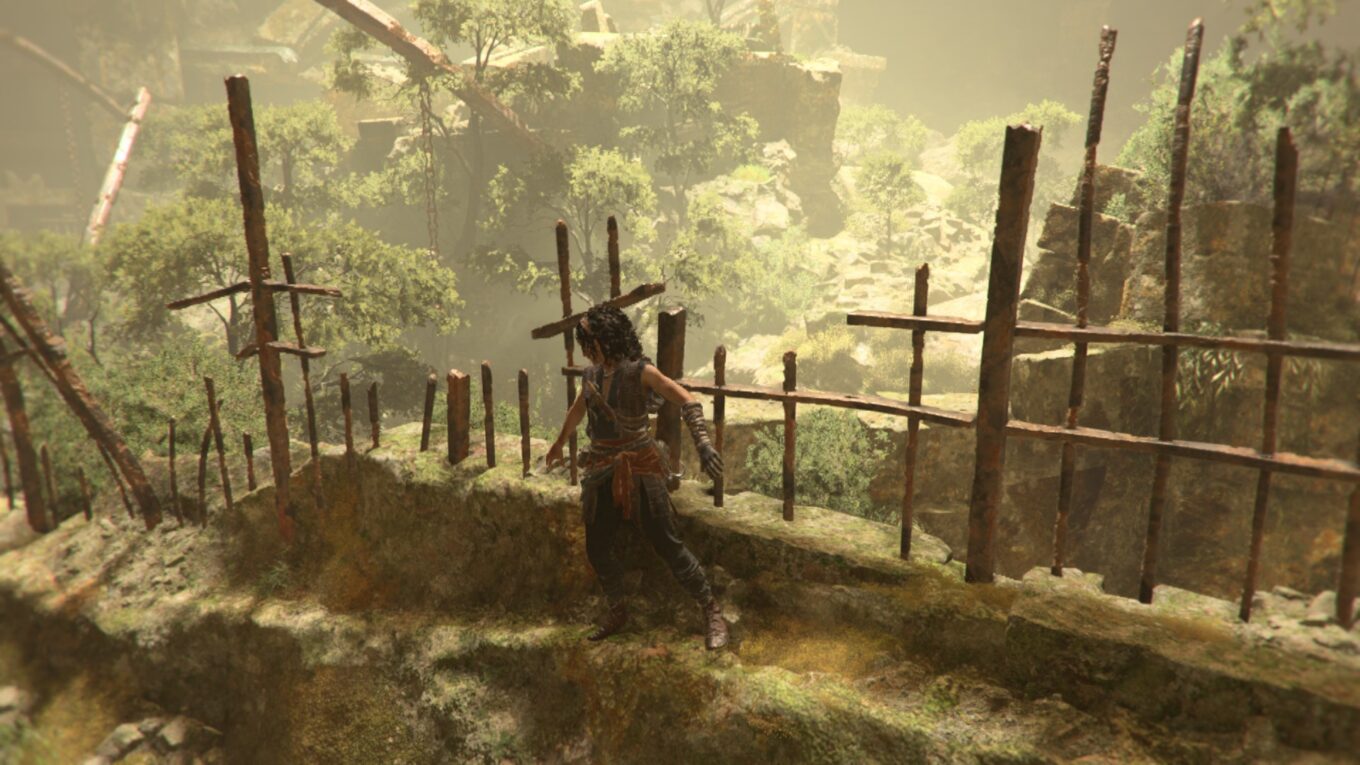
Armed with a book of Sophia’s childhood visions, Alec’s art, and notes from previous expeditions, Sophia and Leni arrive at the sun-swept Minotaur Island (modern day Crete). Working into its interior, they encounter fading frescos, alabaster ruins, and imposing statuary. “Are you sure they weren’t giants?” Leni exclaims as she examines the towering stone structures that still dot the island.
It’s an infectious awe. Asobo Studios delights in ushering us, and its heroines, through the ravishing antique world of Minotaur Island. There’s scant talk of treasure from the couple. Instead, they fascinate themselves with a ruined civilisation whose crumbling remains, even now, are a far cry from the improvised shacks of their gang’s home.
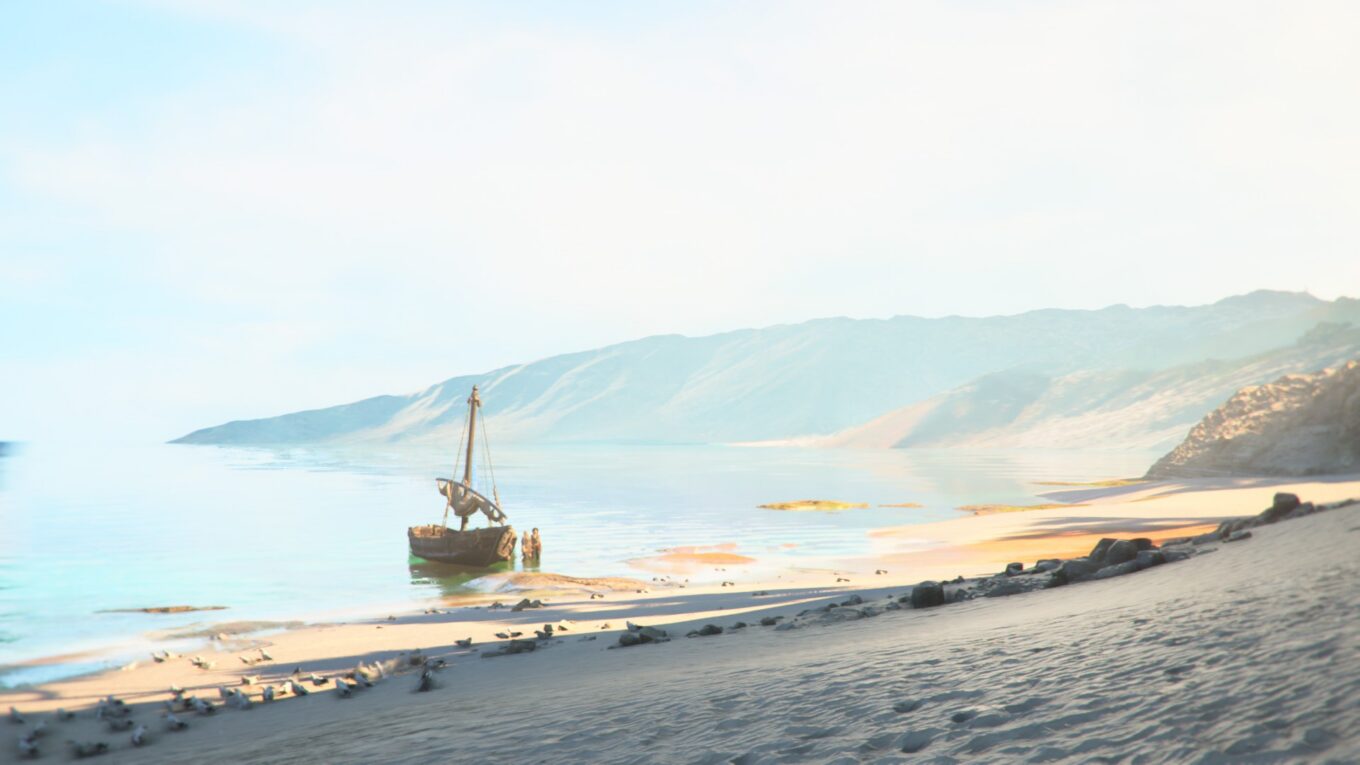
In fact, Sophia and Leni barely stop talking. As they scale crags above the surf, avoid the soldiers who have followed them, and delve into the island’s myriad mysteries they chatter and bicker incessantly. It’s delightful. All delivered with nimble verve by Anna Demetriou and Lisa Delamar.
The chatter borders a more contemplative puzzle-solving, compared to the frenetic pace of Venice. Sophia is retracing the route Alec took years before and, in doing so, excavating a history of violence that bears a striking resemblance to her own. To do so, she compares diagrams and sketches he and Faro left behind in the book. In a nice touch, you can still look around when you bring up the book, allowing you to compare the drawings with the environment.
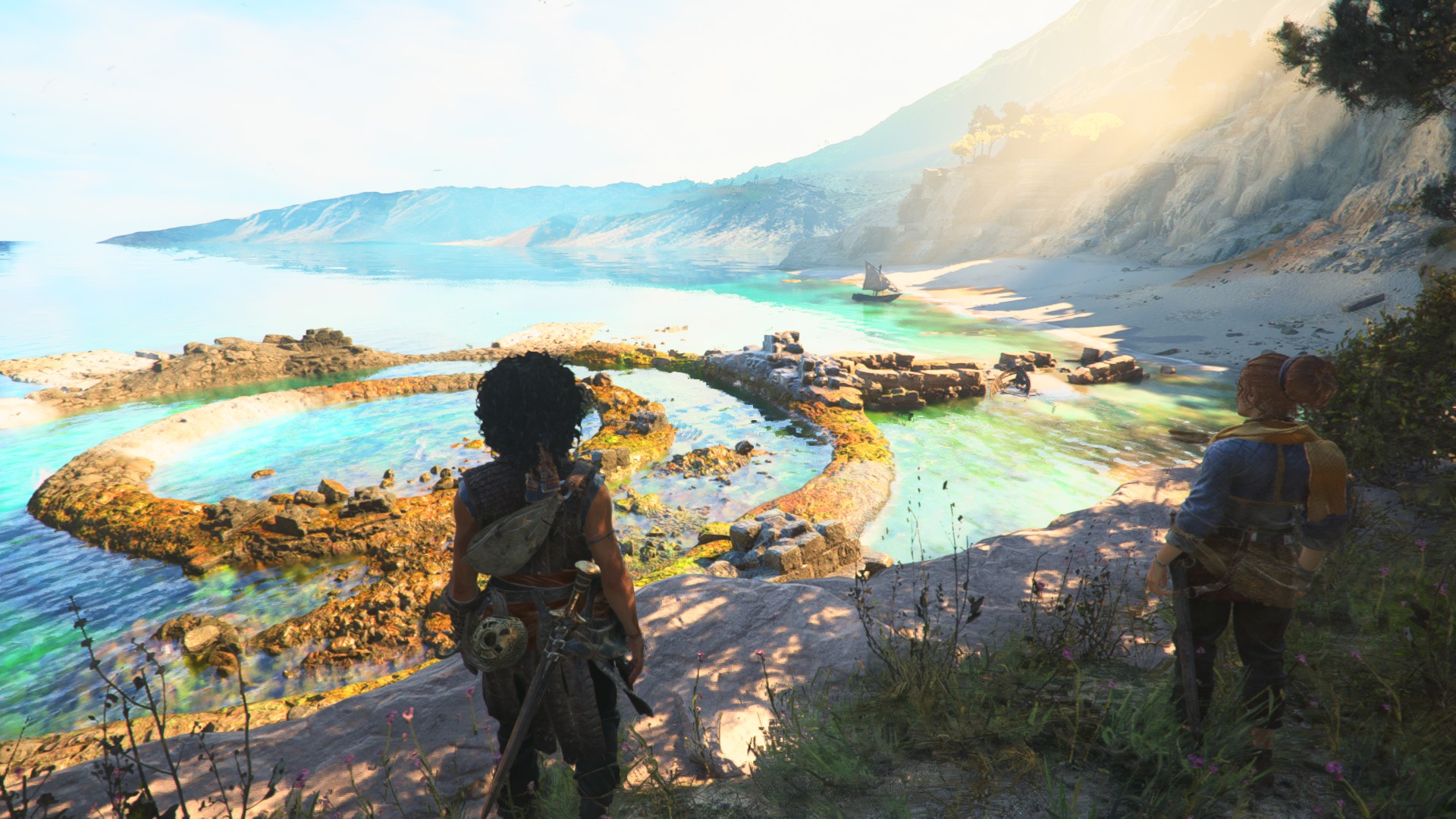
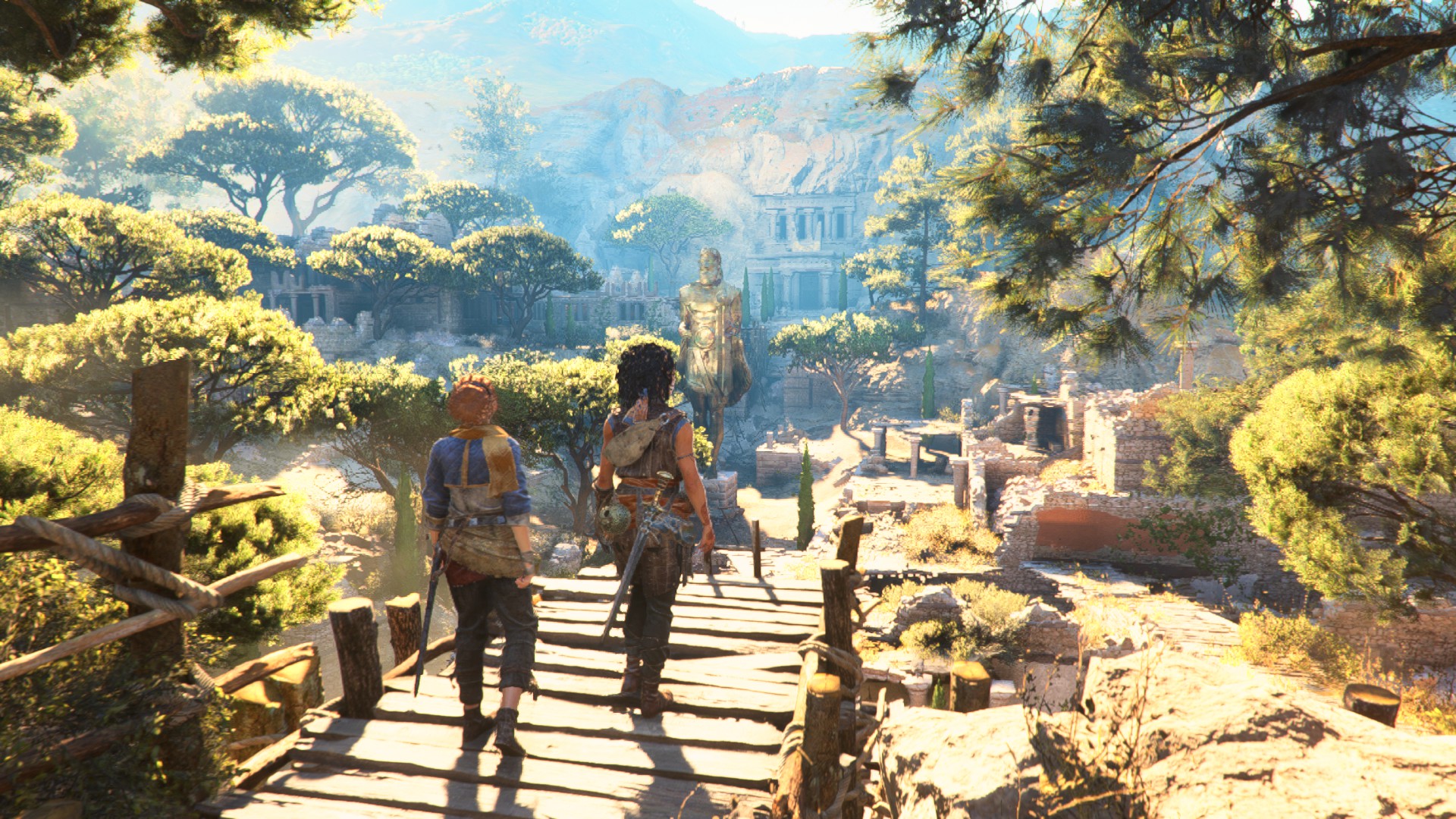
Puzzles require you to find landmarks that lead to the right path. Some are a simple case of scaling the Minoan ruins and others finding certain perspectives from which objects may align to how the book records them. It’s a gentle introduction to later puzzles that see you use the sun that bakes the ruins to reveal combinations of glyphs – aided by the key: a sphere that refracts light – or rearrange mirrors to direct light at switches.
If you get stuck, you can ask Leni for her opinion. At which point she and Sophia will brainstorm steadily less cryptic clues. It’s a pleasing rhythm, one that feels more human and accessible than most hint systems.
More interesting, however, are clues found in the past. As Sophia follows in Alec’s footsteps, she also retraces those of Theseus. Historians will delight as Sophia’s increasingly vivid visions reveal the scarlet of the ancient Minoans (and Asobo resisting the common urge to render its medieval world in shades of brown and grey).
Resonance reimagines Theseus’ quest to slay the Minotaur as a Hellenic Squid Game, in which they must carve a bloody path through Greek heroes to be named Minos’ heir. It’s a clever twist that successfully retools the myth to work within the wider narrative of A Plague Tale and inject more combat into Resonance. Sophia and Leni mostly avoid confrontation as they explore the island, Theseus gets their kicks slicing and dicing bronze-clad Minoans.
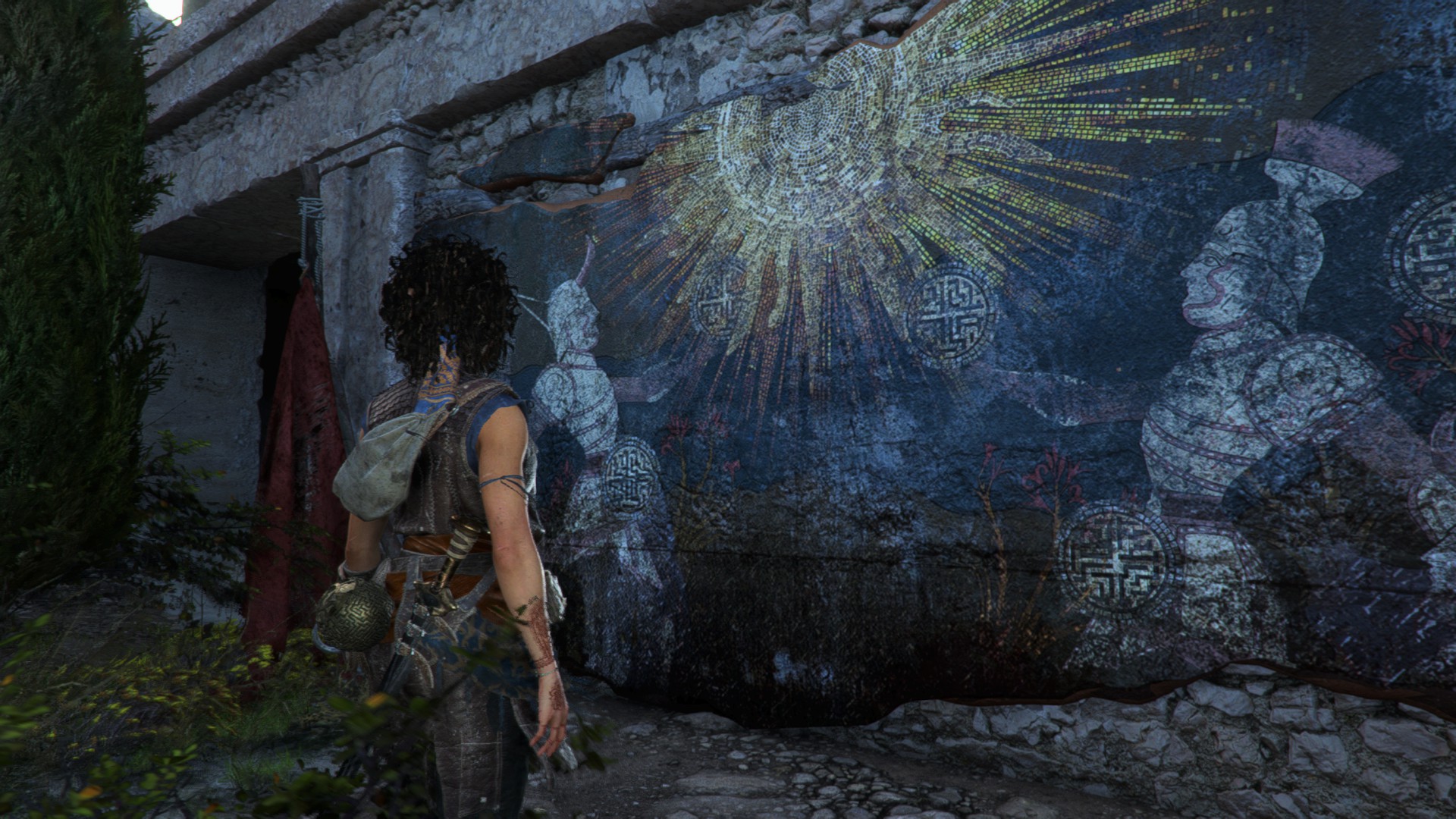
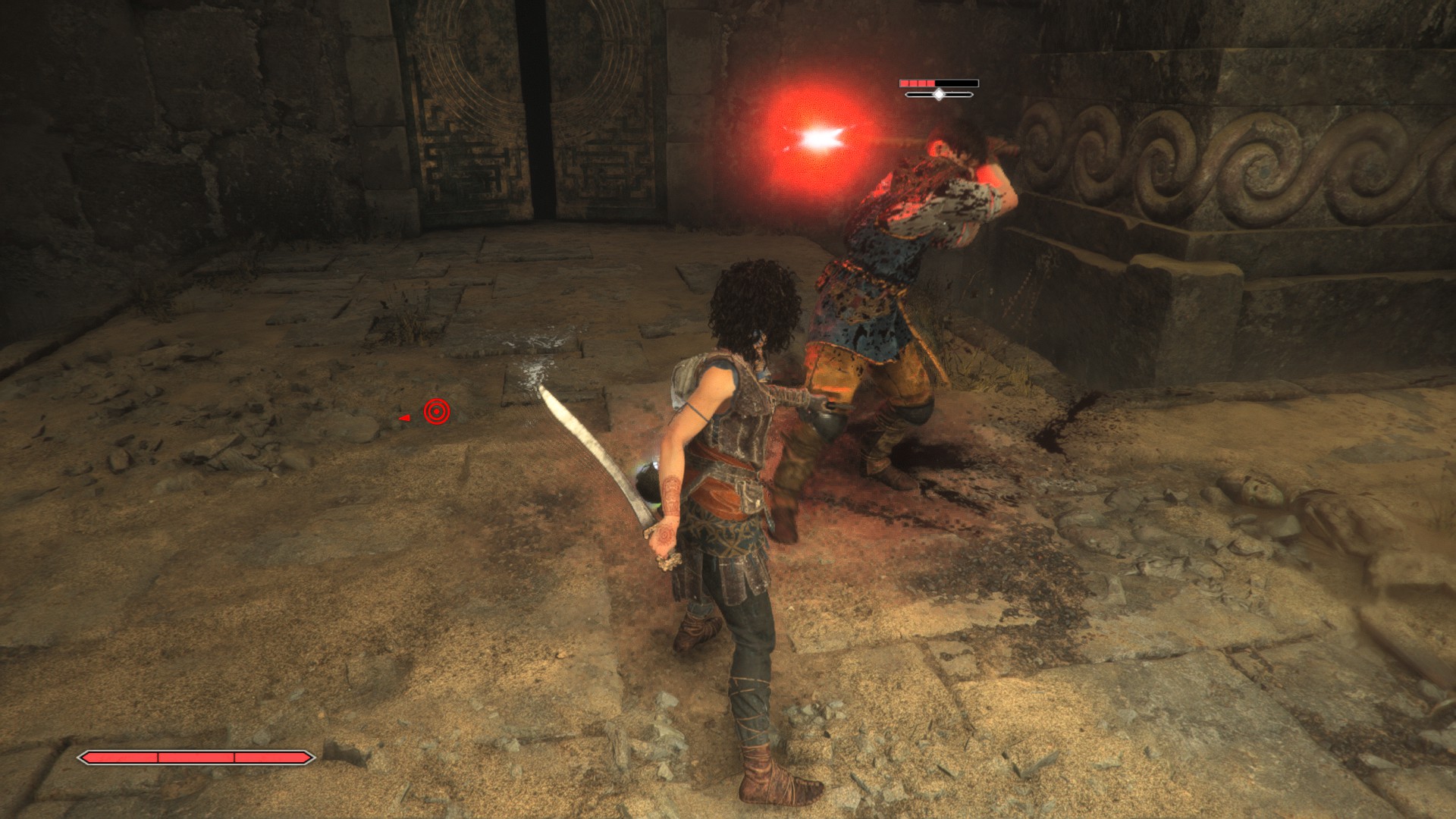
Jumping into the past is most effective, however, when the two timelines interact in gameplay rather than just narrative. Sophia and Leni are, after all, exploring an ancient world garlanded by salt stains and patina. Old avenues are crumbling and centuries of growth obscures previously obvious solutions. Sophia quantum leaping into Theseus to decipher now-lost puzzle solutions is a wonderful use of the split timelines that both feels too fleeting and doesn’t overstay its welcome.
The same restraint is, pleasingly, not employed in rendering the ancient world, where Asobo frames the island’s abundant puzzles and extravagant machinery as the wonders of Daedelus: the mastermind behind Minos’ labyrinth. It’s evidence of how much consideration has gone into how to create diegetic credence for Resonance’s gamified elements. Even if Sophia and Leni racing other fortune hunters who are less respectful of the island’s dissolving infrastructure – for which they pay a high price – is far from novel, adept world-building and the duo’s charm make the island feel fresher than it might otherwise.
Resonance does lose its way when it separates Sophia and Leni. In a sequence that also sees the game return to the stealth-based gameplay of the wider series, for better and worse. It also signals a shift in which Resonance’s puzzles begin to repeat, combat – often in burning environments that make visual indicators harder to parse – grates, and the game’s writing grows uncharacteristically clunky.
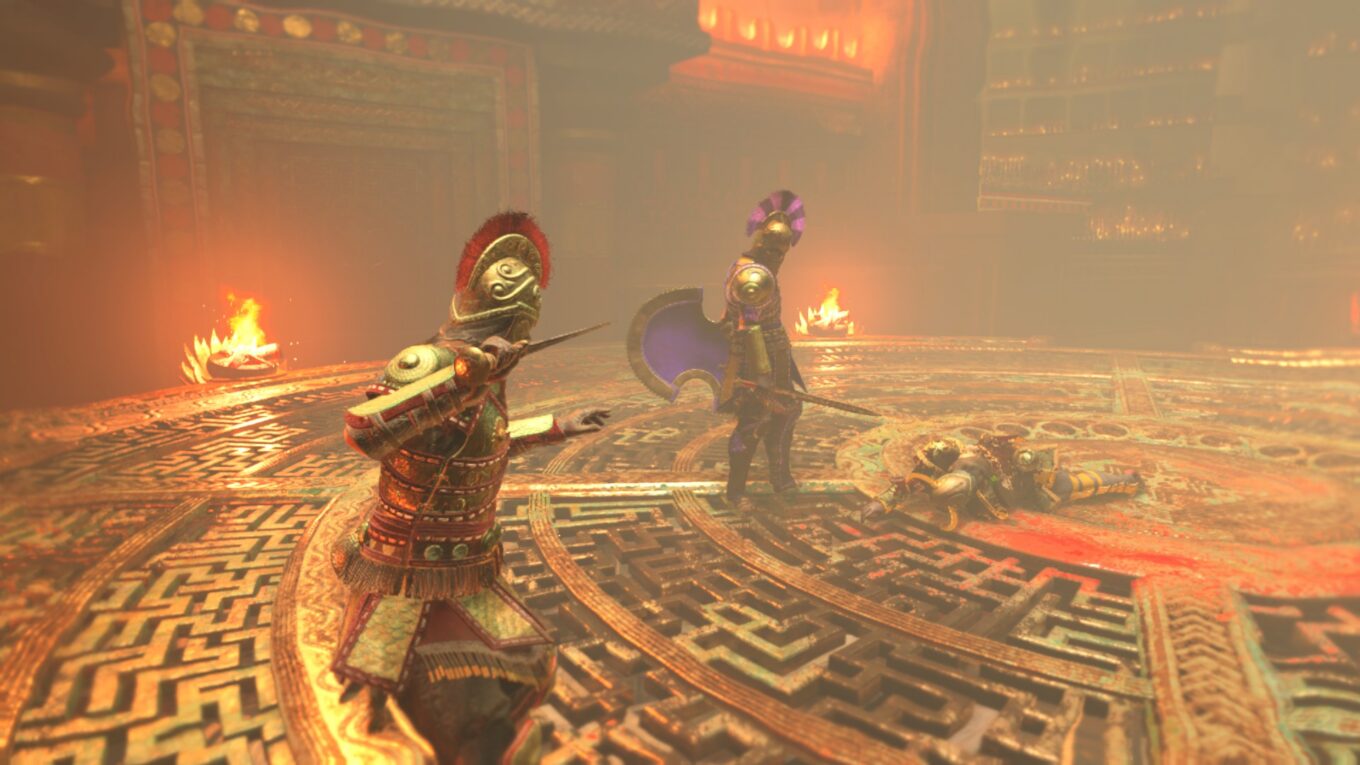
Within the broader narrative, it is a sharp contrast: from discovery to discovered. Visually, too, as Asobo drives us from the sun-dappled surface to the darker underground. But the gameplay displacement is jarring. Sophia, too, is diminished by the separation, which robs her of the rhythm that made her so compelling and empathetic a protagonist.
Her interactions with other characters – more often, herself – are less felicitous and more contrived. As are her interactions with Theseus, as they take over gameplay more and more, who is, by dint of being a few centuries dead, not exactly the most active conversationalist.
By the time Resonance rediscovers its sense of wonder, much of the first act’s momentum is gone. It’s far from a terminal state. But to take such a refreshing change to the series’ formula and suddenly discard it is a difficult move to understand.
Fortunately, Resonance possesses the narrative force, and voice, to brute force its far less-inspiring stretches into staying engaging – if not quite so absorbing. So that, even as it stumbles towards, and arguably milks, its lengthy ending, Resonance remains narratively, if not always mechanically, compelling.
Some of my reservations about how Resonance bookends its more adventurous side in safer trappings is likely down to what Minotaur Island evokes. For me, it’s memories of the year 2000: bed-ridden with flu and watching The Mummy on a rented VHS tape three times in a row; deliriously enraptured by the sweeping vistas and sense of undismayed vistas.
Resonance tempers that swashbuckling intrepidity with a desire to inject its story full of trauma and tragedy. It makes for haunting narrative shifts but jarring gameplay changes that feel imperfectly bridged. But then, so much good art is rendered better by its imperfections, and that is the case in Resonance. A transporting, forceful work that, at its best, evokes a bygone and missed sense of wonder.