

As I write this, Id Software have just been gutted by Microsoft as part of mass layoffs across Xbox. The studio that masterminded the reinvention of Doom in 2016, before going on to inspire a bounty of wonderful indie movement shooters with 2020’s phenomenal Eternal have – according to one former dev – been “nuked into the dirt”.
Early in Revelations, the Doom Slayer gets Metroided. His suit is wrecked to make space for fresh upgrades, and the saw shield breaks, giving the Slayer a free hand to hold Revelations’ new combat tool, the Chain Spear. On the way down, he also loses his Big Fucking Crossbow. In Revelations’ endgame, you’ll have to work hard to assemble a new super weapon: a familiar looking pump-action piece named the ’93 shotgun.
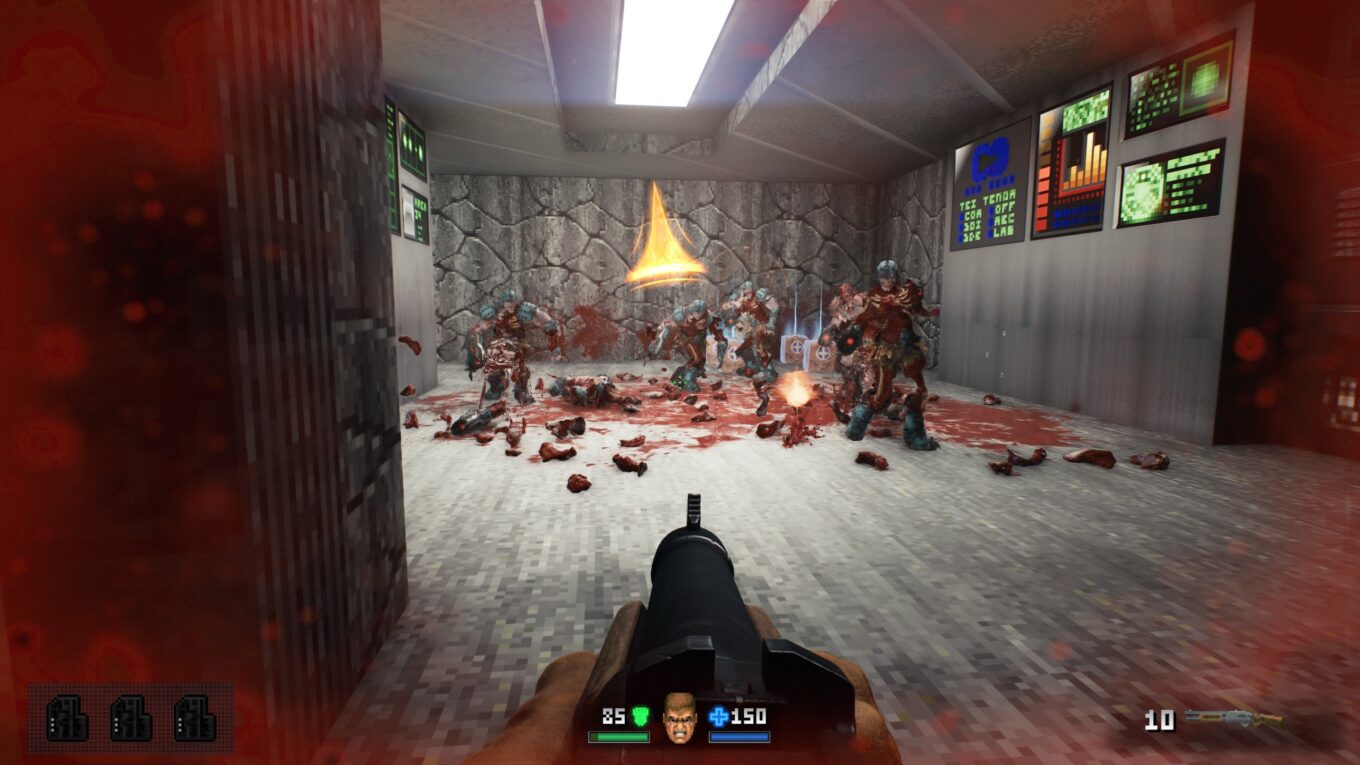
Even without the layoffs, I doubt we’d have seen the next Doom any time soon. But in the light of so many of Id’s staff being sacrificed to fuel Xbox’s impressively delusional aspiration to “entertain more than a billion people a day”, Revelations’ bittersweet final gift of Doom’s classic shotgun is far more bitter than sweet. This expansion should have felt like a victory lap. Instead, most of the folk behind it have had their lives upended, and Xbox lacked even the grace to hold off until they’d toasted its release. It feels funereal.
Good thing, then, that it goes hard enough to wake the dead.
I liked Doom: The Dark Ages, but a lot of it didn’t work for me. I found the story po-faced and convoluted. The level design lacked the playful cadence of past bangers like Eternal’s Super Gore Nest. The music was serviceable – a damning thing to have to say about a Doom game. Most dramatically, the laser focus on parries and passives shrunk its combat sandbox.
Revelations triples down on my first issue past the point of self-parody, and only partly fixes my second. But it puts my final two complaints to bed with a shovel. The music is fantastic; layered with depth and pounding violence and organic instrumentation. And the combat? It’s the best modern Doom’s has ever been. It’d have been nice to enjoy the story, sure, but Doom is combat, and Revelations is incredible.
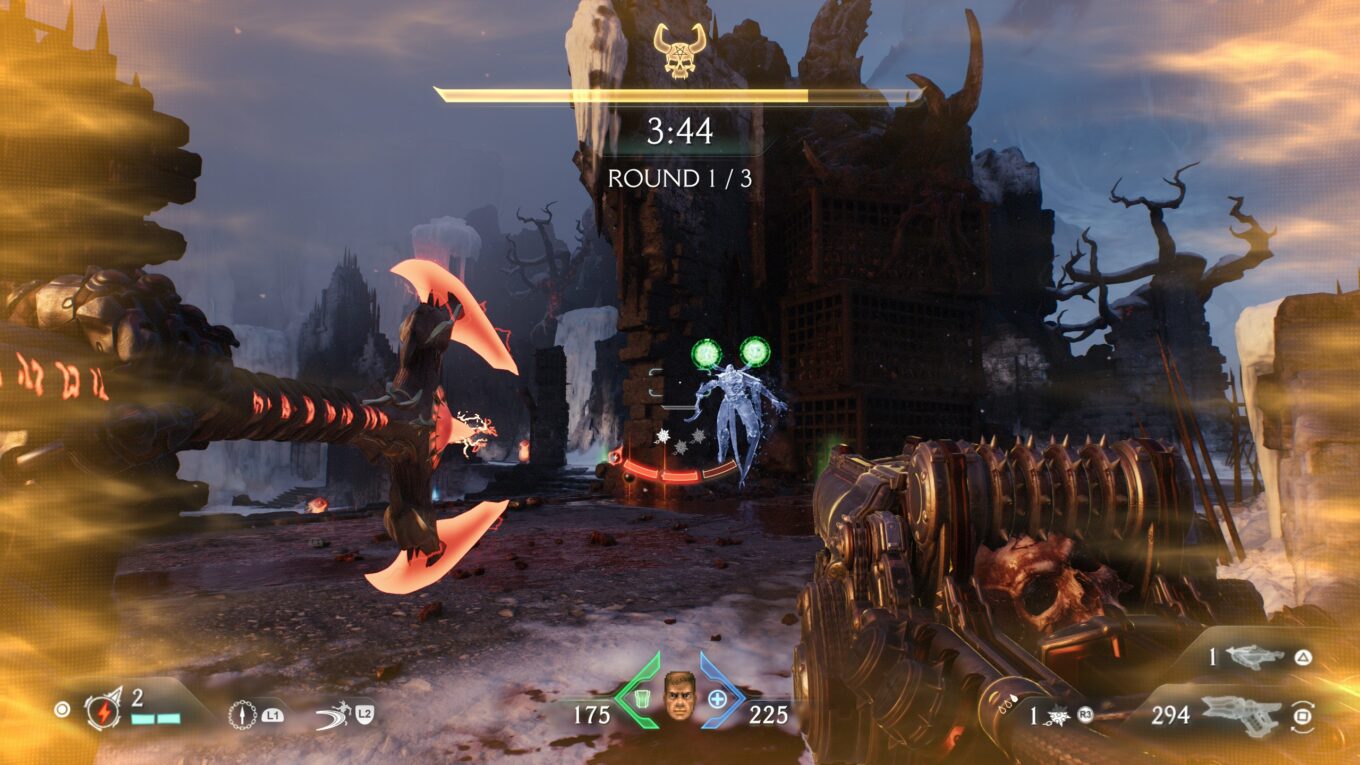
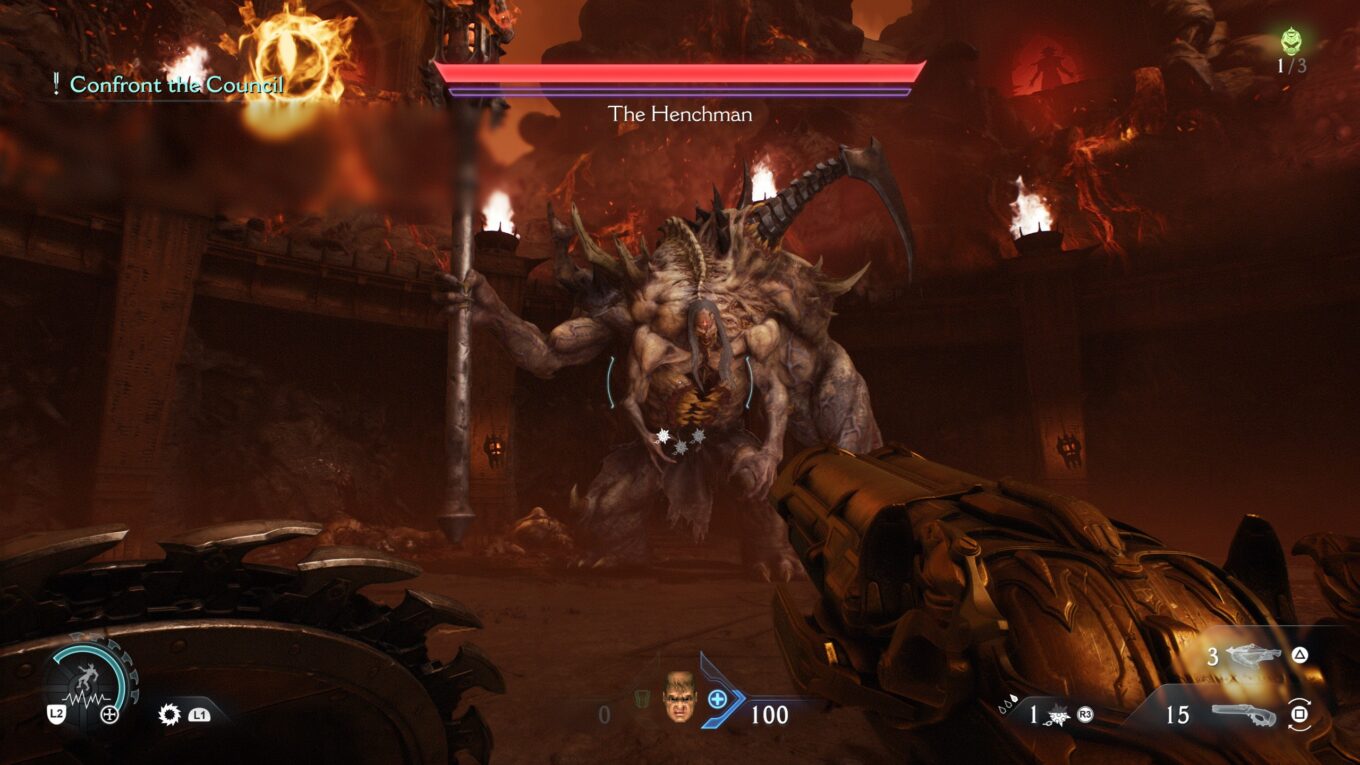
The Dark Ages made my list of favourite silly videogame things with a scene where you punch Cthulhu with a giant mech. I can now add to that list ‘hooking a Pain Elemental with the spear, then aerially circle strafing while spitting a stream of superheated skull chunks from the Pulveriser’. The difference is the Cthulhu fight was effectively a quick time event, the spear’s aerial strafe a freeform combat tool. And that’s Revelations summed up. The shield felt great to use, but it locked you into fixed choreography. The spear lets you freestyle.
It takes some serious getting used to, however. Even the parry – the one ability it shares with the shield – has its own timing peculiarities, which meaning learning new rhythms to deal with Revelations’ demons, old and new. You can grapple, launch yourself, then slam down. You can weave powerful thrusts in between regular melee and gun combos to gib cyberdemons and barons with ease, dodging their attacks with the new dash. And you can launch the spear right into a Pain Elemental’s single eye, or upgrade it to knock an evasive Revenant out of invisibility. There are enough new moves to gradually work into your repertoire here that it’s easy to forget you can even switch guns for a few hours. Revelations asks a lot from you, but god damn is it generous in return.
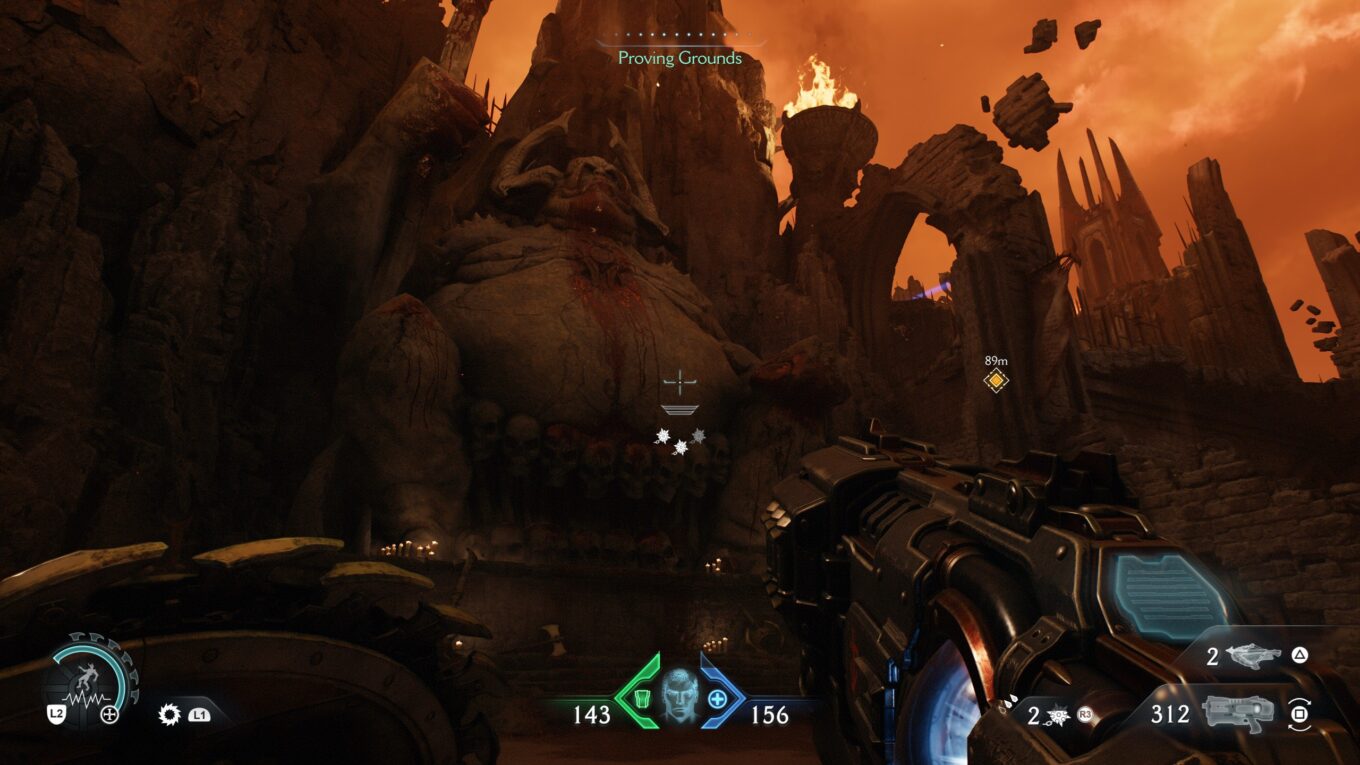
When it does eventually click, the Spear is the glue that binds Eternal’s movement and The Dark Ages’ “stand and fight” design philosophy together. Staying alive in Eternal meant staying mobile. That’s an option here, but the spear’s dodges, parries, and stuns allow you to stay in the thick of it while still having more defensive, offensive, and evasive tools that the shield offered alone. And right around the time you start getting comfortable with the new tricks, you’ll get the shield back, alongside the option to switch on the fly.
It’s a big DLC, maybe 15 hours, but rolling credits barely feels like scratching the surface of how much wider TDA’s combat sandbox now is. Game director Hugo Martin described the feel of the Slayer in Eternal as like piloting a fighter jet, and in The Dark Ages as a “silverback gorilla on a hoverboard with a sledgehammer”. Revelations gives the gorilla a pilot license. He’s still got his sledgehammer.
Revelations takes place across four stages, tied together by a hub area stuffed with its own puzzles and combat encounters. There’s still nothing as relentlessly entertaining as Eternal’s Mars Core in Revelations, but these stages feel so much more kinetic, vibrant, and deliberately paced than those in the base campaign. Combining the spear and the shield has let Id design some great puzzles, and the post-game hunt for pieces of a master key to access classic levels, combat challenges and master arenas mean there’s so much more to find and do in each stage.
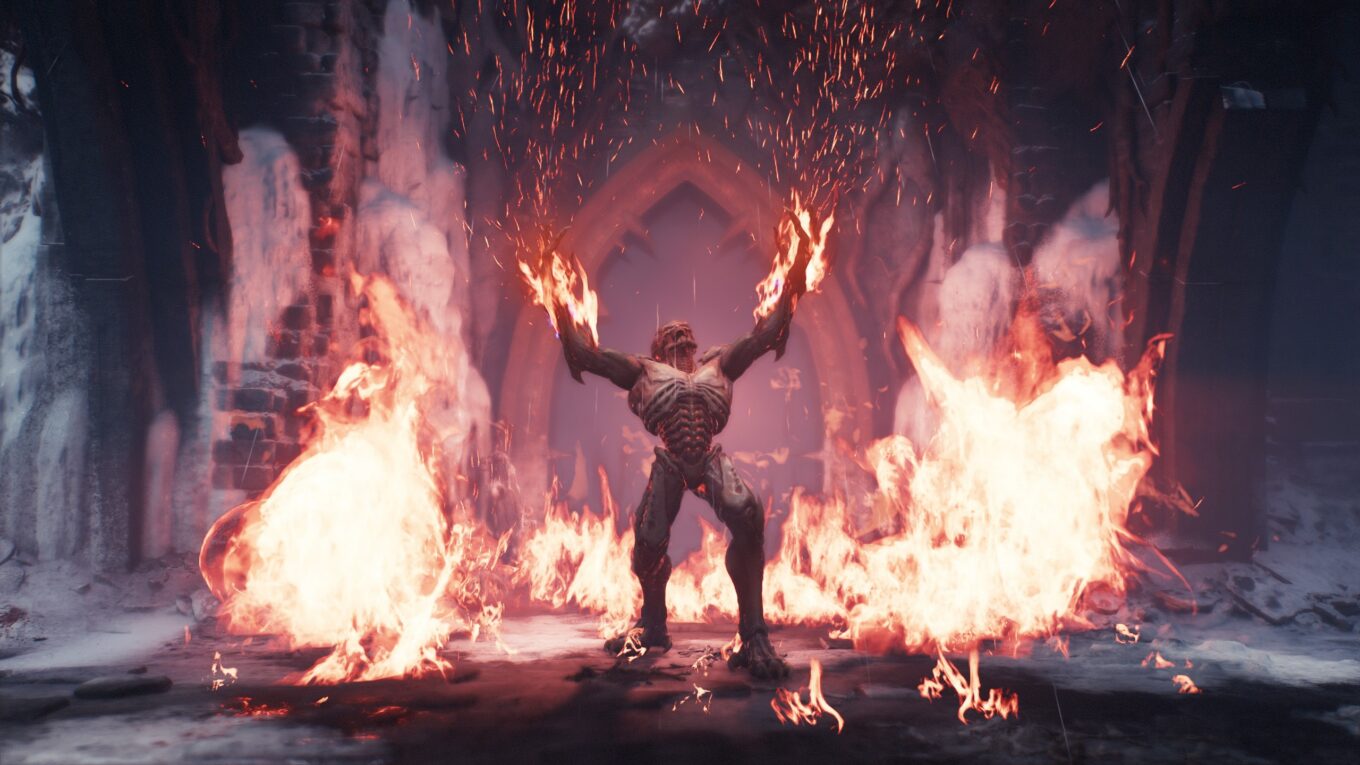
The best sort of expansion uplifts and recontextualises, rather than supercedes, the base offering. So, while it’s technically correct to say Revelations only has two truly new demons alongside six remixes of The Dark Ages’ enemies and a couple of dramatically reimagined foes from Eternal, the Chain Spear offers enough fresh approaches to make every enemy feel new again.
Hated Eternal’s Archvile? No you didn’t. You don’t know what hatred is until you’ve chased this incarnation around a massive arena for two entire minutes while getting mobbed by summons and projectiles. You don’t know what satisfaction is until you’ve worked out exactly how to deal with him, and can now dispatch the bastard quickly while weaving in and out of an arena full of other threats. The Dark Ages’ scariest demons return with scarier variants, hell knights and zombies occasionally decide to nuke themselves, and a few enemies I thought might not be able to deal with this new, more mobile Slayer have fresh tricks. It feels like a return to Eternal’s combat chess; to intoxicating flow states full of lighting-quick decisions, punctuated with brief and brutal moments of reprieve.
If you’d have told me in 2016 that, two games later, I’d watch the Slayer haunted by black and white memories in which the recurring image of a child clutching a stuffed bunny rabbit acts as visual metaphor for trauma, I’d have assumed you were doing a AAA Mario-type bit. I really don’t know what’s left for me to say about The Dark Ages’ storytelling. It’s the one element of modern Doom that’s continually regressed since 2016’s brilliantly cheeky, Robocopian anti-narrative, and now we’ve arrived at “wouldn’t it be cool if Toad had cold war flashbacks and woke up screaming from nightmares of nuclear winter”,
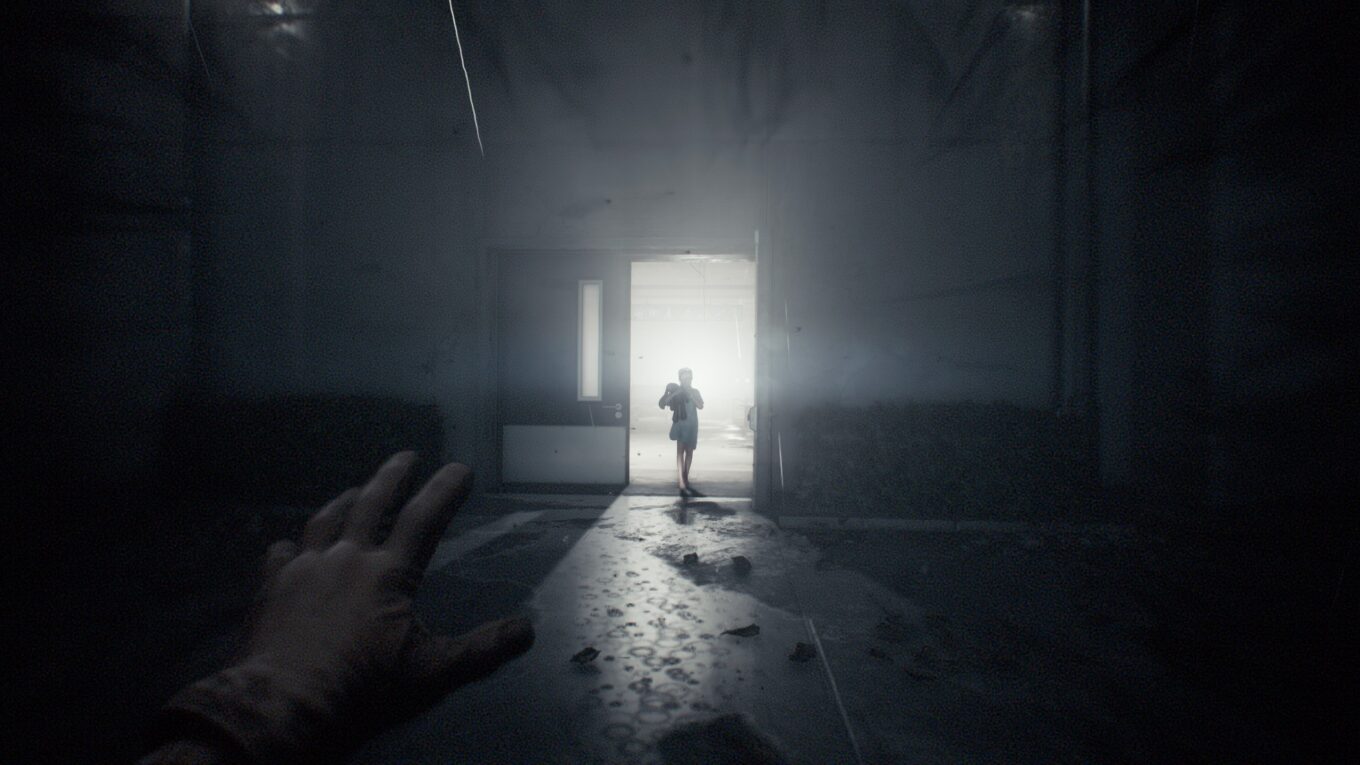
The Dark Ages was, at least, mostly easy to follow. Revelations is nigh-on incomprehensible, written for the five people that read all The Dark Ages’ codex entries and invested themselves in this walking gib dispenser and the friends he makes along the way…and I’m genuinely happy for those five people. I’m happy that Id decided to service its most dedicated fans and leave the rest us scratching our heads and hungrily eyeing the skip button like a freshly baked windowsill pie. It isn’t for me, and that’s fine. I can ignore the codex and skip the cutscenes, and there are so many creative little secrets and wonderful environmental details here besides.
Great art comes from experimentation. It comes from making mistakes, getting in reps, a bit of self flagellation, a bit of hubris, and endless iteration. It comes, ultimately, from a place of uncertainty. We reached a point in games where an overwhelming number of legacy studios are owned by entities that cannot abide uncertainty, only known quantities. Those, you can take to the bank. You can show them off to shareholders in quarterlies and spew empty phrases about ‘franchise potential’. You can profit from creativity while remaining proudly incurious, and keep the people that actually create in a perpetual state of exhaustion and job insecurity, because those things help keep expenses down.
For the last decade, Id have made Doom from a place of willing uncertainty. They’ve defied common wisdom and trends and made their own path, and in doing so have made both fumbles and some of the best and most important shooters of the modern era. This was not enough for Microsoft and Xbox, because Microsoft and Xbox do not care whether they’re in the business of games, or corn, or cigarettes, or paintbrushes, or selling tech to the Israeli military, or silkworm farming. They are, like so many that own great swathes of culture, in the business of infinite growth, and great art is wholly irrelevant.
Revelations is fucking great art.