
As saturated as the roguelite genre is, there has been a commendable effort from developers to continue iterating on the concept. The likes of The Binding of Isaac and Enter the Gungeon mixed in bullet-hell elements. Hades and Returnal toyed with storytelling, with each new run unlocking new pieces of information about the characters and the world around you. More recently, Balatro and Clover Pit have seized the “one more run” spirit into engulfing, overly sensorial experiences that draw inspiration from games often found in gambling, taken to absurd extremes. In the latter group, there’s a strong, common theme: numbers must go up.
I’d classify Kaz as part of that third group, despite its gameplay being totally different. Developed by Kalinarm and published by Hakuro, Kaz is introduced as an action roguelike arcade game. Arcade is apt – using your arrow or WASD keys, you must move a character through different grids, taking down enemies to gain the necessary points to move to the next round. Enemies are generally static and don’t exactly fight back. Some will try to run away, and others have a shield. For the most part, however, Kaz is about how fast you can be with your fingers and reflexes, as a timer is always ticking down, and being smart about the choices you make.
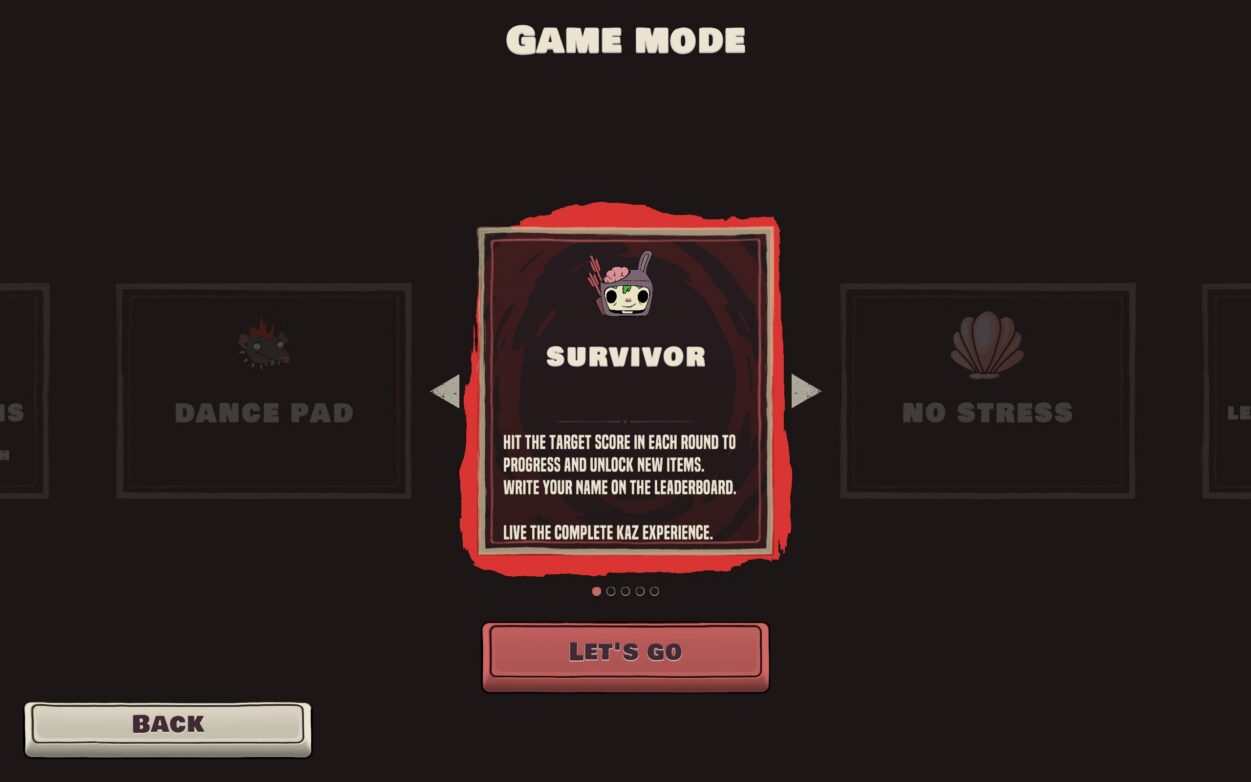
And boy, are there choices. From the get-go, Kaz offers multiple modes. Survivor is the standard, tasking you with hitting the target score each round to progress. If you’re successful, you’ll be offered a pick between an assortment of items. Then, No Stress offers a zen-like experience where time only passes when you move. Legends of the Week is your typical weekly challenge, where everybody who plays it is part of the same scoreboard and has access to the same items. There’s also a monthly challenge, which in this case was called Too Many Items, making it so you can pick three items each round as opposed to the usual single pick. And if these aren’t enough, you can also play Kaz using a dance pad, like the ones for Dance Dance Revolution, or mimic the feeling of an arcade machine with a mode that creates a local leaderboard where players take turns and enter a three-letter nickname at the end of each run.
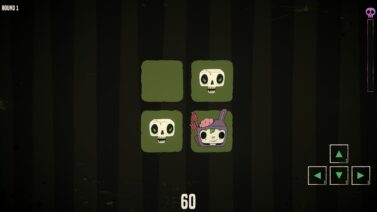
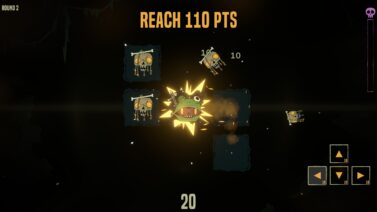
Oh, and you must also choose your weapon, as well as a theme. Weapons could be considered an extra passive ability – they act as special attacks triggered after performing a certain action X amount of times. Themes are a different beast, and possibly my favorite aspect of Kaz. In essence, each theme has its own power-up, such as triggering explosions, starting each round with a boost to your combo meter, or allowing you to jump across empty gaps between tiles. Moreover, as the name implies, each theme radically changes the design of the characters, the color palette of the entire UI, and sometimes even the music. There are more than 25 themes, and you unlock these by earning in-game currency for completing quests. It all feeds into the game seamlessly, and themes are a distinct freshness to each run that is sorely needed after a couple of hours.
The thing with Kaz is that, while there’s definitely no shortage of mechanics and choices at your disposal, its magic doesn’t last for long. The first few runs I did ended quite promptly, as I was unable to reach the target score past a handful of runs. As it’s common practice in the genre, each time you beat a run, you unlock new items that are added to the pool for subsequent playthroughs. This helps to keep things moving, and to the developers’ credit, some are quite inventive, either adding completely new mechanics to consider or fitting into a specific playstyle.
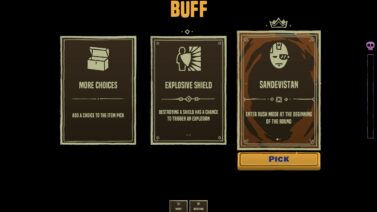
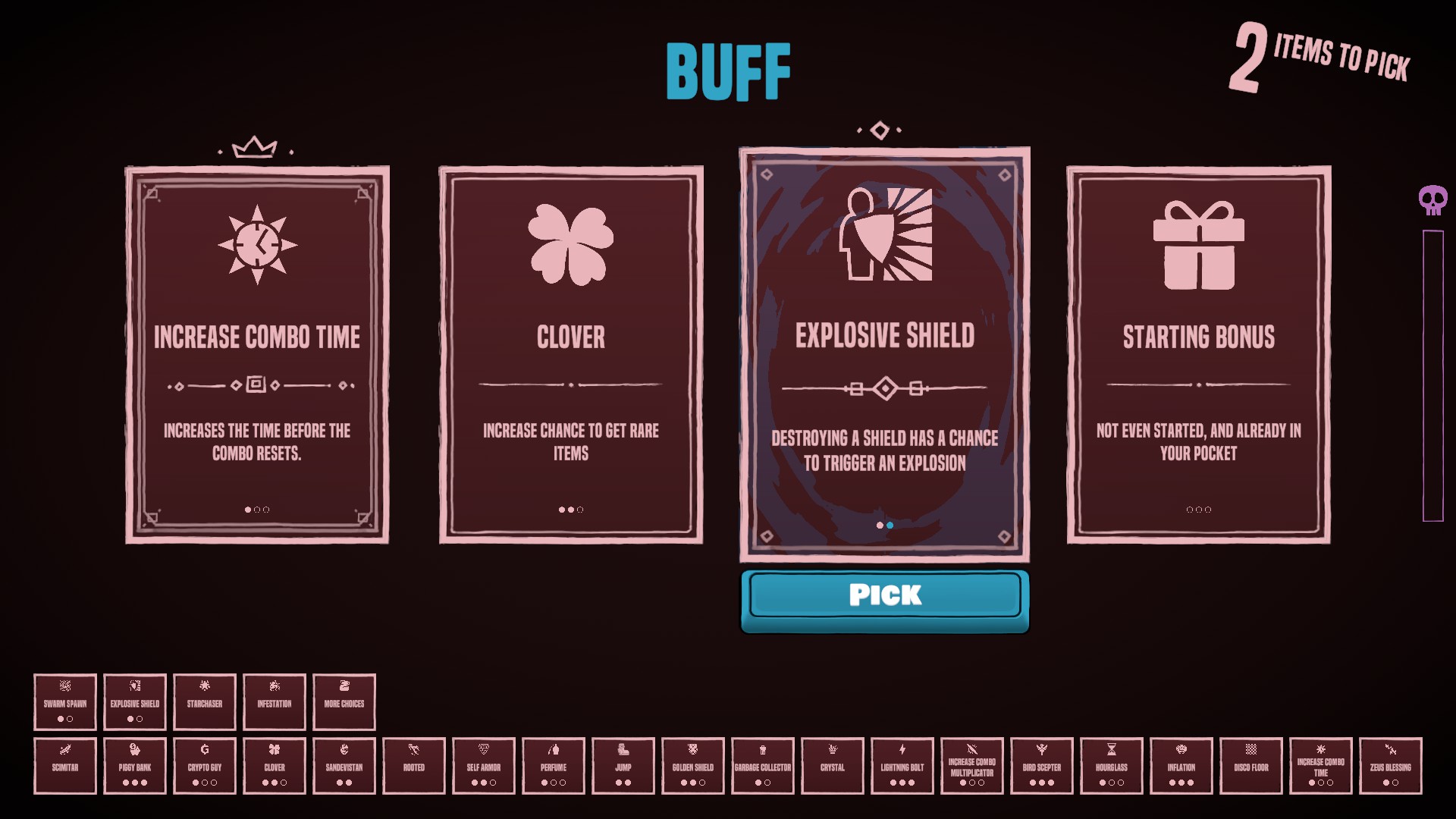
There were runs in which I forced enemies to spawn faster, in larger quantities, and closer to me, reducing the time it took me to travel around to get as many points as I could quickly and efficiently. In others, I made sure to maximize the amount of points I’d be getting for each enemy, making use of abilities like Inflation and Crypto Guy, the latter of which grants you more points until you hit a wall. One of my favorites was Sandevistan, a clear Cyberpunk 2077 reference, with which you enter rush mode at the beginning of a round. It’s not too effective in the beginning, but as a run progresses and there are more tiles to traverse through, you can literally spam the directional keys to take down multiple enemies at once so fast that you will not know exactly what happened or how. And of course, the game adds some resistance to your keymashing in the form of curses. Sometimes, instead of enemies, you’ll have traps appearing all of a sudden. If you’re caught by them, you’ll get an added percentage to your curse meter. Once it is filled, the next time you finish a round and you have to pick items, you’ll have to choose a debuff instead. It’s a smart way of trying to offer some hostility, in lieu of enemies attacking you, but I wish it weren’t the only main obstacle.
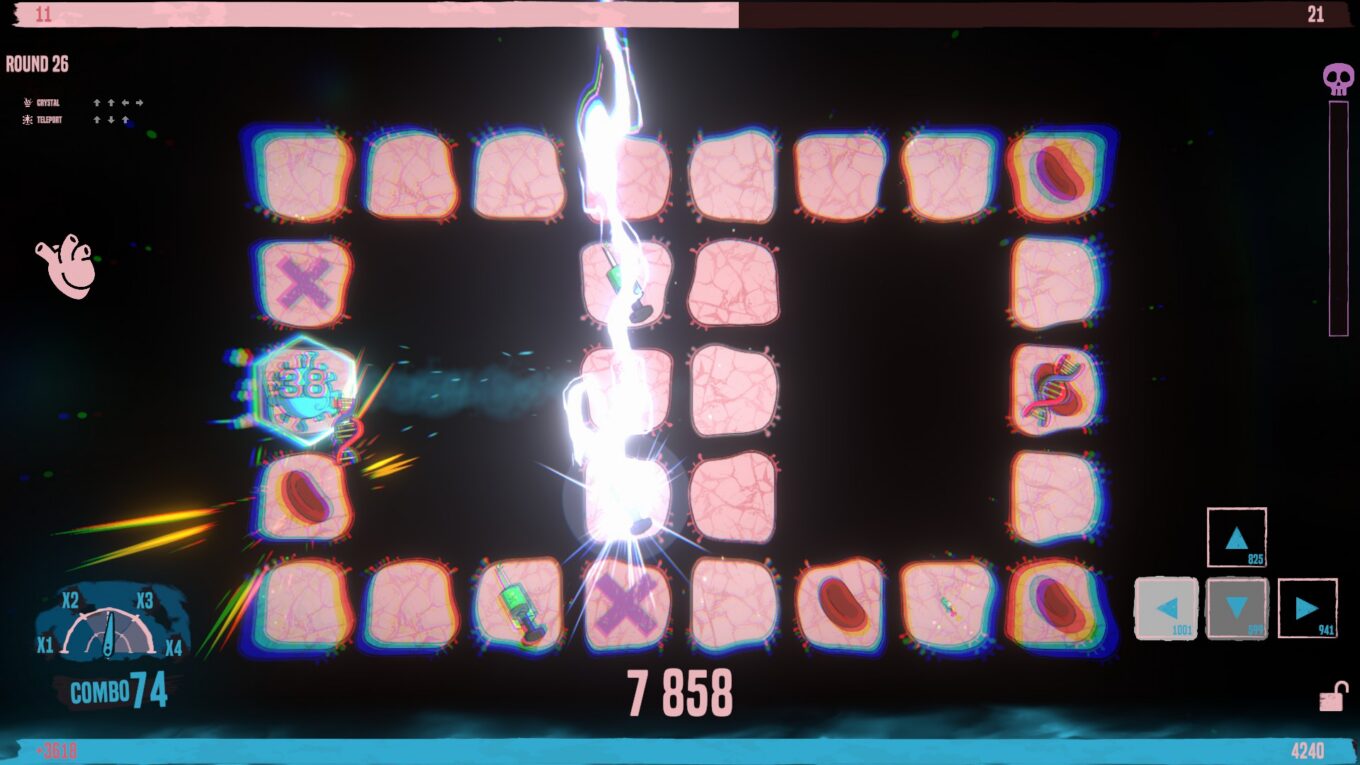
Yet again, it took me a while to reach that point. For a while, especially as I continuously unlocked more themes due to how many quests I was tackling in each run, Kaz was truly engulfing. It’s very easy to continue going for another round, and getting a good string of abilities feels sensational. I particularly liked unlocking new spells, which are items that force you to perform a certain movement pattern to activate them, and add a much needed layer of complexity to the game without being particularly intrusive. At the beating heart of the experience, however, is the pace and the audiovisual effects. You’re encouraged to type stupidly fast, and if you pick the right items, you won’t even have to worry about getting curses that much, because you’ll be either reducing it with items you’ve accrued or simply choosing to take the penalty because a run is simply going too well. That was the case for me in one instance playing the monthly challenge. I gathered dozens upon dozens of items with all of their upgrades, and I was just blazing through the grid, making it to round 37. By the end, my fingers hurt, my eyes were wide open, and I felt as if I had just drank two shots of espresso.
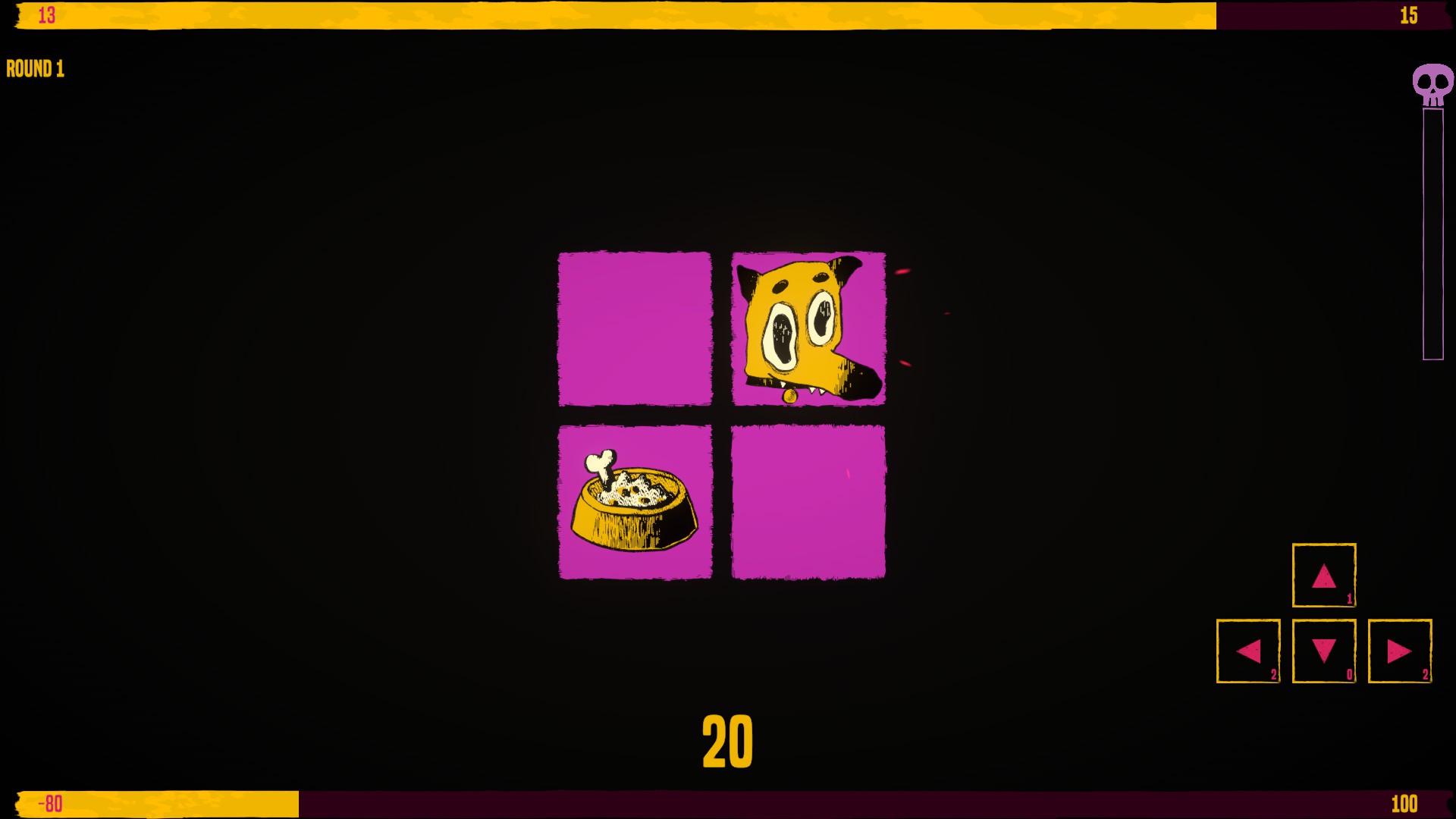
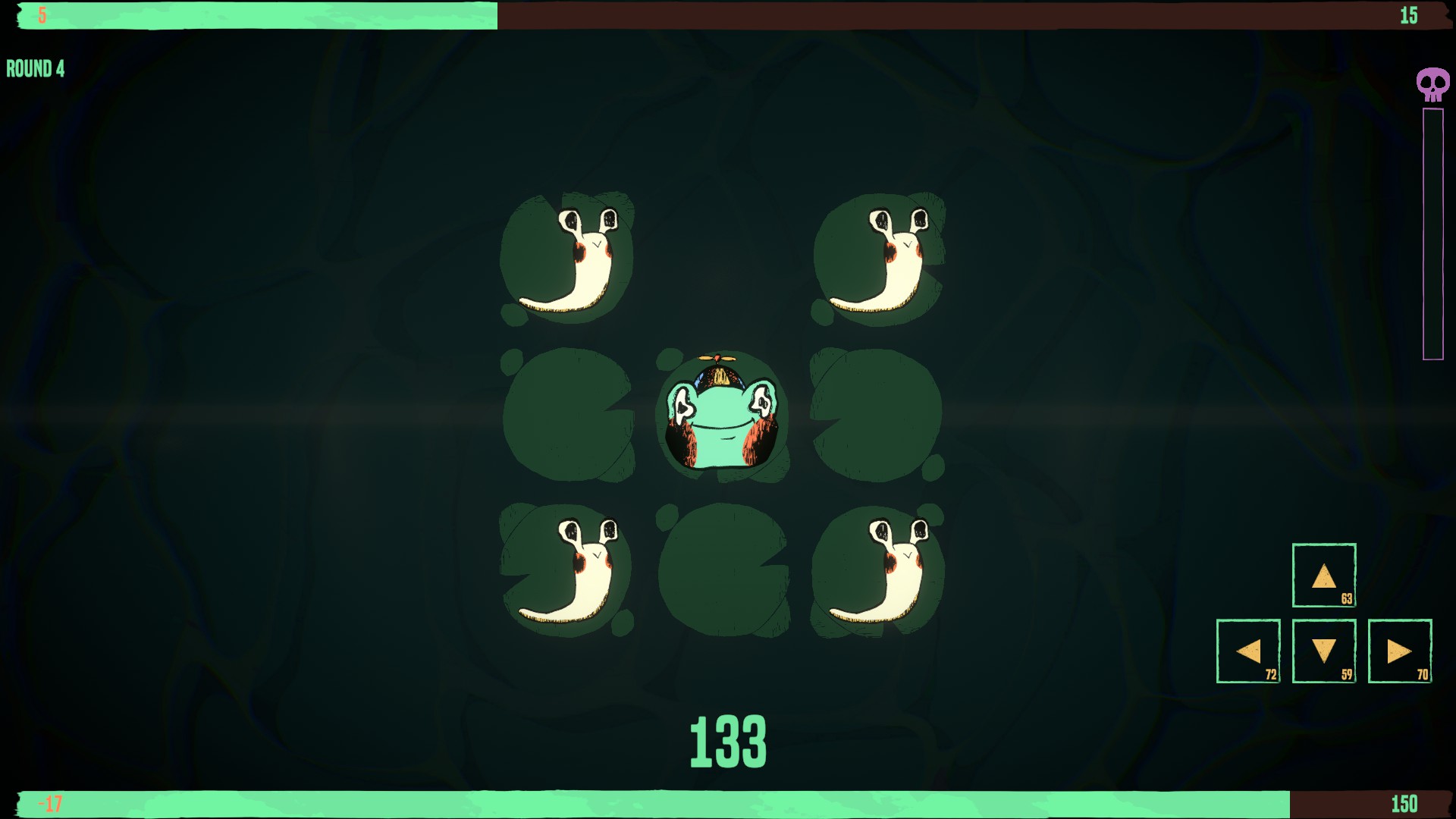
Kaz is an excellent game that I can’t really play for more than an hour at a time, as it can be extremely overstimulating. But that’s okay. It seems specifically engineered to occupy your lunch break, and make you a bit late to clock back in. While its main mechanic is both simple and effective, and the layers added upon are, for a while, enough to keep the loop varied and interesting, once you’ve tried a couple of different themes, you will have already seen most of what’s in offer. Obviously, chasing quest completion and unlocking more themes prolongs the game’s longevity. But even if, like me, you feel both exhausted and satisfied with the game after playing it for a couple of days, once you stop playing, you’ll realize that the rush and excitement the game evokes is one that is hard to find in the genre, despite other titles attempting similar results.