
Antarctica, 1939. You and your spheniscine kin are no longer the only inhabitants of this bleak tundra. The Nazis, too, are here, hoping to awaken an eldritch being to aid the war; even the most inhospitable continent on the planet cannot escape colonisation. You cannot stop the invaders nor affect the plot of the game at all, but in true Raiders of the Lost Ark fashion, you can follow their ill-fated attempts to locate and invoke this powerful evil.
Instead of a behatted archaeologist, Penguin Colony puts you in the webbed feet of an entire colony of penguins. The clue’s in the name, really. While you could feasibly complete this waddling simulator with just one pair of flippers, your best chance of catching up with the Nazis’ diabolical plot is by shifting, Driver: San Francisco-style, between feathered bodies as you navigate the barren ice and complex underground structures of your natural habitat.
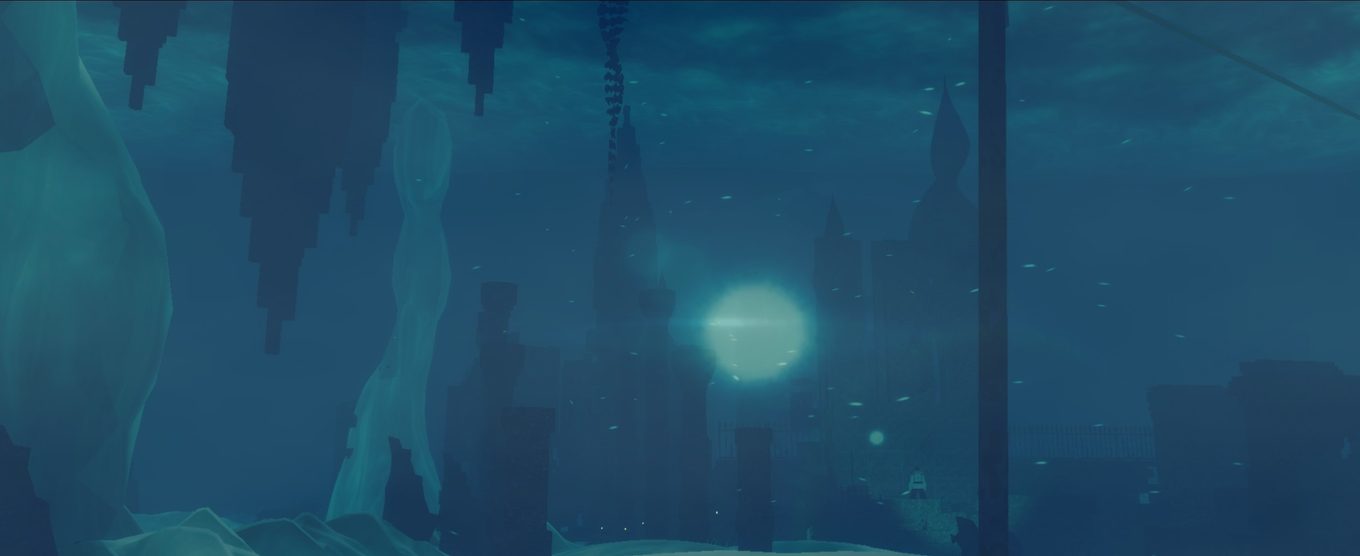
Things start fairly peacefully as you investigate a flare that lights the night sky. You waddle at first, before sliding down huge ice dunes, conserving momentum as you edge closer to the beginning of this mystery.
Then you come across the Nazi camp.
A man grates his face with a large knife, the jagged polygons of the PS1-era character models letting your imagination do the grisly work. Numerous tents are ablaze, dead bodies litter the red snow. Lenval Brown’s dulcet narration hits like an armoured convoy as he explains in journal-style interludes what misfortune has befallen the Nazi explorers. His voice seems to echo off the white cliffs, more reminiscent of El Paso, Elsewhere than Disco Elysium. The peace of the snowy continent has been shattered, and will not recover for the game’s duration.
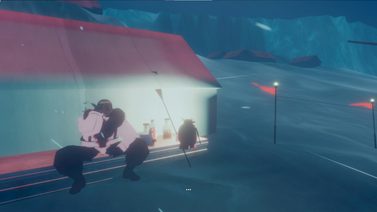
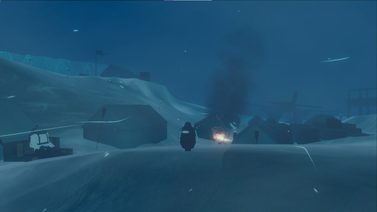
Penguin Colony wears its inspirations on its sleeve as proudly as its antagonists display their swastika-emblazoned armbands. Most prominent are the works of H.P. Lovecraft cited in the opening credits, but the title drop is an homage to John Carpenter’s The Thing, of which the snowy horror tale is often reminiscent. The gameplay softens the confusing navigation of Siren (known as Forbidden Siren in the West) with the wind-based hints of Ghost of Tsushima—a large stamina wheel is the only HUD, and the game could have done without even that.
Following the wind is your best bet for navigating both the bleak landscapes and the complex, ancient ruins. There is no map—you’re a penguin, after all—and your routes are nebulous and ever-shifting. Fluttering flags planted by the explorers who have gone before you act as yellow paint if you need a helping hand, but exploring is still something of a crapshoot as you waddle blindly through the environments.
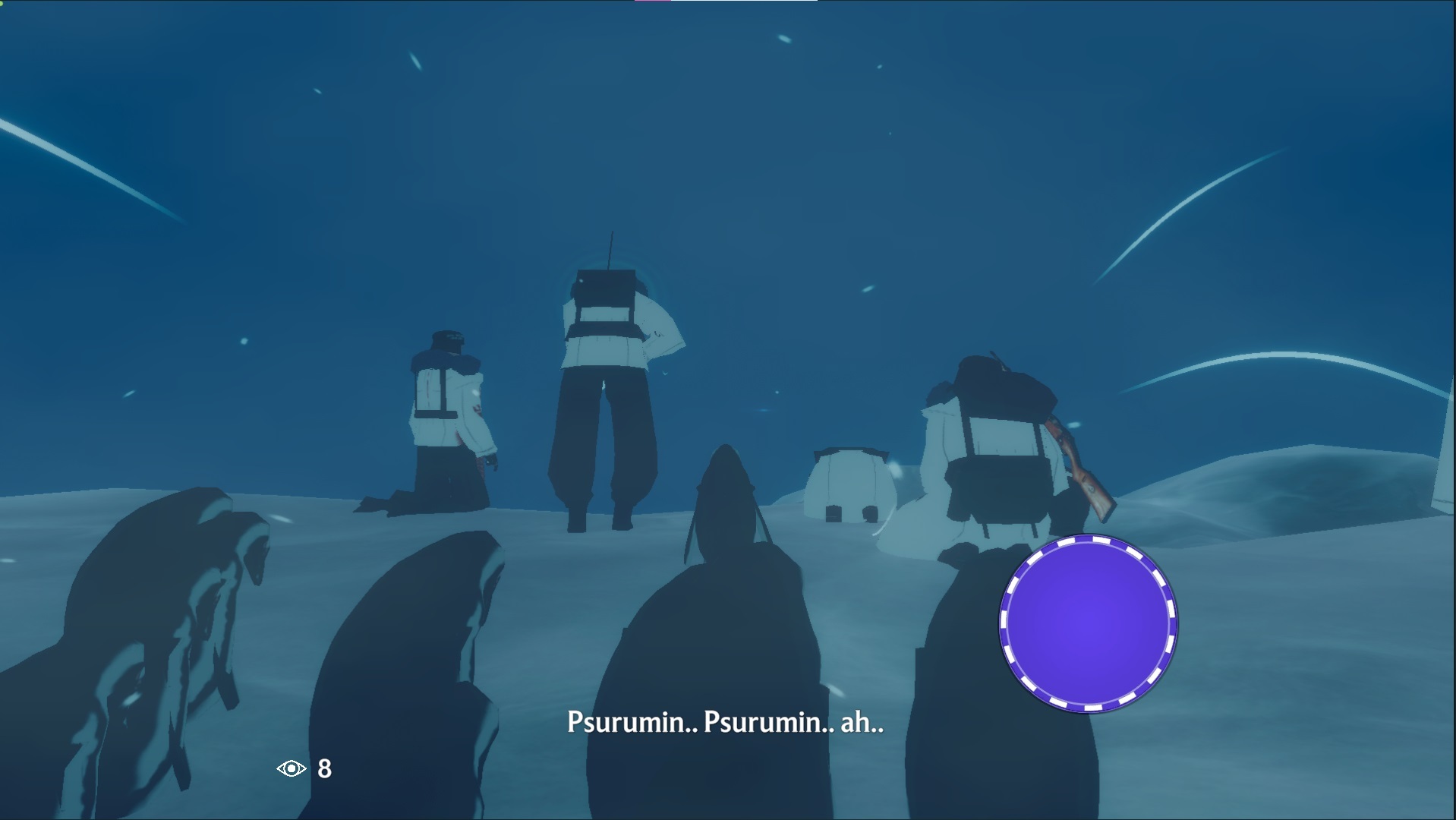
The confusion is the point, but it is particularly frictious in a game specifically about exploring. With no other way to interact with the game’s narrative, sometimes this sense of disorientation can feel overwhelming. However, it’s always at this exact point of wanting to put the controller down and step away from the PC that you stumble upon the correct route, the next dropped photograph or blast of narration to progress the narrative as you find a new ruin or uncover a new goal. Whether this is clever design or pure coincidence is unclear, but each new area brings an invigorating sense of discovery, the feeling of a beaked explorer slowly coming to the realisation that you are not alone in this tundra.
The best part of exploring the Antarctic comes through the colony mechanic. You don’t just play as a single penguin, you play as the entire colony. In a direct contradiction to the Nazi propaganda of an untermensch, you embody the collaboration of many penguin species. Each has its role to play, none more powerful or useful than any other. The Rockhopper, for instance, can jump higher and further than others, useful for bridging large gaps or bouncing through labyrinthine ruins. Larger penguins like the Emperor can trigger weight platforms to unlock hidden staircases. In a clever mechanical refutation of Nazi ideology, you cannot progress without freely switching between the eight different species as the game’s puzzles require.
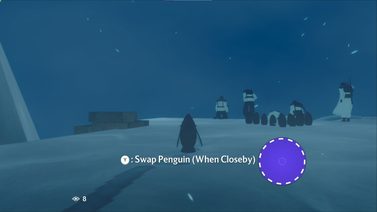
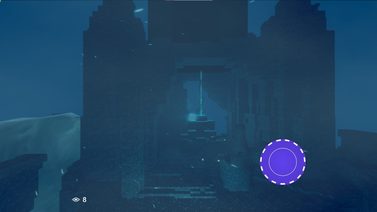
The one exception to this may be baby penguins. While not a species themselves, they are undoubtedly cuter than any other (and thus it is exponentially more heartbreaking when you accidentally slide into a crevasse or get eaten by an eldritch beast when playing as one), but they can also fit through smaller gaps than any adult. This is useful for some specific tunnels, but also because the imprecise platforming can softlock you if you’re not too careful—but a baby may be able to escape a buggy situation where an adult cannot. Children, truly, are the best of us.
Occasionally, the slip-and-sliding penguin gameplay is interrupted by short sections where you play as a group of Māori also intent on finding the frozen deity. However, instead of wanting to embrace and control the creature’s maddening power, they want to ensure it sleeps for another century.
These sections offer no more agency than those of the penguins, but they do offer an alternate perspective. The open world is reduced to limited pathways, and traversal is achingly slow. It’s a stark contrast to the penguin-led sections; navigation is simple, but the simplest acts of movement are punishing. This isn’t their natural environment, but one they must endure for the greater good. It’s impressive how many stories this game can tell with its mechanics alone.
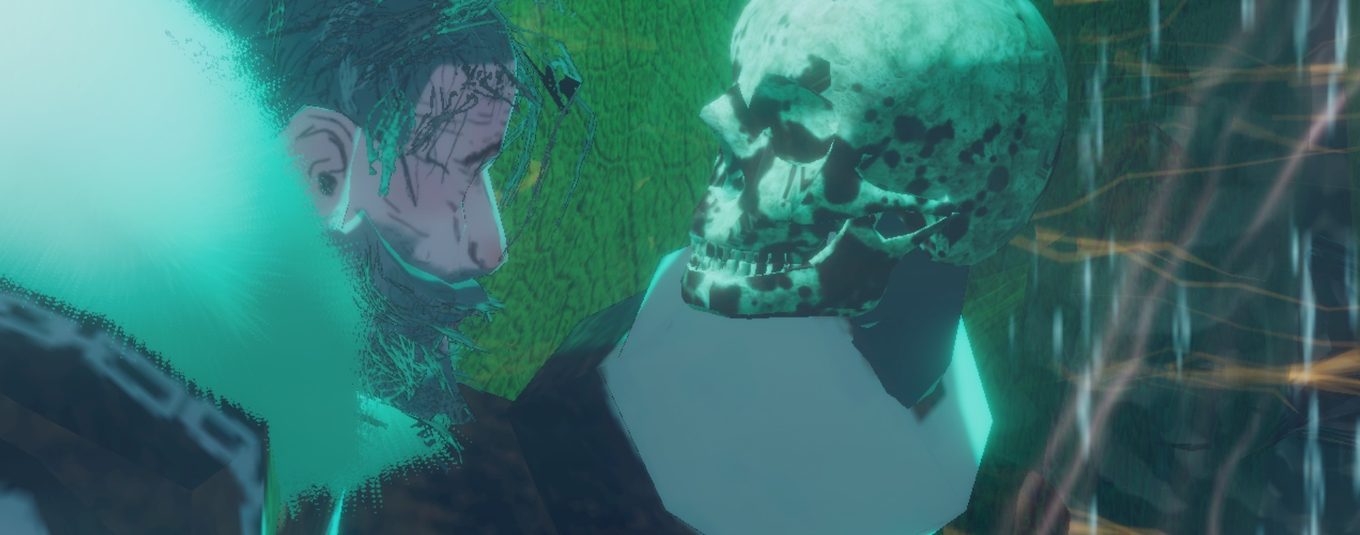
Penguin Colony’s narrative culminates in an ethereal temple of intricate design, both environmentally and narratively. But the entire game is an exercise in how you can make loud, powerful statements without any words at all. The penguin protagonists can squawk, sure, but they cannot verbalise any opposition to the Nazi propaganda spouted by our narrator, sympathetic to their cause and perpetually on the verge of madness or epiphany or both.
Despite its lack of voice, Penguin Colony has a lot to say. Its tale of hubris is told through the antagonist’s narration, while your silent penguins disprove every point the Nazis try to make. You are stronger together, embodying the spirit of interspecies collaboration while the Nazis try to denigrate and eliminate whole sections of their own.
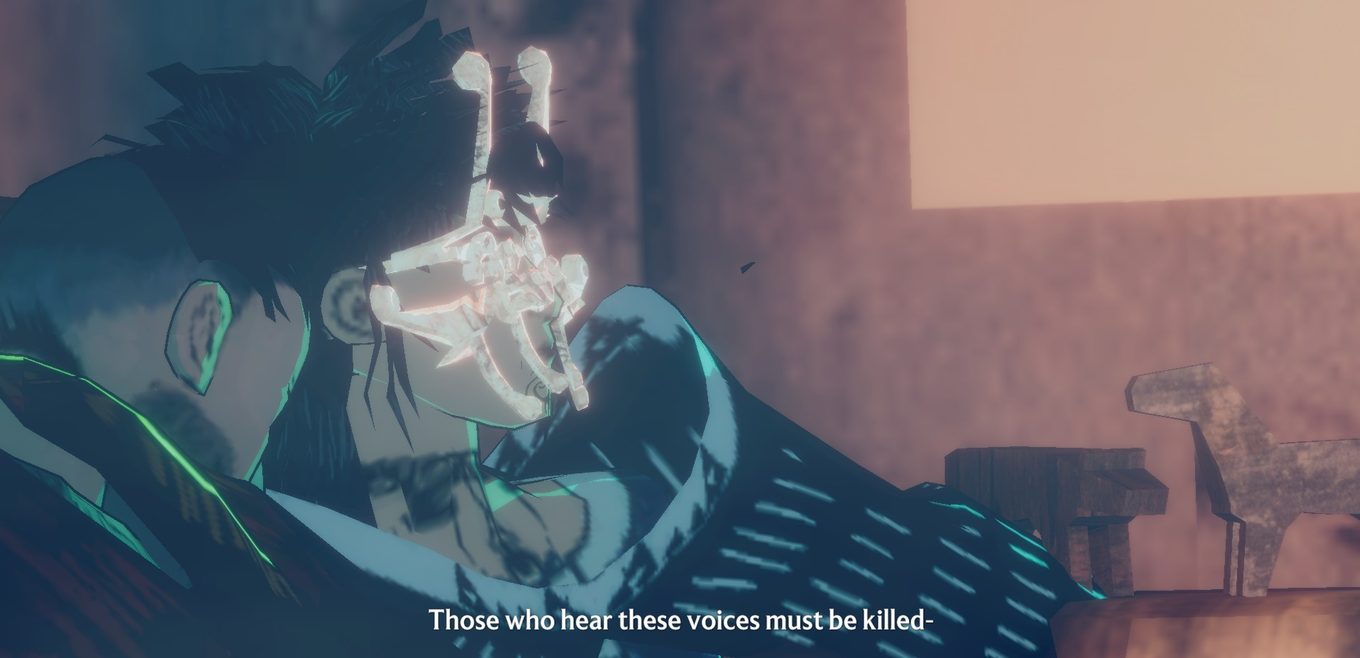
The juxtaposition of these opposing views is mirrored in the game’s mechanics. Sliding around the ice in inherently whimsical, building momentum and zipping over the ridges of this inhospitable environment paints the fixed camera angles of narrated cutscenes in an unwelcome light. Colour, too, is used cleverly, your screen filled with the blues and whites of the Antarctic landscape, black and white penguins looking at one with their natural habitat. A shock of yellow may denote a Rockhopper or Emperor, but the ethereal, luminescent green that denotes an otherworldly presence feels exactly that: other, alien, out of place. Even the scene transitions, a burning white, seem to represent the glare of the endless snow.
Penguin Colony is perhaps at its most clever, however, when considered in relation to its Lovecraftian origins. While staying true to the story of At the Mountains of Madness, it flips the infamously racist author’s views of the ‘other’ on their head. While this story is not as explicit in its themes as Lovecraft’s early work, the analogies of the Shoggoth slave class and focus on biological determinism run parallel to his racial prejudices.
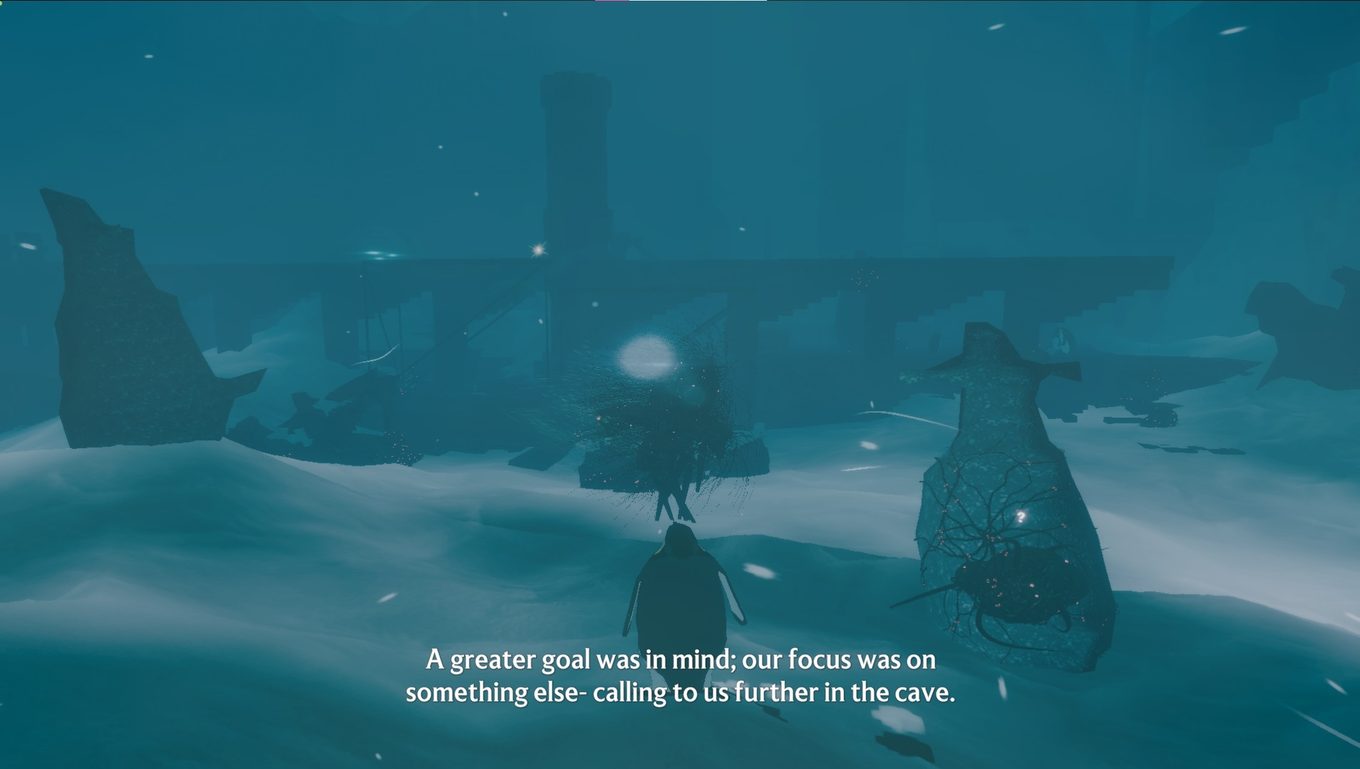
Changing the colonising explorers to Nazi explorers is the least subtle way of twisting perceptions of the story, reframing the original tale’s accidental critique of imperialism from subtext to an overt theme. The addition of an indigenous narrative further explores this reading of the original text. It is clear that the developers care deeply about Lovecraft’s original story to retell it with such clarity, matching some narrative beats while eschewing the author’s intentions the next. Most impressive, however, is the ability to tell a story of this depth without your protagonist emitting more than a perfunctory squawk.