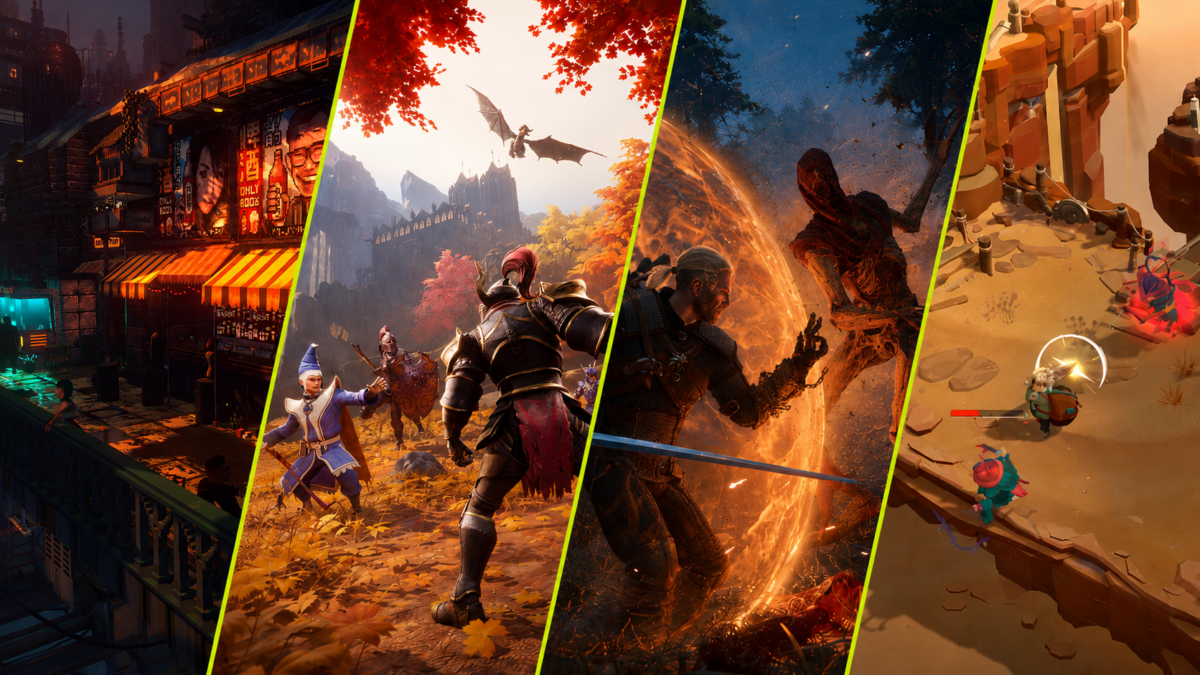
The Blood of Dawnwalker casts you as Coen, a vampire who can walk in the warmth of the sun. By night, his eyes glow, his powers awaken, and he develops a taste for the red stuff. It’s a dark gift he didn’t ask for, bestowed upon him by a clan of vampires led by Brencis, an ancient blood sucker who’s persisted through time right up to this moment: the year 1347 in a valley carved into the Carpathian mountains.
After seeing the Black Death grip the lands and its lord abuse the subjects of Vale Sangora, Brencis swept in and usurped, killing and enslaving the nobility and creating the Blood Pact, which mandates that each citizen attends a dark mass every Sunday to extract their blood. In exchange, they drink vampire juice and are cured of their ailments.
For some, Brencis is a parasitic saviour – unlike their former lord, at least the vampires are honest about draining you. Others want to take back their freedoms and restore their churches, which have been defiled and tainted by this dark pact. It’s this unrest that sees Coen turned – a process that doesn’t quite go as planned, leaving him in this purgatory between monster and man – and his family captured. You have 30 days and 30 nights to rescue them, which sounds way more intimidating than it actually is, don’t be scared.
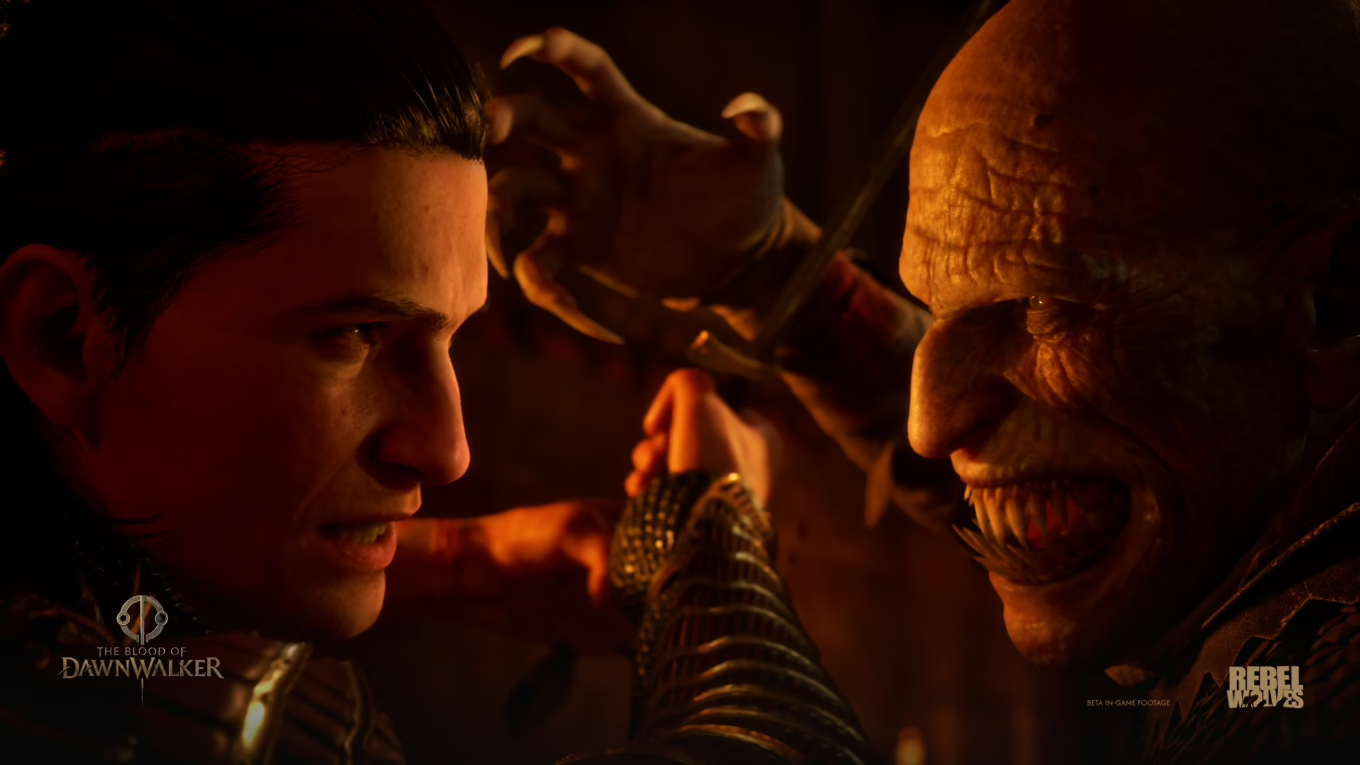
Time doesn’t flow constantly. Instead major actions cost pips of time, and there are eight pips per day and eight per night. Just exploring, fighting, trading, and talking to people doesn’t move time forward, but anything that has an impact on your quest to take down Brencis and save your family does, whether that’s taking on a major quest or disrupting the vampires’ operations in one of the many open-world activities scattered around the map.
The tutorial sells this brilliantly, while also cementing the stakes and giving you a chance to get to know the family you’re here to save. You’re tasked with getting some medicine for your mother, whose mind is fractured by the horrors she’s seen. But there are various other quests and distractions dotted about, and the things you do here all play a part in the upcoming Blood Mass at the end of the day. There’s no way you can do it all, and everything has some kind of impact on how the inciting story moment plays out.
Unfortunately, like Coen, Dawnwalker doesn’t fully commit to this side of its personality. Once the training wheels are off, you can comfortably do every quest and a smattering of open world stuff and still have time to spare before your family is doomed. It feels a bit like developer Rebel Wolves – a team of former Witcher 3 devs – were worried that players would be put off and scaled it back. The worst part is, they were probably right – the game’s only been out a few days and there are already mods to strip out the time limits completely.
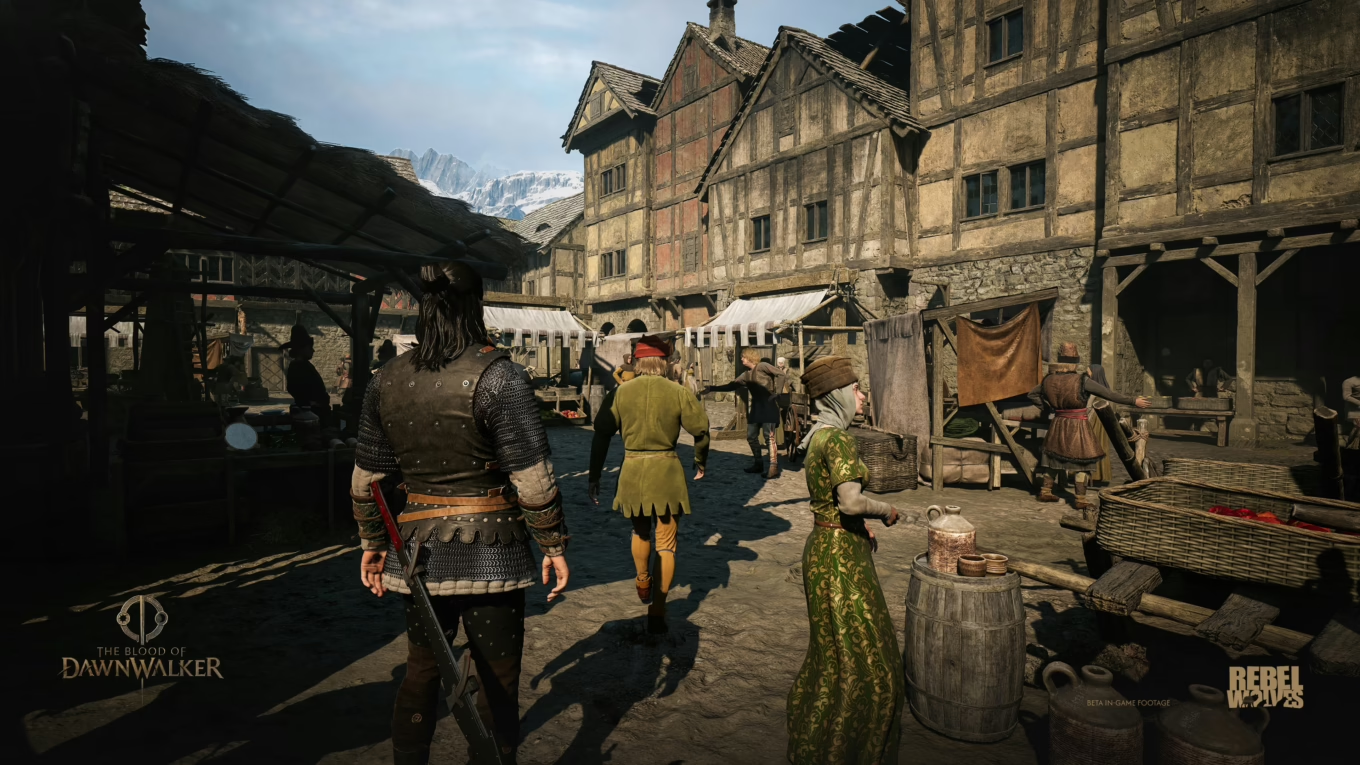
It’s a shame because it’s a cool and unique conceit that forces you to play a certain way. As long as the illusion holds, you’re not just taking into account what you want to do, but also what will save you time. That’s interesting! It completely alters how you approach things and means your main quest to save your family is always in the back of your mind. It could have been a good way to encourage replays to see how differently things play out if you approach the main quest from a different angle, gathering different allies, but you can easily just create a save before the final showdown and do them all if you don’t prioritise open-world activities.
Despite that, it’s still surprisingly malleable because of how it’s put together. Whether you tackle a quest at night or during the day has an impact on how things play out, not only because of how people see you but because of the powers you have access to. As a vampire, you can teleport and scale walls, allowing you to reach new areas. In the day, you can use sorcery and speak to the dead to gather more information. But people also react differently to you depending on the form you take. And because you can tackle things when you want, the order in which you complete quests and meet characters also impacts how things play out. Every single person can also be killed, and not always on purpose. If you leave it too long between feeds, conversation options twist and morph, changing to force you to give into the hunger and kill the person you’re speaking to. To stave this off, you can sustain yourself on rats and other creatures, or find yourself a non-important NPC with no witnesses around them.
Dawnwalker is essentially all main quests. Every single side quest serves a purpose, either getting you close to Brencis (who, by the way, you could just attack on day one by storming the castle) or his lieutenants, or increasing your power for the final showdown. Even quests that don’t do these things are used to flesh out the relationship between you and your family members, making the story hit harder when it gets to the final showdown.
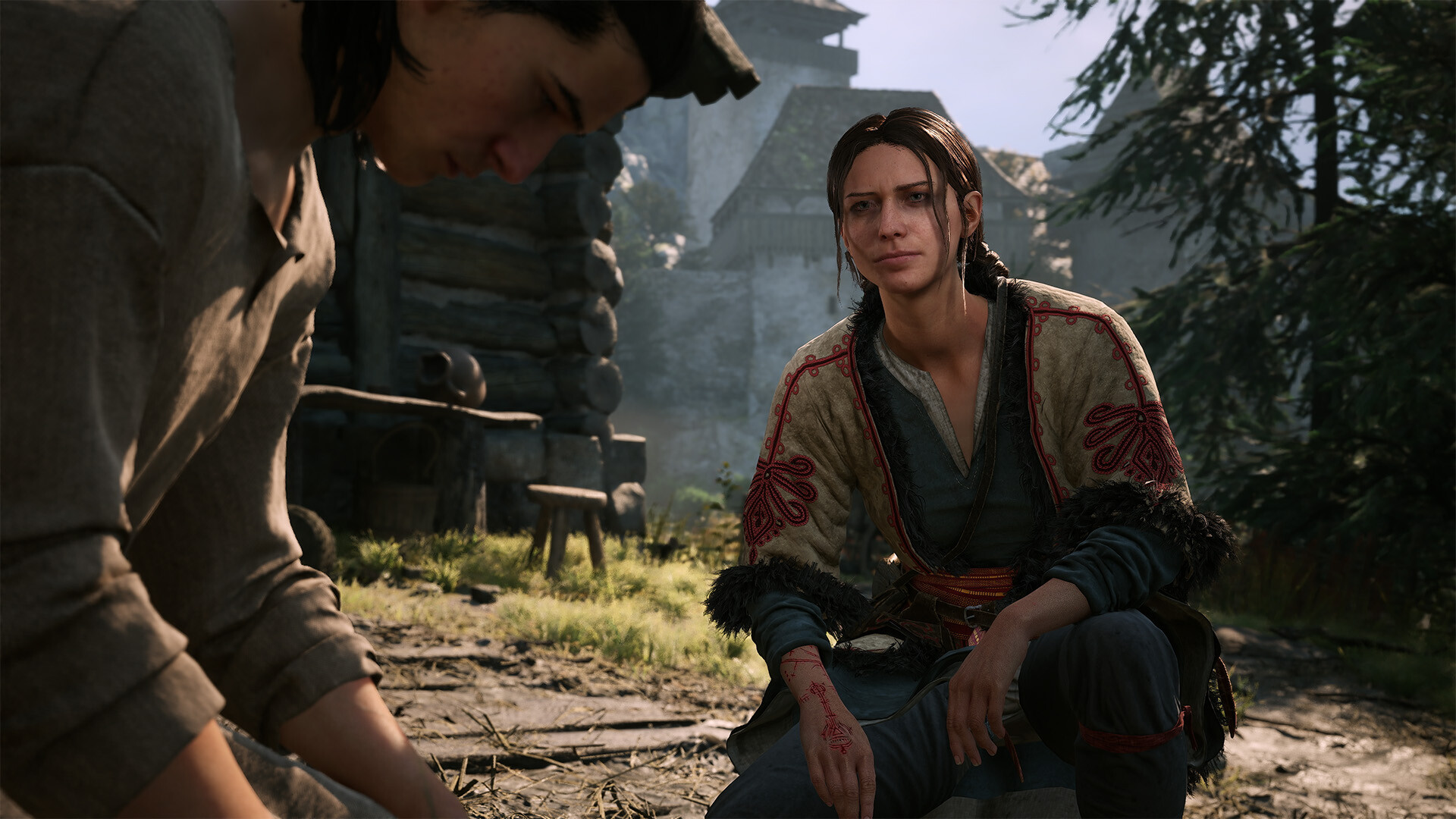
It’s an absolute masterclass in having a strong core theme and hammering away at it from as many angles as possible. Family and responsibility take center stage, while the corrupting nature of power hums along in the background, and these themes are poked, prodded, examined and reexamined until Coen’s personal revelation toward the end of the game drains you dry. Coen actor Will de Renzy-Martin carries a lot of this on his back, but he’s helped along by an excellent supporting cast of complex and human characters. One of Rebel Wolves’ best decisions was setting Dawnwalker in our own world and putting a fantasy twist on things. Sure, there are goat men in the mountains and vampires stalking the streets, but it’s grounded in our own history, with real religions, real societal issues and dilemmas you can directly relate to.
Dawnwalker feels like this team’s Mass Effect. Rebel Wolves has established the world and the lore, the game teases an overarching story (it even ends on a CGI cutscene showing a potential future for the series) and laid the groundwork for an incredible sequel that improves on its shortcomings. Not that there are many.
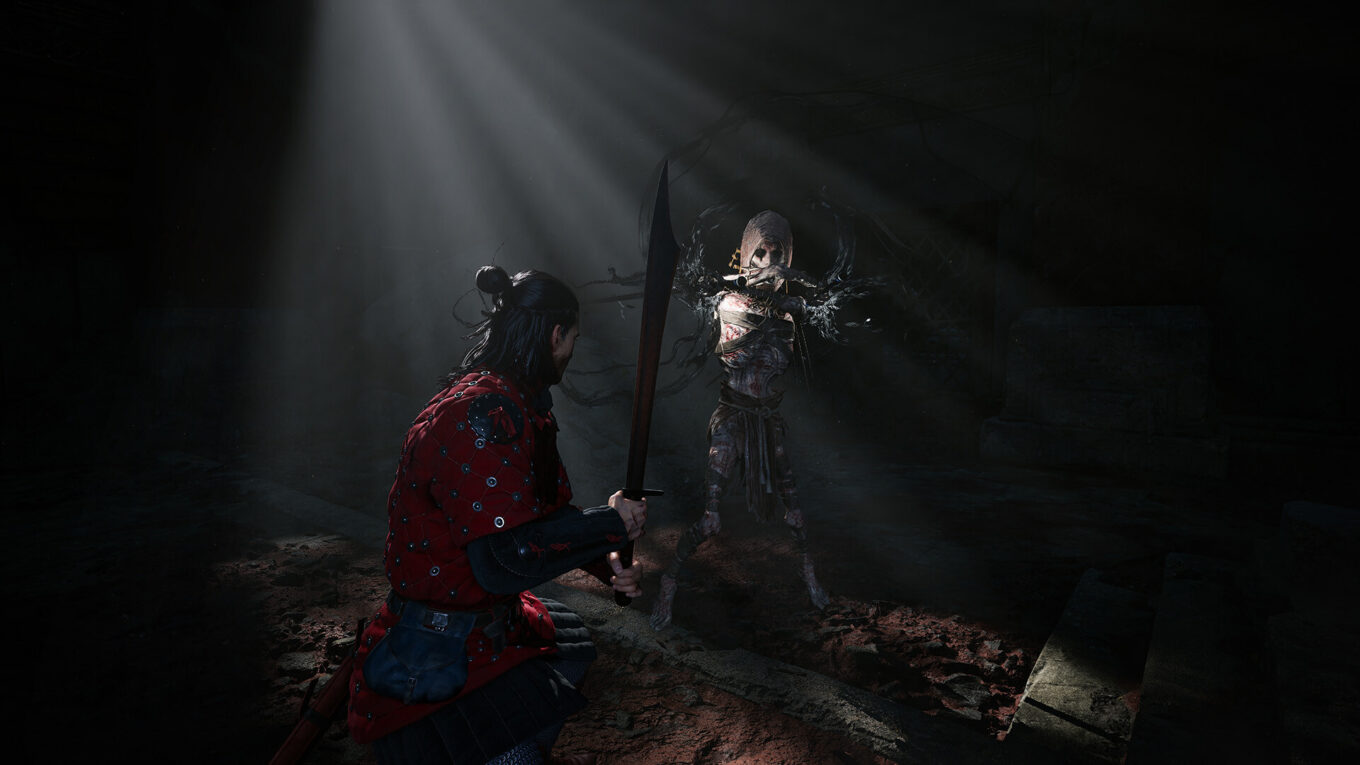
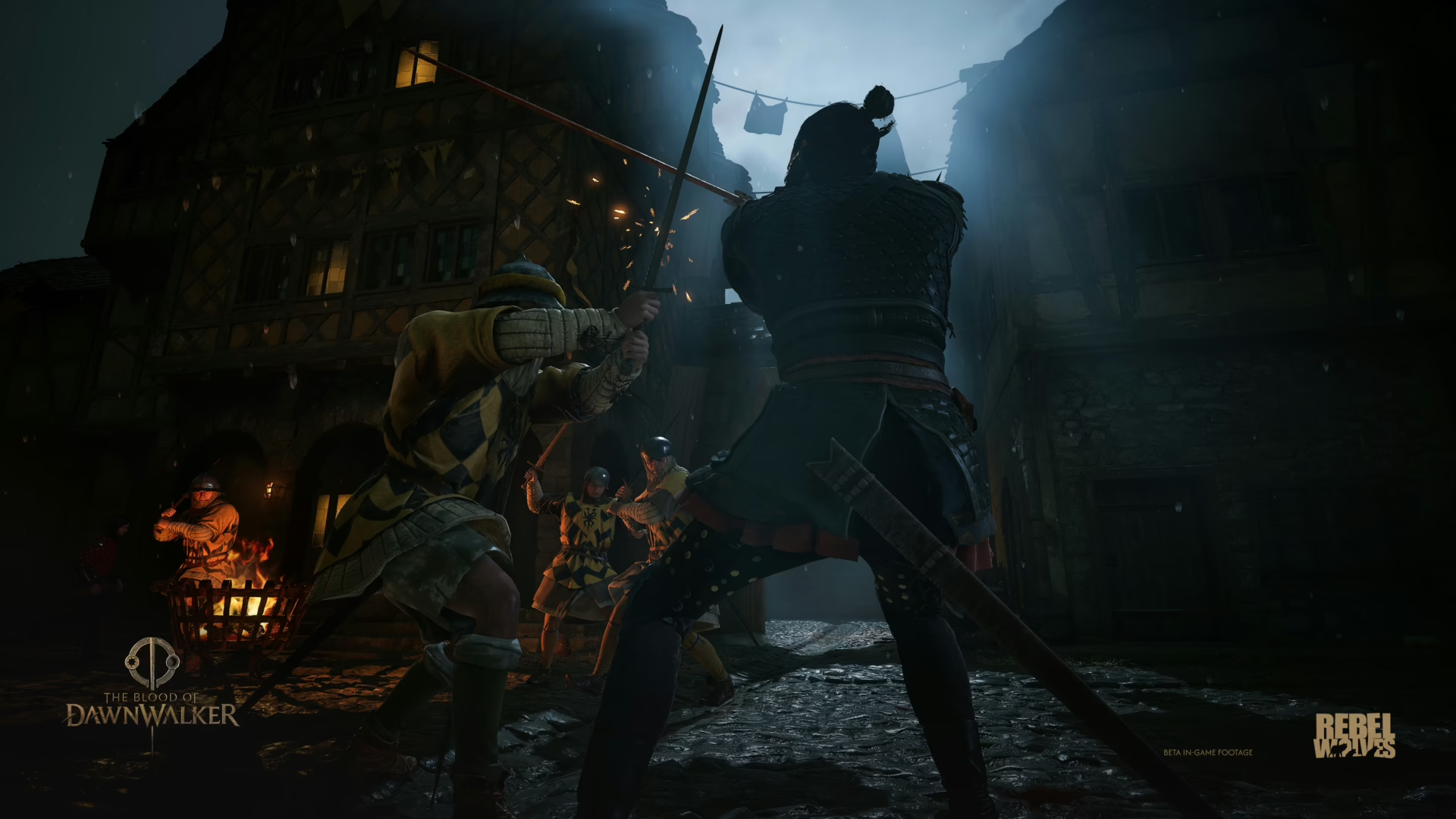
Some have criticised the combat – which is built around directional parries and attacks, like Kingdom Come: Deliverance at 4x speed – but I don’t think combat is the actual issue. It’s the best-feeling combat a western RPG has ever had, with delicious sword clangs and a snappy feel to it. I also appreciate how enemies from off-screen are always deflected from the direction they come from. The actual issue with combat is a symptom of this being a fairly small team’s first game, which means enemy variety is lacking – there are five or six enemy types, and visual variants of each to trick you into thinking there are more – and because of this, you spend an inordinate amount of time fighting dogs and hogs.
It’s a small complaint in the end, though. Dawnwalker is one of the best games of the year and could be the start of something special. There are so many teams splitting off from triple-A developers to make their own spiritual successor with their own spin, but Rebel Wolves is one of the only teams that have actually gone and done it. Dawnwalker is beautiful, dark, monstrous, human, and one of the best RPGs we’ve had in this console generation.