
There’s a contingent of society which labours under the belief that returning to some idealised version of the past represents societal progress. Those who lean into this delusion tend to be the kinds of people who quickly form immovable opinions without having a particularly good handle on current affairs. But while these people aren’t exactly contributing to the bettering of our world, not everything within their strident worldview is tosh. Curly Wurlys really were (slightly) bigger in the good old days, and who could argue with a return to form on that front? Similarly, slathering car interiors with unresponsive tablet screens that bury basic functions several menus deep has not, in any way whatsoever, improved on the physical buttons we used to be very happy with.
And as for videogames? Well, while I’m currently being dazzled by every impossibly detailed corner of Leonida, the enduring charm of charismatically drawn pixel graphics remains undiminished. No matter how good 3D visuals get – and, let’s be clear, GTA VI has just raised the bar to ridiculous heights on that front – they can never quite replicate the enigmatic worldbuilding that’s possible with just a little less detail on the table. It’s a contrast that’s become particularly apparent while sampling the appropriately named Just2D’s RPG sequel, Drova II – Torn Lands, alongside Rockstar Games’ latest masterpiece.
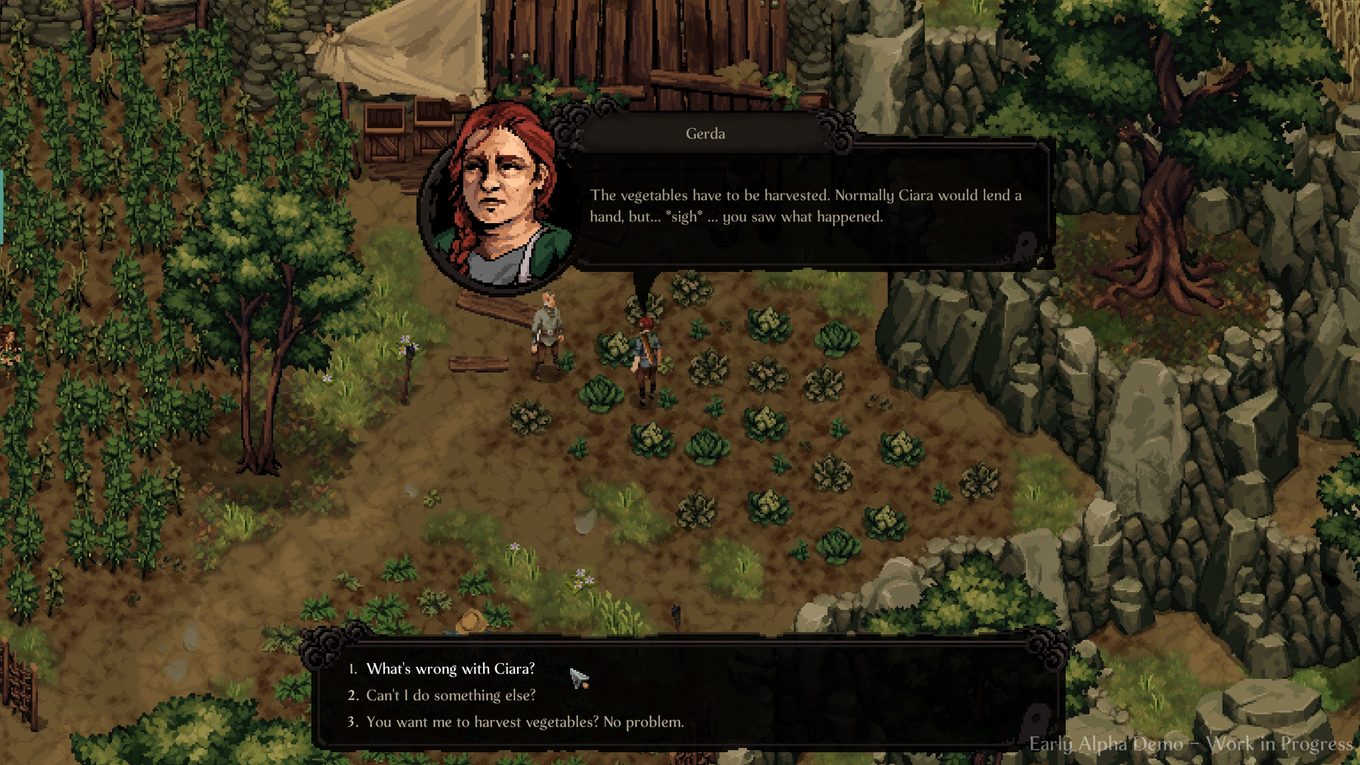
Just2D’s previous game, Drova – Forsaken Kin, drew comparisons to fellow RPG series Gothic through its grimdark Celtic aesthetic, richly detailed world, and steadfast refusal to hold the player’s hand. Those elements all return for a sequel that makes no apologies for being the singular vision of its small, passionate team of creators. Tough early enemies and the need to pay attention to what characters tell you, rather than rely on quest markers, won’t chime with everyone. But players who were willing to immerse themselves in Forsaken Kin’s firm-but-fair universe discovered an unusually rewarding adventure, and Torn Lands is shaping up to be a thoughtful refinement.
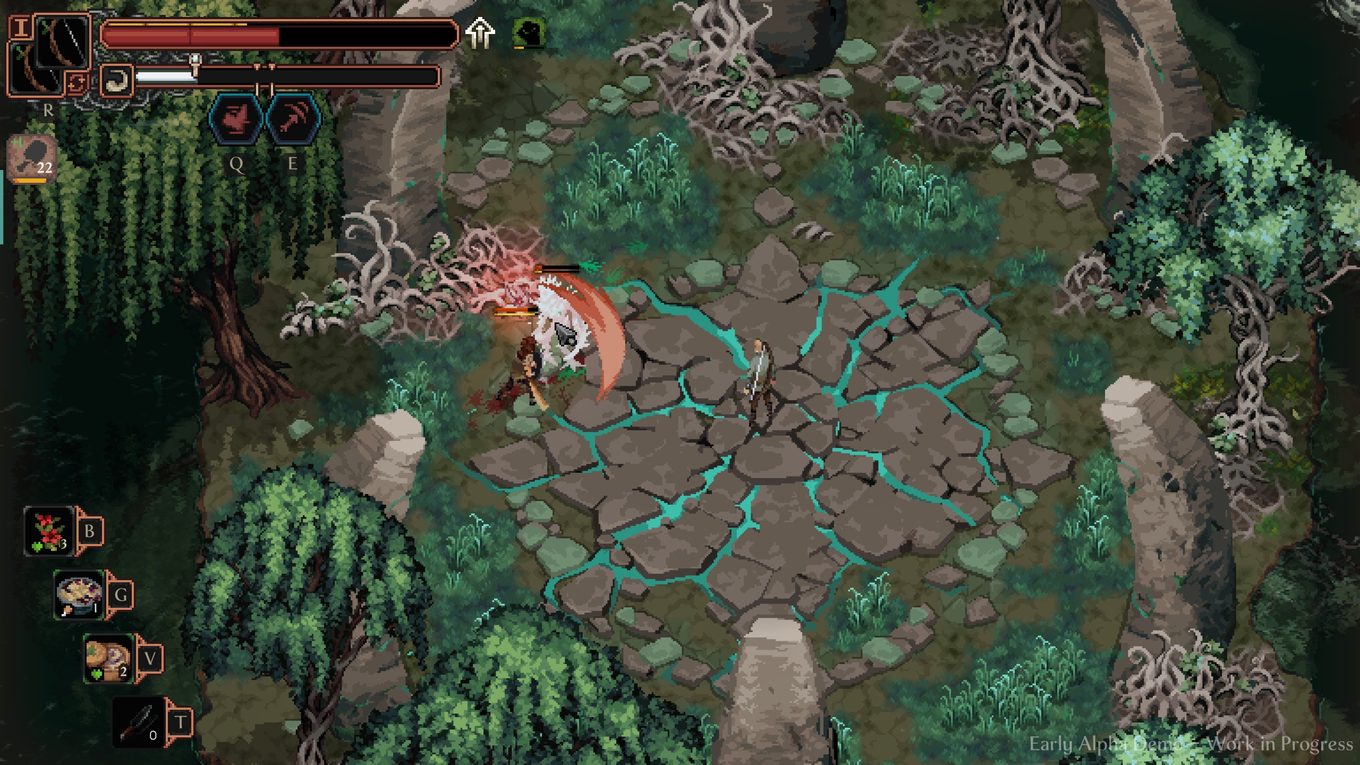
Perhaps the most profound change, at least from a narrative perspective, is that the Divinities from the first game have been freed, in the process returning magic to the world. This opens up new combat options in the form of the Seal weapon class, which allows you to wield magic-infused trinkets alongside melee weapons. Successful strikes with a sword, spear, or axe charge your magic, which you can then use to unleash ranged attacks or summon temporary allies. If you prefer fighting from a bit of distance, you can also now focus entirely on archery, too, which pairs particularly well with the newly introduced stealth options for sneaking about and generally being underhand.
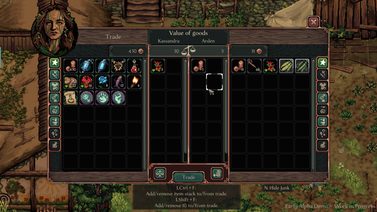
Keeping a bit of distance between you and the enemy isn’t going to make encounters any less brutal, however. Combat remains unforgiving, requiring preparation and patience. Even in the short demo, it’s easy to wander off and get in over your head quickly, whether facing basic wildlife or the vendor you’ve just stolen from simply to see if you could. Windmilling into encounters is a fast route to an early death, but liberal use of an improved dash move and effective use of the game’s staggering mechanic will improve your odds.
There are also unique powers that can be learned from the two factions in the game, Bear Mother and Great Ram. The Berserker’s Mauling Strike, for example, conjures a spectral bear claw that inflicts a huge amount of damage while also recovering some health if you manage to kill your opponent or break their stance. You can also unleash even more powerful attacks (and become immune to interruptions) by stacking rage points gained by landing hits or inflicting damage in order to trigger Bearmother’s Rage.
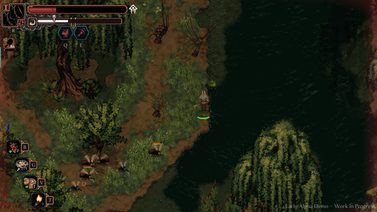
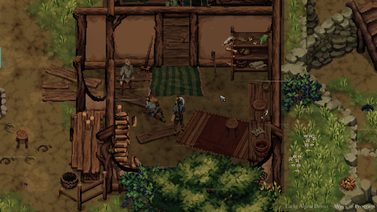
Despite the game’s uncompromising nature, the opening section included in the preview build is a little more welcoming than the first game. After a long journey with a paid-for guide, you arrive at a farmstead and set about chatting to its various inhabitants to learn more about them and find work. Among other activities, there’s fence building, crop harvesting, sprite catching, (attempted) marriage counselling, and a daunting journey out into the wilds to collect some willow.
Conversations are free-flowing, and you can quickly annoy NPCs if you don’t consider your responses carefully. The farm’s inhabitants all have their own routines, jobs, and priorities, too – not all of which dovetail neatly, so it’s impossible to keep everyone happy. Even if you’re familiar with the first game, the lack of handholding feels refreshing but requires you to engage the parts of your brain that other games let atrophy.
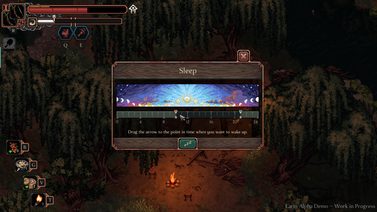
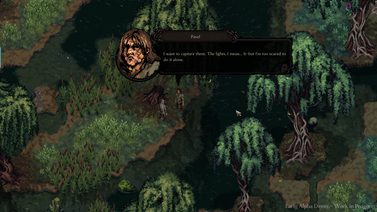
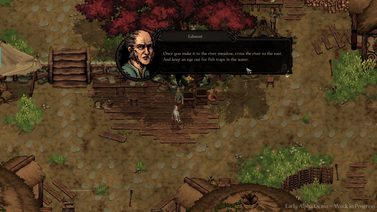
Even so, you’re not left entirely on your own: that willow collection quest is set by Edmont, the surly patriarch of this community and someone who isn’t afraid to let you know how irritated he is that you’ve asked him to repeat his instructions. Initially, he gives you directions to the location of the goods, along with a warning to avoid the local fauna (which includes an enormous and very hungry bear). You can tackle it from there, but if you’re not confident or haven’t written down the route, you can ask again and he’ll suggest you take one of his dogs with you. You’ll need to give it some meat to get it to follow you, however, but where might you find some? Figure it out yourself, idiot.
After several deaths, I eventually found my way (alone, as I couldn’t find a bribe for the dog) and collected the precious willow. The world feels a little more detailed and densely packed than the first game, benefiting from subtly improved art that makes the game’s atmosphere-soaked environments sharper. The character avatars that appear during conversations are particularly evocative, and it’s difficult not to get swept up in the plight of this small band of settlers.
While it’s easy to become immersed in such a dynamic-feeling world, the steadfast insistence on avoiding signposting can occasionally lead to snags. At one point during the demo, right after building the fence, I was tasked with crafting and then placing three bear traps. Ronan, a lazy shepherd high on local psychoactive rustmoss, helpfully points out that I should place them on the other side of the fence to the sheep penned inside it, but otherwise I’m left to my own devices. After placing them, however, he didn’t acknowledge that I’d finished the job and the next part of the quest wouldn’t trigger.
Worried that the demo had broken, I tried a variety of things until I realised that I could still interact with one of the traps and had placed it about a foot further from the fence than the game wanted me to. I’m all for figuring out things myself, but this felt unnecessarily punitive.
Hopefully that particular frayed edge was just down to the early build, and will be neatened up before launch. Even so, this early taster of Just2D’s second foray into Drova’s enticing world showcases a passionate team making something wholly its own. In that way, despite the vast differences in team size, Just2D’s development philosophy is surprisingly similar to Rockstar’s, even though Drova II also makes a convincing case for fidelity having absolutely nothing to do with immersion.