
Derelikt’s choppy textures are far more important than just being able to sell the game as a PlayStation 1-inspired survival horror title. The warped geometry makes the Von Neumann Outpost feel alive. It stutters and shifts with every step, breathing, as you push through disaster on a remote space facility that takes direct inspiration from Alien: Resurrection, Doom 3 and System Shock 2.
It’s a perfect setup for the Lovecraftian nightmare that awaits. The twistedness, that sense of not being able to trust what you see, is an excellent thematic hook that marries gameplay and narrative extremely well. It’s not all great news, though. Derelikt’s underbelly is littered with bugs and design frustrations that will sully its best points for some players who may quickly turn away from the deep, luring call of nostalgia.
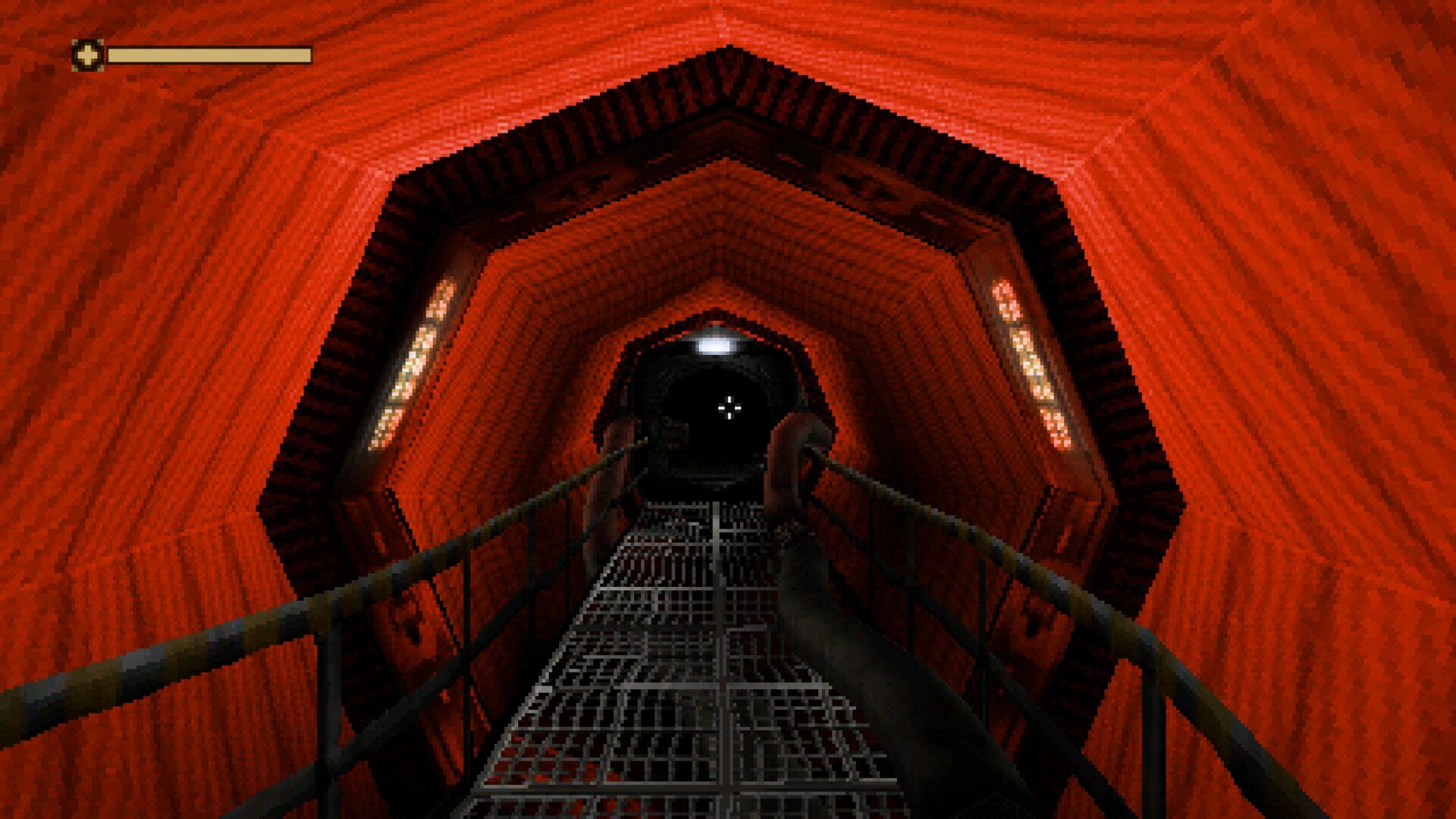
Crucially, developer Philipp Jensen (aka Visuwyg) has understood that the default visuals are likely to be too much for a lot of people. Derelikt’s standard graphical style is great for a quick, ‘Hey, this is cool,’ but triggering the HD option is far more conducive to being able to play the game without sacrificing your eyeballs, and vitally, the creator’s intention.
From the fake PS1 startup screen, to the final full motion cut-scene, Jensen has accepted no compromises on a visual language that considerably elevates the rest of the game. PS1-heads will be excited to see a disc spinning in the bottom corner when loading between areas. There’s a faux memory card screen, complete with individual save icons, and even old school cheats hidden in the Von Neumann computer system.
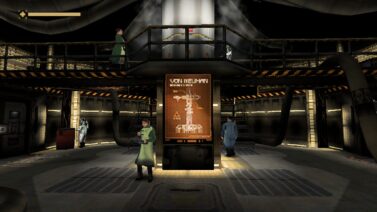
It’s not long before you’re armed with a Gordon Freeman-styled crowbar, ready to fend off the Half-Life-styled headcrabs that scurry in the darkness. Dead crewmates, reanimated as ‘abomination’ zombies, cry out like they’ve flown in from the halls of Red Dwarf, a comparison made all the more relevant by how funny the living members of the facility are. To have moments of genuine humour interspersed within the horror makes the intense sections sing even louder.
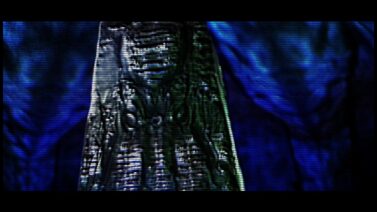
This is a game that will crack a joke about a colleague who loves Space Funk 3000 before evoking the simmering dread of 2001: A Space Odyssey – complete with monoliths, glyphs, and the inescapable malaise of human expansionism gone too far. It’s a universe of silly things put up against the incomprehensible. The presumably funky basslines of Space Funk next to long hums that murmur in the distance – a Kubrickian reminder that something bigger is at play.
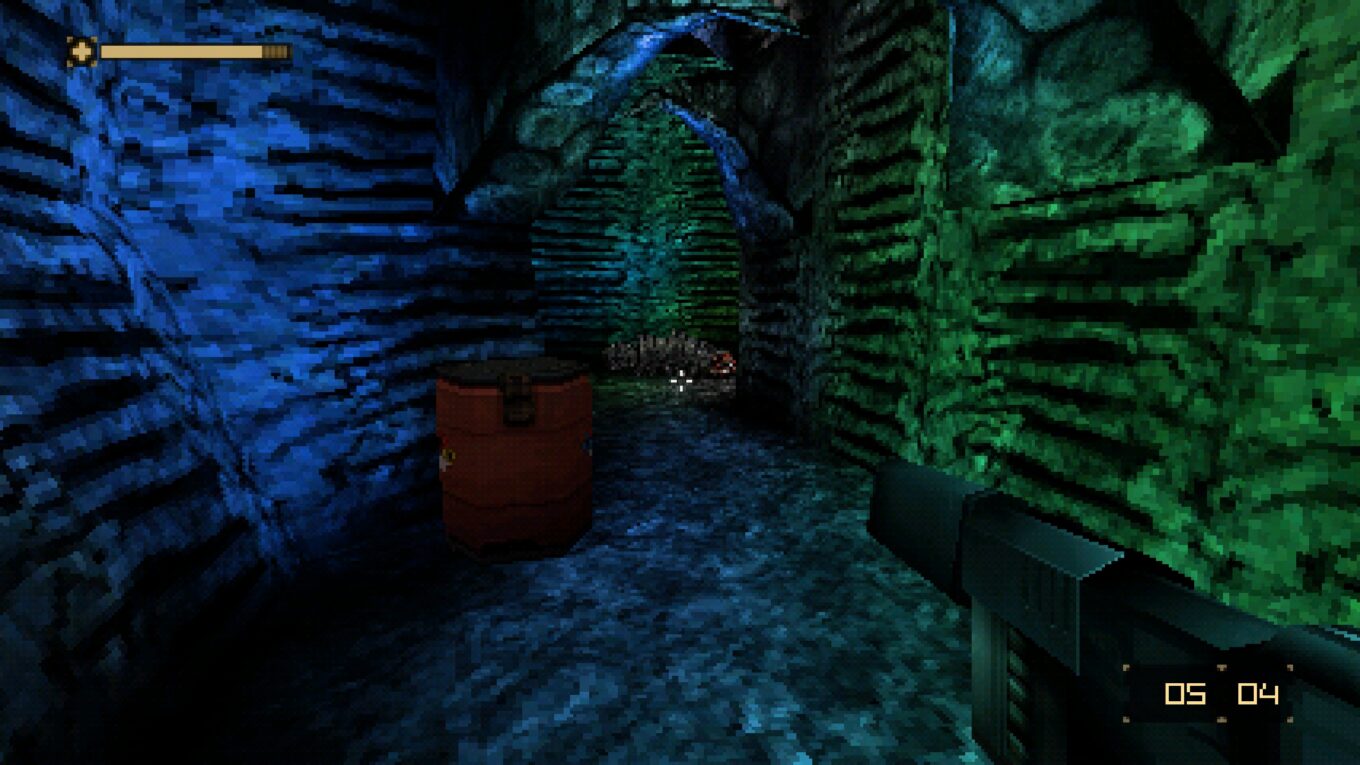
Musical cues are also important to upping the ante when combat begins. A powerful horn ripped straight from The War of the Worlds welcomes the squid-like Proxies, which float across the sky and fire vaporising rays from a single eye. Gunplay is urgent and does an okay job; it’s responsive and satisfyingly crunchy, even if your aim can glitch out and enemies are often too quick to get right in your face.
However, there does seem to be a serious reload issue where max ammo sometimes isn’t placed into your weapon. This only happened when I was under pressure against multiple foes, so it’s unclear if it’s a bug or working as intended. Putting one bullet in at a time essentially makes tight encounters needlessly difficult, and is part of a wider inventory issue that should receive some post-release tweaks.
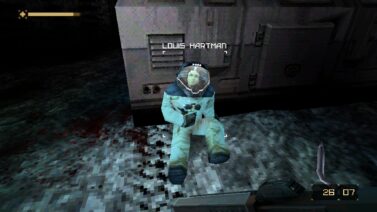
You’ll quickly have an assault rifle. shotgun, and explosive charges alongside a bullet supply that is so bountiful you’ll need to stack them to even have a chance of fitting everything in. Considering there’s also medikits, story items, and bulkier pick-ups that can’t be dropped, it quickly becomes finicky and a hassle to deal with.
Such design frustrations creep in the more you play. Derelikt’s opening is simple, introduces the cast nicely, and has you moving forwards at all times. Level design soon turns rather clunky, slowing progression down with confusing maps that will have you sprinting between rooms desperately trying to find the correct route.
One section in the outpost’s living quarters is a particularly irksome example of this. A really fun revelation around a key character was then met with a lack of direction and constant backtracking around labyrinthian corridors in a bid to find the way to go. Scouring the same few rooms to eventually open a tiny vent, hidden away high and in a corner, is further exacerbated by the in-game map, which is no help at all.
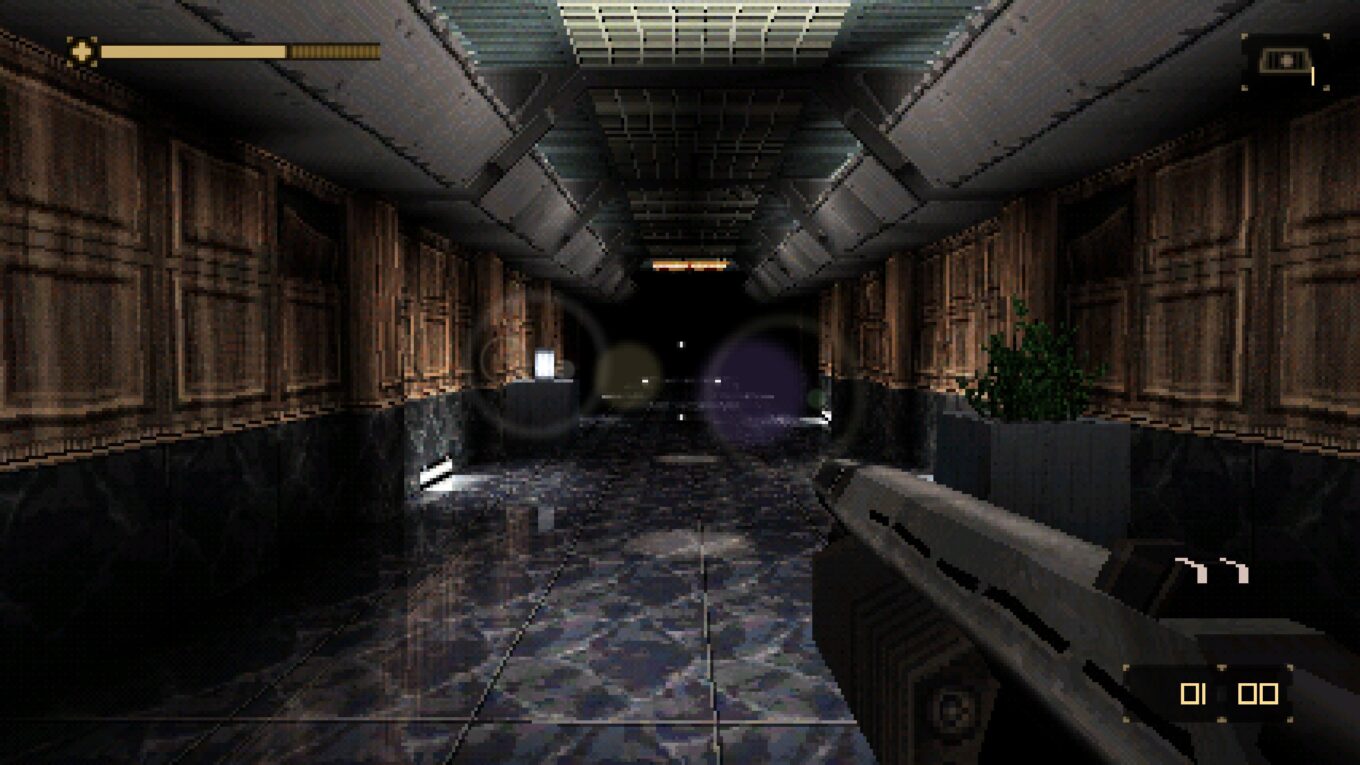
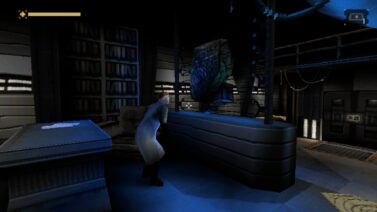
The strange decision to have the flashlight toggle off after a few seconds also puts you unfairly at odds with the need to be so precise. Derelikt’s locations look great–I particularly enjoyed the contrast of the ultra-shiny rich executive floor against the grunts’ work spaces–but being forced back through them muddies the charm.
Lengthy exploration also increases the likelihood of encountering bugs. I got stuck on crates, unable to move, while the sound of footsteps continued to play out. The game’s ‘insight’ counter, which allows you to lightly fiddle with your stats by picking up alien artifacts, also didn’t seem to work correctly, not letting me upgrade when I seemingly had enough to do so.
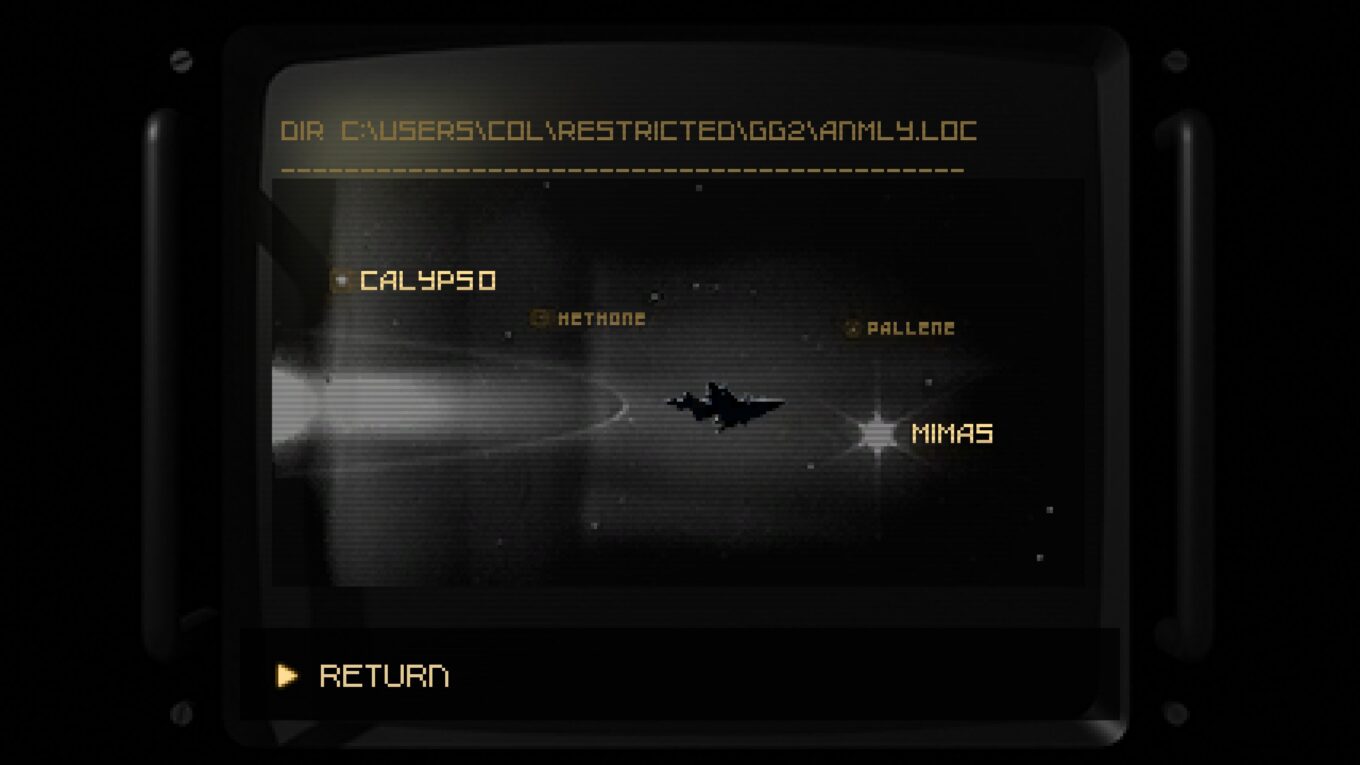
It can be wearisome stuff, especially when there’s plenty of puzzles of varying quality to get through. Some are very easy, but make sense within the confines of the narrative, such as the aforementioned Space Funk 3000 lover using those exact four digits as his password. Others border on ‘run around until you come across the right thing,’ or in one case, task you with whacking frying pans like a Covid-era show of respect for the NHS. Such design is symbolic of the rest of the game, which tiptoes between delightful and recurring nightmare in equal measure.
While imperfect, Derelikt is exactly the type of game we should welcome in 2026. Jensen has handcrafted a world full of character. It’s warts-and-all, built on love, confident enough to flaunt its strengths and blissfully unaware of its weaknesses. It’s unmistakably human, a reminder that heart and passion is a powerful retort to the soulless AI-mageddon tightening its grip on the indie scene.