
If you have only ever seen Arnold Schwarzenegger’s taciturn (and somewhat grunty) 1982 portrayal of Conan the Barbarian, you might wonder whether the character was well suited to a quiptastic Zagreus-style turn in a dialogue-heavy roguelike RPG. If, however, you’ve ever dipped into any of Robert E. Howard’s stories, in which a more thoughtful Conan has many more lines of dialogue than the 24 Schwarzenegger drawls in the movie, it would seem like a pretty good fit. The literary version of Conan is grimly witty, highly intelligent (he’s a polyglot, don’t you know), and a master tactician, and he is just one of the playable characters in the forthcoming Conan: The Black Pyramid.
“We are all lovers of Hades, and similar games, so we definitely take it as inspiration,”
Matej Hudák, publishing director at Grindstone, tells me. “We really love the charisma of the characters, the voice acting there [and the] narrative, which has been done incredibly in Hades. We are also aiming for charismatic characters and voiceovers. But we definitely want to bring something that feels like our game, that’s unique on the market. So I hope we’re going the right way.”
Although the early build I’m shown at a preview event is still missing some voiceover lines, that ambition is already evident. The game casts players as an aged Conan, now a king, tempted from his throne to the foot of the Black Pyramid by a siren call that visits him in a dream. The tutorial introduces the hub area from which sorties into the dark structure are undertaken, alongside a charismatic exchange between Eevin (the owner of the voice that called to our slumbering hero) and Conan. The latter is on top philosophical form, responding to Eevin’s belief that the evil contained within the pyramid is unable to reach out into the hub area with a sceptical, “Hope is a poor kind of knowing”.
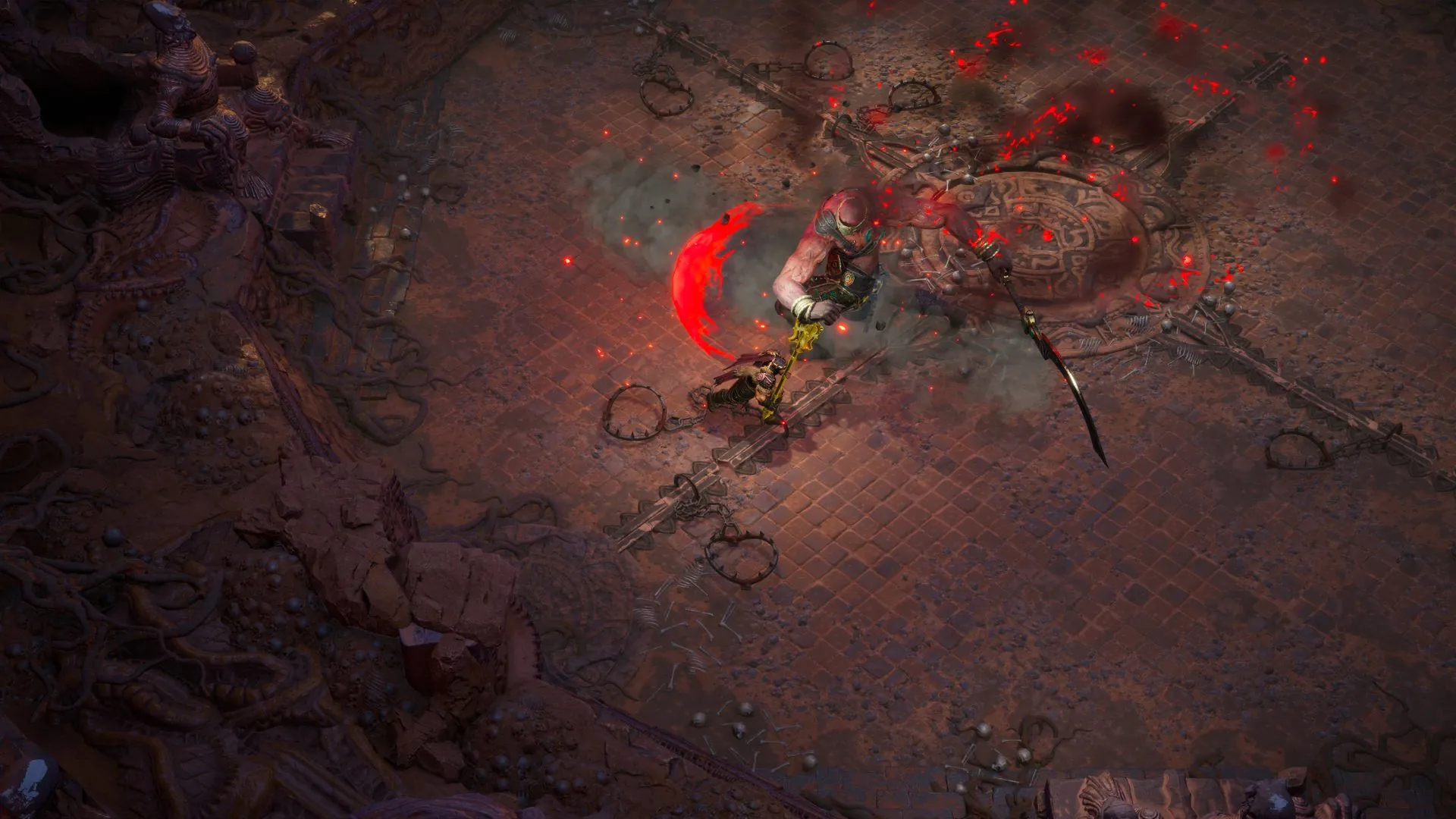
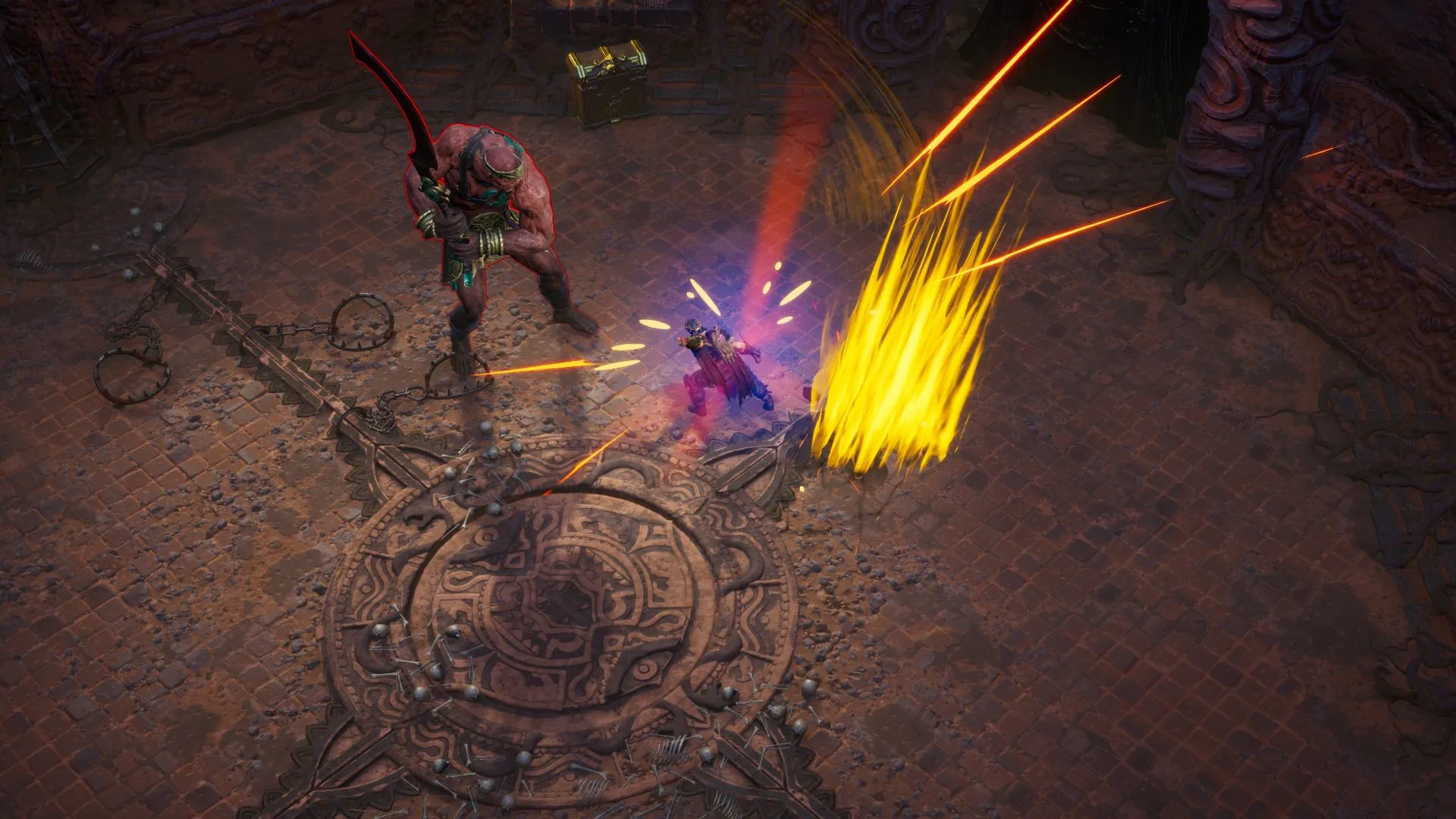
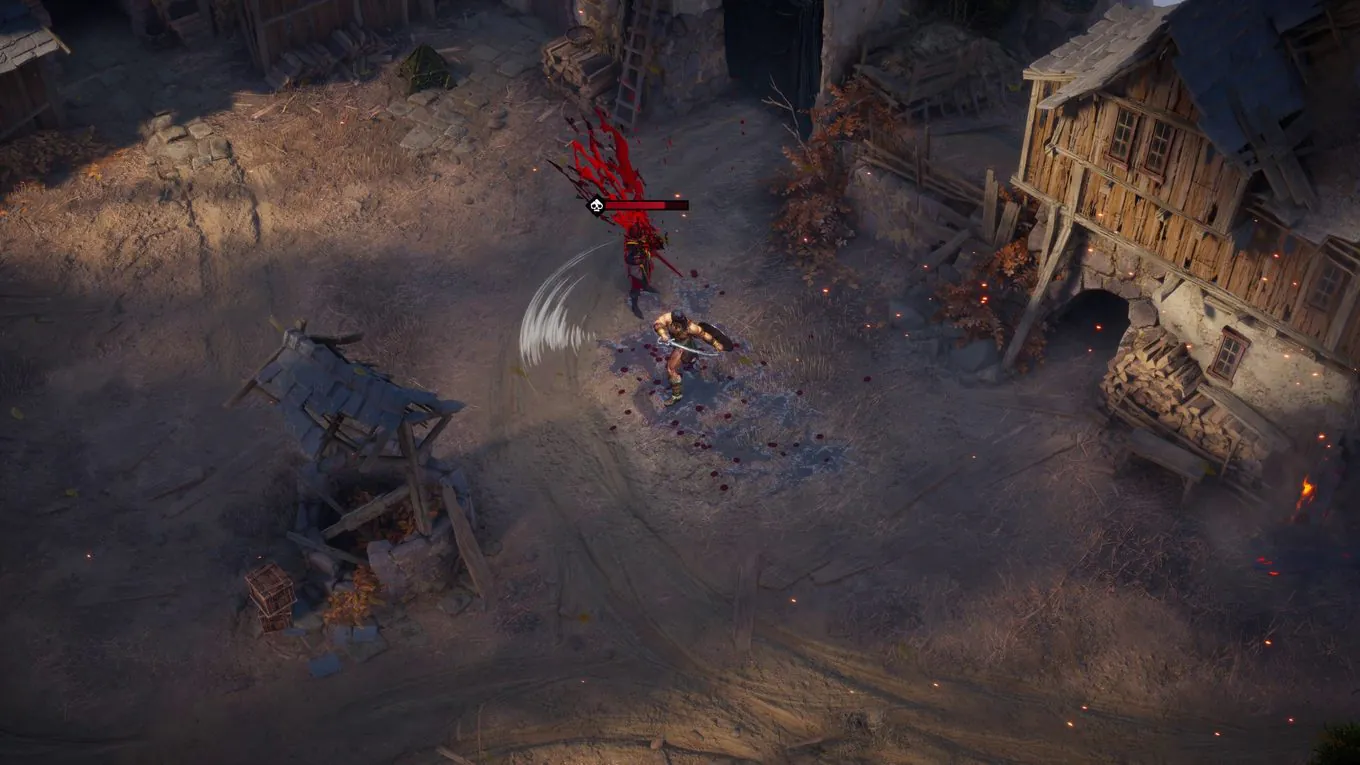
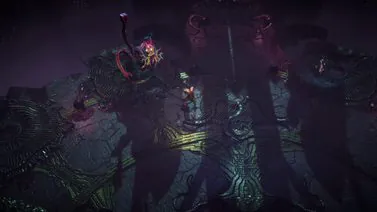
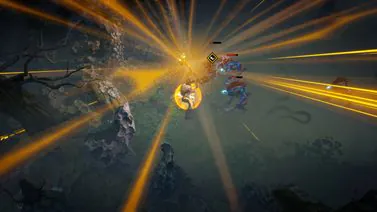
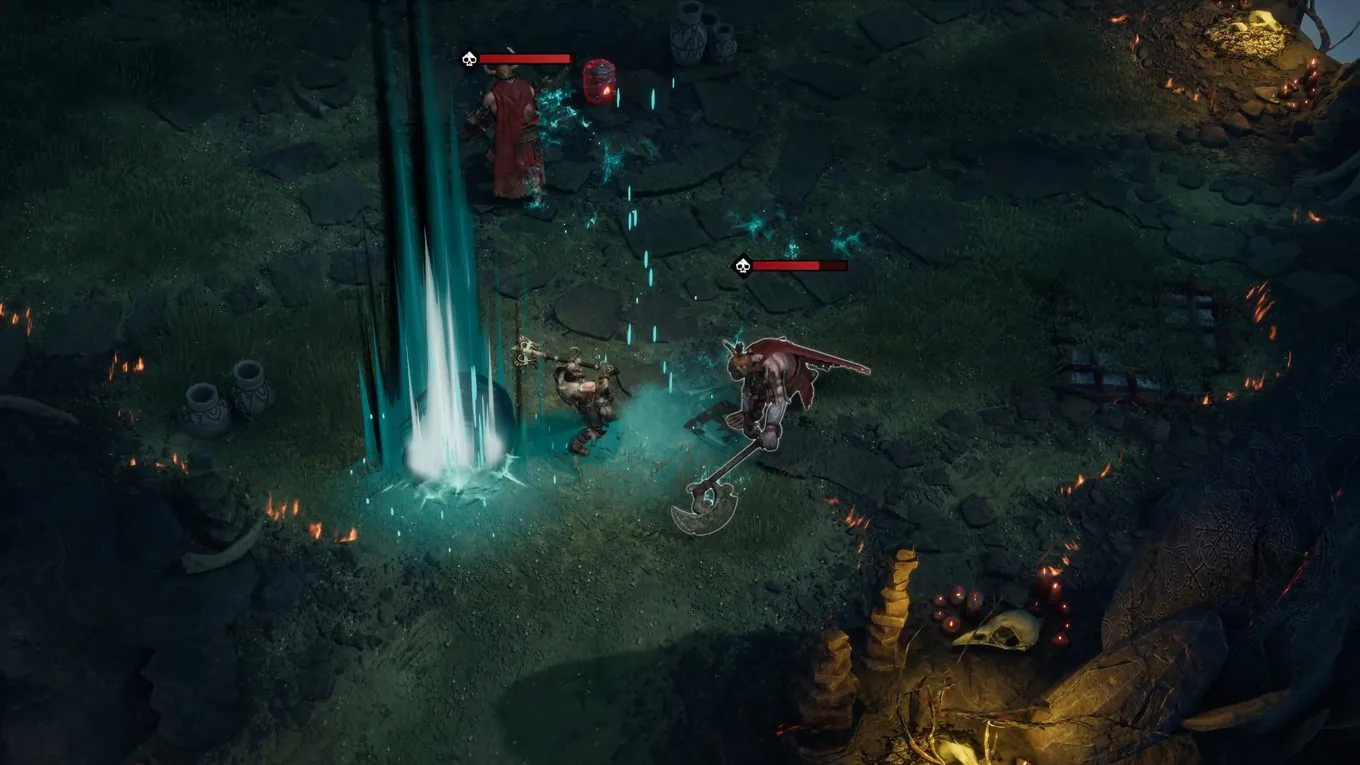
Better rely on some good old-fashioned combat, in that case. Conan has a primary attack that uses his iconic longsword, and chaining attacks together produces a three-step combo and finisher move. There’s a charge attack as well, of course, and he’s fast on his feet and able to quickly dodge enemy attacks. He also carries a secondary weapon, in this case a bow, that has its own combo and finisher moves. In addition to these, heroes also have relics, each enabling them to perform special attacks such as an AOE lightning strike.
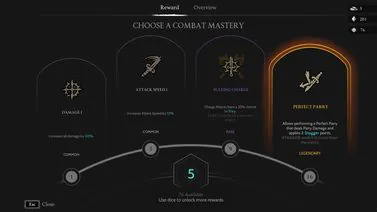
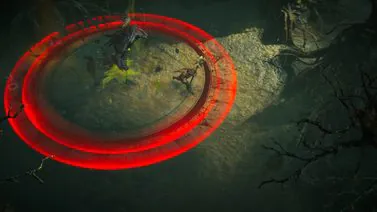
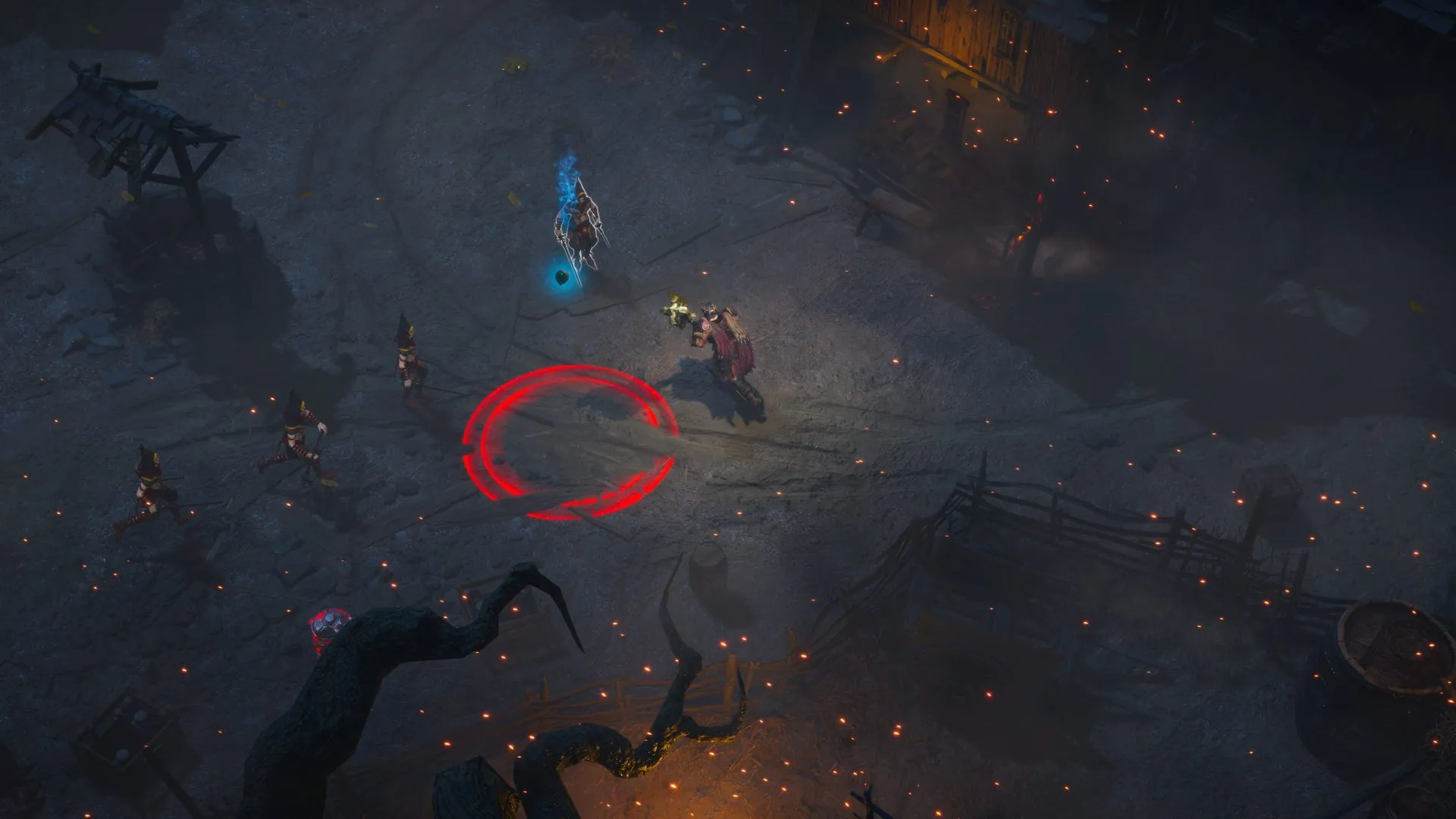
So far, so familiar, but developer Games Farm is aiming for a more tactical playstyle by introducing a core parrying mechanic to the mix. Nail the timing against yellow-highlighted attacks (if they’re highlighted in red you’ll have to avoid them with a dash instead) and you’ll stagger your enemy, allowing you to inflict additional damage during a brief window of vulnerability. This extra damage will also contribute to your Execution Bar, which fills during combat and allows you to instantly kill one enemy when full. Bosses can’t be wiped out quite so easily, but they’ll still take a good chunk of damage.
Given the need to manage these mechanics, it would be natural to conclude that Conan exhibits a slower and more methodical gameplay style to its genre peers. Games Farm founder and Grindstone CEO Peter Nagy doesn’t believe that to be the case.
“I feel like we actually have a faster gameplay experience than most of the other roguelikes,” he explains. “We are trying to achieve a dynamic combat experience which is really intense. We want players to feel that the combat is dynamic, like a dance, kind of floating and fluent across the experience.
“Players can tactically choose which action to take in order to maximise the outcome, which really feels like Conan because that’s how I would expect him to fight. So we are trying to make this more realistic experience, [which is also reflected in] the visuals, that is different to other roguelikes out there.”
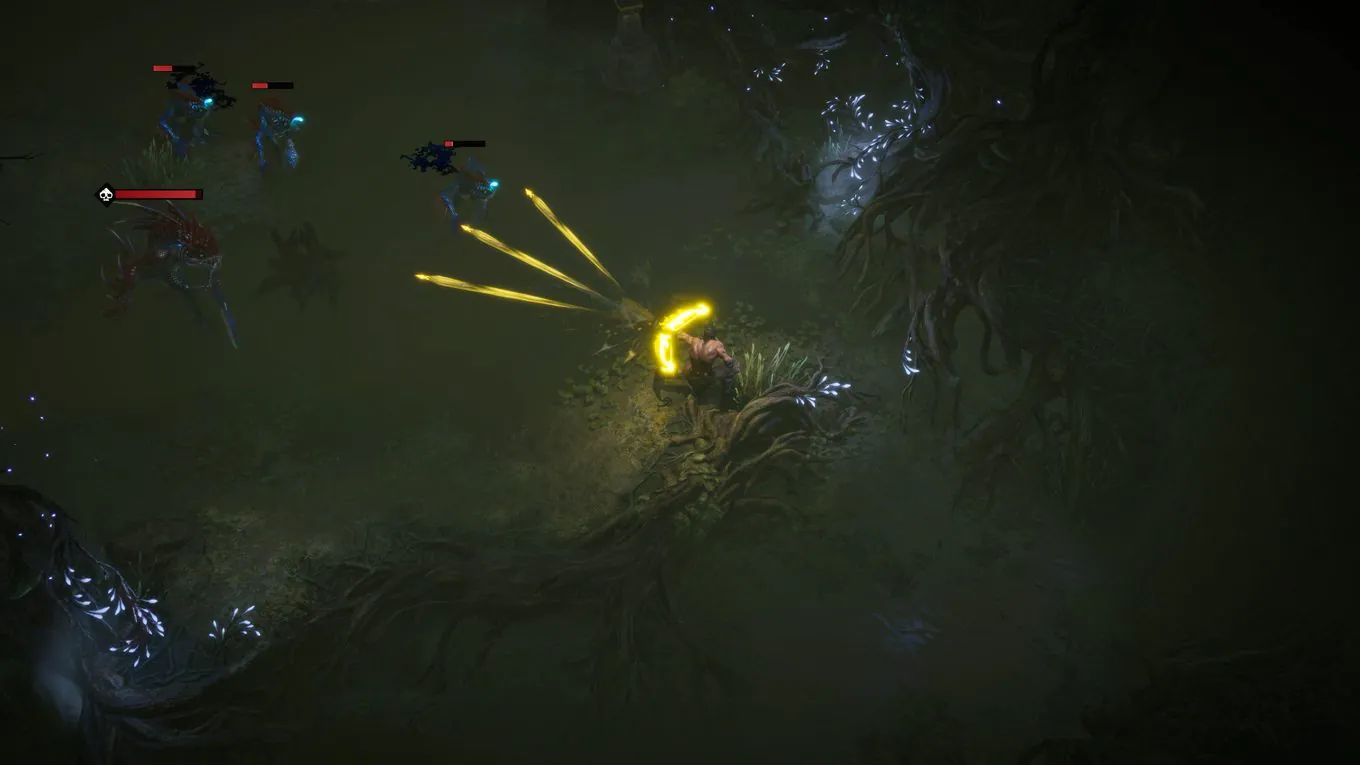
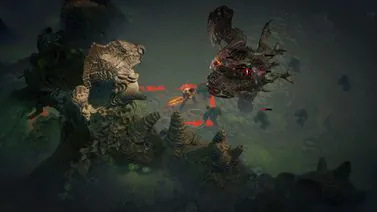
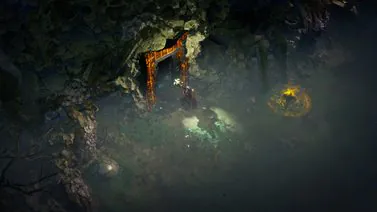
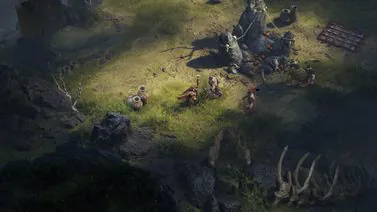
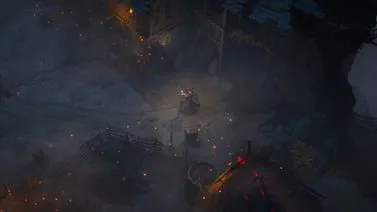
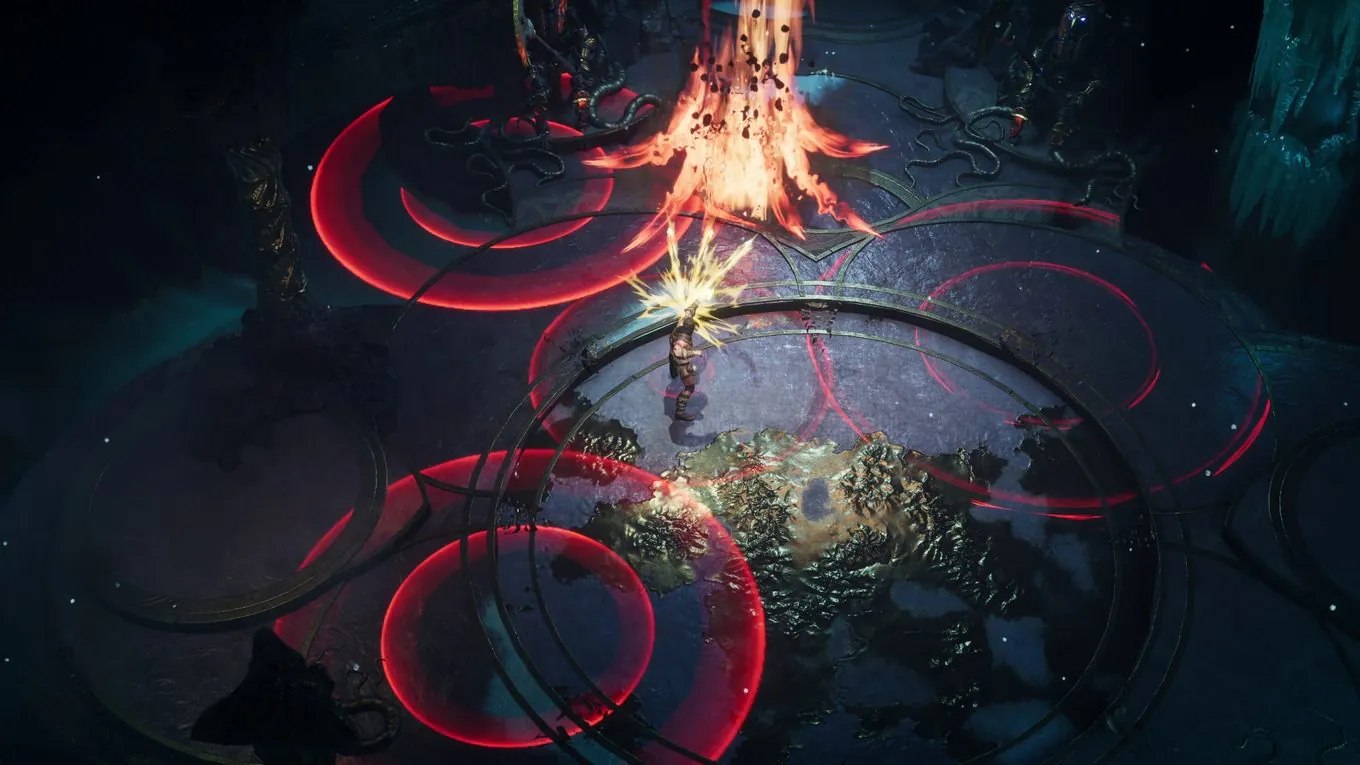
While I haven’t had a chance to go hands-on with the game yet, combat certainly looks fluid and energetic in motion. Easier to assess are the claims made regarding the game’s graphics; given a cursory glance this opening section bears more than a little resemblance to Diablo. Earthen tones contrast with vivid attack and magic effects in a gloomy, dank-feeling setting.
“We went for, typically for us, realistic and slightly higher production visuals than is usual in the genre,” Hudák explains. “Of course, we love games like Hades, Curse of the Dead Gods, and similar titles, which are usually low-poly or hand-drawn. But we basically wanted to bring to roguelikes what we brought to the ‘survivors genre with Jotunnslayer: Hordes of Hel, where we kind of brought a higher production quality at the level of the Diablo or Path of Exile games.”
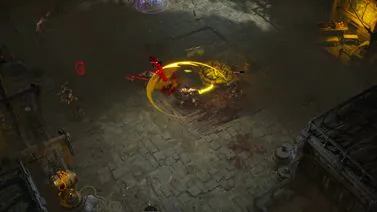
Which approach is more appealing will come down entirely to personal tastes. I love a heavily stylised aesthetic, and any game that gives me Ulysses 31 vibes (I’m looking at you, Hades…) doesn’t have to do a lot of heavy lifting to win me over. But there’s no denying the charm of The Black Pyramid’s sombre, high-fantasy visuals.
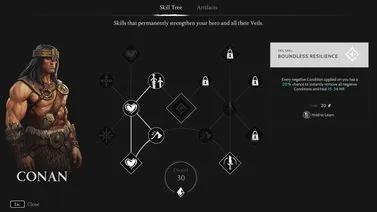
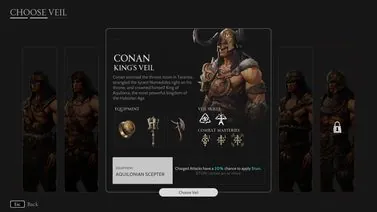
Another aspect of the game that leans more towards traditional ARPGs is its Veils system. Essentially fixed loadouts, they allow you to select different combinations of weapons and skills which can then be combined with the various relics and artifacts you discover during each run. Each represents a different playstyle, and comes with a natty themed outfit.
In Conan’s case, we’re shown five: Barbarian, Pirate, King, Thief, and Avenger. As you would imagine, the first of these includes the sword and bow mentioned earlier, but the Pirate’s veil arms you with a sabre and replaces the bow with a shield – you also get a horn that summons a ghostly ship which damages all enemies in its path.
These not only allow you to mix things up on each run, but also provide an enormous number of potential combinations in the game’s two player co-op mode – especially helpful if both players want to use the same character.
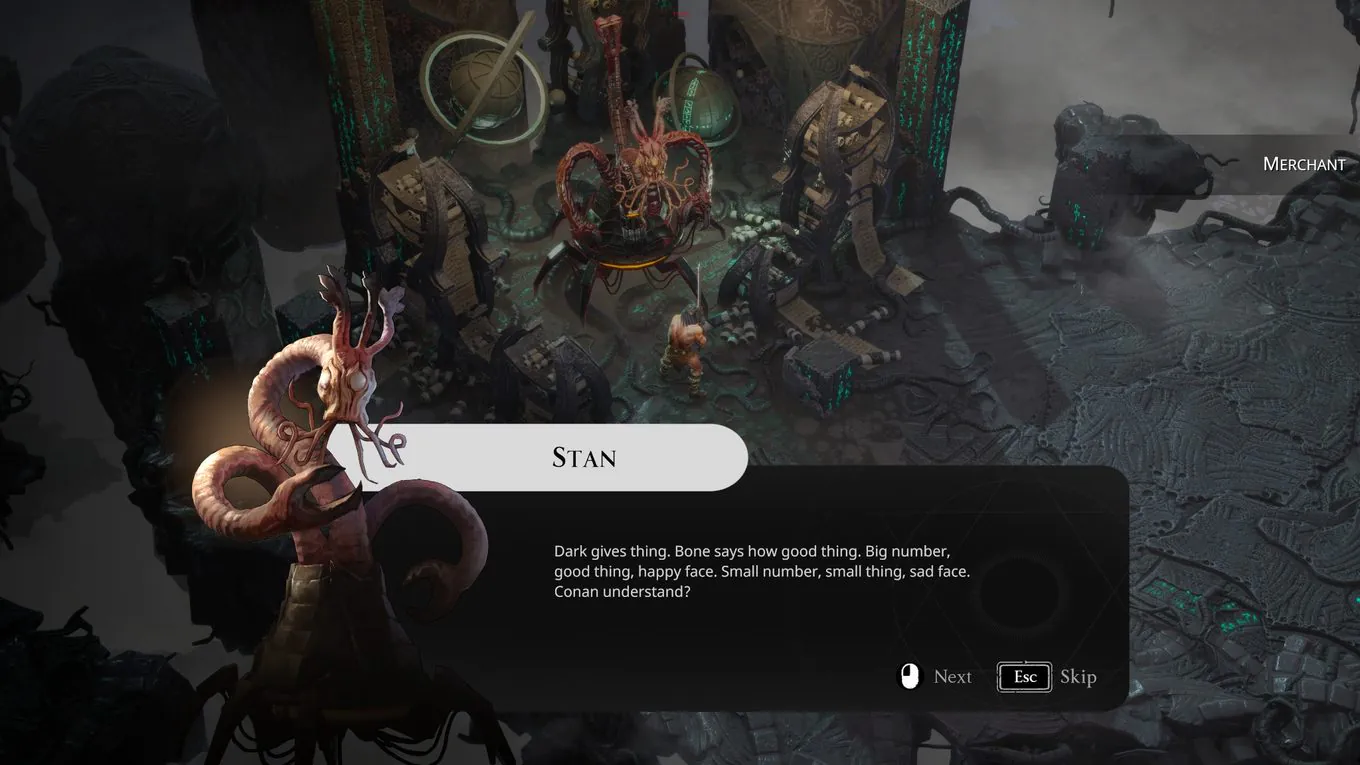
Structurally, things follow a familiar roguelike template. Each floor comprises a couple of combat rooms, a merchant room staffed by a joker called Stan, and a miniboss fight. After a few rotations, you reach a final boss encounter to clear the floor. Duplicitous players will be disappointed to learn that it isn’t currently possible to steal from Stan, but the team are mulling that over.
So far, then, Conan feels like a good fit for the genre. But given how enduring the 2010 roguelike resurgence has proven, perhaps almost any fictional universe would be. That’s not to diminish Games Farm’s achievement, and The Black Pyramid is certainly a huge undertaking.
“[Laughs] I think each of us has a different idea of how rewarding [developing the game] is, because it’s a huge challenge to actually make it right,” Nagy explains. “[Roguelikes] are especially heavy when it comes to balancing and delivering a game which is hyper polished. This is true for many games, but roguelikes have a very short [time] at the beginning in which we have to attract players and immediately give them an intense experience.
“As for the resurgence, I think it may actually be down to people having much less time available. This kind of like short play cycle actually may be relevant to that – we still want to play games, but we can’t play for 100 hours.”
Hudák agrees: “It’s definitely visible among the bigger RPGs in the world right now – when you take World of Warcraft or Diablo, everybody is leaning towards shorter cycles with the players, I would say, and not as much grinding as there used to be.
“I think the roguelites are really good for quickly rewarding the player, where you can have this experience of a really nice hack-and-slash game, but it can take you 20 to 30 minutes to clear something, then you can go and continue your work or take care of your family. I think that’s the important point, and we’ll see how it goes in the future.”