
When – or if – we have the opportunity to look back nostalgically on 2026 in gaming, the phenomenon of roguelite elements cross-pollinating other genres will certainly be one of its defining features. Star Wars: Galactic Racer made racing games feel fresh and laden with possibility again by introducing a ‘run-based’ structure to its career mode (read: cards, upgrades and permadeath). Mewgenics did the same for the time-honoured cat breeding management genre. And now with the Early Access release of Poly Fighter on Steam, it falls to fighting games to roll the proverbial dice.
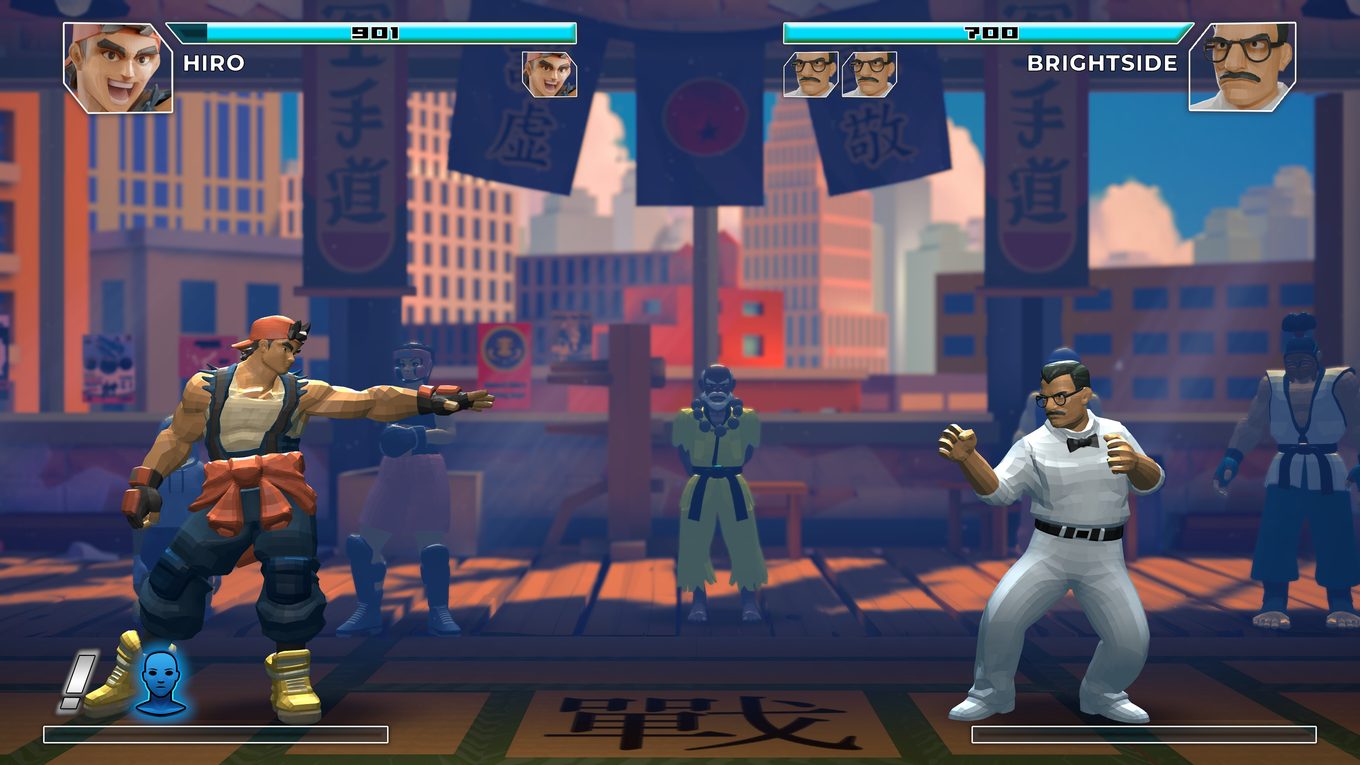
The proposition here is pretty simple: what if Street Fighter, but character upgrades and permadeath? And I’m not making a broad generalisation when I mention that game. This is a loving and faithful homage to Ryu & co that Capcom’s developers would find as touching as its legal team would find… interesting. Everything from its chunky character silhouettes and graph paper training rooms to the stop-start animation style that emphasizes counter windows is very reminiscent of Street Fighters IV-6. (Yes, it changed from numerals to numbers mid-series. Yes, as a result that looks incredibly weird.)
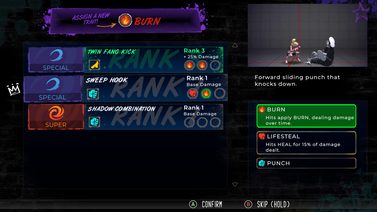
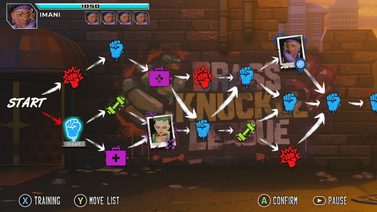
What’s less familiar is the grab bag moveset system, whereby you acquire and upgrade moves from characters you beat during its roguelike runs. Each of the four characters available at this stage in Early Access does still have their own distinct fighting style, speed, and a number of unique non-special moves so the distinction between them is much more than aesthetic. But the deeper you get into its three acts, the more agency you have over their moves.
And that’s a great concept, frankly. It’s not the very first time such mechanics have been attempted in the genre – 2024’s Blazblue: Entropy Effect lets you acquire new moves during a run, while Spiritfall introduced RNG upgrades and an ever-changing loadout to the Smash Bros. template that same year. But this is the most overt mashup of the two genres to date, and there’s real potential in it.
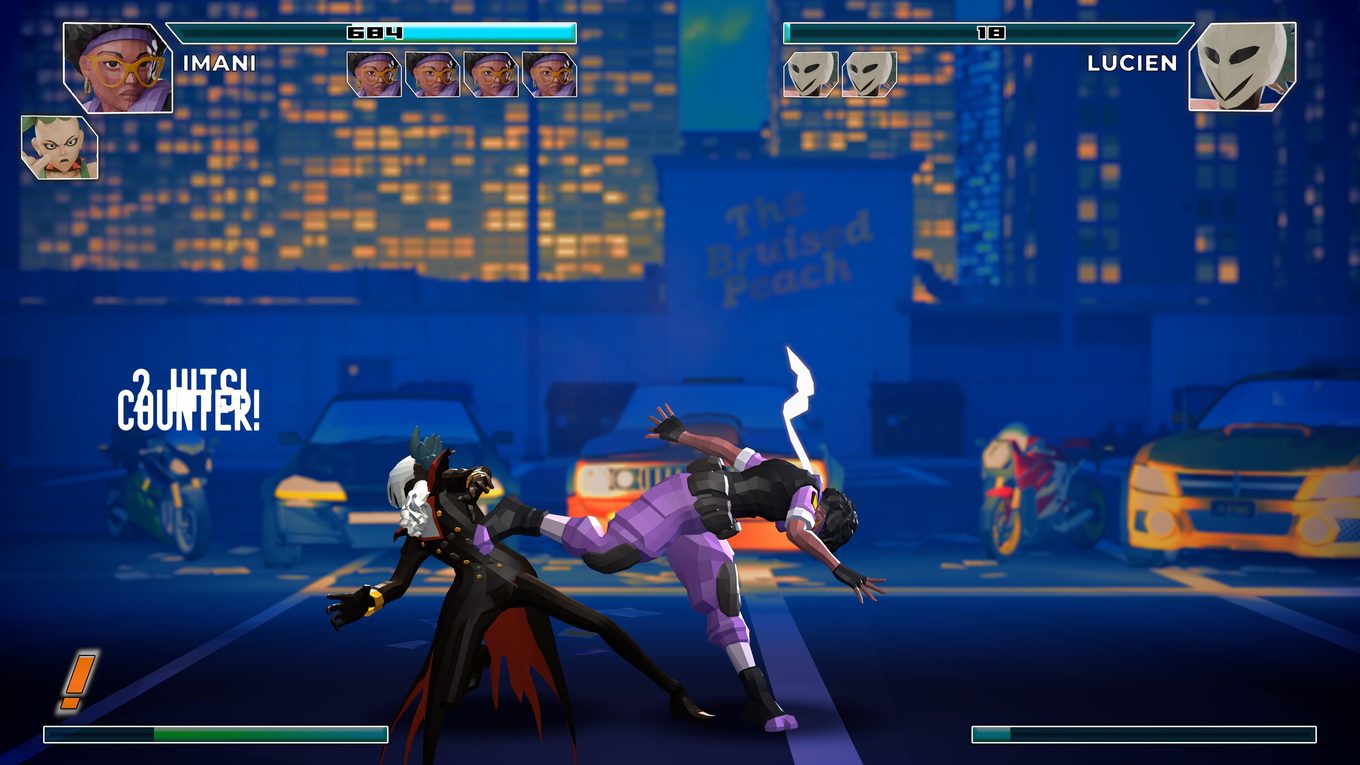
In practice, fighting your way through permadeath runs and trying to keep an ever-changing roster of moves memorised is as daunting as it is enjoyable. The ratio of those two elements shifts from former to latter the more you play, since at first you’re simply getting your eye in for the attack frames and timings and thus have limited spare brainpower to understand the various possible status effects you and upgrade attacks with. It doesn’t take all that long for things to click, though. After two unsuccessful runs with Hiro (who really is SF’s Ryu in all but name) and one successful one with Imani, I had enough moves memorised and enough fights under my belt to feel competent in the roguelike economy.
There’s an admirable depth to the characterisation here. The aforementioned Imani is basically Paul Blart Mall Cop in a purple jumpsuit – a humble security guard who seems to answer to a higher calling and speaks in genre-lambasting mystic language. Characters align with certain gangs, each with their own style and attack types, and that helps Poly Fighter to feel like more than an SF clone with some RNG.
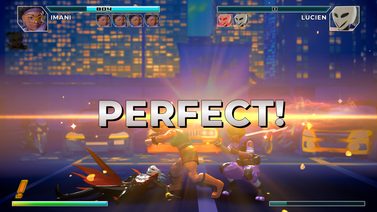
But what’s particularly striking about this game above other fighters is what a welcoming entry point into the genre it is. Montreal-based Heartloop Games is clearly going for broad appeal with the chunky, low-poly character models, early ‘90s arcade presentation and very familiar fighter archetypes, and that helps as an on-ramp if you’re not deep into fighting games already. But more than that, the runs and upgrades make the whole experience somehow more approachable.
You’re not working towards ranked online competitions in this game. In fact Heartloop doesn’t even currently plan to include such a thing. It really is about mastering the mechanics in a single-player setting, and the permadeath run structure actually makes that feel more forgiving, paradoxically enough.
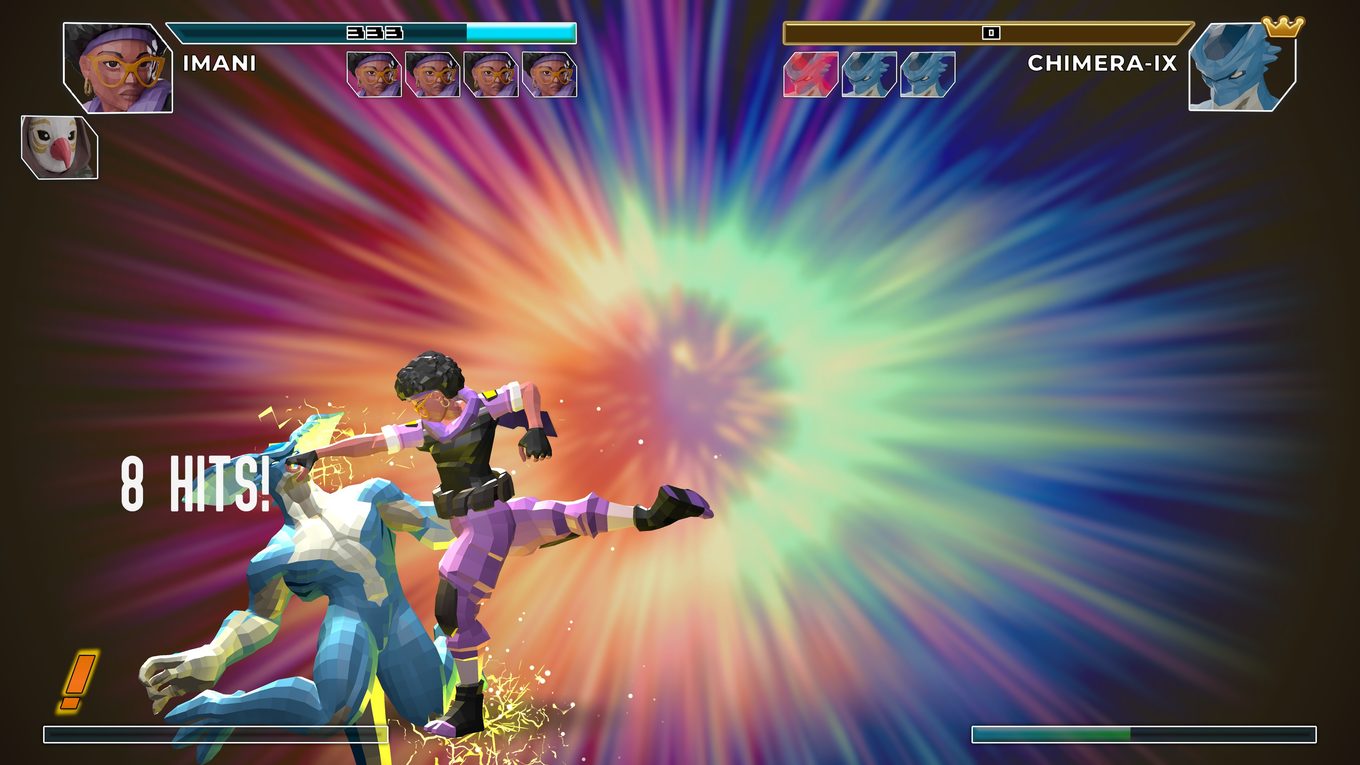
Here’s how the roguelike stuff actually works: after choosing a fighter, you embark on a choice of routes through each act, comprising regular fights, grudge matches, elite fights, upgrades and healing stations. Risk-reward is the name of the game here so taking on tougher opponents should yield bigger rewards, although the layout of Poly Fighter’s runs doesn’t lean far enough into this. It’s generally possible to make life very easy for yourself and still pick up the majority of upgrades along the way.
Opponents usually have two lives. Bosses have more. Win two rounds and you’ll drain their lives and move on, earning back 15% health after each victorious round. Lose a round and you’ll lose a life. Lose all your lives – you start with two – and the whole run’s over.
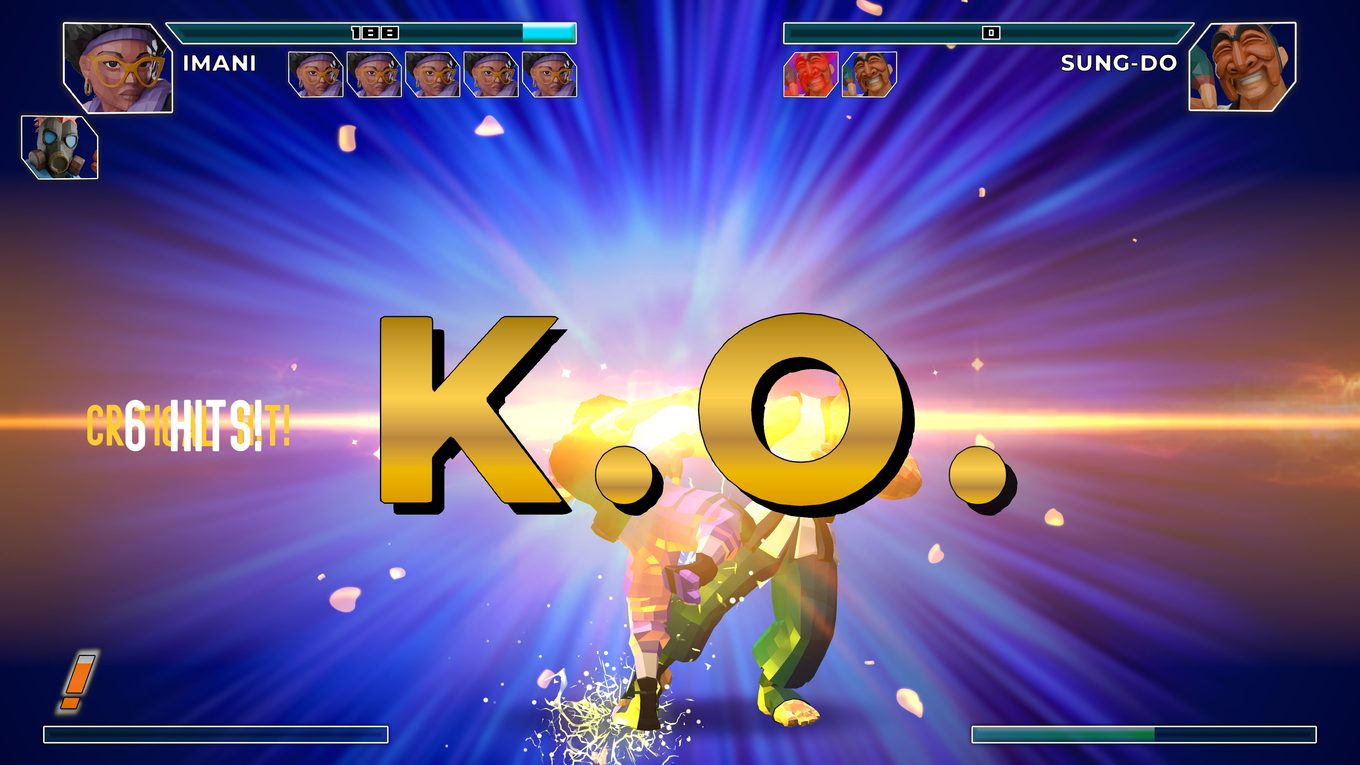
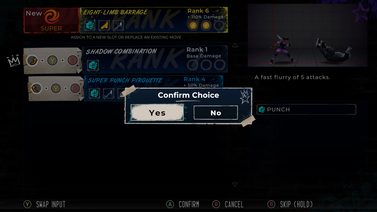
Between fights, you get to cherry-pick from a selection of your defeated enemy’s move list, adding and swapping moves into your own. The deeper you progress, the more powerful those moves get. So your overall strength grows, but so does the focus of your build. You get to choose whether to focus on devastating supers to unleash after building up your S meter, tricksy evades, or specials that bestow specific status effects, allowing you to control the fight.
Compare that to actual Street Fighter, or any other of the genre’s big hitters, for that matter. Yes, losing your run two or three acts in feels like a harsh punishment, but you’re actually getting a tangible payoff for each victory. You can feel your character getting more powerful. That’s a feeling you usually earn by putting hundreds of hours into practicing inputs and memorising frames in this genre. Ergo: Poly Fighter is a much friendlier onboarding to fighting games than most.

It’s early days for definitive statements or scores, since the roster at this point is very limited and the solo content comprises just three acts, with three major boss fights to beat across three different difficulty levels. But the potential for this to become the gateway drug into fighting games is real.