I admit, I’m weary of From Software’s oeuvre. Having been there on the ground floor of the swell of popularity that catapulted it to defining a genre, the gaming industry’s subsequent fascination with difficulty and dodge rolls has left me cold. Which is why Rubinite, from Taichung-based developer Cup Dog Games, is such a pleasant surprise.
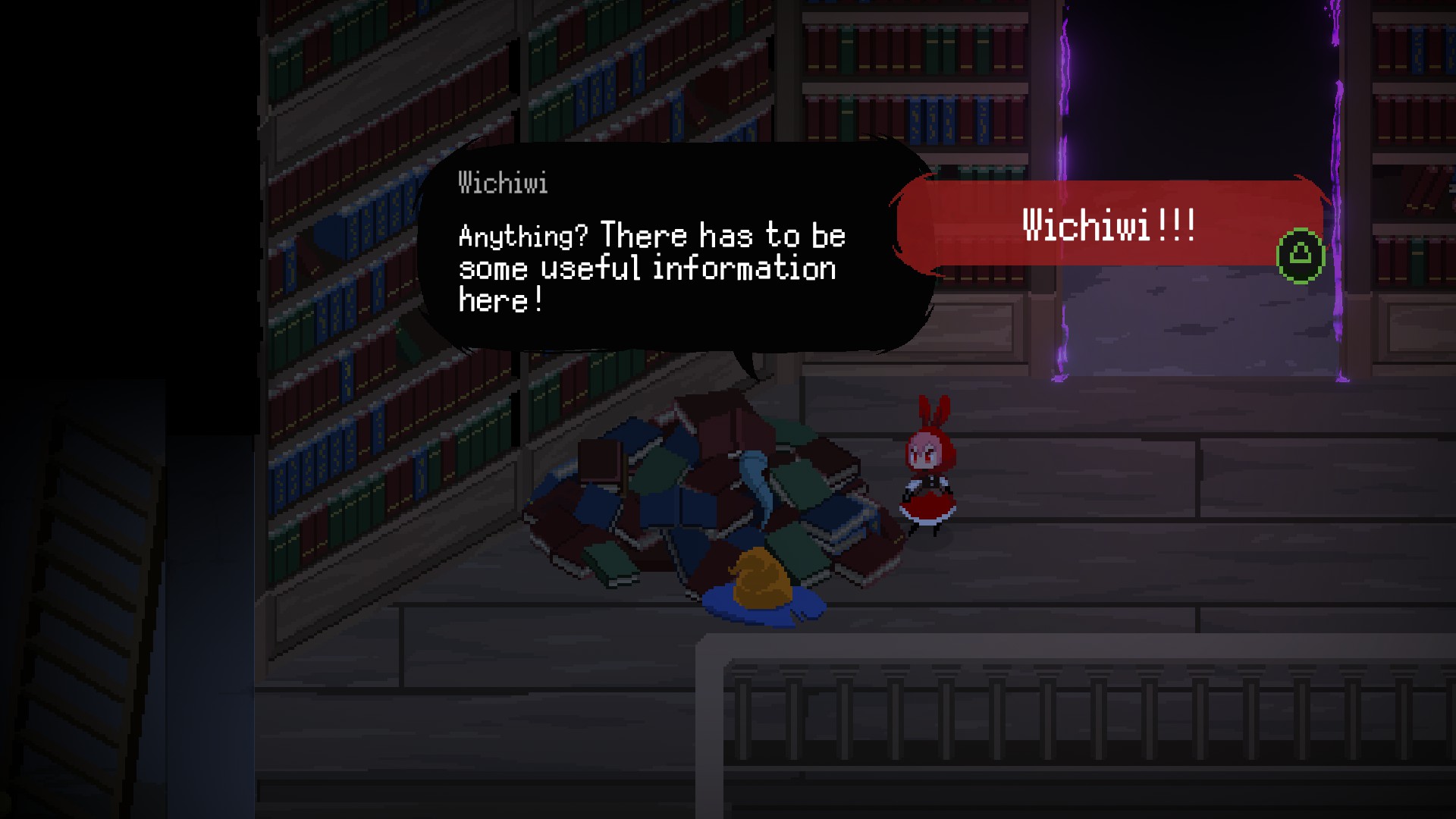
You play as Ruby Scarlet, a dispossessed princess seeking revenge against the Witch, Taken in by Roy, a stoic beast hunter with a dark past and feathered cape, and his lizard pal Wichiwi, Ruby must fight the Bloodstained. These creatures are formed of Pureblood and bar Ruby’s way back to the Royal Capital and out of the dream that traps her.
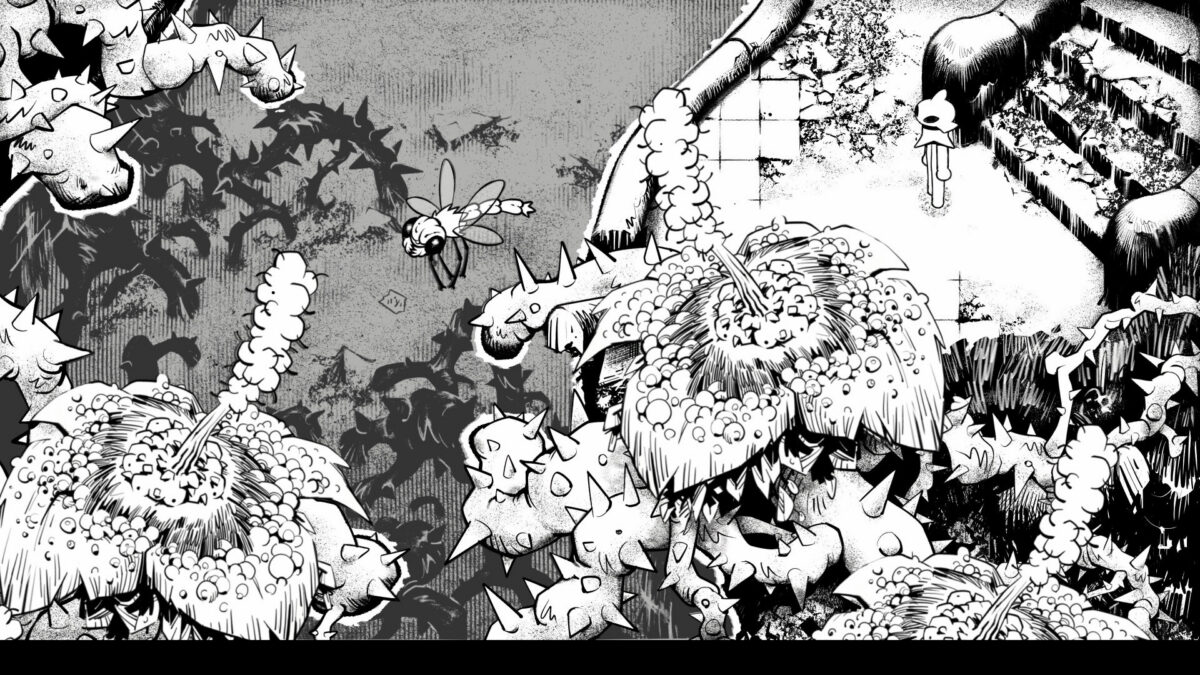
All of which is rendered in beautiful, dynamic pixel art. Which is an important point of difference because, beguiling as Rubinite is at its best, it’s not exactly subtle as it pushes the boundaries of what constitutes homage.
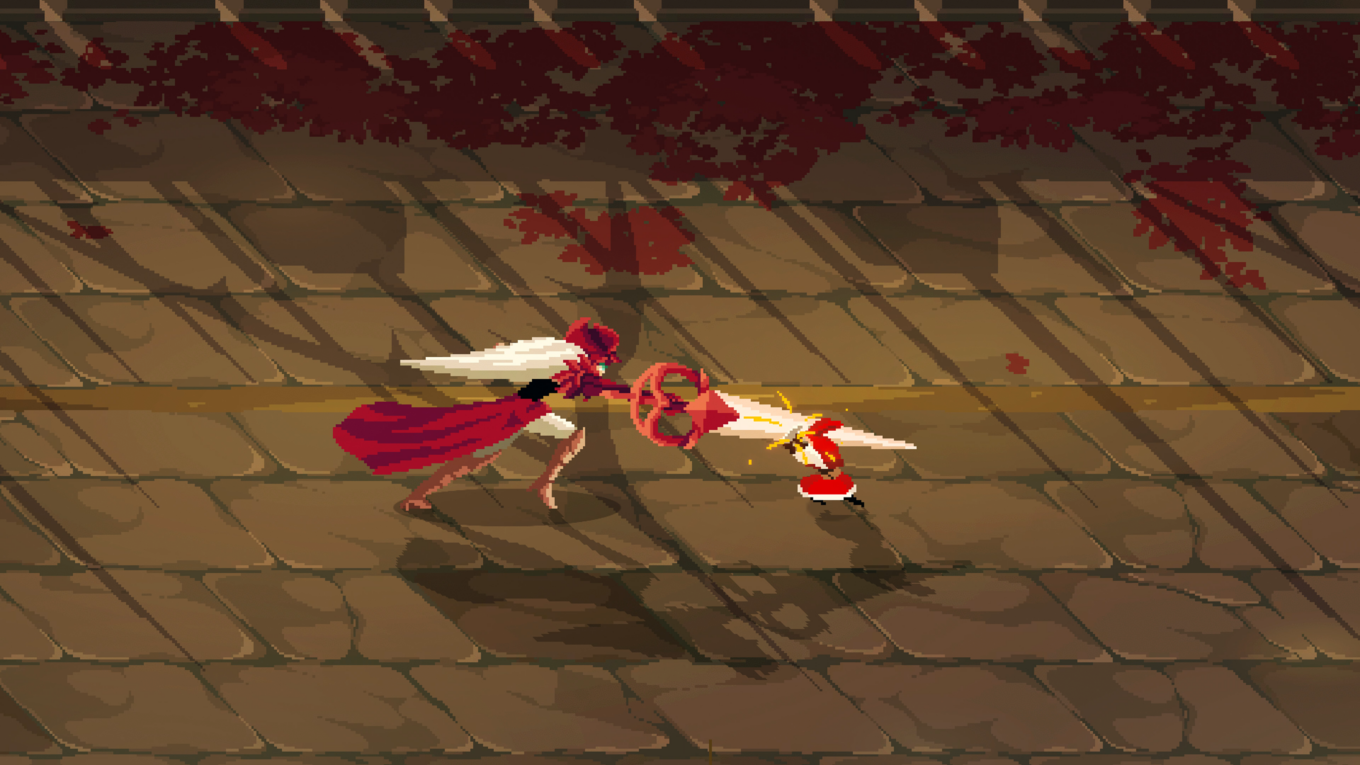
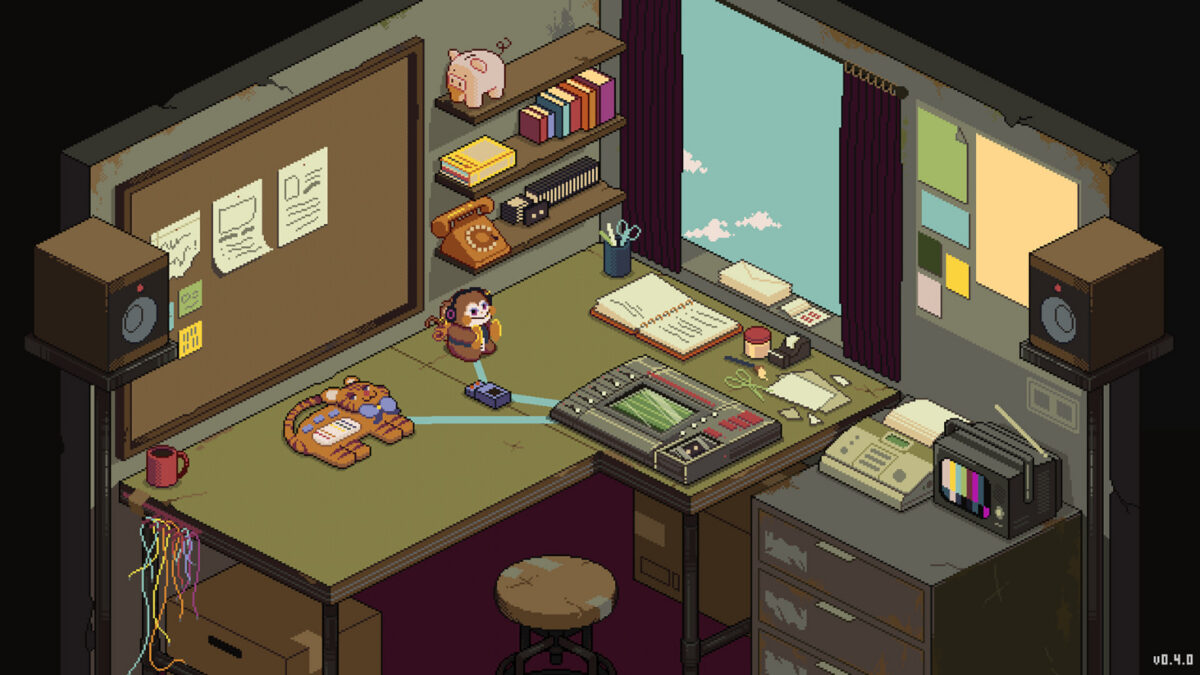
Saving Rubinite from the more actionable end of the tribute spectrum is offering what From Software fans beg from each new Soulslike. You do not explore an expansive world in Rubinite. Instead, you navigate to a point on the map and walk straight up to the boss. These reflect the environments you do see in being complex, beautifully designed, and more than a little unnerving.
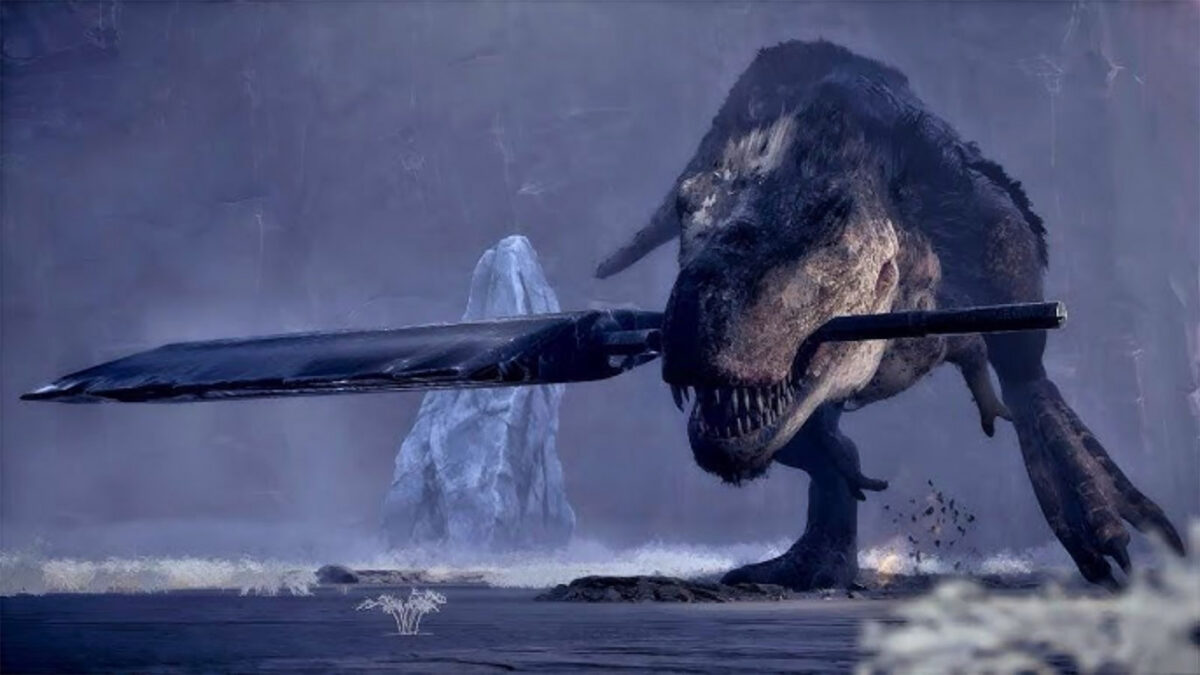
Your chief way through this boss rush is Rubinite’s focus mechanic. Your knife isn’t useless, but to do real damage you must identify a boss’ weak points — the location of its Pureblood crystal. Holding the right trigger narrows your focus and fills a meter above the boss. Each time it fills, you add up to three Pureblood Marks to the boss counter.
Those marks remain attached to a Bloodstained until you press the left trigger to initiate a slashing attack, or until you’re hit. Closing the distance with a boss makes that meter fill faster while performing a perfect dodge will add a Pureblood Mark immediately. Like Bloodborne’s rally system, it’s an elegant way to encourage players to stay in the fight.
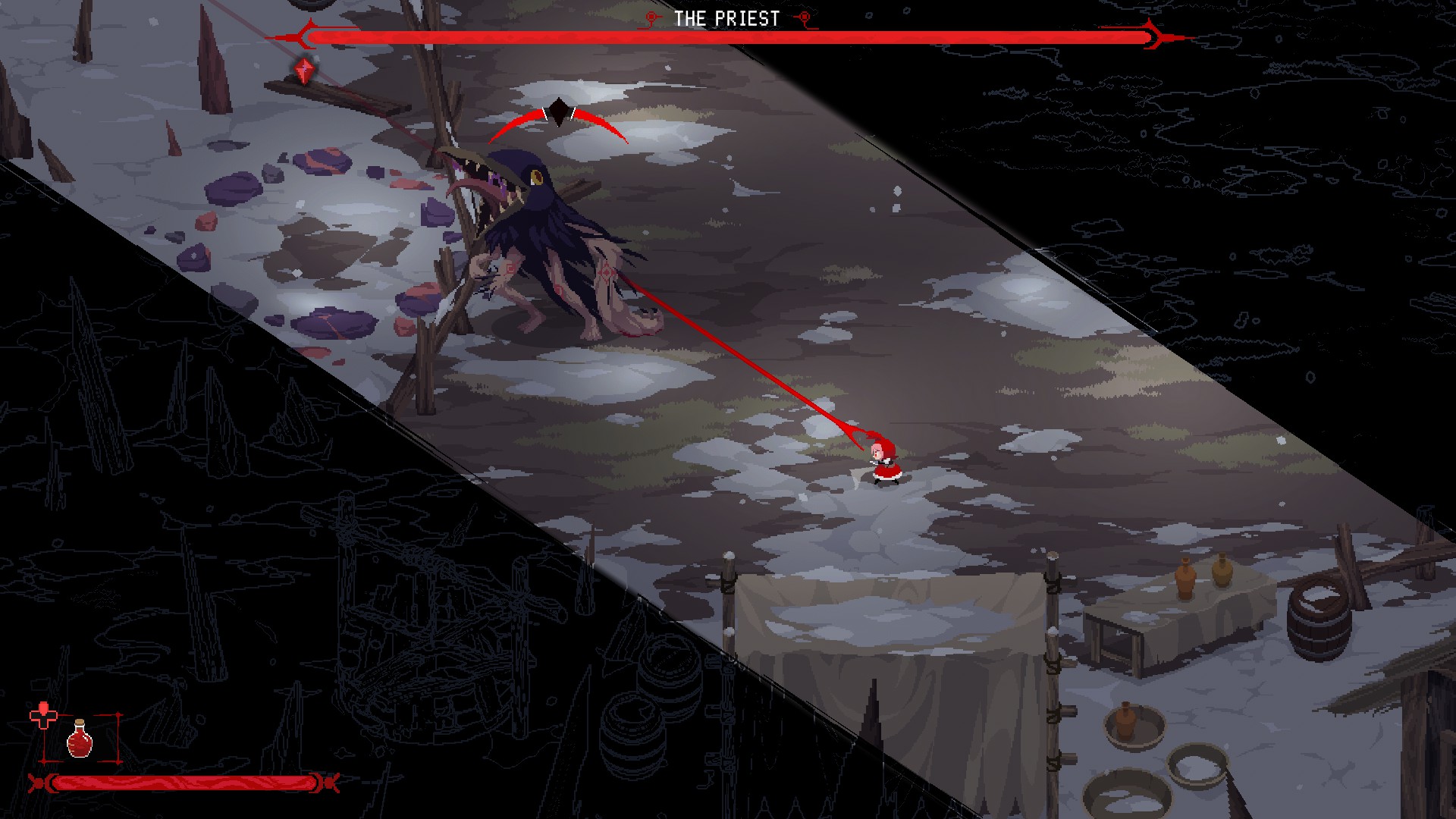
You’ll likely be tempted to stay in focus as much as possible. But Rubinite demands a more flowing style: switching from focus to tight dodges, light attacks, and pulling enemies from the air with projectiles. All of which might prove the difference at the end of a long fight – and some are long. Cup Dog Games isn’t playing around.
The lack of progression levels and other enemies provide is mitigated by not losing anything -including Blood Dust, Rubinite’s chief currency – on death. You’ll receive some Blood Dust at the halfway point of a fight, too, and can even leave a fight to upgrade at your home base, the Cathedral. There, you can pick up an extra potion, upgrade your skill tree, and equip talismans for buffs (and debuffs).
With that said, none of Rubinite’s bosses are too difficult to learn or possess so broad an array of attacks to feel unfair. At least, not as a baseline.
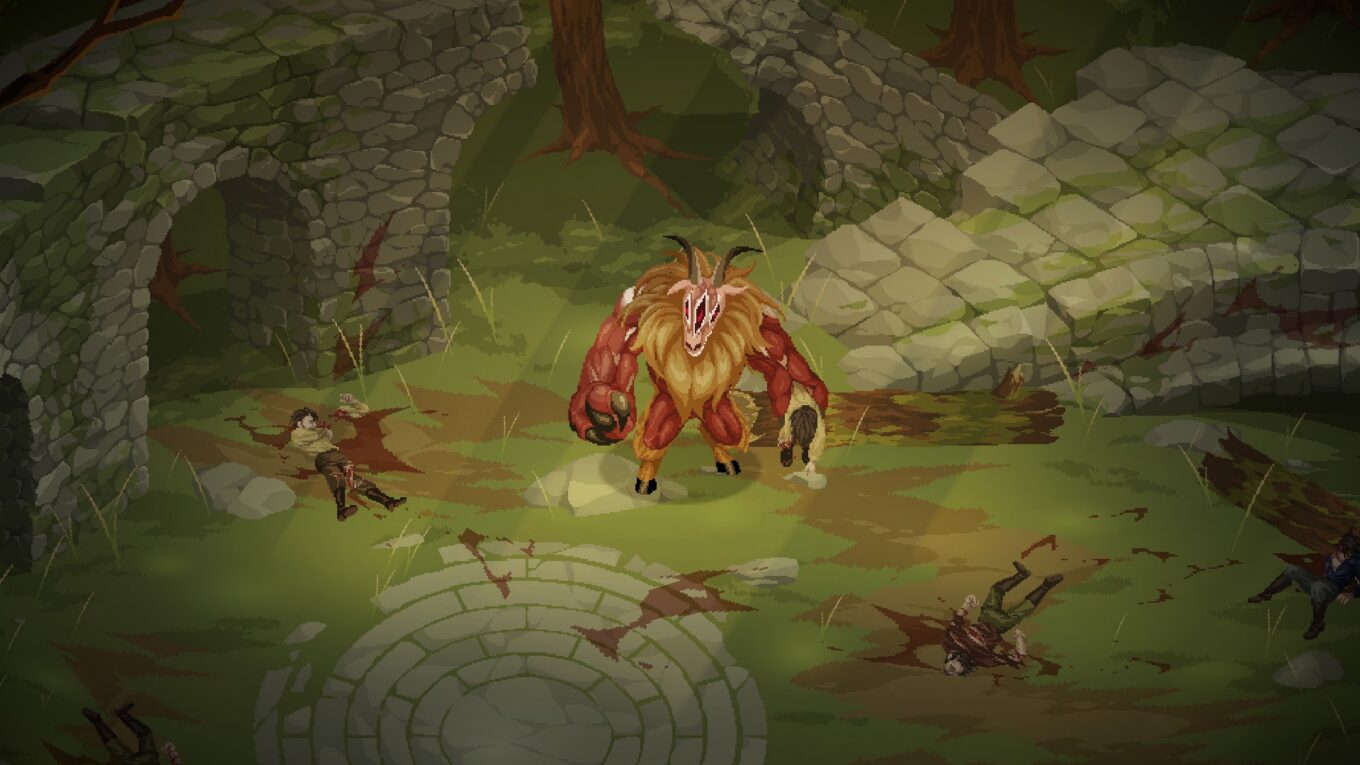
All of that makes combat in Rubinite a fun, well-choreographed puzzle as the best boss fights in this genre are. It is clear that Cup Dog Games has put a lot of thought into Rubinite’s Bloodstained. Despite stripping away a broader slate of enemies, however, those bosses are not all you must contend with.
Some of this is a consequence of the focus system. It narrows your vision and leaves the rest of the screen blacked out. While that concentrates you on the boss, you’ll be unable to track the projectile they all deploy. This is further proof you shouldn’t be sitting in focus mode exclusively. But it will start to feel unfair as you consistently get hit by something from off-screen to which you had no realistic chance of reacting.
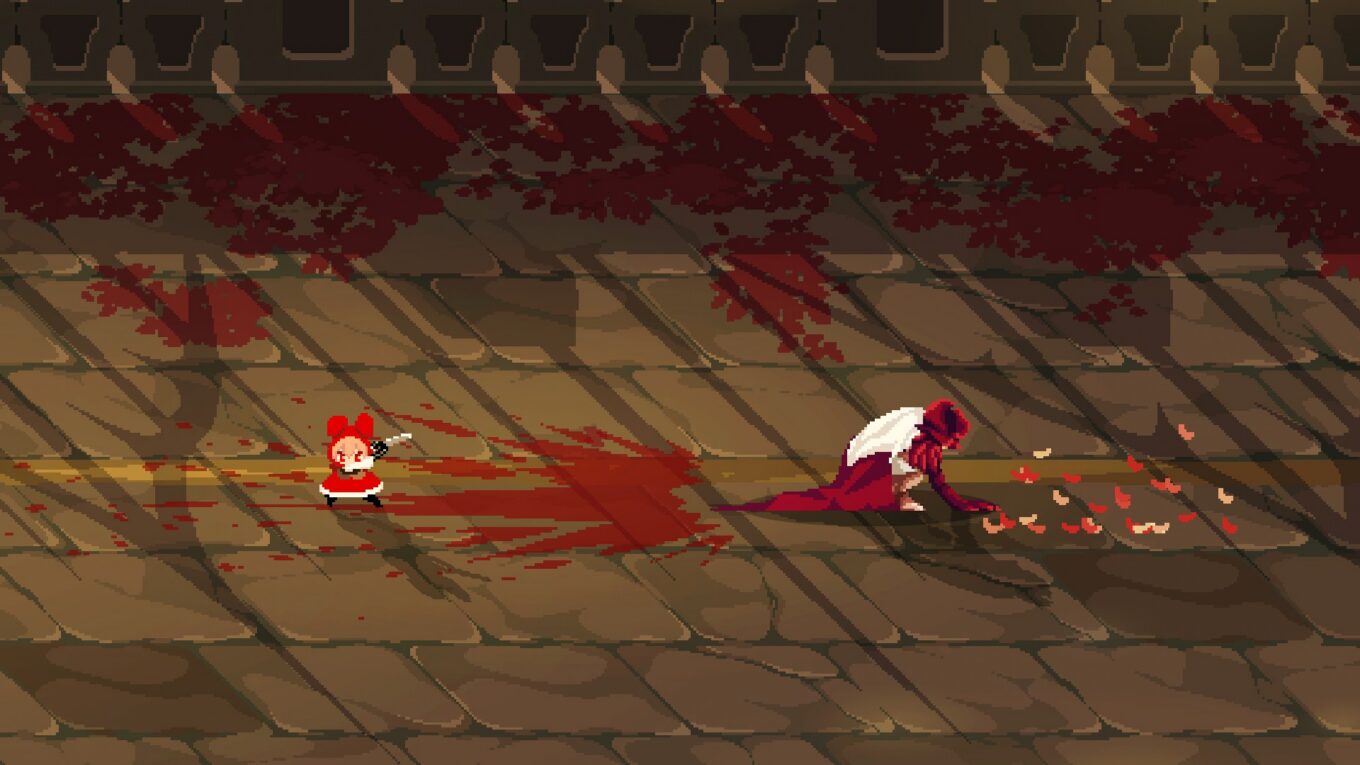
How Rubinite manages inputs can amplify that sensation. Ruby can move, dodge, and perform light attacks while focused. She cannot, however, unleash her slashing attack. You must release the focus button and then press attack — even then, some bosses will stop you doing so, the only indicator of which being a small cross above their heads. It’s an unintuitive process that, across multiple playthroughs, I never got to grips with.
All of that coalesces around imprecise hitboxes. I did not encounter a single fight in which I wasn’t taking hits, even dying, from attacks that I was certain I’d dodged or countered. Some instances might be on me. As a seasoned Souls campaigner, I do have a habit of dodging into an attack and that is not wise in Rubinite where Ruby’s dodge roll does not appear to have invincibility frames.
But when you’re hit by a forward-facing attack a second after you’ve successfully dodged behind a Bloodstained or struck by projectiles that aren’t near you, one cannot help but feel hard done by. If you can mitigate some of the game’s difficulty through its more generous features, there’s little you can do about Rubinite’s mechanical failures.
Another option is to adjust the difficulty. Rubinite offers a “normal” and “story” mode. Though the direction of travel only goes one way. You have no option to move out of story mode and back into normal difficulty. Rubinite isn’t the only game to do this, but locking you into its story difficulty does feel like a punishment for selecting it.
Worse, that mode doesn’t actually change the difficulty. Rather, it’s the only mode that offers accessibility options. You can make dodge timings more lenient, make the window for perfect dodges bigger, and increase Ruby’s damage output up to a generous 1000%. All three are settings that should be staples of the genre and that we’re starting to see filter into similar titles, along with a broader level of customisation of the player experience. To lock that behind a difficulty setting, one that in its permanence is naturally dissuading, is a particularly callous decision.
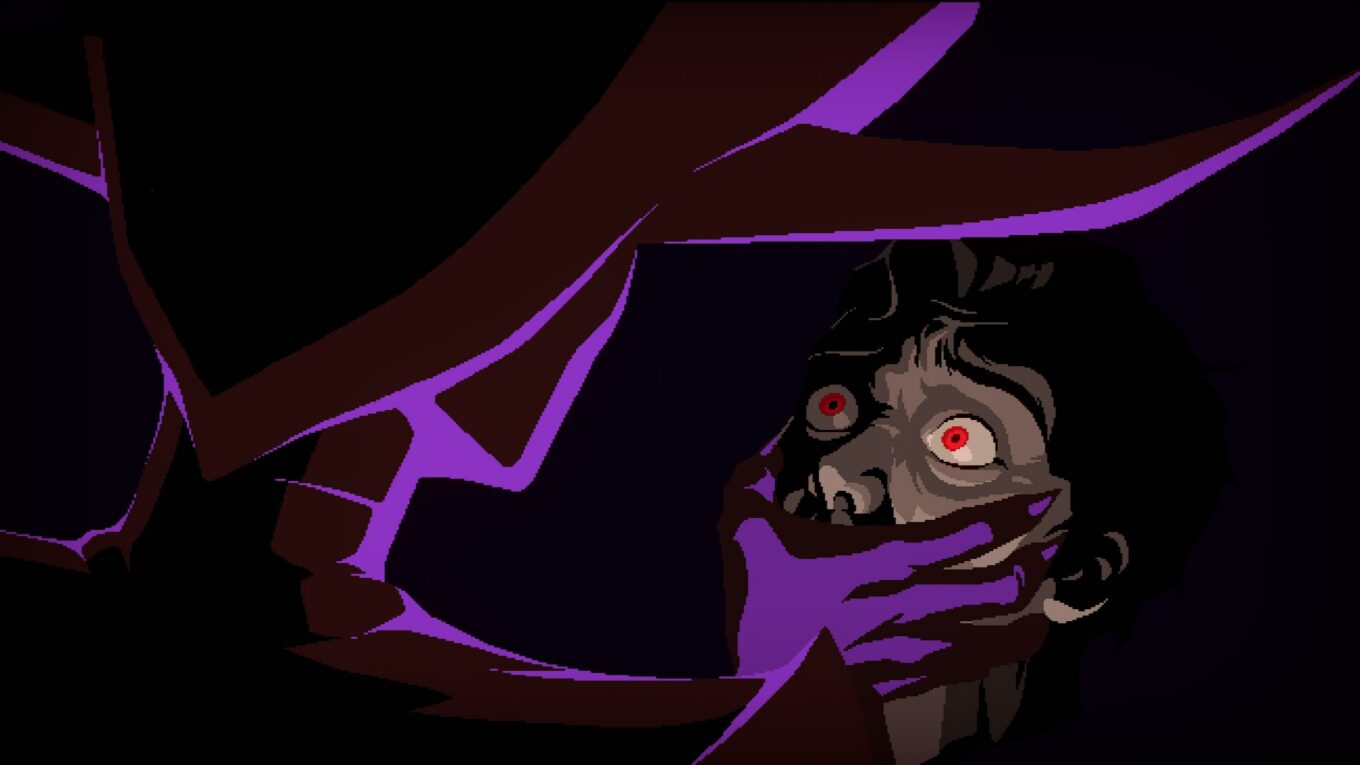
It’s also a shame, as exploring story mode after my first playthrough made it clear just how much potential there is in a game like Rubinite offering even more customisation. In a flood of Soulslikes, a boss rush rendition that is even harder and is built on the premise of offering the player a highly-personalised, customisable experience through options traditionally reserved for accessibility would be something bold, innovative, and genuinely special.
Rubinite’s story mode drifts close to the concept but pulls back a long way short. Wishful thinking as all that may be, what the current attitude to difficulty options does now is limit the potential for players to maintain flow. If you do get stuck, the ability to shift to story mode to learn a fight, even overcome a troublesome boss, would be welcome.
Something only truer in Rubinite’s post-game where it emulates From Software’s formula of forcing players into new game plus. Rubinite offers new narrative beats in new game plus. It also forces you into a mode with no UI and in which you can only take one hit. For a game that is framed as a boss rush, adding the potential for severe bottlenecks is an odd decision.
Even that framing is slightly dubious, however, because I’ve buried a significant lede. There are only nine bosses in Rubinite’s base game. Each fight, if you can avoid their rougher edges, is slick and colourful — powered by the game’s electric art direction and animation.
After each, however, you must return to the Cathedral to engage in lengthy, and unskippable, dialogue with Roy and Wichiwi and explore narrative vignettes that elucidate Ruby’s, and the Witch’s, past. This is actually where you will spend the majority of your time.
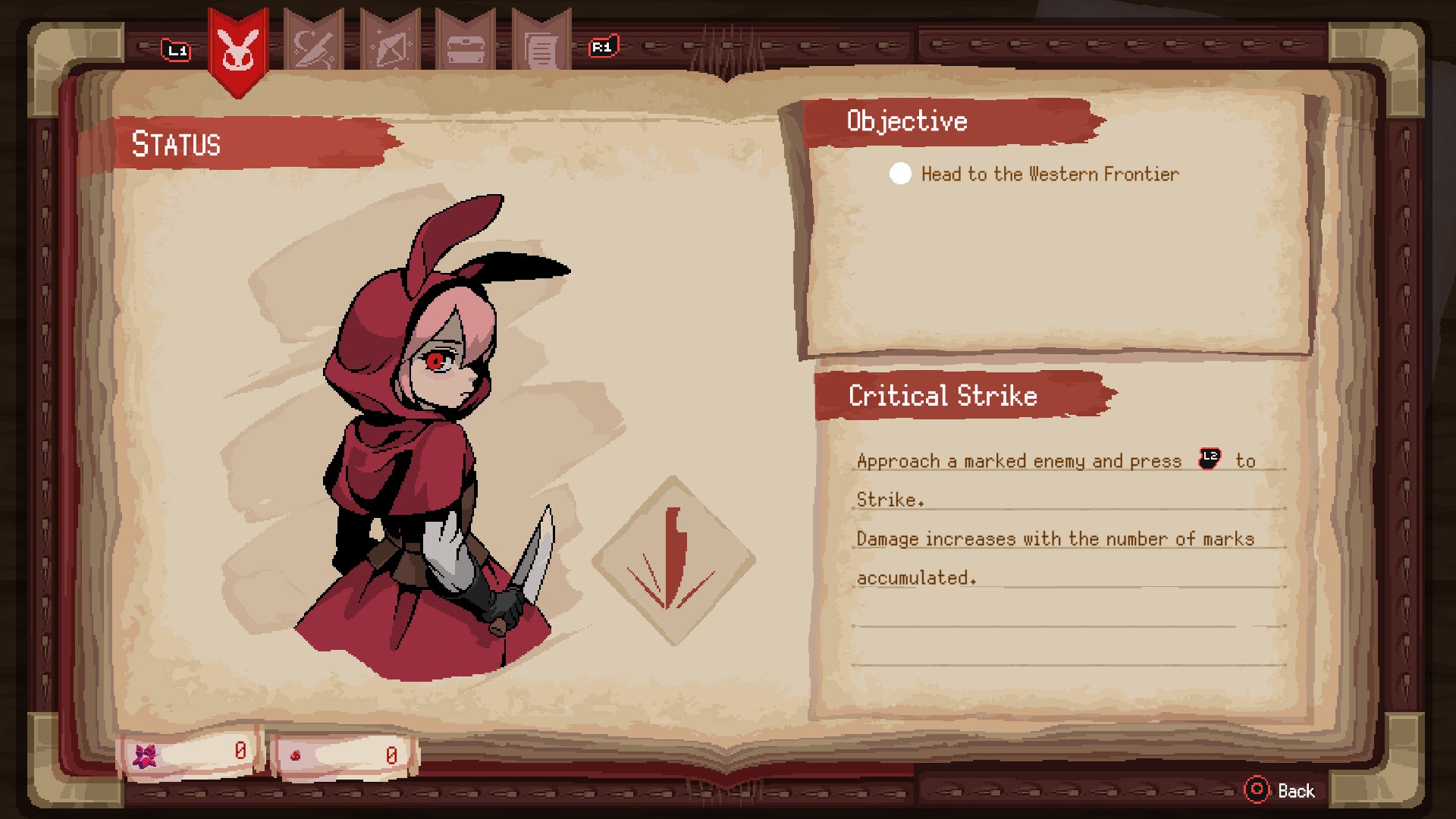
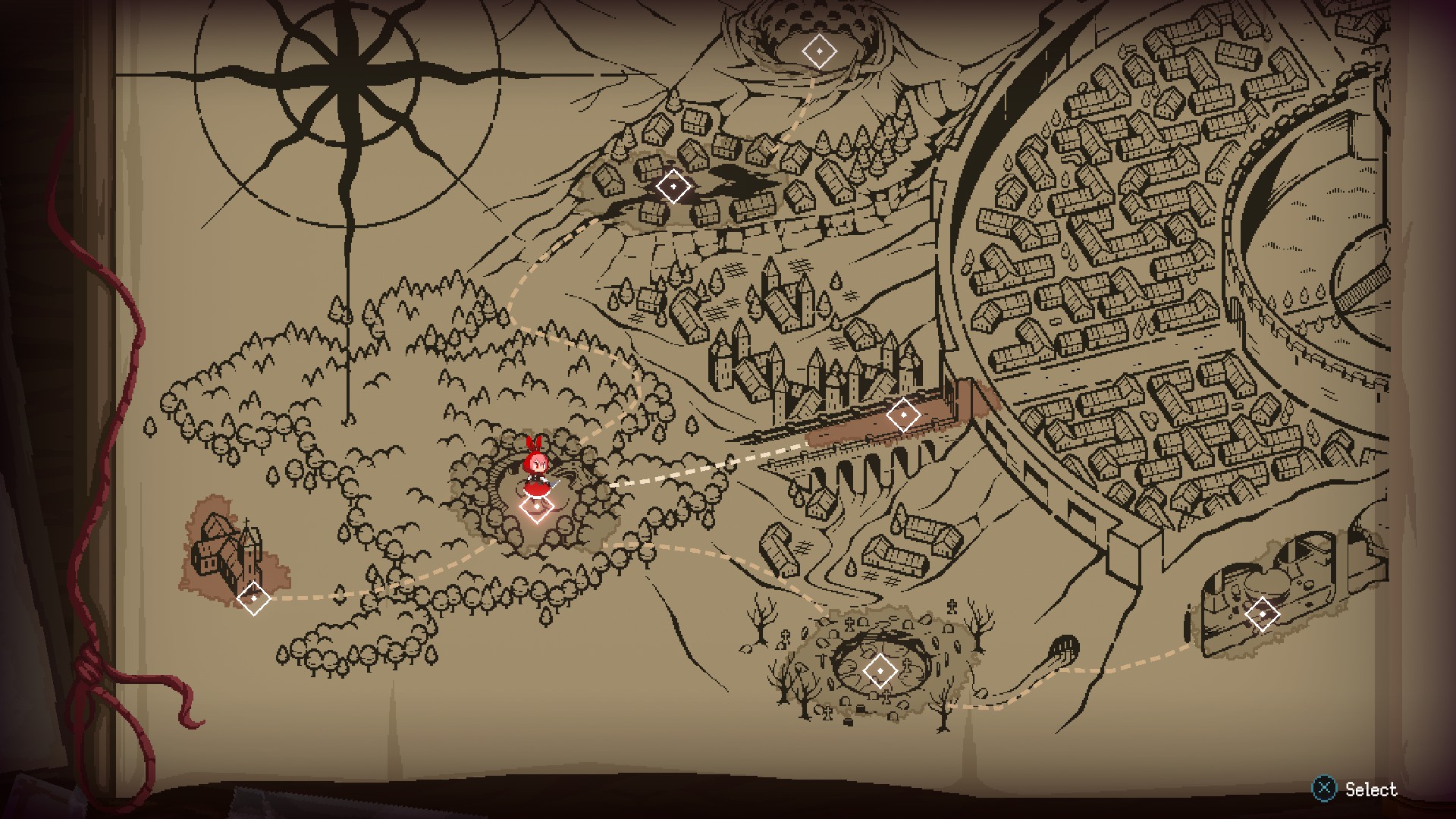
These interludes aren’t poorly written; they have moments of genuine levity and wit, but they are long; much longer than any of Rubinite’s boss fights. The idea of a boss rush is to do away with the excess and provide a streamlined avenue to what many consider the best part of Soulslike games. Rubinite does that, yet transplants all of it into the game’s fairly uninspiring hub.
The result is that the momentum that makes boss rushes exhilarating when done well grinds to a constant halt. Maybe that’s intended to hide just how short Rubinite would be without narrative interruption. But it adds to a sense that a more interesting version of Rubinite is hidden behind what ultimately becomes a compilation of From Software’s greatest hits.