
I’m always appreciative of games that want to break the homogeneous mold when it comes to artistic directions. There’s a sea of projects created in Unreal Engine that is vast and grey and photorealistic. At some point, unless the developers deliberately attempted to mark a difference from the ground up, it all starts to look a bit same-y. Ironically, Stupid Never Dies is built in Unreal Engine 5. There are moments where this is painfully clear. Yet, developer and publisher GPTRACK50 Inc. is constantly challenging tech with art that is brimming with personality.
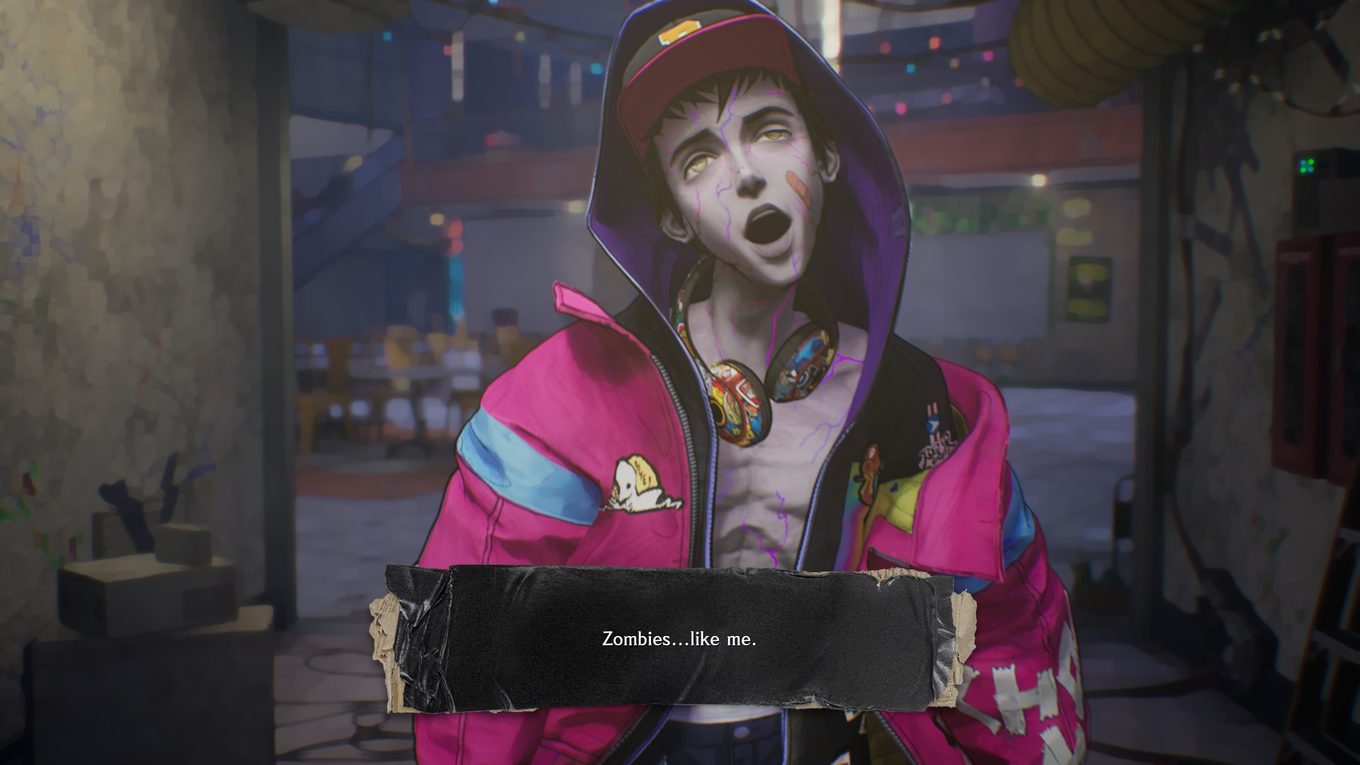
From the moment you get to the main menu, you’re given the option to watch a music video, which channels the energy of an early 2000s pop-punk song. Stupid Never Dies as a whole feels like a time capsule, introducing itself as an action RPG similar to the works of Grasshopper Manufacture (in particular Lollipop Chainsaw) and games like Sunset Overdrive. Such as its influences, GPTRACK50 takes fairly familiar structures and injects them with its own universe and creative force. When it comes to actually experiencing Stupid Never Dies, the result is a bit sluggish and far from cohesive. But it has an undeniable charm that’s nonetheless arresting.
The action RPG is carried by Davy, who is a weak and, as the title implies, quite stupid zombie. In this world, humans lived a somewhat peaceful life until monsters decided to show up one day. This didn’t create much of a conflict, however, humans were able to fight back and even tame said creatures and use them for entertainment. One day, however, monsters equipped themselves with so-called overtechnology, and banded together to annihilate almost all of humankind.

When monsters decided their social hierarchy, zombies, such as Davy, were placed at the very bottom. To make matters worse, once the final conflict started, Davy decided to simply avoid participating, and is now considered a deserter by his fellow undead comrades. In the midst of everything, he ends up stumbling upon a woman sitting still inside a freezer in a mall. The zombie immediately falls in love, and makes it his mission to try and bring the mystery woman back to life.
With the help of quite a peculiar doctor and a modified toilet, you must plunge into randomly generated layers filled with monsters to feed on them, grow stronger, and eventually defeat the top members of KOM, the group that carried out the attack on the humans. The plan is that, once they’re all taken care of, Davy will be able to use their power to reanimate the frozen damsel in distress.
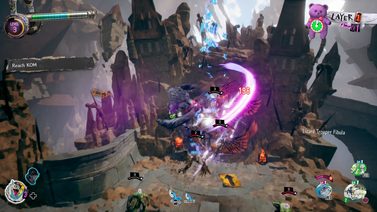
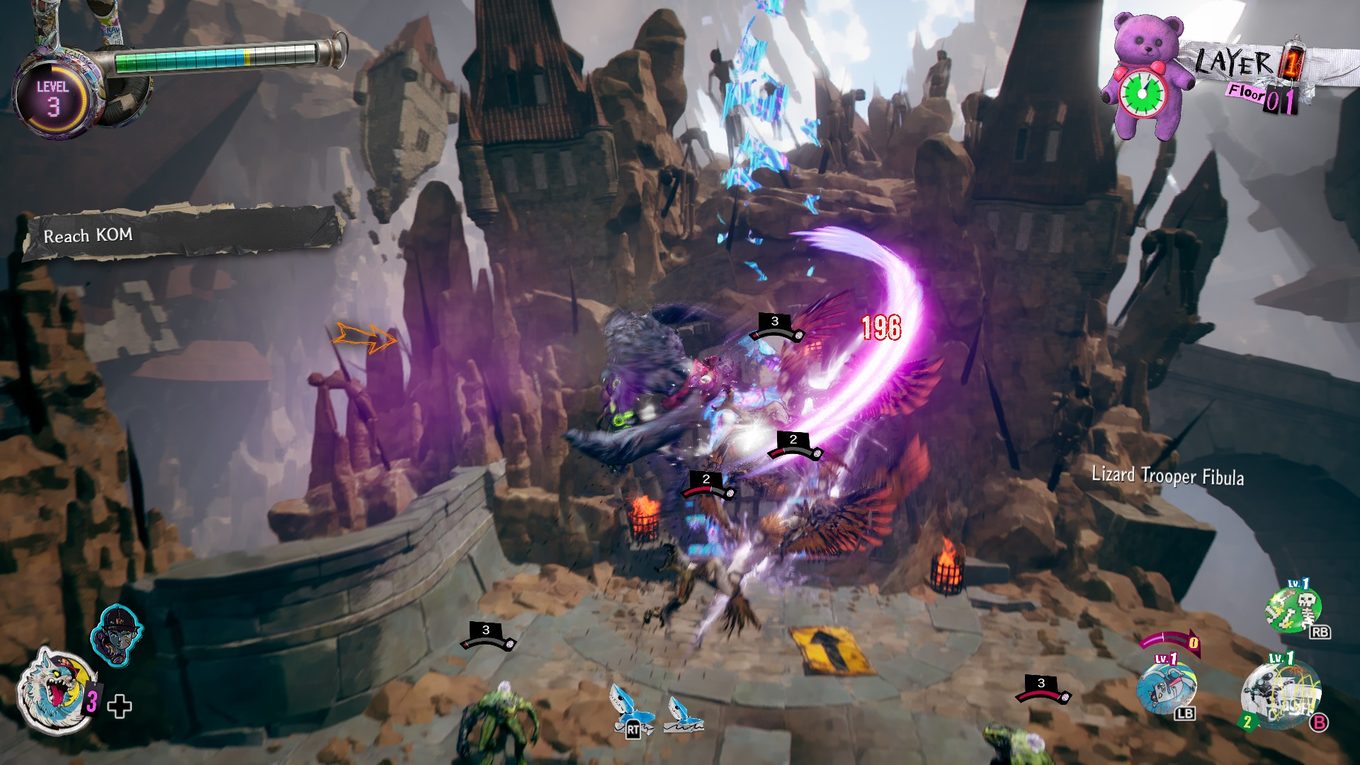
In essence, Stupid Never Dies is structured as a roguelite. The mall is used as a hub where you slowly gain access to new shops and facilities run by similarly eclectic characters as the doctor. Then, most of your time is spent in the dungeon, which has you clashing against all sorts of enemies pretty much one group after the other until you find the exit. Once you do, you move to the next layer, repeat it all over again, and see how deep you can get before either your health or the ticking clock on the right corner runs out.
As per the actual smackdowns you take part in, combat is much closer to a brawler than a full-on hack and slash. Don’t expect combos here, but rather copious amounts of button mashing. Enemies are, for the most part, similarly unimaginative when it comes to attacking you. There’s a decent variety, but only a few of them actually have different enough movements to distinguish themselves from the rest.
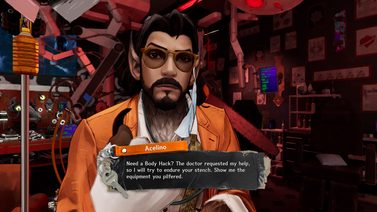
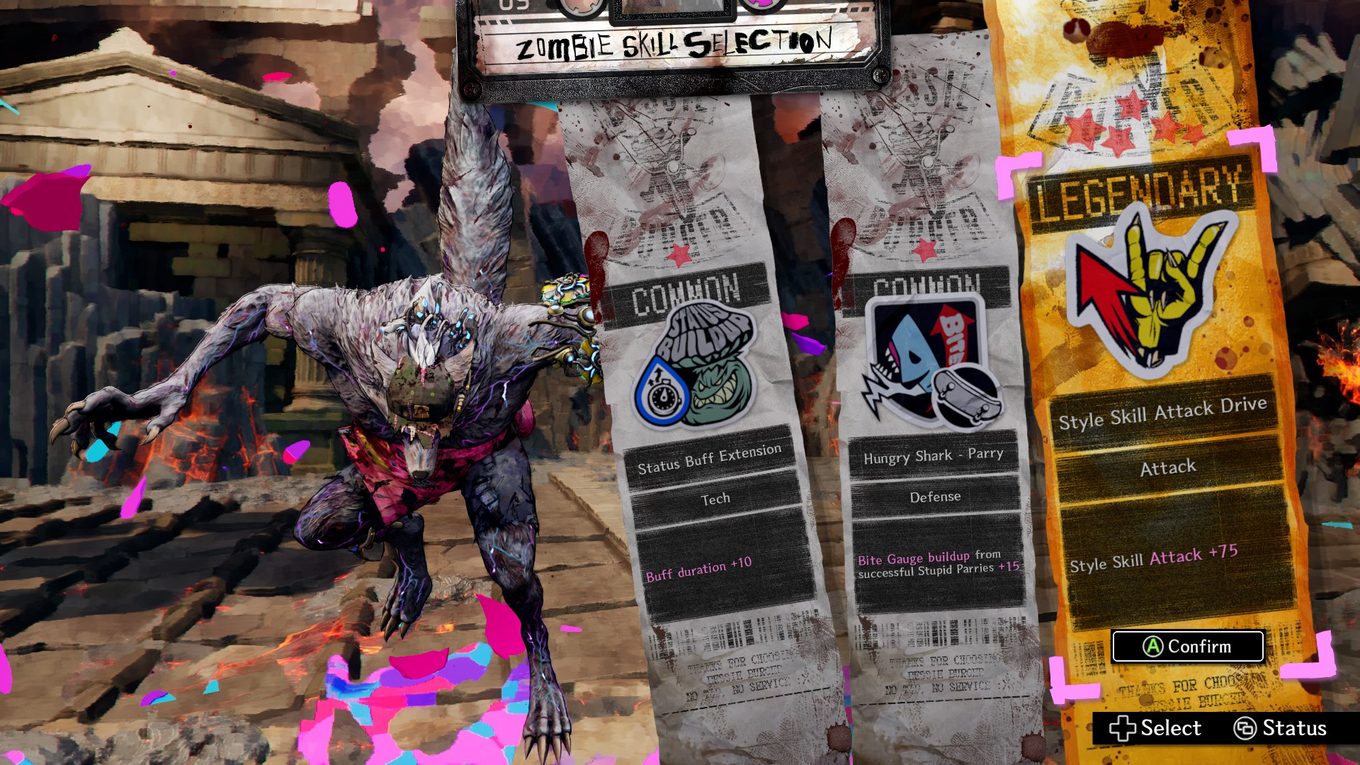
To Stupid Never Dies’ credit, there’s an effort in keeping things fresh during each run. This comes in the form of body modifications that you can install on Davy, which grant passive bonuses as well as special attacks. Whenever you level up, there’s also a chance of getting to pick one out of three random upgrades. The loot you accrue during runs informs both of these mechanics, as once you get back to the mall (if you’re unscathed, that is), the corresponding shopkeepers will use said materials to increase the offerings and have more options to choose from.
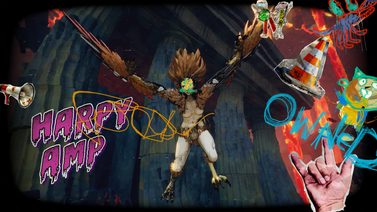
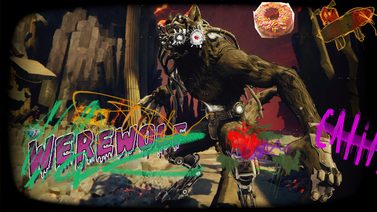
The most substantial mechanic by far is the use of styles, which are basically transformations for Davy. Normally, biting and feeding from enemies is used to heal yourself, but some specific foes will become a style that you can opt into. For example, Davy can become a super fast and ferocious werewolf or a harpy that’s a tad slower but can take flight and also shoot projectiles at a distance – the latter being extremely helpful for flying enemies. which are always a hassle to target in mid-air. Styles have a use limit and usually only last for a couple of layers, but I found them to be more engaging than using plain Davy in his zombie form.
The problem is that, while these ideas are all promising on paper, the overall feeling of the combat feels sluggish and uneven. Fights against normal enemies can be slow and repetitive. Bosses and some special foes add variety, but aren’t exactly groundbreaking, and some suffer from the same monotony of regular monsters. The roguelite structure doesn’t help much, either, as runs begin to feel quite same-y after you’ve put a good couple of hours into the game.
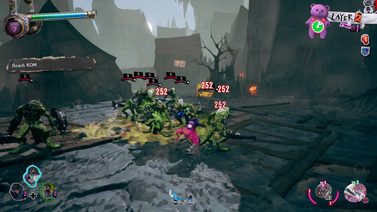
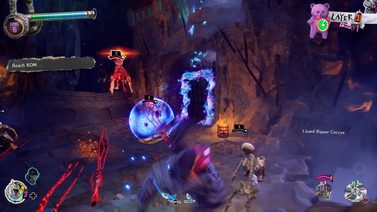
Stupid Never Dies has an interesting mechanic at its core related to progression, making it so every time you finish a run, the total number of enemies defeated and experience you’ve obtained is added to a meter. During the next run, that meter serves as an experience multiplier. Simply put, even though Davy starts at level 1 each time, the leveling-up process is increasingly faster. The overall structure takes this into account, allowing you to skip X number of layers if you can put up with increased difficulty. It’s smart, especially considering that runs are all tied to a timer. Yet, after a while, it can all be quite repetitive until you finally get to the lower depths and resume where you left off in the past run, whether that’s plunging further down or tracking down new bosses.
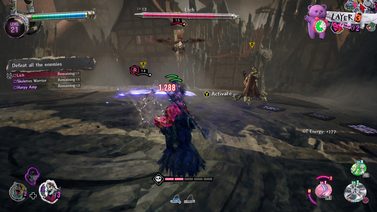
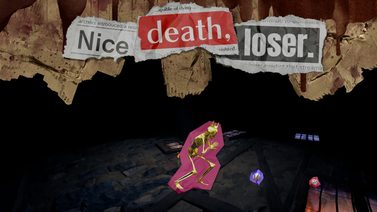
As far as roguelites and brawlers go, there are other experiences out there that excel in ways that Stupid Never Dies simply does not. That being said, none of them have a similar art style. Anything from cutscenes to the UI carries an early 2000s music magazine vibe that is constantly arresting. There’s a sketchbook vibe of sorts embedded in almost everything you see on screen that I found compelling all the way through. For example, when Davy dies, a golden skeleton shows up and grabs all the materials and loot you just lost while laughing. It evokes the feeling of a game over screen on an arcade cabinet taunting you to run to put more quarters or run to the nearest station to recharge your card and keep on playing. Sadly, the music ended up being quite generic, and I feel that a few licensed tracks could have really made the setlist shine. But it’s serviceable enough.
I’ve played dozens of games this year, including some excellent roguelites. The inner parts of Stupid Never Dies aren’t cohesive enough with each other to fit that category. Yet, it’s still worth experiencing solely to bear witness to the massive effort put into making a fairly simple premise into a visual feast. Regardless of my gripes with combat and how the overall structure plays out, for a game featuring an undead protagonist, its heart is one that beats proudly.