
Tenebris Somnia’s protagonist, Julia, has a recurring nightmare. Every night, she witnesses her ex-boyfriend being attacked and torn apart by monsters. The former couple hasn’t spoken to each other in a while, but the dreams aren’t ceasing. As worried as Julia is, however, she has been unable to get in touch with her ex-boyfriend. Thankfully, she still has her spare key to his apartment.
This survival horror adventure takes cues from classics of the genre such as Clock Tower and Silent Hill, as well as drawing from retro point-and-click experiences. The presentation as a whole is embedded in these classic influences, with solid pixel art and the right sound effects to boot. Yet, that’s only one part of the experience, as Tenebris Somnia features full-motion video (FMV) cutscenes that are intersected with its video game counterpart, making for a stark contrast between the two. This intersection is promising, but ends up doing quite a bit of heavy lifting by bolstering a concept that is bogged down by odd design choices.
As a genre, horror games have been undergoing a renaissance for a few years now. The likes of the Resident Evil 2 remake helped to regain attention in the AAA space back in the day, which has had a domino effect that has led to Konami working on not only remakes, but also brand new titles in the Silent Hill series. Yet, it’s independent developers who have come up with left-field ideas and concepts, iterating on classic concepts through a modern lens.
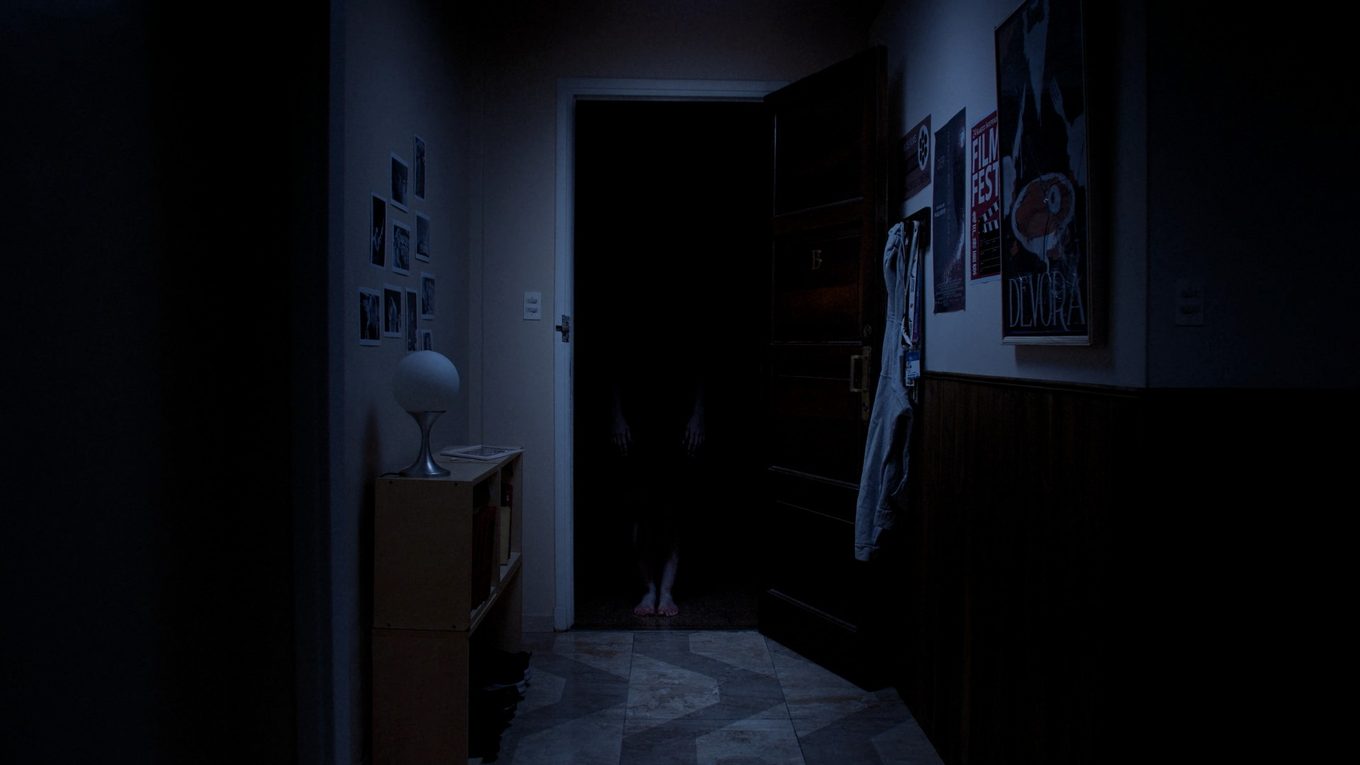
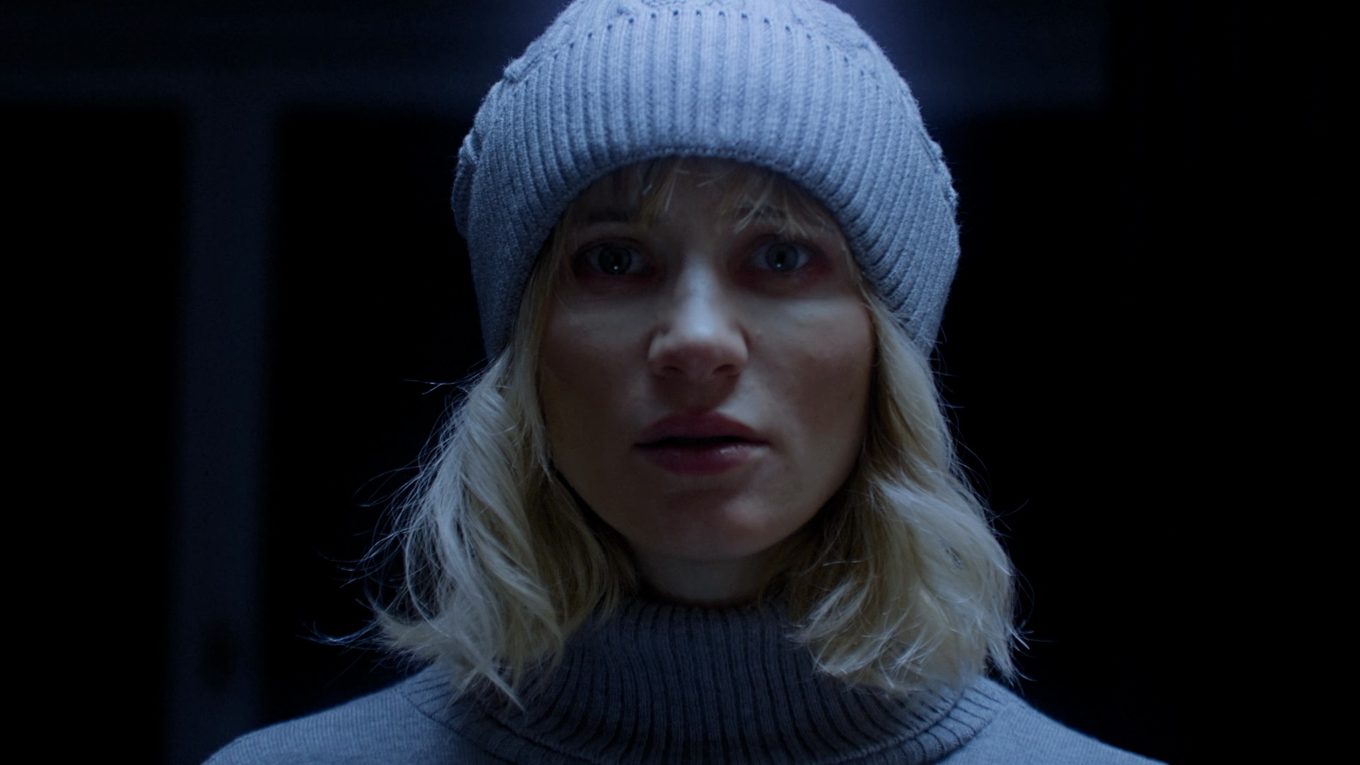
Tenebris Somnia is paved by two main influences. Regarding its video game aspect, it feels in line with the likes of Faith: The Unholy Trinity – a connection that makes even more sense when considering that the creator has worked as an executive producer on the project. The second one pertains to its FMV. Working with a crew from Argentina, which is where main developer Saibot Studios is based, the cutscenes help to elevate the story with a somber tone, as well as adding the visual impact of witnessing actors juxtaposed to their pixel art depictions back and forth.
The latter was presented as quite a novel concept back when Tenebris Somnia was first teased years ago. In the time since, horror games like Immortality pushed the use of FMV in the medium in new and eerie ways. Studios such as Remedy have been toying with this for a while, taking it to an extreme with fellow horror title Alan Wake 2, juxtaposing jump scares and other story-related appearances with the video game counterpart.
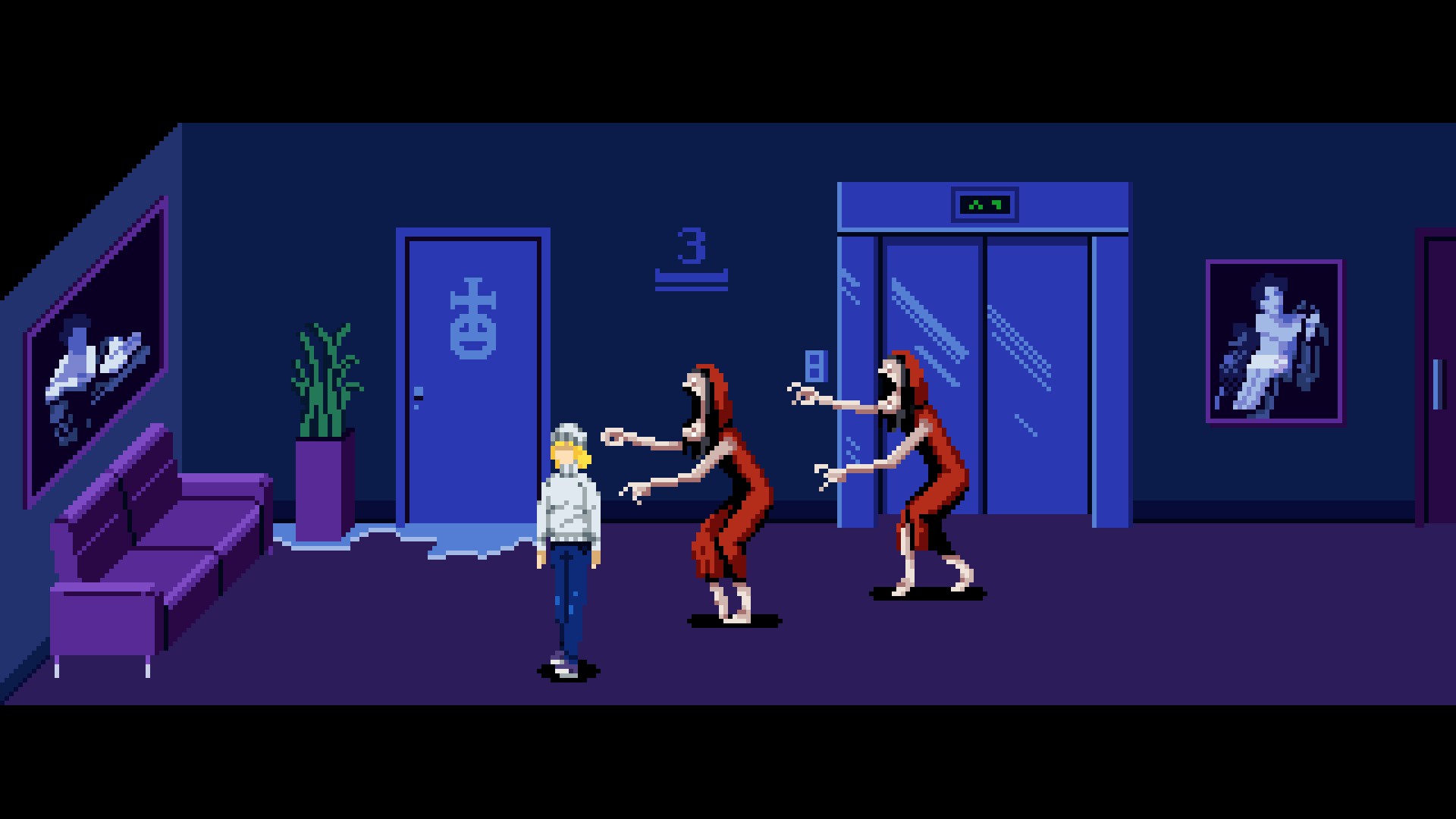
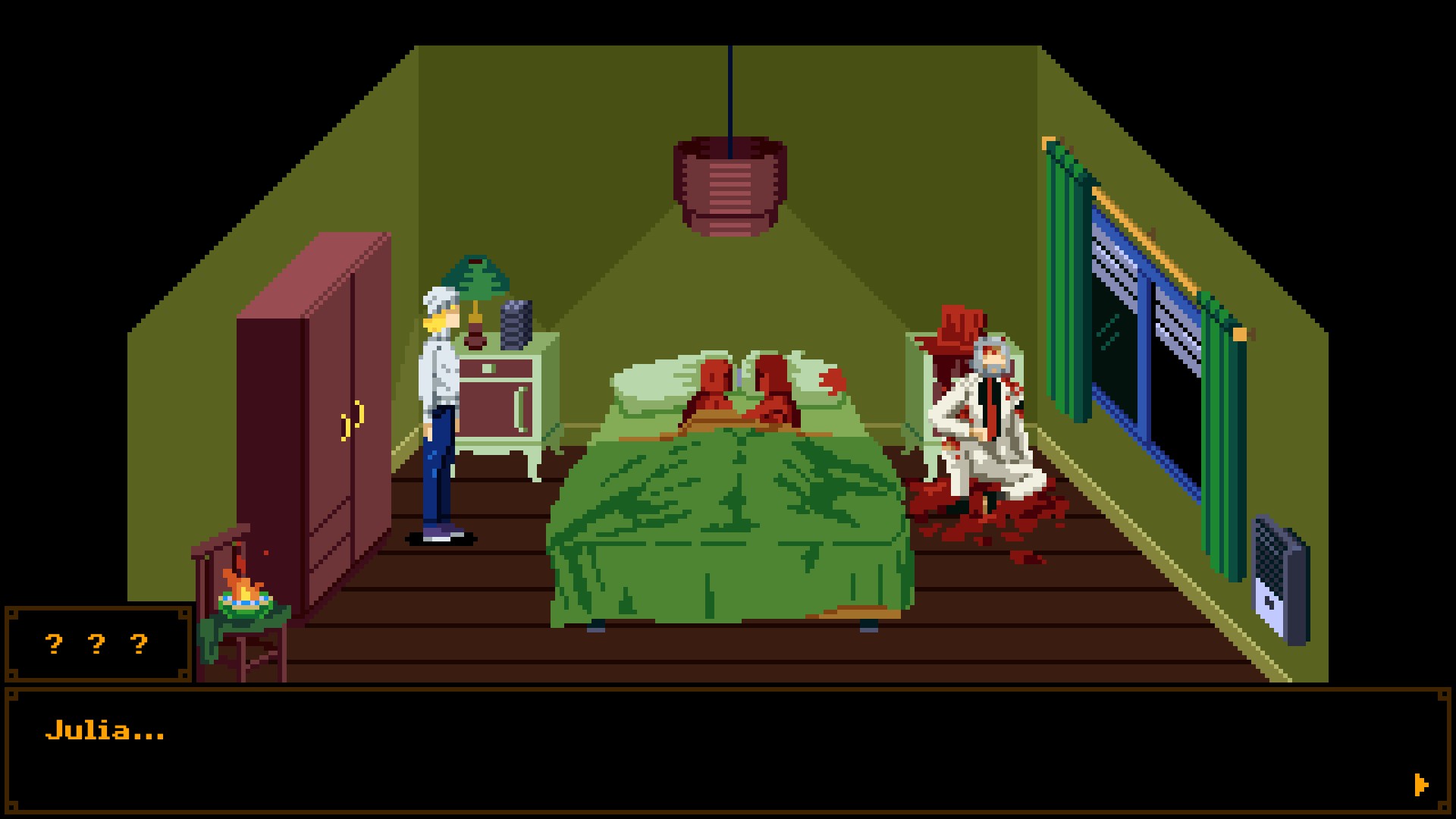
What makes the artistic clash so interesting here is the fact that the experience of playing Tenebris Somnia tries to evoke a retro feel at all times, while the FMV is an instant trip to modernity. There’s a decent balance struck in the cadence that these are presented. They don’t interrupt pacing too much, and they aren’t overly long. The ones that do end up running longer serve a purpose, either as a way of getting you deeper into the world’s lore or to bolster a boss fight, either before or after the actual encounter.
For the most part, however, you’re in control of pixel art Julia. Her ex-boyfriend’s apartment is part of a three-story building, which is where the majority of the experience takes place. In classic horror game fashion, there are a myriad of puzzles to solve, doors to unlock, and way too much backtracking to overcome. Aside from the intricacies of each puzzle, there’s a fairly traditional foundation, involving some combat, exploration, and the ever-alluring mechanic of interacting with the environment to see whether you can pick something up or if it stirs inner dialogue from Julia. The latter is often the case, as the protagonist is constantly reminiscing about her relationship and sharing details about the backstory of both of them as you make progress.
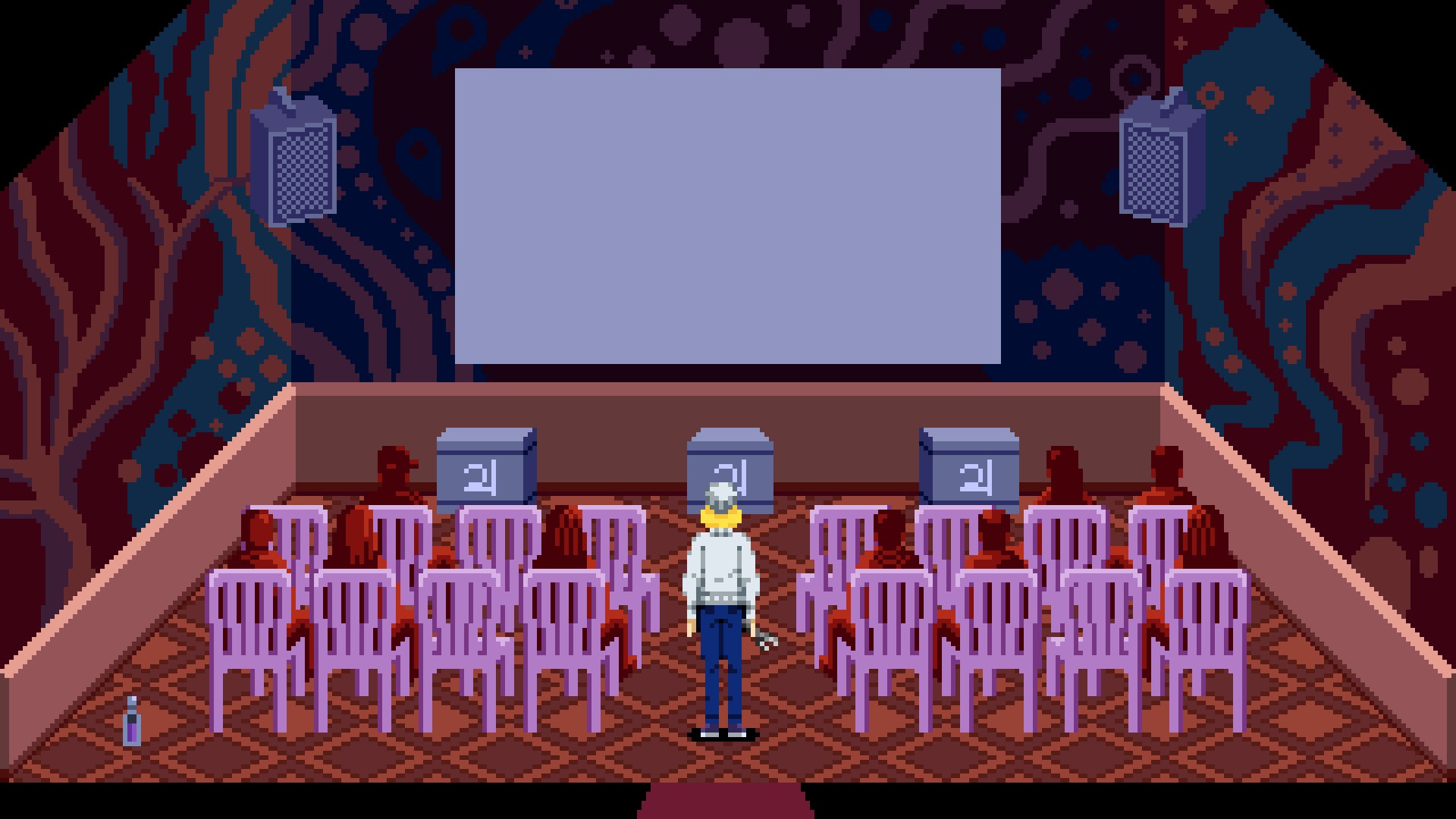
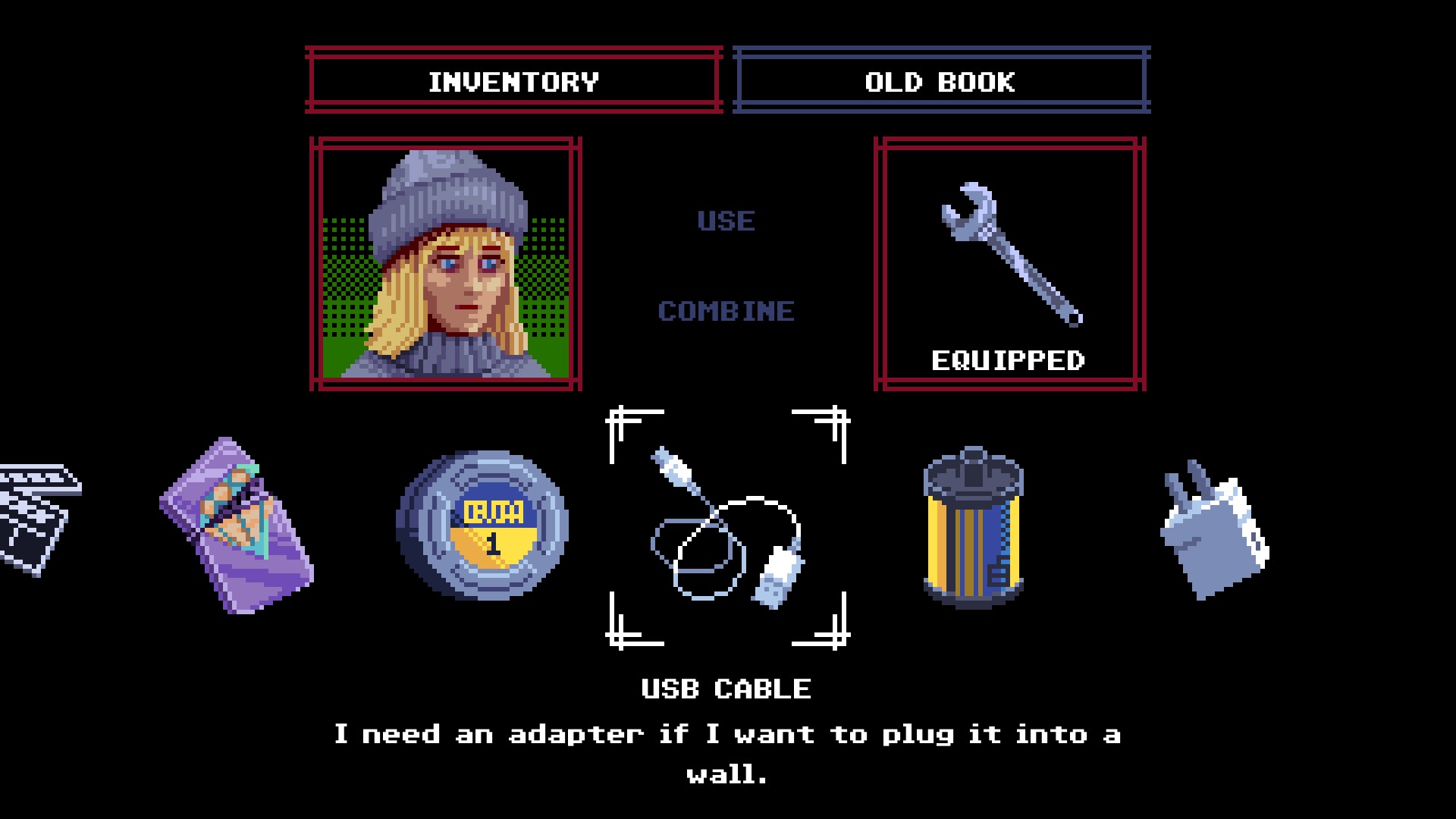
It’s clear that the development team behind Tenebris Somnia did everything in their power to lean on the classic survival horror experience. This is to a fault, as puzzles can be obtuse and unnecessarily hard to decipher. The team included a puzzle guide for review purposes, which I did my best to avoid until I felt I was absolutely stumped. Yet, this happened more often than not. Whenever I looked at the solution, I kept on wondering how someone was supposed to figure it out on their own. As with the games this one draws inspiration from, the answer is to backtrack and interact with every single thing you come across. But following this pace can be exhausting, especially with the constant back and forth between levels.
Therein lies another problem which is related to combat. There are different enemy types, and the variety in itself isn’t an issue. The sheer number of them is. For some reason, the game loves to add more and more enemies to places you’ve previously discovered. Remember what I said about backtracking? Well, a simple apartment living room can go from one simple enemy that’s easy to dodge to two, three, or four, with three different variants all doing different attacks and requiring specific dodge timings to avoid being hit.
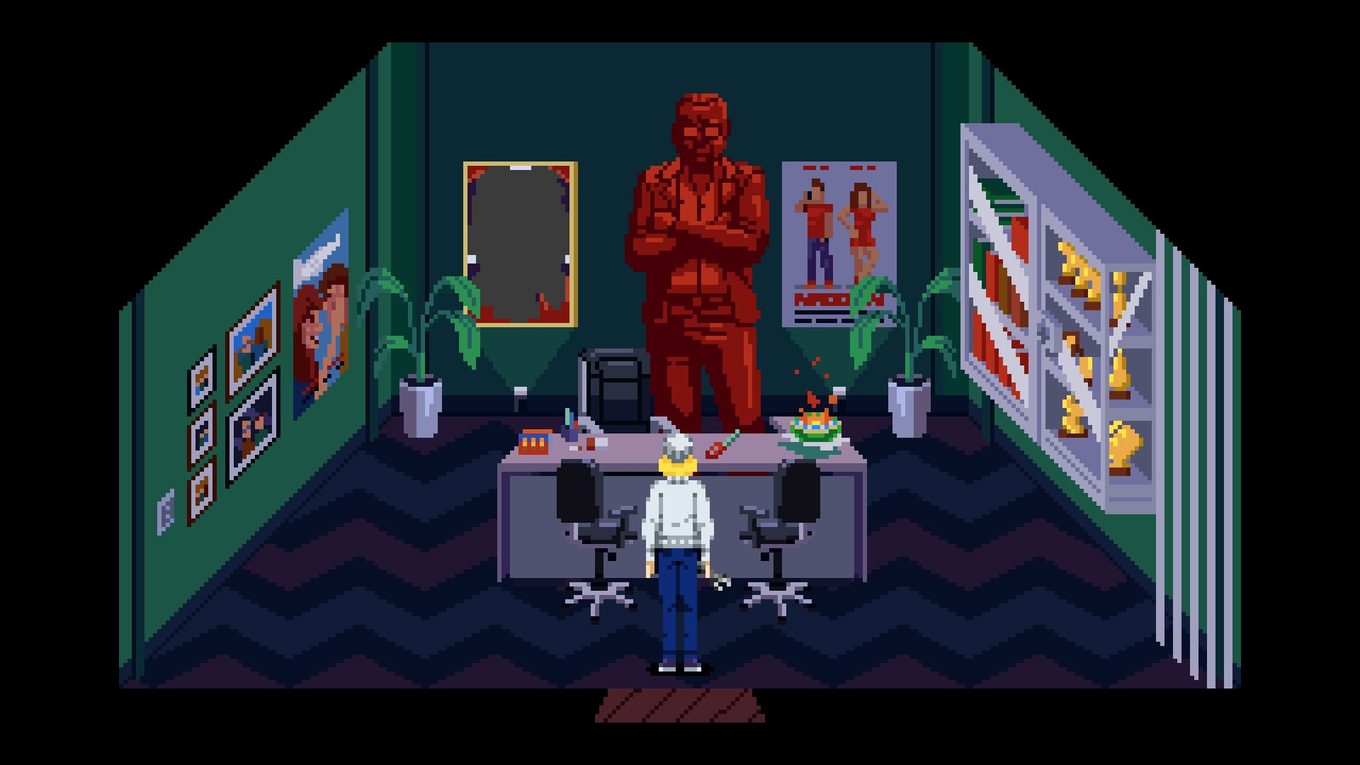
I truly cannot express how many times I bemoaned the enemy presence in a room upon my return to grab a key item or double check that I hadn’t missed anything. Julia can defend herself with either slow melee weapons or guns that have limited ammo. Yet, the latter are best saved for boss fights, which adds to the overall predicament of how to approach enemy encounters. As it’s always been recommended in the genre, dodging and moving on is often a good strategy, and it is possible to attempt even when enemy numbers increase. But it gets to a point that is just egregious, and adds to the overall frustration when you’re simply trying to find out how to move forward. This, in turn, diminishes the impact of otherwise well designed enemies. Let alone the possibility of any of them scaring you.
Ironically, this abundance turns boss fights into welcoming battles, as you only need to focus on the enemy in the same room as you. The actual execution of them is tricky, ranging from quite imaginative to repetitive. For example, the first one requires you to dodge attacks while lighting off candles, as the foe can only be fully seen when in a pitch dark room. The second one, however, didn’t involve a standout mechanic. Rather, I had to line up shots from afar and try to anticipate long-range attacks with Julia’s slow, limited movement. Both fights in contrast encapsulate Tenebris Somnia as a whole, with good ideas being often discarded quickly or tampered with to the point of frustration.

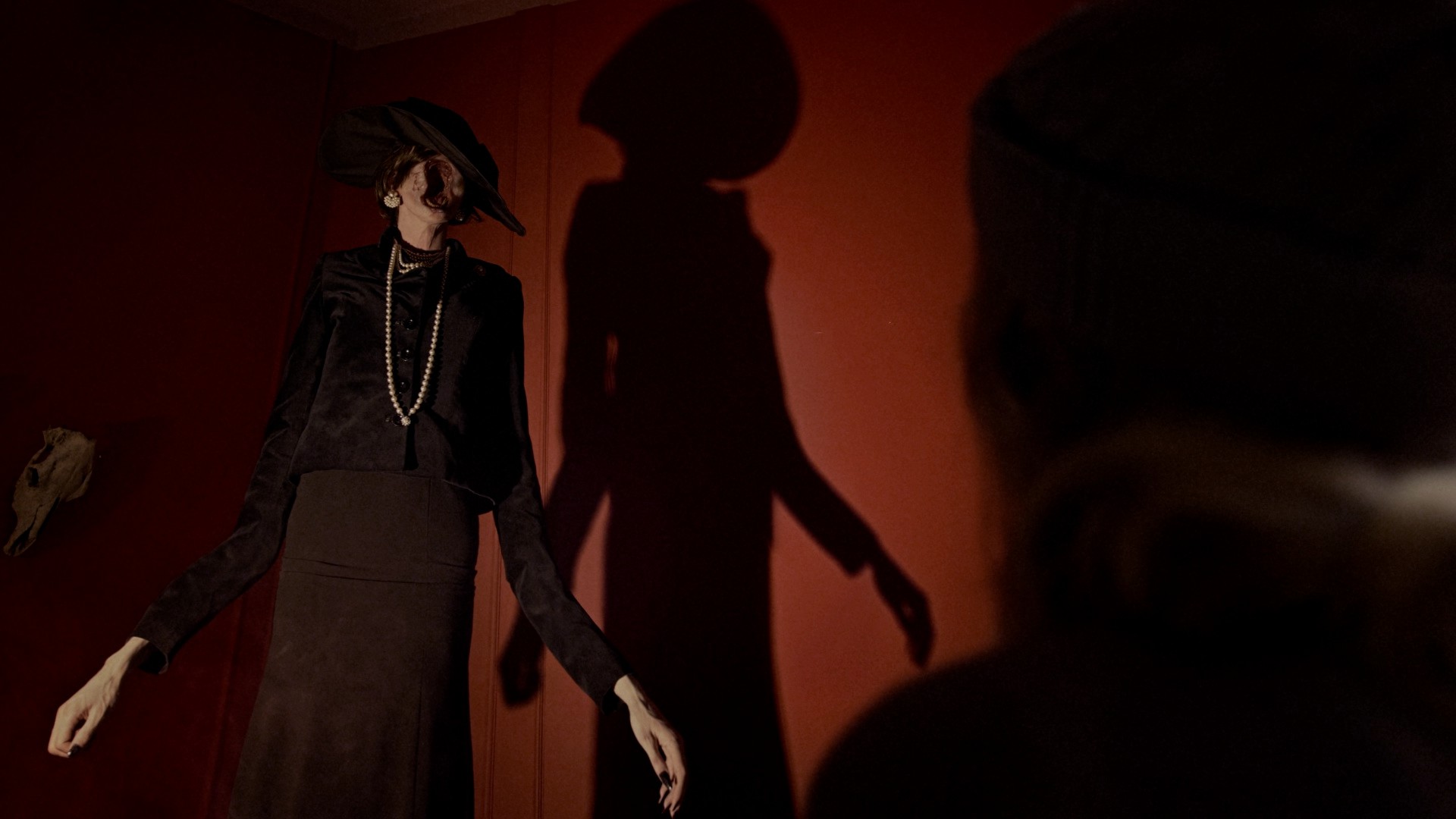
There are moments where the experience comes together nicely, leaving a lasting impression. One puzzle in particular had me mimicking certain actions on a mirror reflection while flicking through scenes with a camera to advance it forward. The environment design can be quite striking at times, making the most of the pixel art limitations. As a whole, however, Tenebris Somnia feels perpetually one step away from becoming as paramount to the genre as other independent games have been in recent years. The FMV novelty does a lot to carry it, but despite making such an effort to blend the two, the efforts and decisions behind each part do nothing but isolate them from each other, rather than finding a common ground.