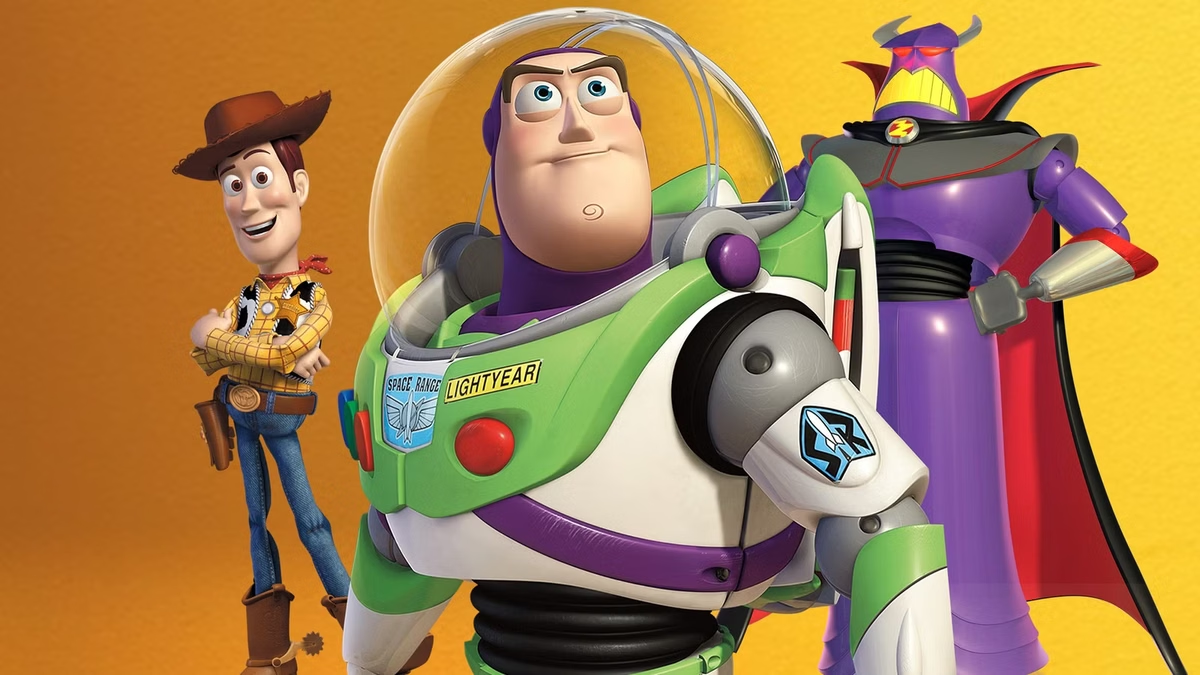

What an odd affinity we have for video games of the past. I spent two years on-and-off, between 2023 and 2025, grinding the hardest difficulty of Brave, the 2012 Pixar tie-in, often at the expense of modern titles. Now, courtesy of Atari’s continuing shift towards curation rather than game development, Toy Story: Retro Roundup! has me similarly fascinated.
Collecting five games, by way of Digital Eclipse – Toy Story, A Bug’s Life, Toy Story 2: Buzz Lightyear to the Rescue!, Buzz Lightyear of Star Command, and Toy Story Racer – Retro Roundup! is less a collation of Toy Story games than a compilation of Traveller’s Tales greatest hits. Though, that number is a lie; Retro Roundup! actually offers 11 iterations of the games and 16 versions: codifying Traveller’s Tales’ original adaptations, the games’ ports, and their regional variants.
How does one review these games today? Toy Story is 31 years old. The youngest title included, Toy Story Racer, released a quarter of a century ago in 2001. How do you account for inflation? Is a diverting game then now a triumph? Is the bristling difficulty of Toy Story – designed to dissuade completion within 48-hour rental windows (itself a bygone concept) – suddenly ahead of its time? The Dark Souls of Pixar tie-ins, perhaps? Or do these games depreciate?
Where is the fairness in peeking out from under the weight of three decades of technological advancement at these games, but to say “Didn’t we have it good back then?” (And, in so doing, forget that we didn’t: we were just young and carefree).
To judge Retro Roundup! by its total weight – the work of three studios across decades – invites the worst kind of checklist critical writing. You can play the games. The buttons work. They work so well I can flip between pressing them and writing this review. Rather, Retro Roundup! begs to be examined for what it is: a curatorial endeavour. It’s a digital museum that, in the new tradition of Atari, recreates the past with minor accommodations to preserve these games not just in stasis – the focus of too much gaming preservation – but as playable objects.
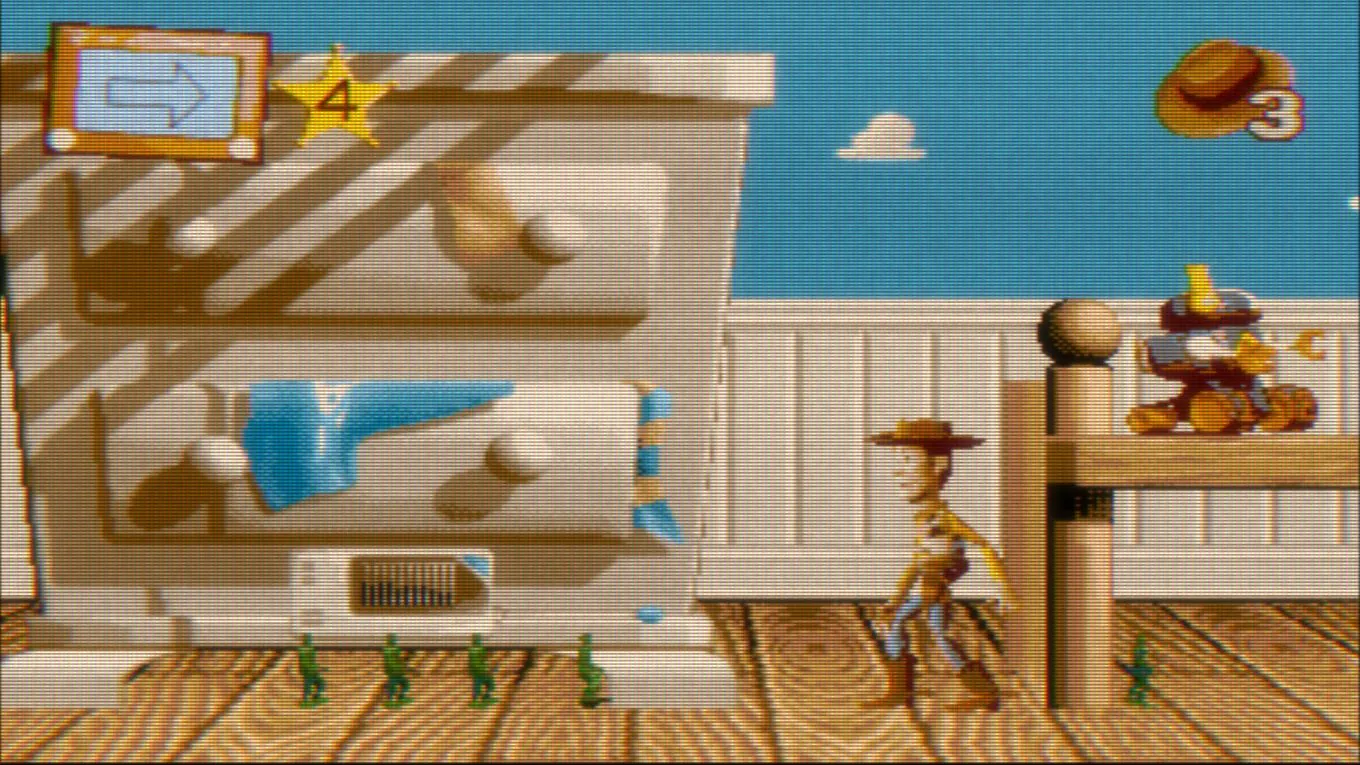
How pleasing to be reminded of how fun these games remain to play, even the crunchier Game Boy port of Toy Story. That’s down, in large part, to Digital Eclipse presenting them as they are; upscaled but warts and all.
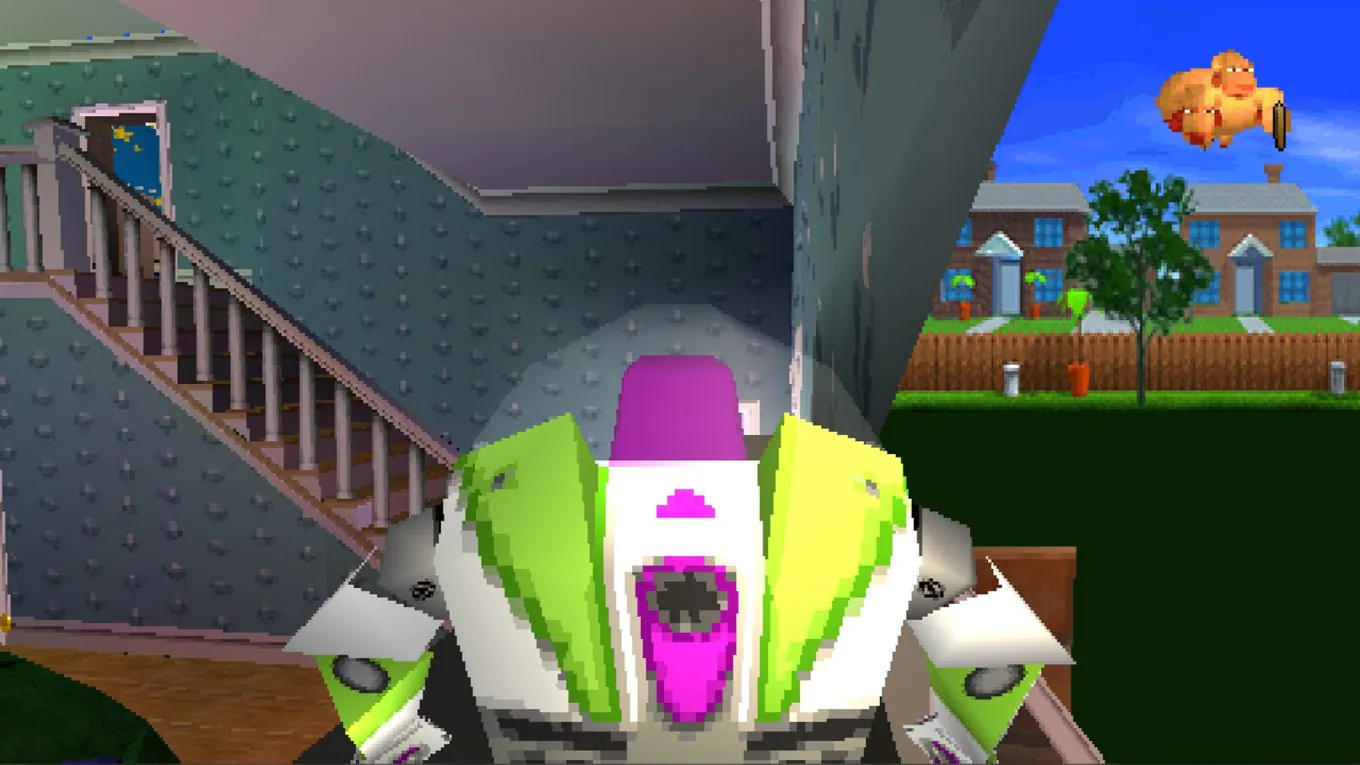
It’s why I spent so much of my time in strange spots. An hour passed as I pressed Buzz into the walls of Andy’s house in Toy Story 2 to glitch a look outside: squeezing the camera into seams between polygons and delighting in the affine texture warping of his wallpaper. Who needs a floating-point co-processor, even in 2026? Plenty of retro collections would up the internal render resolution to smooth out these quirks. Rare and thrilling that Digital Eclipse chooses not to.
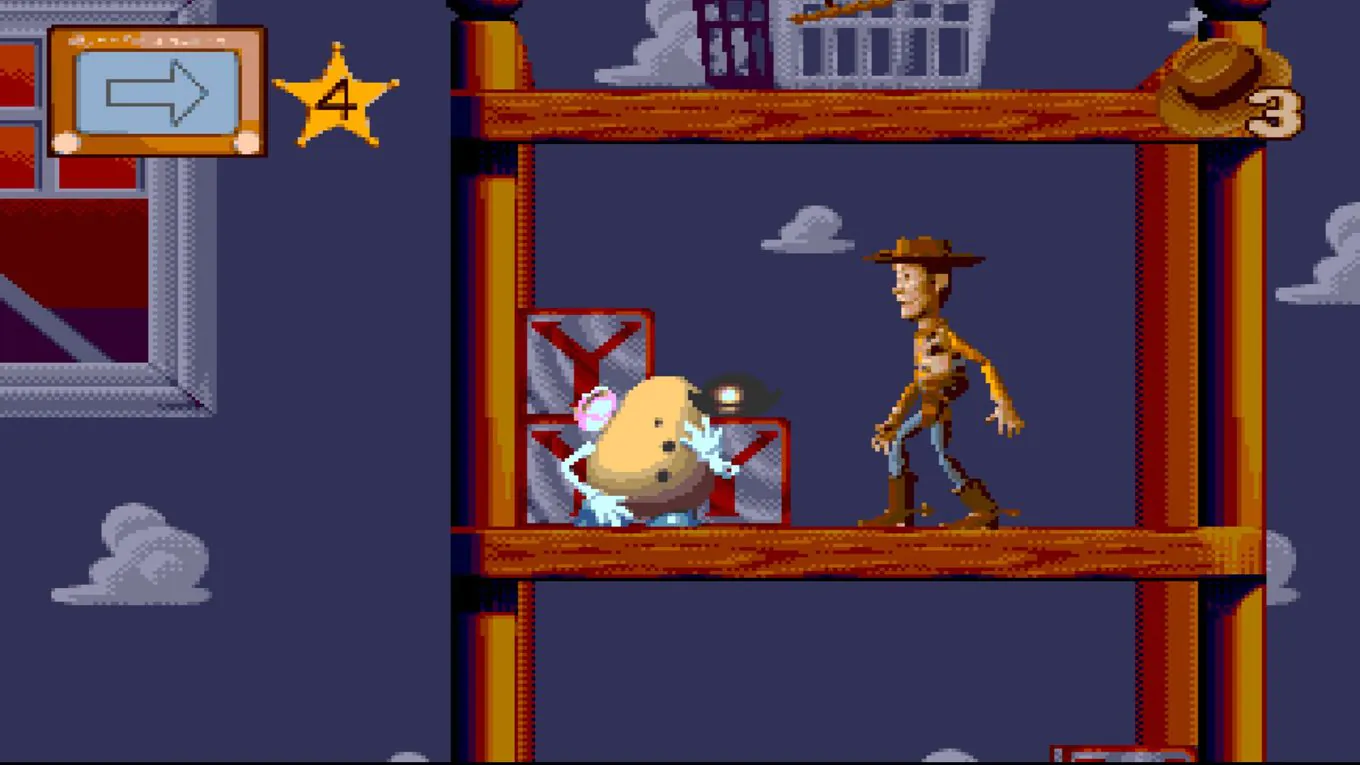
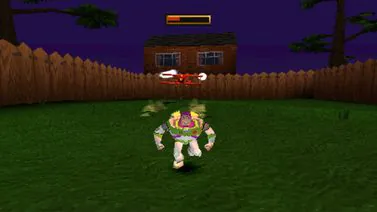
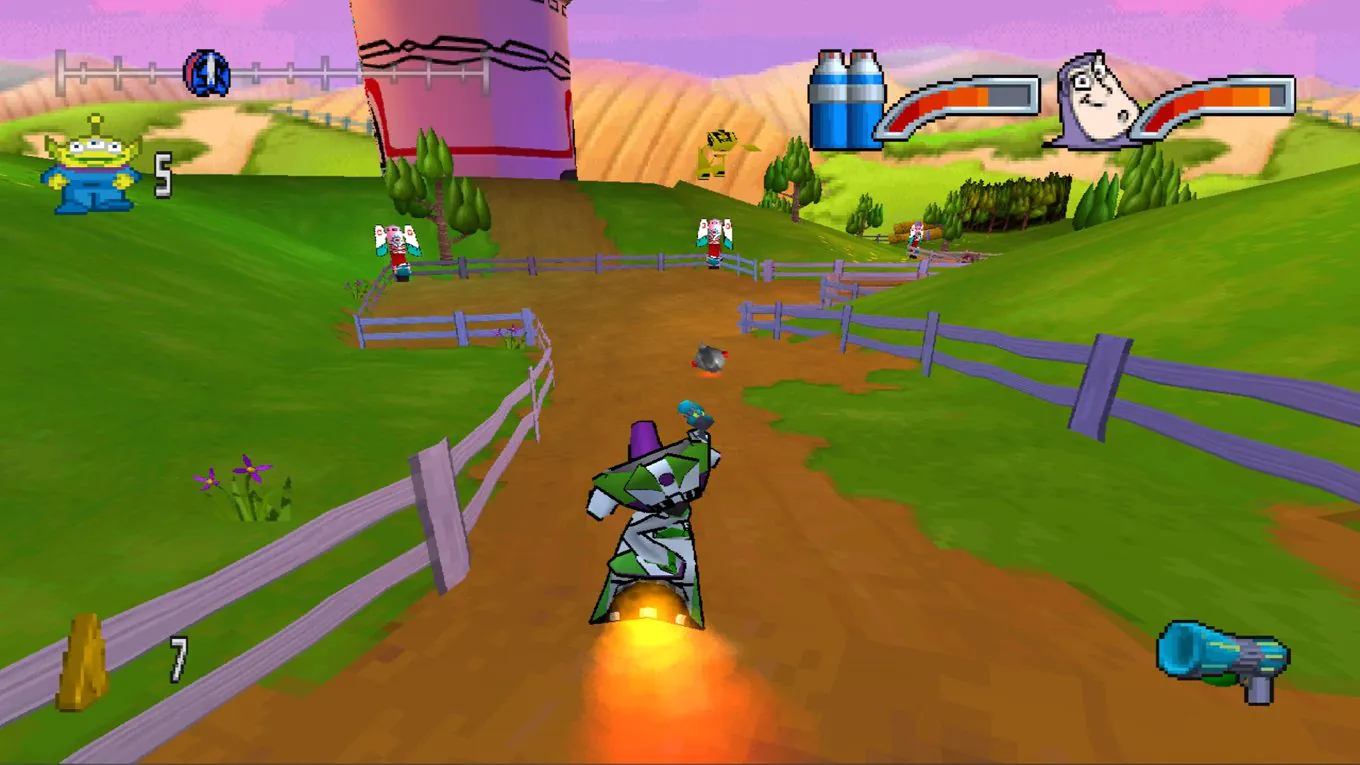
Or how about floating around the chase gameplay of Buzz Lightyear of Star Command to explore its maze-like pathways? My quarry breezed by, unbothered, as I sought a closer look at the game’s lava rendering. I spent the first 30 minutes with the collection just walking back and forth across the first screen of Toy Story, breathing in the differences between the Genesis and SNES (smoother movement in the former and richer aesthetics in the latter). All while marvelling at the creation of a 3D world from 2D components – and it really is a marvel, even decades later.
The experience is aided by excellent emulation but what a joyful decision to offer these games as if unearthed from a time capsule, rather than trying to sand them down to resemble our rose-tinted memories of what we think they used to be. How generous to let them speak for themselves: beautiful, even by modern standards, and occasionally clumsy.
Relieving some of that unsteadiness is up to the emulator wrapper. The collection couches its nostalgia in a handful of quality-of-life improvements that offset the decades-old frustrations that inevitably reappear when re-evaluating software of this vintage.
You can rewind progress. That’s limited to 20 seconds to function more as a tool to iron out unfair moments in Toy Story than travel back in time, or to reel back when the erratic camera of Toy Story 2 sends you plummeting to the floor after a lengthy platforming section. Retro Roundup! also offers the ability to save at any point independent of the games’ internal save systems. Not quite as nimble as standard emulator saves, they’re somewhat cumbersome to reload on the fly, but both features are more than enough to smooth out your errors (forced or otherwise).
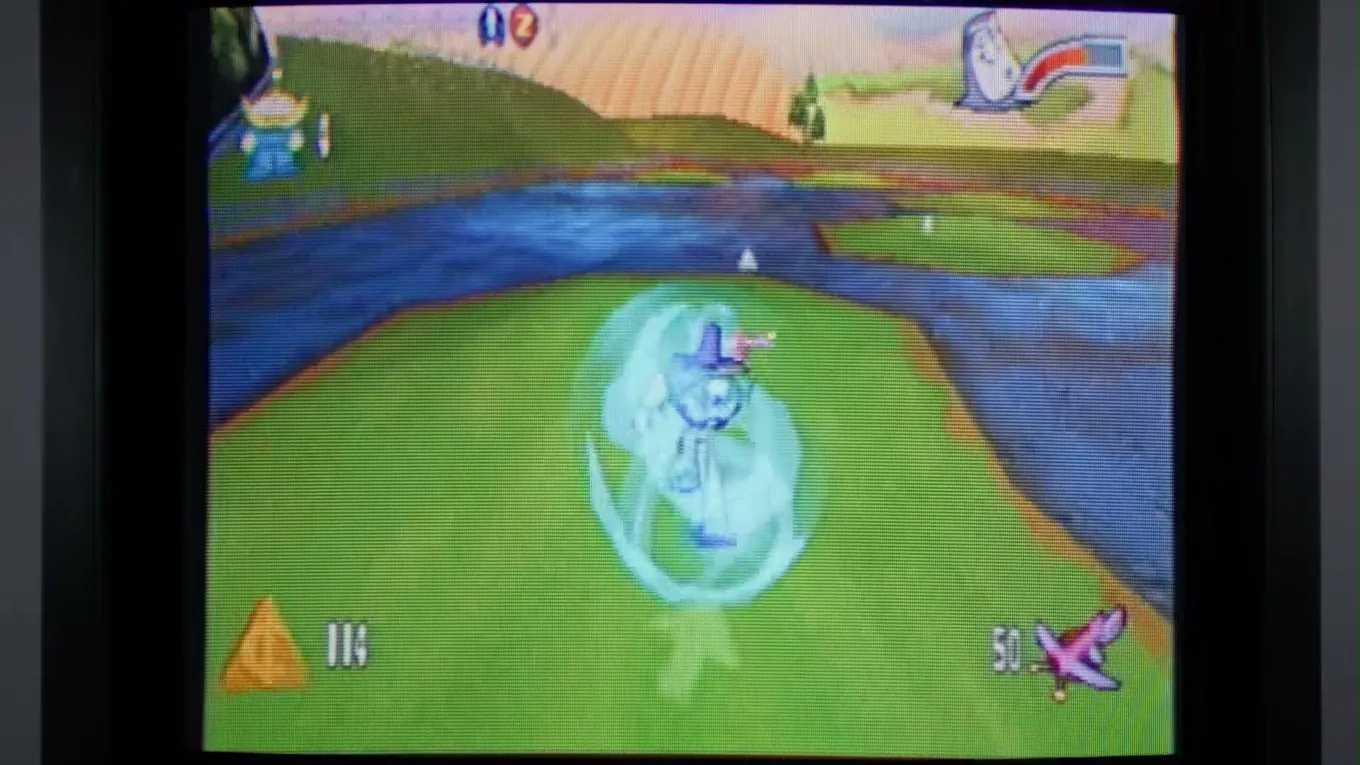
More jarring, at least from an accessibility standpoint, is the defaulting of visual CRT filters and placing games within a digitally rendered television screen. It’s a stylistic and distracting choice that you can toggle: zooming into the screen or stretching the gameplay into “wide” mode. Both are imperfect solutions. One wonders whether there isn’t a middle ground to offer less obtrusive black borders that preserve the native resolution and the games’ original aspect ratios.
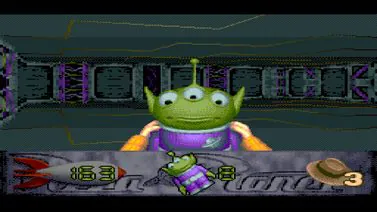
Staying with accessibility, while Retro Roundup! includes a standard photosensitivity warning in its skippable loading sequence, it really needs reminders for individual titles. Toy Story, particularly, includes frequent flickering textures that reach their zenith in its first-person, Doom-like stage “Really Inside the Claw Machine.” They proved uncomfortable even for me, someone who’s only a migraine risk rather than epileptic.
It’s a lack of attention to some of the smaller details in hardware that proves frustrating given how much effort has gone into preserving these games. Perhaps there’s a lingering concern about divesting too far from the original experience. Why not take it further, though? Offer nimbler features and more accommodating options if they don’t compromise gameplay.
After all, Digital Eclipse certainly went the extra mile with archival content. Outside of Retro Roundup!’s games, you can access an internal music player – that provides surprisingly handy music for writing reviews about Toy Story video game collections – and a “Toy History” menu (pun very much intended).
It’s here that the real attraction of Retro Roundup! can be found. It includes a series of video featurettes elucidating the evolution of those titles: tracking everything from the sorcery required to create the illusion of three-dimensions on the Sega Genesis to translating Traveller’s Tales’ vocabulary to more limited handheld platforms. Navigating to specific titles in the menu allows you to explore their historical context through ephemera such as the promotional map of Toy Story Funhouse, where the original game was playable after debuting at the El Capitan Theatre. Elsewhere, you’ll find marketing materials, 3D scans of the games’ retail boxes, and be able to flip through digital facsimiles of their instruction booklets. It’s a treasure trove.
These digital displays are meant as pleasing context for the games. I’d almost prefer the games to function as interactive context for this collection of documentation and technical details. How wonderful would it be to see scans of contemporary magazine reviews, more packaging variations, and loosely related curiosa? Let’s get deeper into the nitty-gritty by including, or recreating, Jon Burton’s Coding Secrets videos. There, Traveller’s Tales’ co-founder details exactly how they achieved Toy Story’s 3D visual effects. They are alluded to, summed up in part, but why not take it further to make Retro Roundup! even more the definitive preservation of these games and their contextual design?
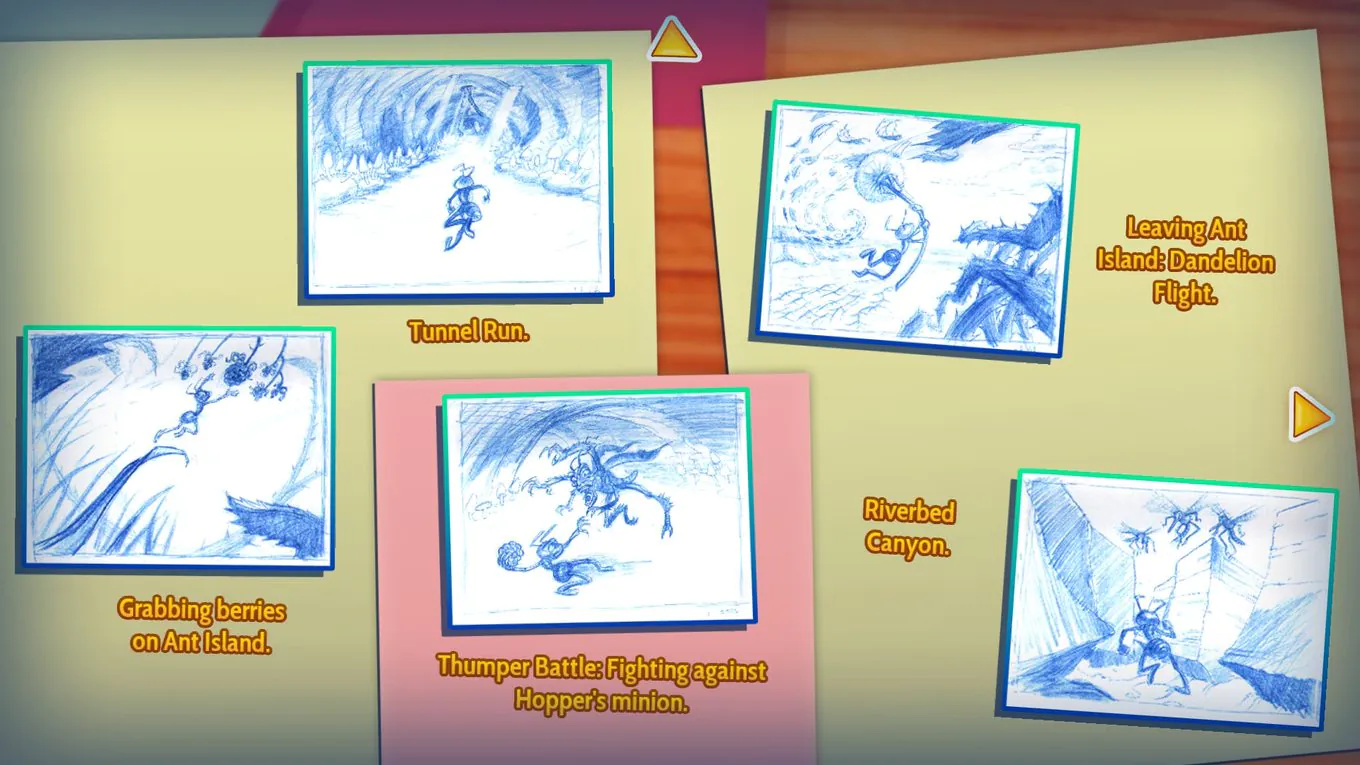
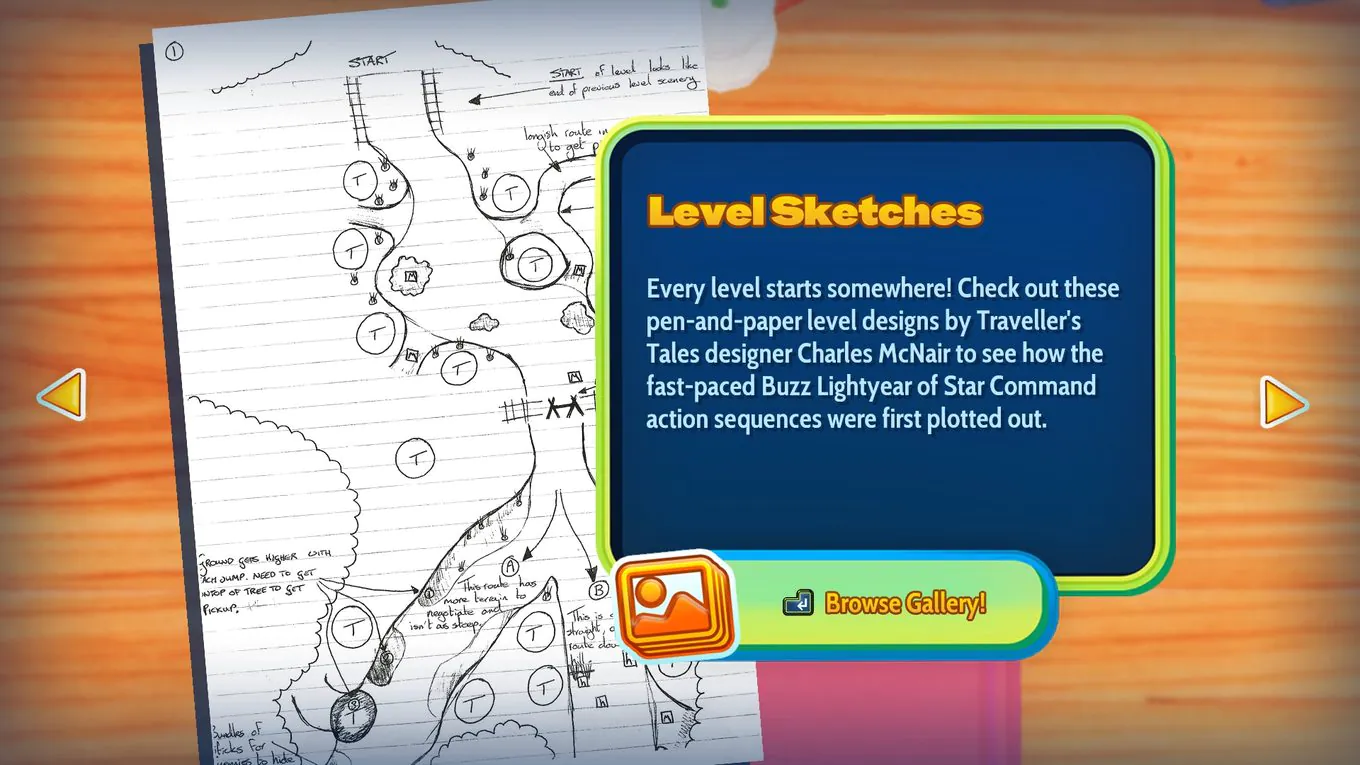
It’s such an unreasonable desire. Digital Eclipse has collated so much material already, but it’s a testament to how the studio spoils us that it invokes a very real want for more. The games are fun, but that Retro Roundup! feels like exploring a digital museum is what these collections should be. They’re time capsules – in places, cynical attempts to keep money flowing from aging games – but Retro Roundup! is remarkably close to their ideal: interactive exhibits around which we can walk and, more vitally, interact.