

As hobbies go, gaming is firmly in the medium-expensive bracket. It’s expensive compared to, say, collecting stamps or knitting. But if you think about it in relation to enthusiast photography or skiing, those $70 blockbuster games suddenly seem like a pretty good deal. However, over the past year or two, prices for components have skyrocketed. Whether you’re after a GPU or looking to upgrade your RAM, chances are you’ll be paying out twice as much as you would have for the same hardware two years ago.
This has had a knock-on effect on pre-built hardware. Console prices have risen massively, including Valve’s Steam Deck, as the costs involved with producing them continue to spiral out of control. It’s hardly surprising, then, that the new Steam Machine costs over $1,000—and that’s before you get a controller. The price may not be surprising to those of us plugged into the gaming news cycle, but that doesn’t stop it from being disappointing, especially when you consider how Valve has positioned the mini-PC as a console alternative.
Valve clearly didn’t intend the Steam Machine to cost $1,000 when it was designing, branding, and marketing the console-PC hybrid. Representatives have already said that, internally, it has suffered a similar price increase to the Steam Deck in recent months. Had component prices not increased so much, that would put the machine at a much more reasonable ballpark of around $750.
Valve was never going to make a loss on this thing like Sony, Microsoft, and Nintendo do with their consoles, but positioning the Steam Machine as an entry point to PC gaming, costing slightly more than those alternatives and significantly less than top-spec gaming rigs that would easily set you back upwards of $2,000, was a clever idea. But, as the saying goes, no good plan survives contact with generative AI companies.
Component prices, especially but not only RAM, have increased due to AI datacentres. OpenAI alone has bought 40% of Samsung and SK Hynix’s RAM for the whole of 2026, before it has even been made. Selling to AI companies is more profitable than selling to consumers, so RAM companies are shifting production. Less RAM produced for gaming PCs means prices go higher and we’re out of pocket.
Even at $1,000, the Steam Machine is fairly priced. For that money, you get semi-custom AMD CPU and GPU, 16GB of DDR5 RAM, and a 512GB NVMe SSD (rising to 2TB with the more expensive model). The only major drawback is just 8GB of VRAM, which could impact performance on more intensive games and is definitely not future-proofed.
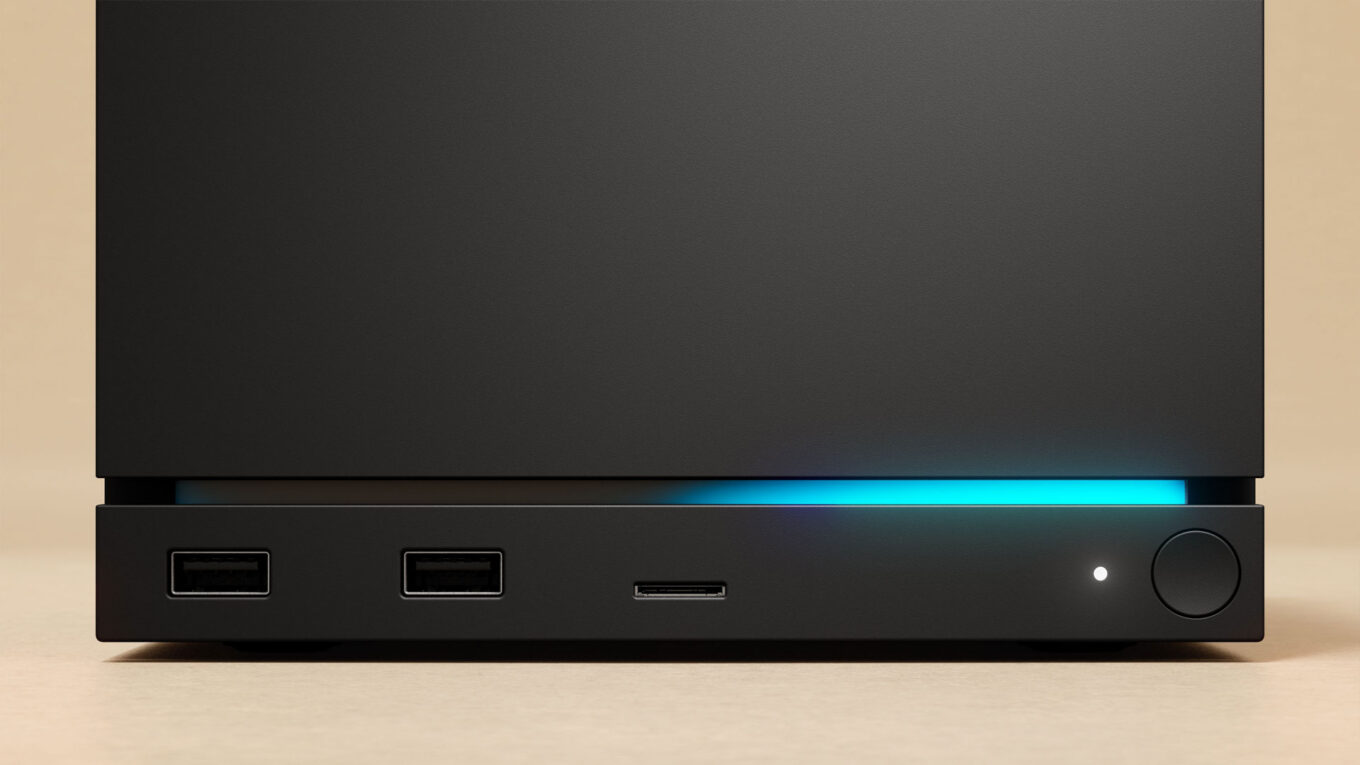
Sure, you can build a slightly more powerful PC for less money, but that will be a full tower. The Steam Machine doesn’t want to be your go-to gaming rig. This is a neat box that sits under the telly and isn’t an eyesore, allowing you access to your Steam library from the comfort of your couch. Most people with partners or families who don’t share the gaming hobby don’t want a massive PC filling their living room with strobing LEDs. A cute little box with swappable face plates to match the homely aesthetic, however? That sounds more agreeable already.
However, the price increase means that the Steam Machine will miss its core target audience: console players. Console players may have been tempted to make the switch at $750, which is less than the PS5 Pro. After all, the Steam Machine promises free online play and near-constant Steam sales. It’s much harder to market those intangible benefits when the base price is $100 more than the most expensive and most powerful PlayStation, and you have to purchase a controller separately. Are people really going to give up God of War Laufey for this?
Despite losing the console audience, I don’t think the Steam Machine is doomed to fail like its predecessor.
The Steam Machine will sell out. A combination of Valve fans, tech enthusiasts, and FOMO will secure enough sales to sell out the first batch, I’m sure. However, I think this will more likely be down to Valve’s small production runs than intense demand. Look at the Steam Deck: early runs of both the standard and OLED portable sold out quickly, but price rises and the initial excitement wearing off mean that there are plenty available now.
Despite this initial predicted rush, I think the biggest impact of the price rise will be the Steam Machine’s impact going forward. It certainly won’t flop as hard as the first iteration, but it’s not going to inspire a mass-migration of console gamers. There will be copycats—look at how many Steam Deck alternatives there are—but all will cost more and thus be culturally irrelevant. The ASUS ROG Ally may be an impressive bit of kit, but it does not swing the needle when it comes to PC-focused portable gaming.
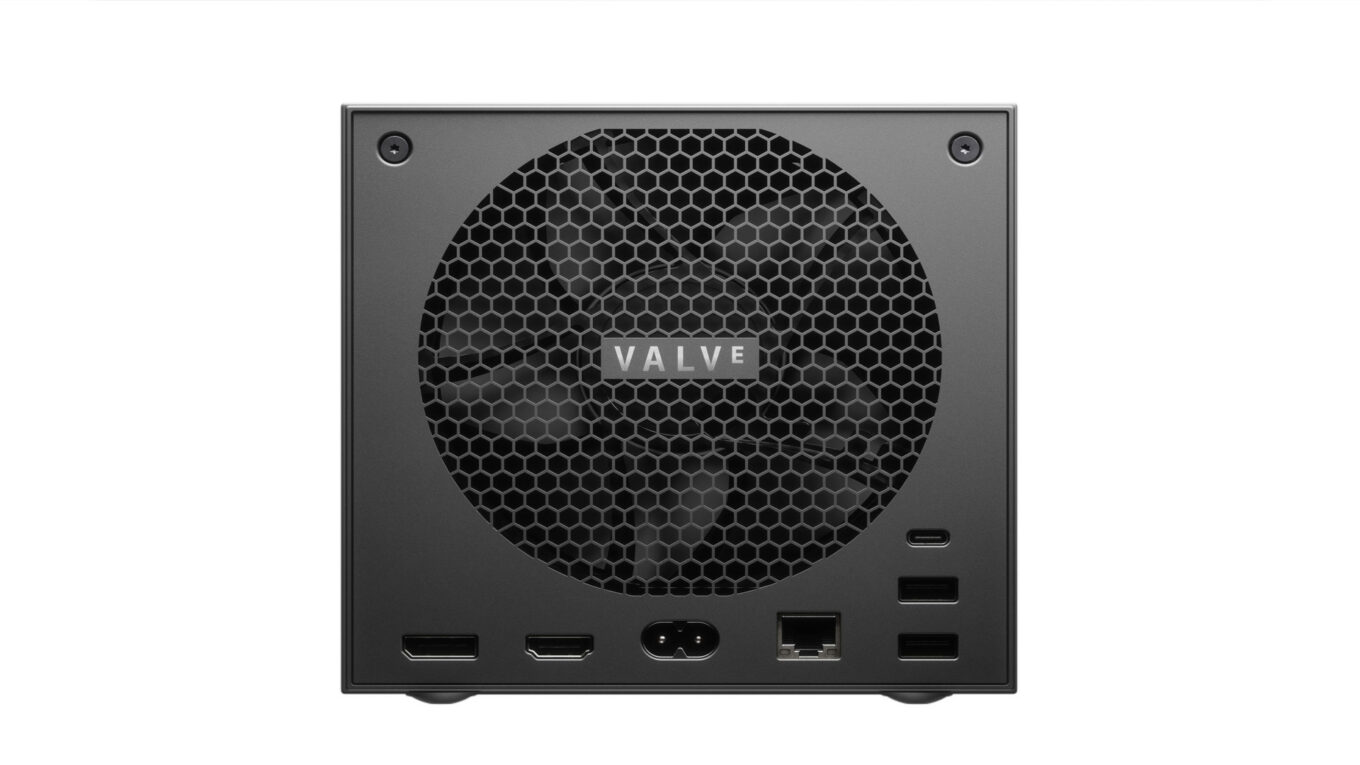
The biggest impact the $1,000 Steam Machine may have is on the software side of things. With no real target audience other than hardcore Valve fans for the $1,000 box, Valve has said that it is working on a general release for SteamOS, its operating system. The general release of SteamOS will allow PC enthusiasts to build their own Steam Machines, potentially costing less money than the real thing. It will be nigh-on impossible to replicate the small form factor of the GabeCube, but a console-like operating system could be attractive for couch gaming.
If – and it’s an if as big as Newell’s latest superyacht – component prices ever return to pre-AI prices, I doubt console costs will come down with them. In that scenario, DIYing your own bootleg (but completely legal) Steam Machine might be the preferred option for many of its intended audience. At present, though, the Steam Deck offers pretty much the same solution to most PC gamers’ problems if you dock it to your TV.
The Steam Machine’s drastic price increase has probably lost it most sales from console gamers looking for a subscription-free alternative to their Series X or PlayStation 5. Thus, it will never be as successful as it could have been at a more competitive price point. It’s a shame it won’t be a convenient entry to PC gaming any more, but it will find a niche all the same. PC enthusiasts will still have fun with the tech, and it could yet be a blueprint for future systems, whether homebuilt or released by competitors. This won’t be the release Valve was hoping for, but the Steam Machine will do just fine. Especially if they secretly pre-load Half-Life 3 on the first batch.