
It’s been almost five years since Vampire Survivors started its early access period, and developer Poncle had no idea that it would become such a hit in the time since. The premise of “becoming the bullet hell” by gradually getting more powerful when you’re essentially only controlling a character’s movements works exceedingly well. It’s an engulfing experience, and one that many other studios didn’t take long to draw influence from.
Auroch Digital of Warhammer 40,000: Boltgun fame is one of these developers. Warhammer Survivors iterates on the concept by following it to a T, sometimes to a fault, and then expanding it in different ways. Its presentation and offerings might not be as ambitious as other Vampire Survivors-likes out there, but when the new additions all come together, it showcases solid grounds for a foundation to build upon.
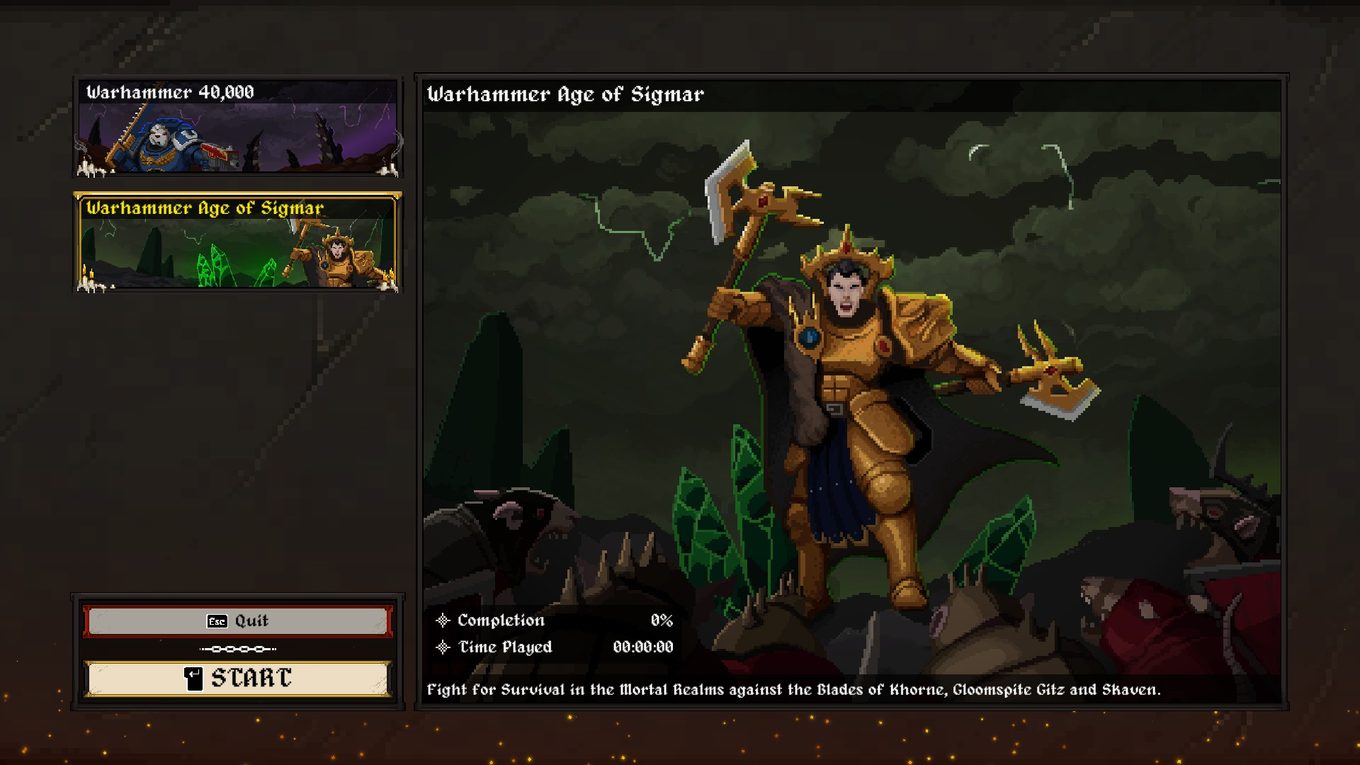
During my first hour with Warhammer Survivors, it was hard to find any substantial difference with Vampire Survivors. When the ideas that the game has been influenced by are already solid, this isn’t exactly a bad thing. After all, the very principles of both games are fairly similar. You choose a map, choose a character that has a unique passive ability and a specific attack by default, and you’re off. The timer starts clicking and you begin to accrue experience. Every time you level up, you get to pick either new abilities or upgrades to your existing ones, slowly improving either the way your character behaves or the attacks they can make, and in which forms. Of course, you don’t have direct control on the offensive. Rather, you simply move, dodge, and pick up any sparkling items you spot on the floor.
The same sentiment applies outside of the runs too, as the overall progression is, well, also similar. You get to unlock more characters by finding them scattered around each map or by spending gold to make them available, and there are items and new areas to obtain that are all added to your repertoire after you successfully tackle specific tasks. It’s important to emphasize this because, as much effort as Auroch Digital clearly put into the project, its pillars can hit too close to home if you’ve already put dozens of hours into Vampire Survivors.
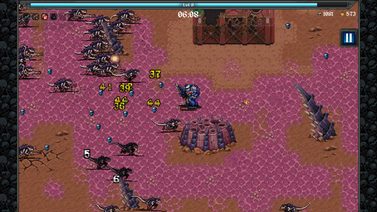
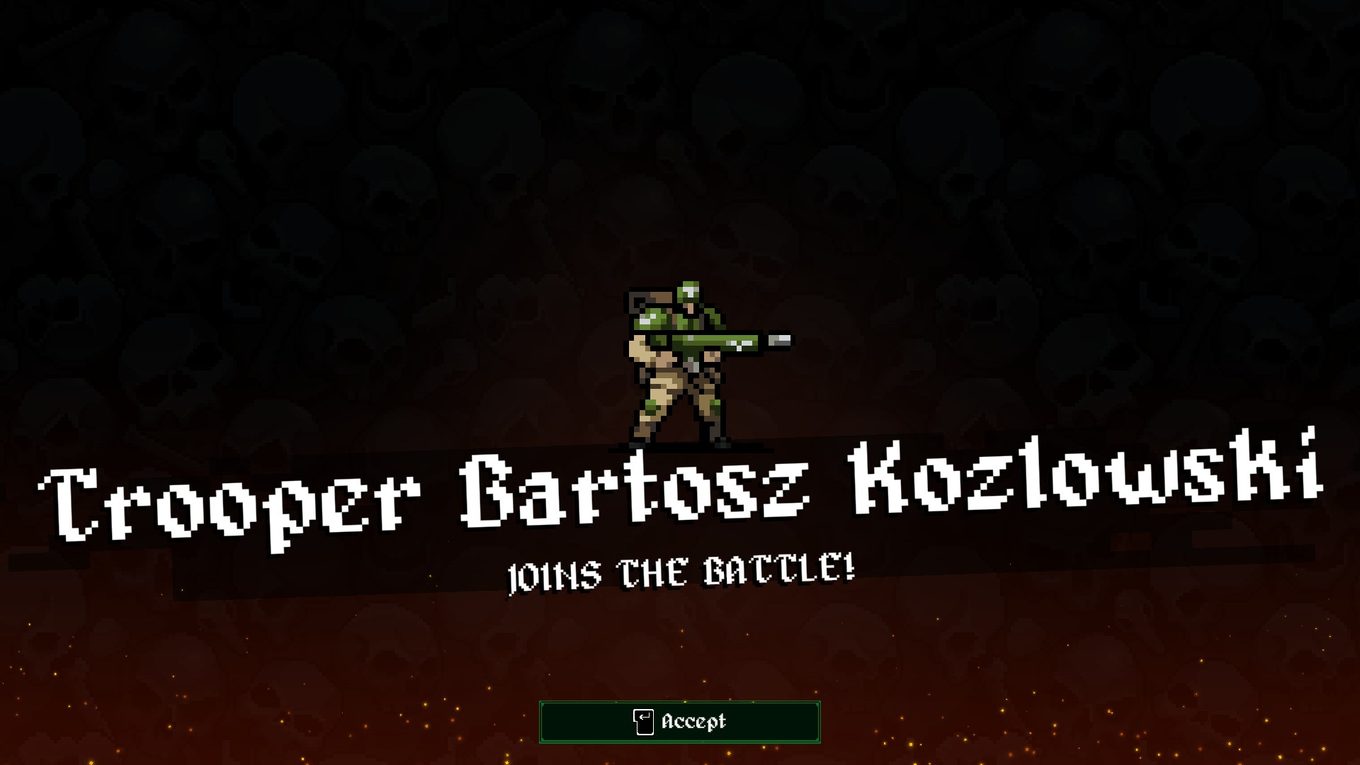
I’m part of that group of people, so after my initial reactions, I remained cautiously optimistic that, at some point, the experience would throw a surprise or two my way. Thankfully, it did. After a few runs and a couple of characters unlocked, I noticed that, once I leveled up, I was able to pick an ability that had a small icon with another character’s portrait. This ally now joined me during the rest of the run, making use of not only the chosen ability but also their own passive attached to the character. And it’s not just one, either, as I was able to squad up with multiple of them, creating a whole party with multiple abilities supporting each other.
In essence, it’s not too dissimilar from picking up the skill or weapon that another character usually starts with, but seeing them tagging along adds so much to the experience. The presence of allies doesn’t disrupt the core rhythm, either, as they use weapons on their own behalf but don’t take damage, so you don’t need to be micro-managing them. Unlike Vampire Survivors, Warhammer Survivors doesn’t feature co-op, but this feature helps to make it feel less lonely from the jump.
I spent multiple hours making progress through the base experience of Warhammer Survivors, which is themed after Warhammer 40,000 specifically. Then, I decided to jump into the second realm available, and the experience felt fresh once more. Along with 40,000, you also have access to Warhammer Age of Sigmar as a second universe. There’s different music, motifs, characters, abilities, weapons, and the entire user interface changes as well. Experiencing the switch was a strong showcase of ambition, and it led me to appreciate what Warhammer Survivors is going for as a whole. There are some shared elements between universes, too, including some weapons and passive items, which makes it enticing to want to pursue different goals knowing that you’re not entirely isolated from the other realm, instead making progress in both.
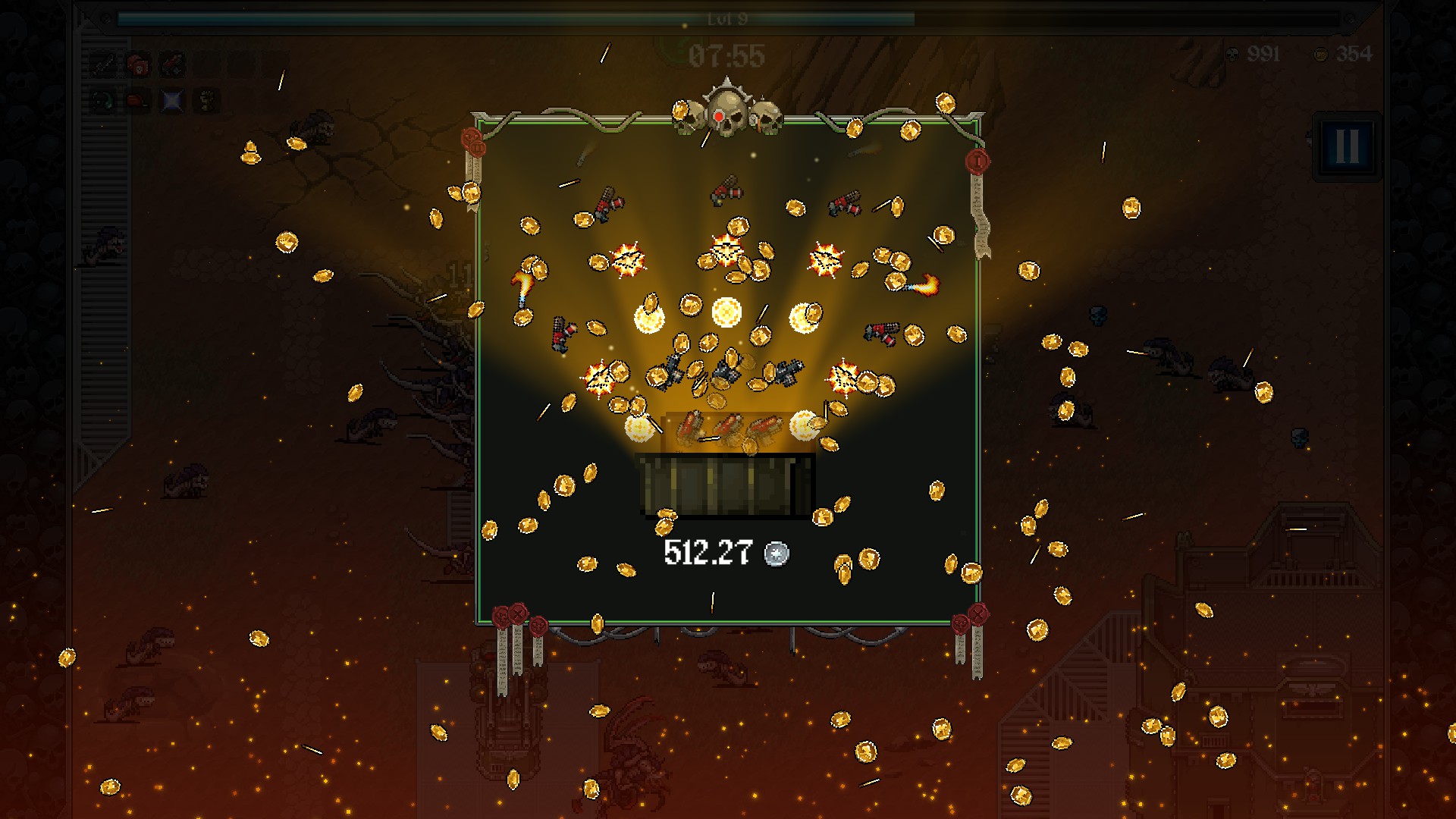
That shared progress is definitely welcome, as Warhammer Survivors is quite tough. The random nature of elements and enemies continues to be a strong appeal, but I don’t remember having such a hard time in Vampire Survivors. Here, it’s quite easy to be overwhelmed by large enemy groups, whether that is a pack of rats or an army of deadly creatures. In addition, special foes appear frequently, and they often push you to respond to their threat in different ways. For example, one of them has an ability where they rush toward you when in close proximity. It may not seem like much, but if your character isn’t fast enough to get away yet or strong enough to keep the foe at bay with a knockback ability, your runs might be cut short earlier than expected. It took me a while to reach the milestones that allowed me to unlock new areas. All in all, I think the difficulty works well enough, but it is a steeper curve than I initially expected.
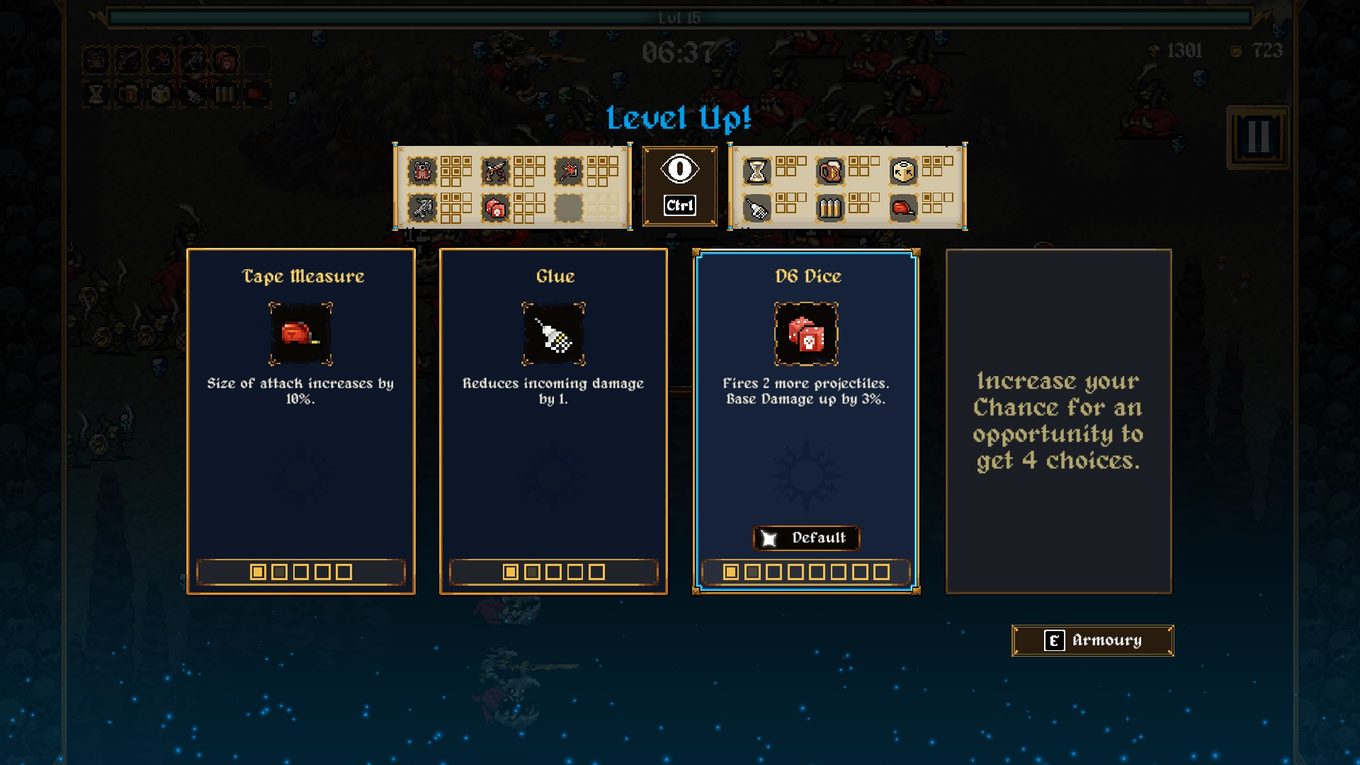
There’s an array of other smaller yet substantial additions that intersect with the experience as a whole. Different damage types and status effects are quite interesting in a game where you’re constantly pushing to gain more abilities, as these bonuses add layers to them. Enemies can become poisoned, frenzied, oiled, and more. Yet, these effects can also affect you, making for interesting trade-offs and considerations to keep in mind while exploring any given map. In conjunction to enemies’ special abilities, it all adds to that increased difficulty. Moreover, completing a level requires you to defeat a final boss fight, which is different depending on the enemy faction you’re currently facing. These moments really put your current build to the test, and help to showcase whether the character of choice and the abilities you’ve accrued can really sustain themselves in the long run.
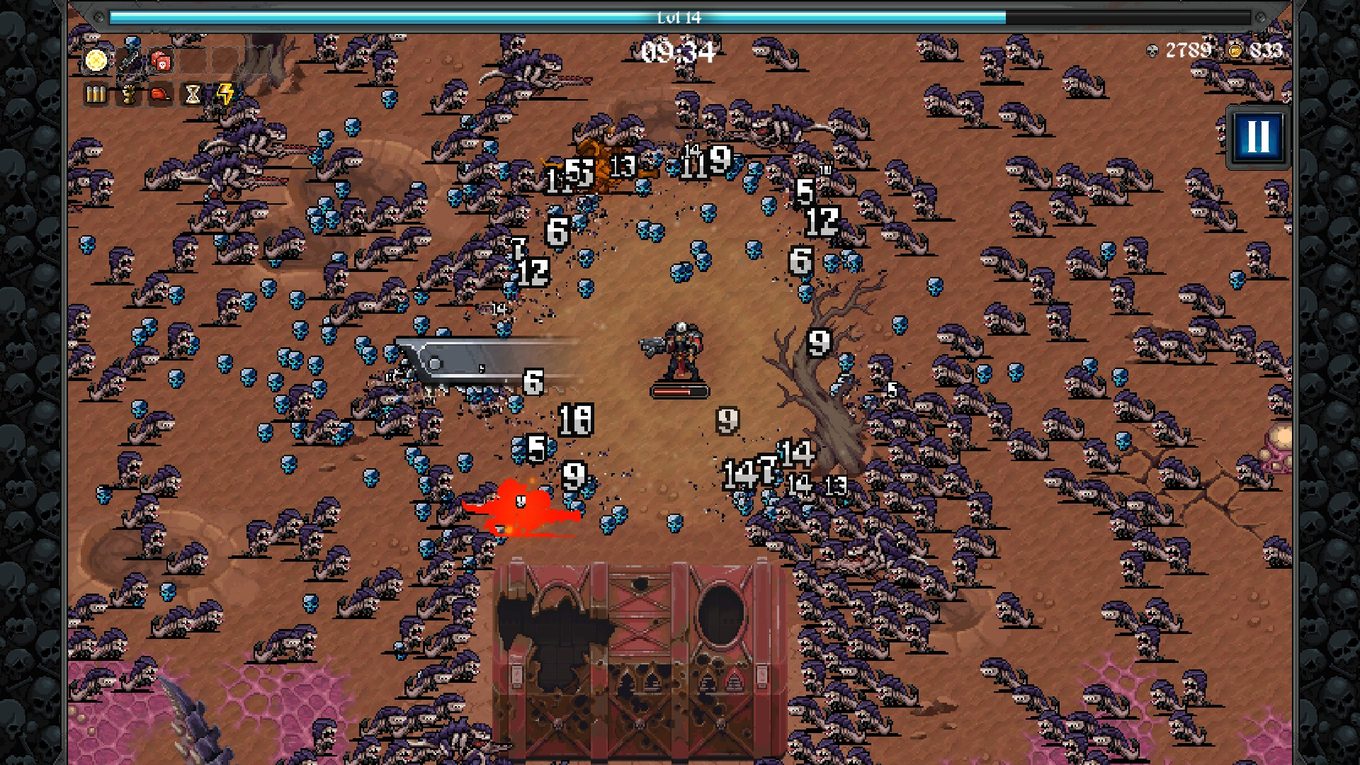
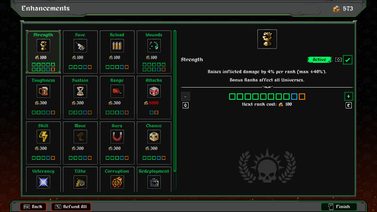
In a way, that’s the general appeal of Vampire Survivors, as well as similar games like Warhammer Survivors. Even if you have a very strong build, it doesn’t mean that you’re always invincible, and the wrong turn toward a corner or an enemy ambush can really turn a run around if you’re not careful. Using your hard earned gold to upgrade your passive abilities and start every run slightly stronger regardless of your character of choice starts to make a difference over time. This all pairs well with other progression mechanics, providing momentum and a seemingly endless to-do checklist.
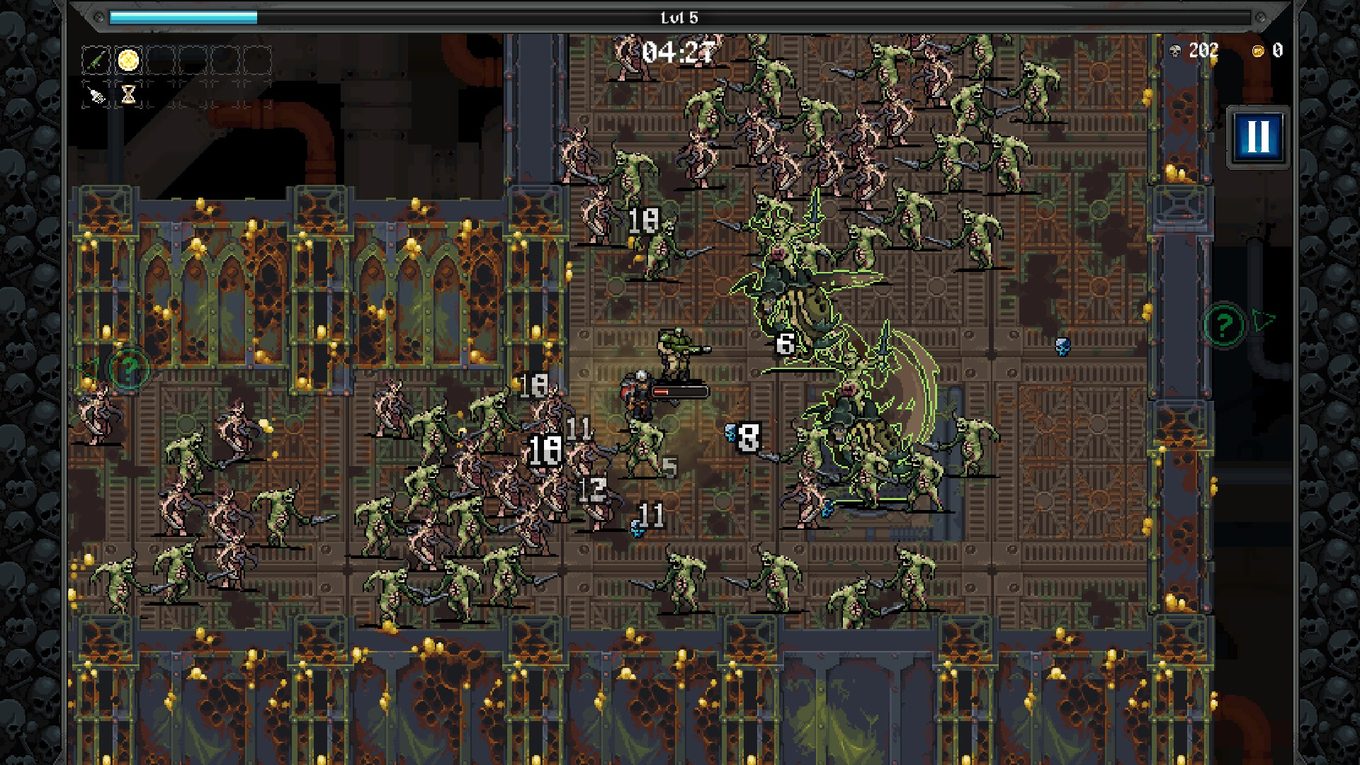
The Warhammer universe writ large is extensive, and it’s clear that Auroch has done its homework when it comes to the presence of characters, weapons, and abilities that all have either immediately recognizable or more niche nods to the source material. Despite my initial reactions, the more I played it, the more the experience felt like an overall expansion rather than a reskin that only makes use of aesthetics and doesn’t attempt to elevate what came before. Rather, it feels like a grown-up Vampire Survivors that isn’t ashamed to boast about the new tricks that it has learned after all of these years, and ends up being better for it.