
Life, it turns out, is quite a big topic, which makes developing a simulation of it very tricky indeed. Throw in the fact that the life simulator genre is well catered for, dominated by an incumbent that has come to represent that slice of gaming in the same way Minecraft is now synonymous with sandbox survival games, and you’re probably not going to be left with many people willing to take on the challenge.
Thank goodness, then, that Alex Massé and his team at Paralives Studio were undaunted. The studio’s debut release, Paralives, has already established itself as a runaway success – 250,000 copies sold in the eight hours that followed its Early Access launch, and over one million in its first month – so we caught up with Paralives Studio communications manager Gab Boyer-Antoni to discuss its explosive arrival, why the team don’t want to emulate what’s gone before, and how the game’s community is leading the charge.

So, obviously it started as a solo project, just Alex [Massé, Paralives Studio founder and lead developer], and he said that in the beginning of it all he was very optimistic and thought he could just do it by himself in a few years. Then it quickly got a little overwhelming and he was really relieved to be able to delegate – actually, the first two things he delegated were marketing tasks and the art tasks, so the first two hires were somebody helping with community and marketing and then an artist. He really needed that transition, and then thanks to the Patreon and social media, the snowball effect happened and we got more budget and that’s how we gradually grew.
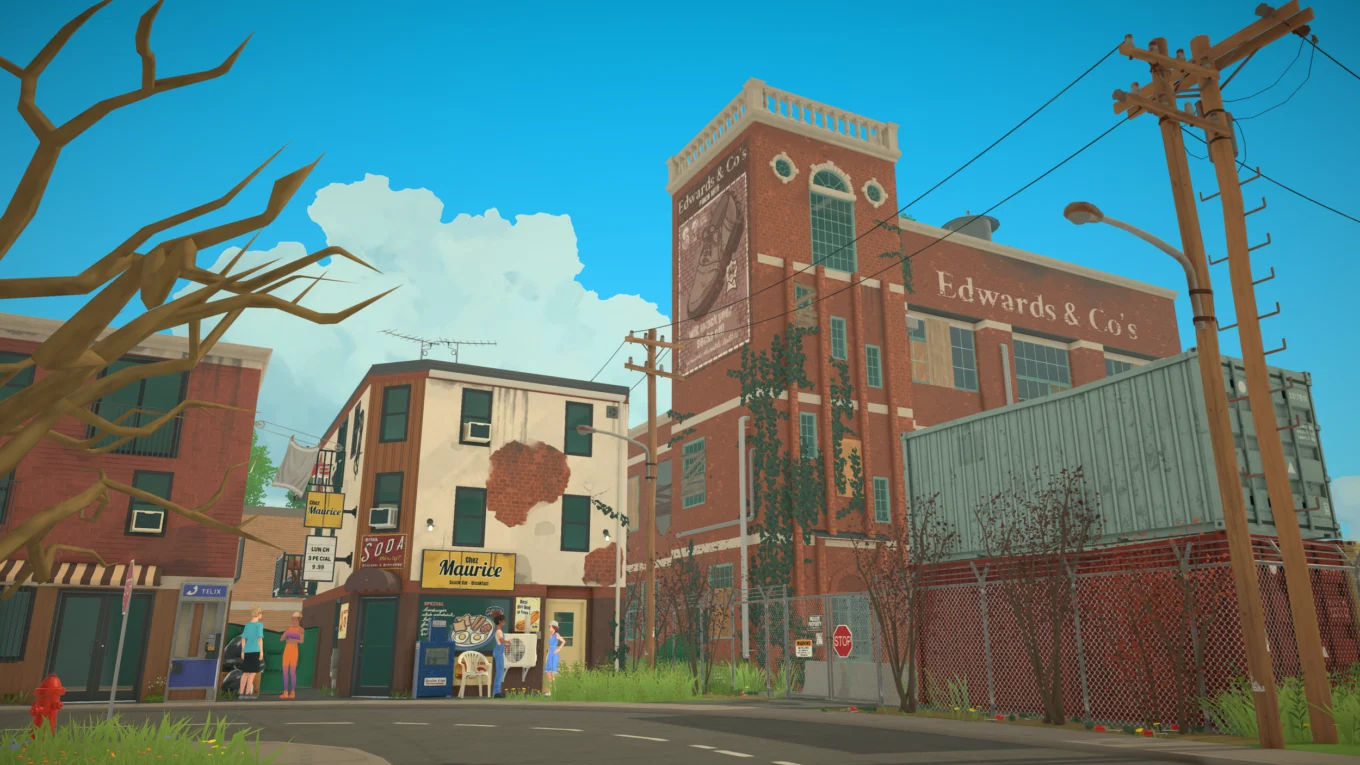
I think we might be closer and more tight-knit than bigger teams, just because we’re still at a scale where all of us know each other. We have sprint meetings and the whole team attends, even myself. I don’t know if community marketing gets set outside of that usually, but in our team we all take part in all of the team meetings and it’s very transparent.
It’s a great way to know where we are, and what everybody’s working on, whether it’s the animator, the artist, the game designers, the programmers… I think it helps with finding out if there’s an issue faster because everybody’s on the same page and we communicate faster. Maybe there’s less management hierarchy, too? There’s almost no hierarchy because we’re very much horizontal, and that’s nice.
Yeah, we have ways of communicating when we have an idea and stuff like that, whether you’re a game designer or not, but we also sometimes have dedicated team brainstorming sessions, so it really is fun to feel like everybody’s an active part of development and not just, like, ‘Oh, you’re the composer and so all you do is music’. We all bounce ideas off each other and also help test the game at different stages.
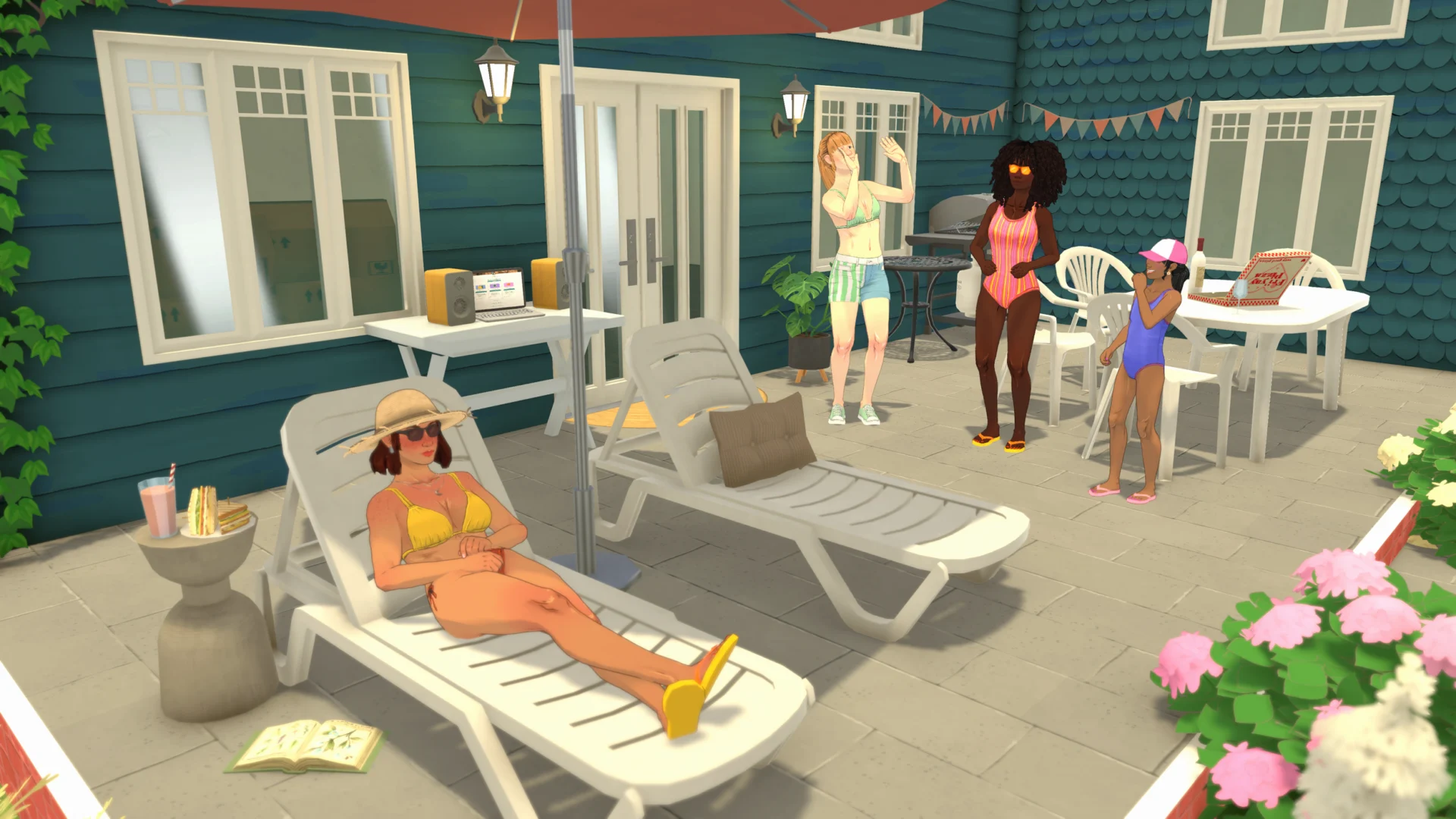
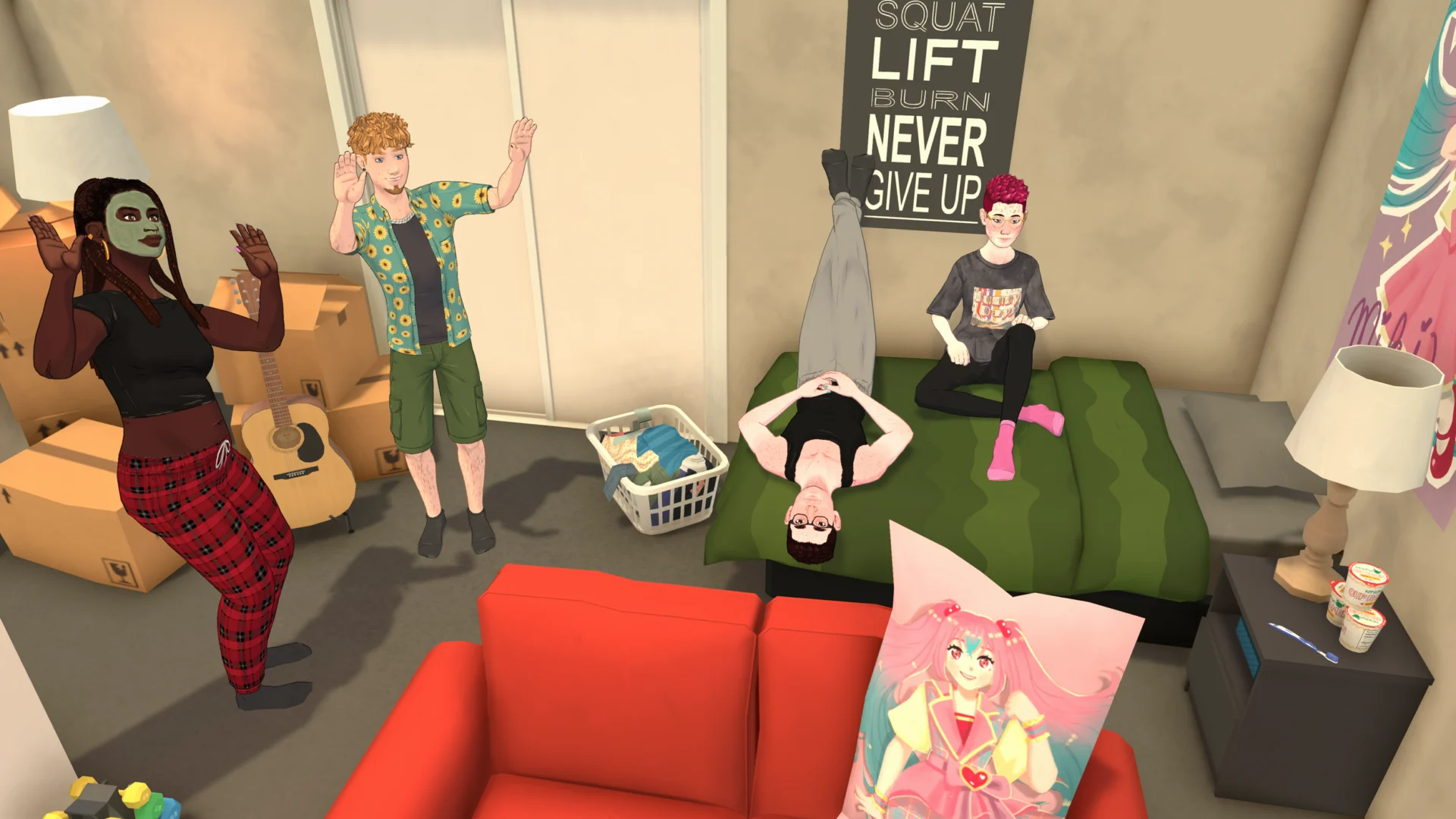
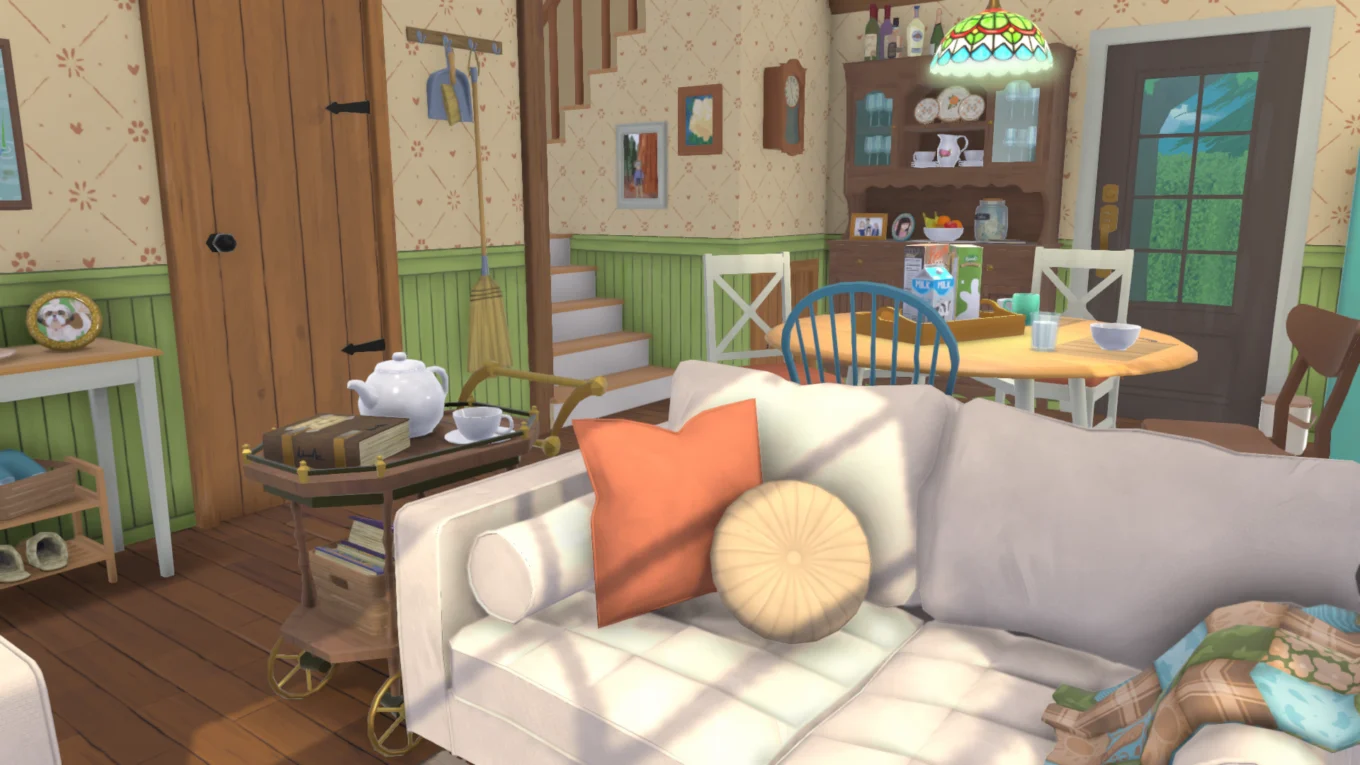
I think there are two aspects. The thing that draws people in is the identity and the soul of the game; the original soundtrack, the art direction, but also all the unique and funny comical items that we have in the game that give it so much character. And then once people are in, I think they stay and play long hours because of all the different features and customisation options that we have which allow for so much creativity.
We have players that have already spent hundreds of hours playing and I think that’s what they’re up to, you know? Customising and letting their creativity run free.
Yeah! Honestly, one of the biggest surprises that we’ve had is just the amount of mods that have been created so, so fast. It’s been in Early Access for a few weeks and we’re already at over 25,000 mods added to the Steam Workshop – and we don’t have the numbers for other platforms yet. We’re just blown away by the creativity and the skills that the community already has. Houses, hairstyles, items, even full features sometimes – it’s just crazy.
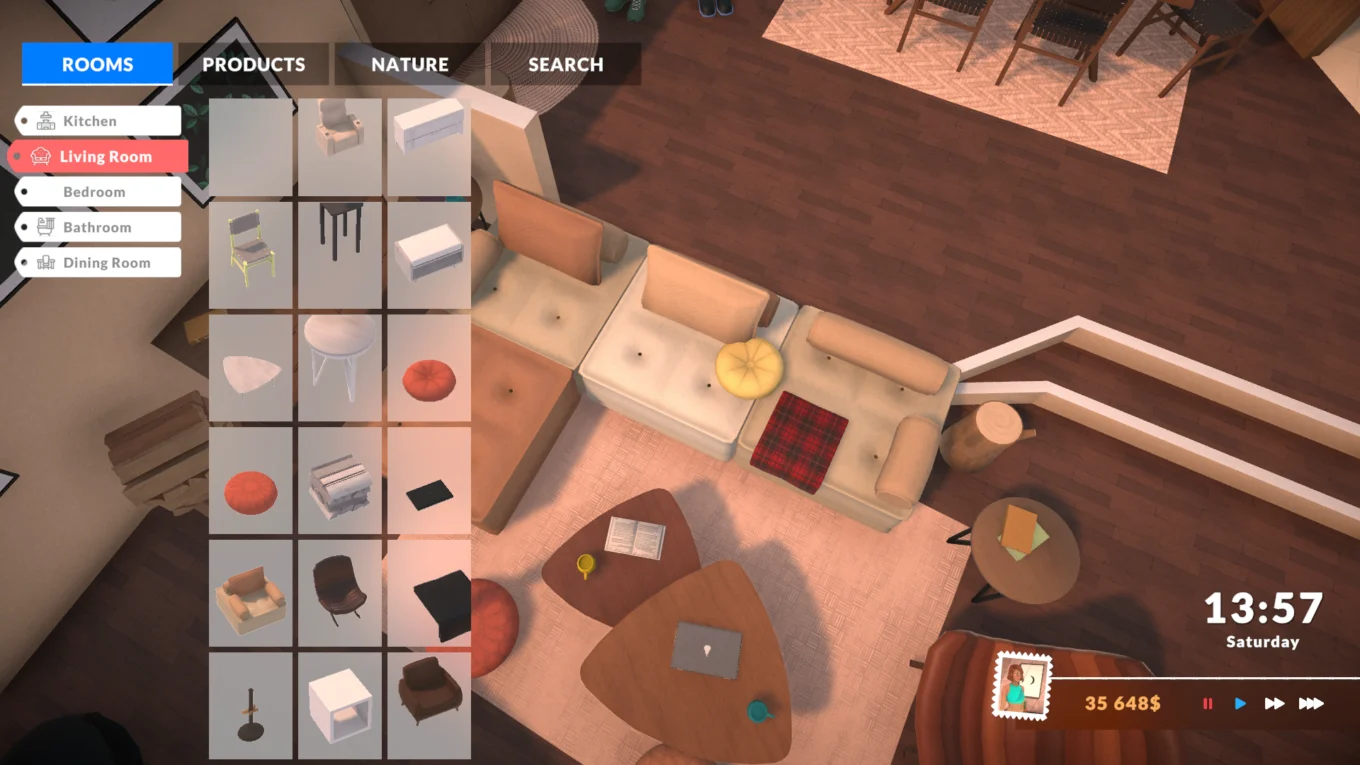
A lot so far, and there’s more coming. For example, one of the features that we want to add during Early Access is tools to edit or create a town. That’s planned and coming, but I’ve already seen people creating a block of New York City. I’m just like, ‘How did they do that in the game already?’ It’s crazy because we haven’t made the features yet, and we don’t have support for script mods yet, but people are already finding ways around that. The tools that we do have so far have been built in order to allow for easy mod options and menus and stuff like that, and we also published tutorials on our wiki before the game was even released so that people were prepared and knew how to do all of that.
Yeah, they really did!
So when we released the game in Early Access, we got hundreds of thousands of feedback reports, and that highlighted so many bugs that we’d never encountered before. It’s allowed us to jump on issues way faster. A lot of that was suggestions and things that people would like to see, but right now we’re focusing on bug fixing so we’re keeping that in mind for later. But there’s already a few things that we’ve been able to fix right away, like for example players were complaining about getting motion sickness in the train tutorial and the wobbly trees, so that’s something we quickly changed in one of the first patches. We’ve also seen that a lot of players were having fun with the custom frame item, so in one of our last patches we’ve run with that aspect and added more custom images on items like rugs, mugs, flags, just to give more to players right away. So there’s little things like that that we’ve been able to add as we’re working on bugs, but we have a lot more features that we’re planning on tweaking or improving later on, thanks to the feedback.
Yeah, we knew there were going to be issues, and the expectations for the game were so high that it was almost like it would have been unfair to the game and to players to not warn people. We released little videos and infographics explaining what Early Access is, and what it means. And that you’ll encounter bugs, so here’s our bug report form. Actually, how to report a bug was one of our social media posts on release day! So with the trailer we really almost wanted to lower the expectations in a way, because of all the hype and comparisons to other fully finished games that are out there. It was very important to us to be transparent and communicate clearly what players should expect.
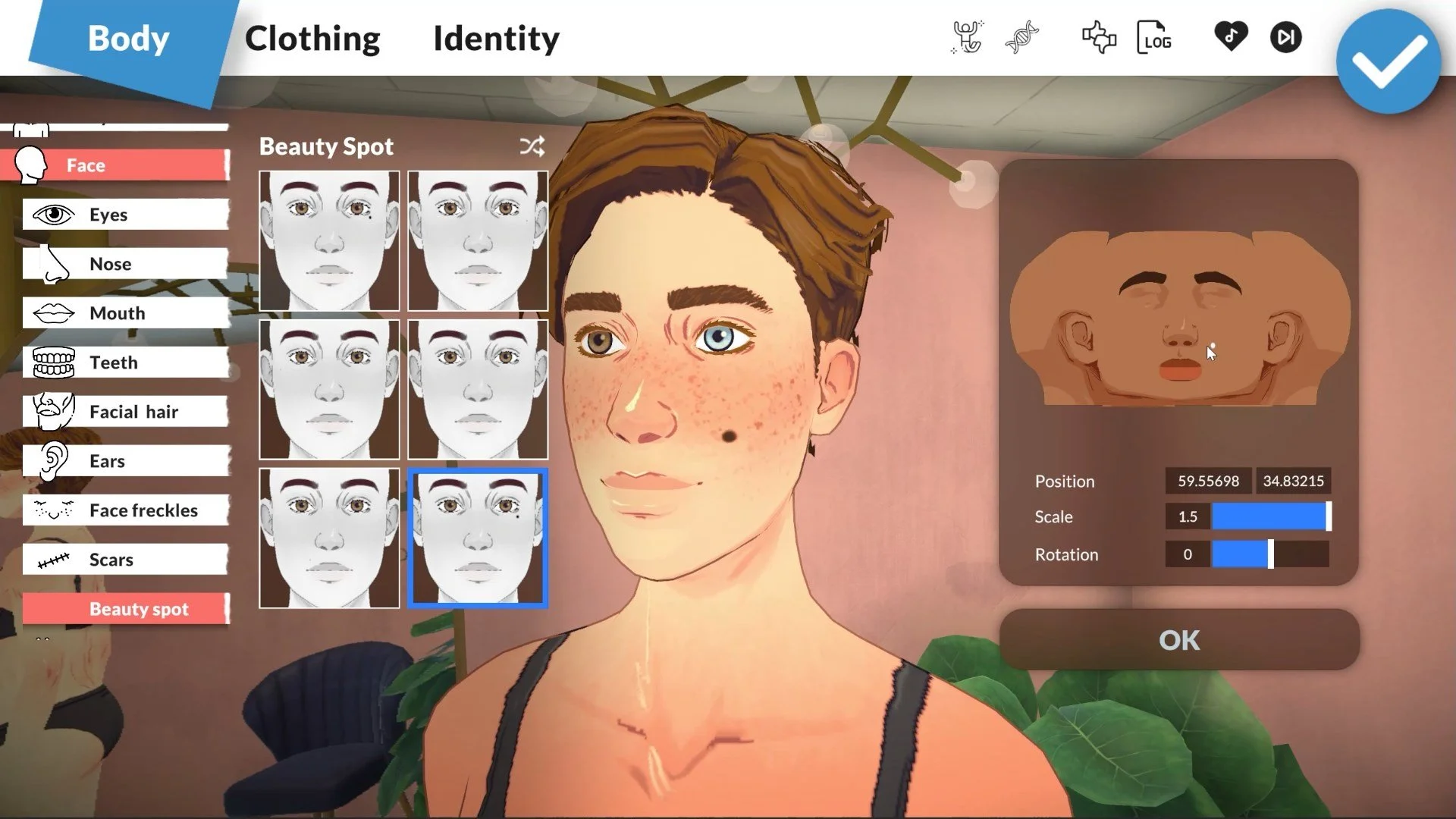
I know that in the Para maker that’s at the beginning, originally your characters would show their teeth when you create them and it was kind of creepy! That’s not really a bug, but it was changed. There were also a lot of requests about how players really wanted to be able to edit their characters even after they left the character creation mode, and I think in the last patch we added the option of being able to edit your character if you go to the hospital! But when it comes to bugs we just get on with fixing them when they come up!
Yeah, that’s a great question because most of our player base might have played The Sims for over ten years, so sometimes they offer feedback which, when you dig a little deeper, you realise it’s mostly an expectation coming from having played The Sims. For example, we get a lot of feedback about the Together Cards, our conversation system, which are cards and not a bubble or pie system. And a lot of the time people write stuff like, ‘Oh, it would be nice if it could just be, kind of like, bubbles that, like, you select’. And we go ‘You’re just describing The Sims!’ [Laughs]. It comes up really often!
So yeah, we got a lot of feedback about that system, and we plan on revisiting it and tweaking it down the line, but a lot of it comes down to asking ourselves whether or not that feedback fits with our vision of Paralives, and it’s important to stick to that independently of where the idea comes from.
We want to give players as much space as possible for them to express themselves, but not all players play the same way – a lot of players like to be directed and limited in some ways because it makes the game challenging and fun. So, for example, with the in-game economy we could have made everything free, but a lot of people play because they enjoy making money and building a big house from humble beginnings and that aspect would have been lost..
Same thing with the recipes or paintings – if we don’t have a system of levels, then the fun in trying to improve a skill is kind of lost. So that is maybe where we have to add more constraints, to make sure the game is fun. But those are things you can find a way around – like we have cheat codes for the money and cheat goes for the levels of cooking and stuff like that. So we’re trying to keep that vanilla gameplay loop with a bit of push and pull, but also including
some little cheats or options if some people out there just really want to have one million dollars, build a mansion, and then that’s it.
It would probably be the game logic itself – the devs had to design and implement a simple programming language solution for them and the players to implement how all the needs, skills, and emotions have to behave. so that would be the hardest part that had to be built around modding.
So because it’s a life simulation, we needed to have a system where Parafolks do things autonomously which the player maybe doesn’t expect them to do. But the idea is that the player eventually understands why things are happening and why characters react. So, for example, sometimes you might have a character that’s always angry and kicking things around, or starting fights for no reason, but then you realise that it’s because that character is near another character that it doesn’t like which is going to impact its mood and then trigger all of these like reactions
But we want to keep on improving that system during Early Access, as there are little bugs related to that right now, and players will write to us and be like, ‘I don’t understand why my character does this’. Sometimes it actually is a bug, so we are also working on improving that design. But I think it’s really fun, it allows for more stories to be made and the game keeps you on your toes a little bit. It’s not just a repetitive loop where you can know exactly what’s going to happen and your character is just idle, not doing anything if you don’t look after it.
[Laughs] We definitely think there’s room for competition, and the life-sim genre is just so large and includes so many types of players that it’s awesome that there’s more than one game out there trying to answer those different needs, offering different art directions, and just different takes on the genre. More competition is always great for players and games!
Yeah, that’s something that really matters to us – to keep the trust of the players and our
identity through all of this. We did promise before we even released the game that there’ll never
be any paid DLC, that it’s a one-time purchase with frequent updates during Early Access. And as a small independent team with no investors or publisher, that plan was very much confirmed to be sustainable for us when we saw the numbers that were coming in on the first day – maybe even hours – of the release. The one million copies sold so far is far beyond what we ever expected and guarantees that we can continue to do our work in the same way for as long as we need. We don’t plan on increasing our team by that much, just a few positions, and so we’re in a good position to be able to reaffirm that statement.
Right now we’re focusing on working on Paralives and making it a strong game, and we still have so many features to add before we get to the full launch so that’s very much our direction and we’re not really thinking about Paralives 2 right now! There’s just so much left for this release and our roadmap is quite busy – the next two years of Early Access are going to be really exciting until we get to the full launch, and then we’ll see.
Paralives is available now on Steam in Early Access.