
Call of the Elder Gods expands on its forebear, Call of the Sea, in almost every way. Its most ambitious puzzles are more complicated and expansive than anything in the first game, the story unfurls across multiple locations around the world instead of a single island, and there are even two playable characters this time around. That’s twice the playableness, guys. But despite this ostensible expansion in scope, CotEG somehow ends up feeling more hemmed in and less cohesive than CotS. It’s a head scratcher worthy of even Professor Harrison Everhart’s attention.
Talking of Harry, this time around you actually get to play as him, along with newcomer Evangeline Drayton, as the pair seek the source of the unnerving visions both are experiencing. The game takes place 30 or so years after the events of CotS, and Harry is now an archaeology professor at Miskatonic University, still grieving for his wife Norah. Evie, meanwhile, is the daughter of a member of the first game’s ill-fated expedition, and thus the two are inextricably linked. Their contrasting personalities – Harry’s world-weary sadness and Evie’s youthful tenacity – create an entertaining tension which propels a cosy-spooky mystery that’s half Lovecraftian, half Indiana Jonesian (both Harry and Evie, it turns out, also hate those guys).
This peppy tonal contrast doesn’t save the script from occasional exposition dumps or some odd immersion-breaking moments – chief among them being Harry and Evie’s insistence on saying, “your turn” each time you switch between them during some later puzzles, temporarily reducing otherwise well-written characters to cosmic-horror’s equivalent of the Chuckle Brothers. There’s also some inconsistency in terms of when the game seamlessly merges its narrative with gameplay, and when it forces you to stay rigidly in place to listen to dialogue. These stretches can be quite long and, while developer Out of the Blue is far from the only studio guilty of such things, it’s difficult not to lament the fact that, nearly 22 years on, Half-Life 2’s teachings still don’t seem to have been fully embraced by the game industry.
It doesn’t help that the game physically reinforces this lack of flow, too. Evie and Harry move with no more urgency than Norah did, even when running, which proves especially frustrating when working on the more dispersed puzzles – not least when your movement is restricted by portions of the environment that either protagonist could definitely, absolutely step over if they really wanted to.
None of this detracts from the refreshingly unpatronising, ambitious scale of the puzzles at the heart of CotEG, however. Out of the Blue doesn’t pull its punches, and while the first game’s helpful notebook returns – in which you sketch key information and clues – the challenge of the more elaborate conundrums is substantial. One Egyptian-themed problem requires you to juggle so much information that it is initially overwhelming, feeling almost impossible to break the back of. But this also tees up an immense sense of cascading satisfaction; initially when you find the first hook on which to hang your working theory, then increasing as the domino effect of your reasoning allows the pieces to slowly fall into place, and the eventual denouement when all your hard work pays off.
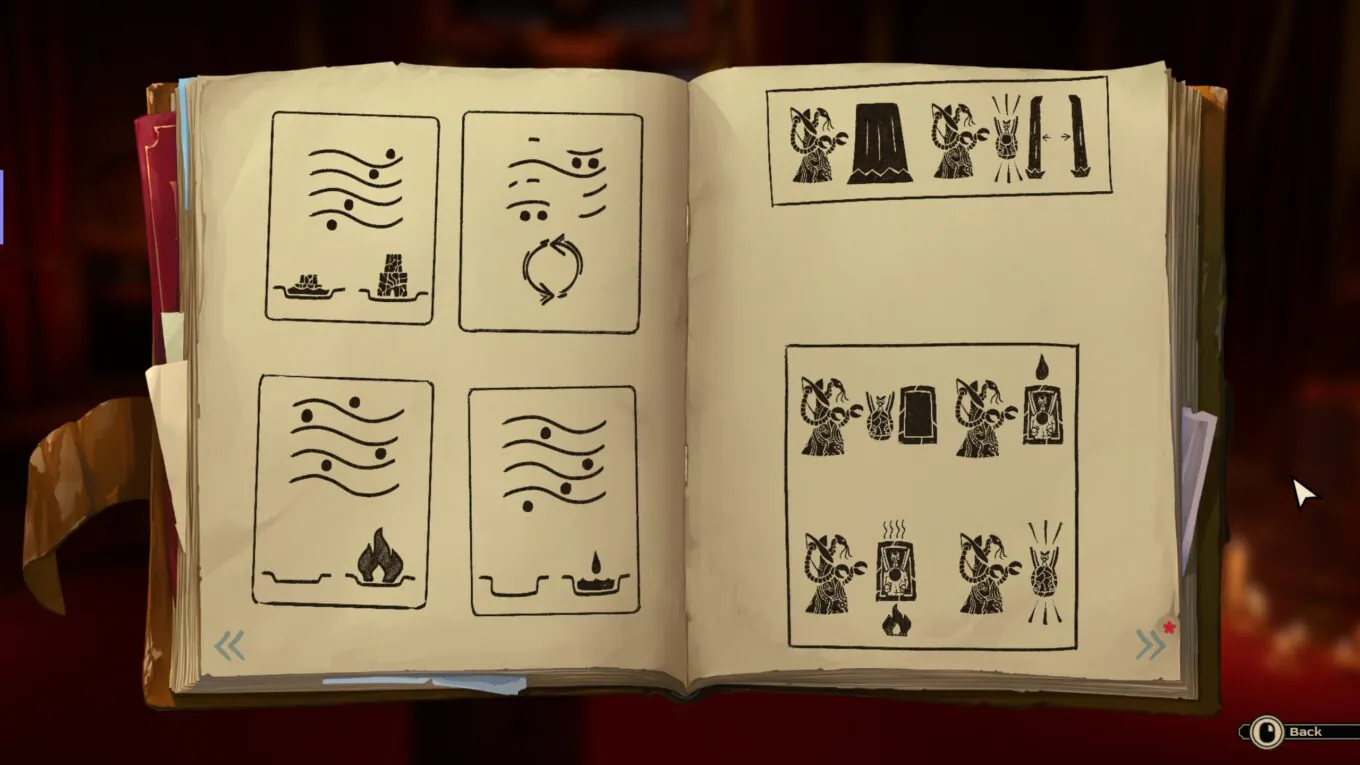
However, while that particular puzzle is probably the pinnacle of the game, it also turns out to be the clearest signifier of its structural problems. Firstly, it comes roughly halfway through the story and is, by some measure, the toughest challenge you’ll face, which robs the game of any sense of escalating stakes. But it’s also the puzzle that most readily exposes CotEG extremely simplistic gameplay loop – that is, search around for scraps of paper or other clues, collate the ones that are relevant to your investigation, solve the puzzle, rinse and repeat. This is usually somewhat concealed by the organic sprawl of the game’s environments, but in this instance almost everything you need is sat on shelves and desks in five adjacent offices on a balcony.
There is variety in the mechanics of the puzzles, lots of it in fact (there’s even a brief flirtation with a The Room-style physical puzzle, though it’s perfunctory), but the foundational process never changes and quickly feels repetitive. Once you become aware of it, the veil is drawn back on the otherwise pretty environments – look a little closer and they start to feel sterile and devoid of life. The illusion of a broader world collapses in on itself, exposing the scaffolding over which puzzles are draped. Whereas CotS built a heady sense of place by whisking you through various locations on a single island, CotEG’s locales can feel contrived and disconnected.
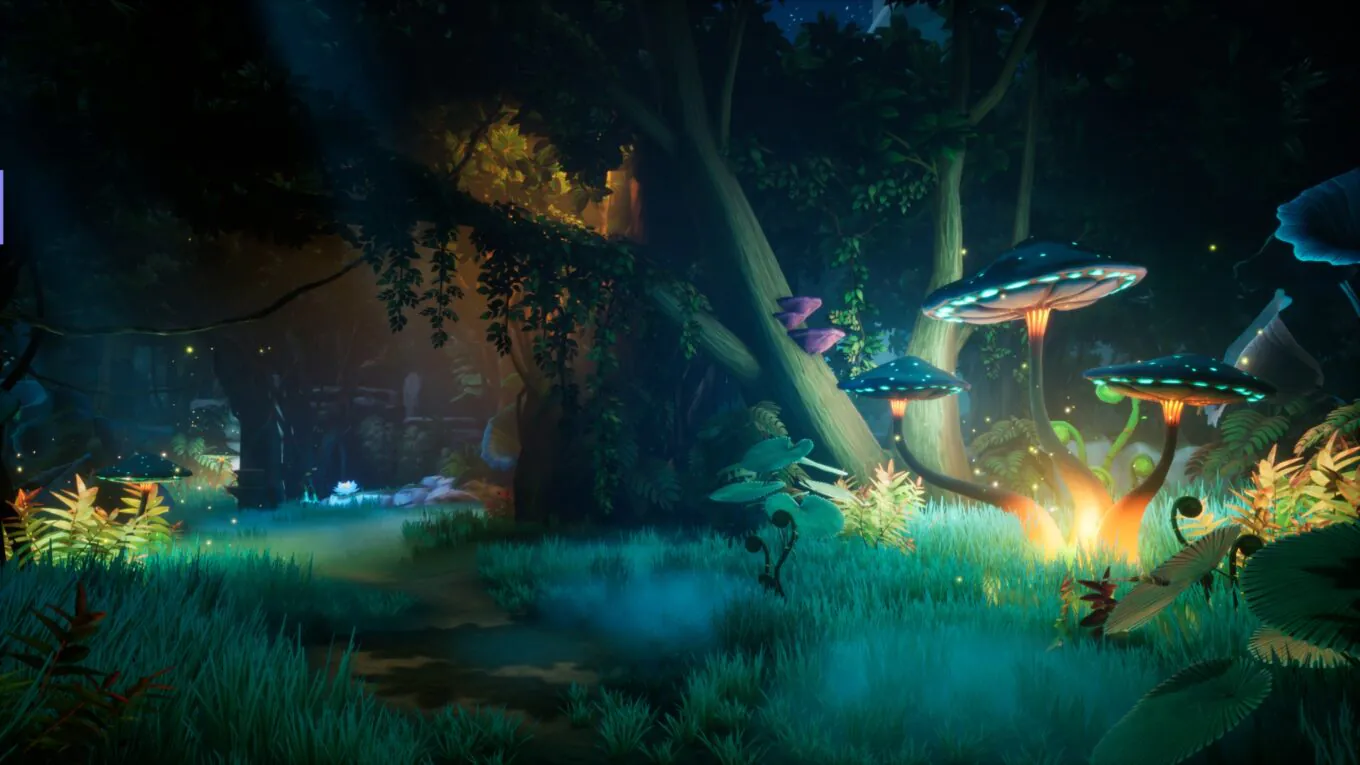
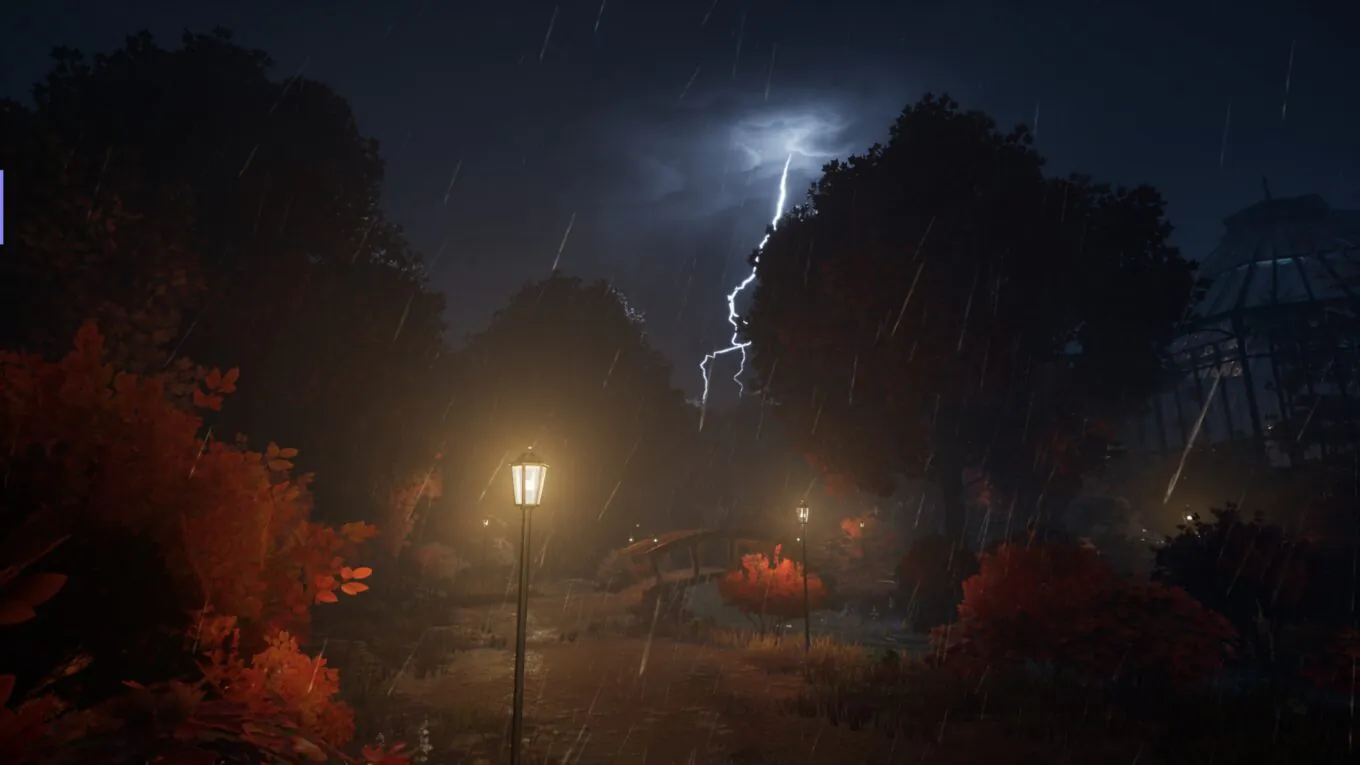
That’s not to say there aren’t some fetching views along the way. The game looks beautiful throughout, and some of the outdoor and underwater spaces prove especially memorable. It doesn’t quite stick the landing with one late-game reveal that I won’t spoil here, but a moment where you come face to face with something that should feel otherworldly, unknowable, and a little scary, underwhelms just when you’re most ready to be floored. While we’re on the subject of being underwhelmed, please can we take this moment to acknowledge that representing dream sequences with hovering pathways that snake their way through a void of floating objects is the game-design equivalent of truffle oil – overused, and far less impactful than it used to be.
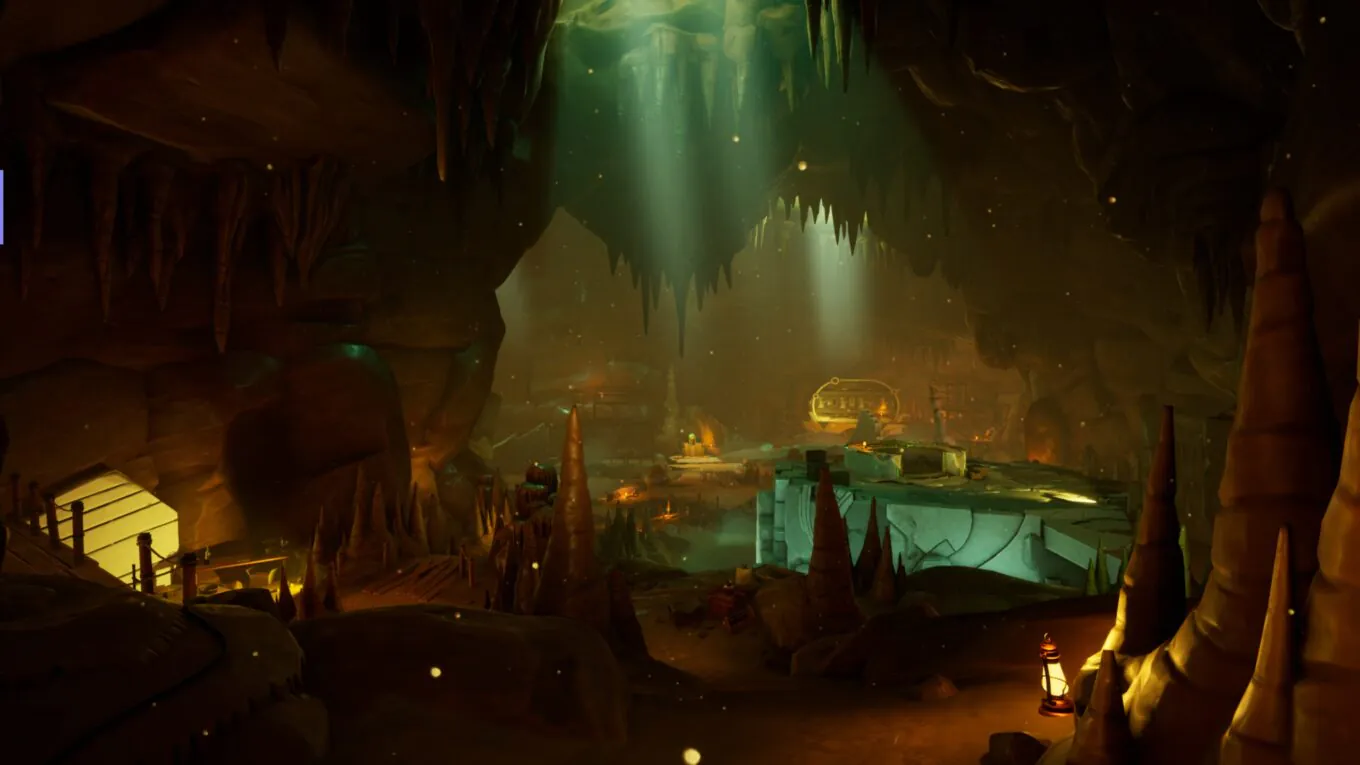
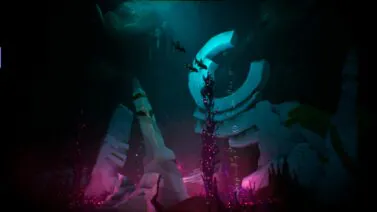
Call of the Elder Gods is, by all metrics, a more ambitious and technically confident game than its predecessor. You’ll want to spend time with its lead characters, there’s a powerful sense of mystery and adventure driving you forward, and the game’s best puzzles are densely satisfying. But the more time you spend with it, the more its individual strengths begin to sit apart from each other rather than cohere into something greater. Even so, despite the game ending up feeling like a procession of puzzle setpieces rather than a persuasive world, it’s impossible not to feel intellectually nourished by the challenge it presents.