
Hellraiser is a deeply silly movie. Being a diligent chap, I rewatched it for the purposes of this review, and found that its overwrought acting, sometimes shoddy special effects, and often bizarre editing have not aged well. You can even see the crew in the background of one shot, pushing the trolley on which a monster is mounted. But the obvious restrictions of Hellraiser’s low budget – a tenth of Alien’s, for context – didn’t prevent it from becoming a word-of-mouth legend in 1987.
Much of that is down to the Cenobites, the uniquely ambiguous antagonists at its centre – sadomasochistic rather than psychopathic, restrained rather than exertive, accidentally invited rather than indiscriminate. The series’ supernatural body horror presents an unknowable peril quite unlike the stalkers found in the more common slasher movies of the time. They also dive ball-gag first into the intersection between pain and pleasure, and so too does Saber Interactive’s videogame. So, fair warning, there’s some spicy stuff ahead if you choose to read on.
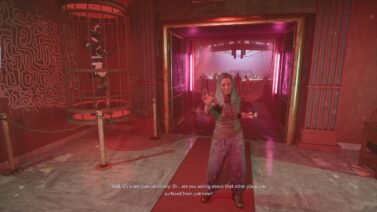
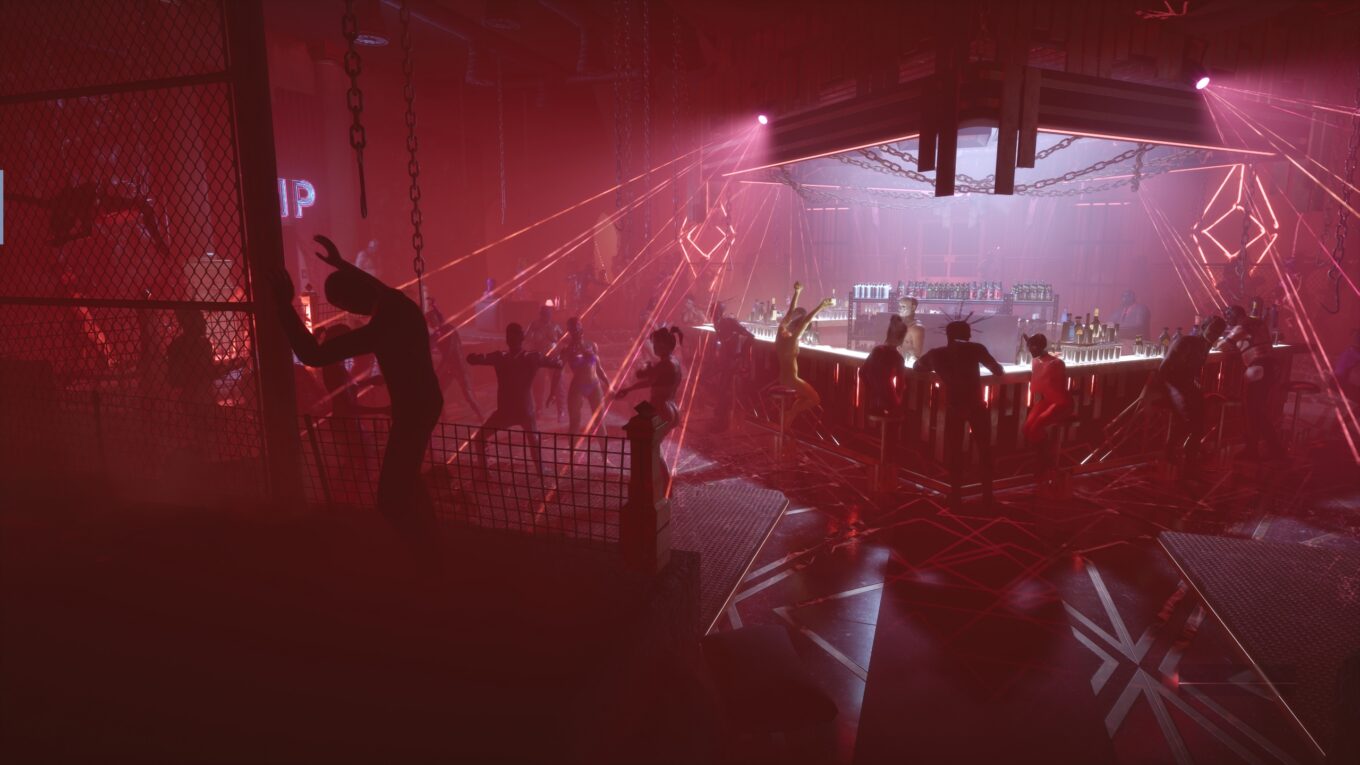
Which goes some way to explaining why you find me in the middle of a three-item fetch quest, a pretty standard videogame device, gingerly canvassing otherwise-engaged sex-club patrons for a paddle, a spreader, and the “biggest, thickest” dildo I can find. It’s not the first time I’ve been in this predicament, nor will it be the last, I imagine. It also rationalises the repeated offer, from latex-swaddled enemies encountered during the game’s stealth combat sequences, of a post-mortem handjob, which does seem rather a one-sided proposition.
Revival certainly doesn’t pull its punches (nor, for that matter, any other activity involving fists), and even if you’re familiar with the films and the original novella, the tone can feel overbearing at first. The game opens with a fairly graphic sex scene which ends with your girlfriend, Sunny, being flayed by the Cenobites’ iconic chains and hooks. Things somehow manage to escalate from there, and I was often struck with a potent distillation of that awkward feeling induced by the arrival of a mating sequence when watching a nature documentary with your parents. There were plenty of moments that made me hope my partner wouldn’t walk behind me and see my screen (though she seemed to have a special skill at passing at exactly those moments), not least the culmination of that fetch quest when I was required to deploy the spreader and paddle to get the key I needed. Thank goodness, then, that the recipient of my efforts was so underwhelmed that we never graduated to the dildo.


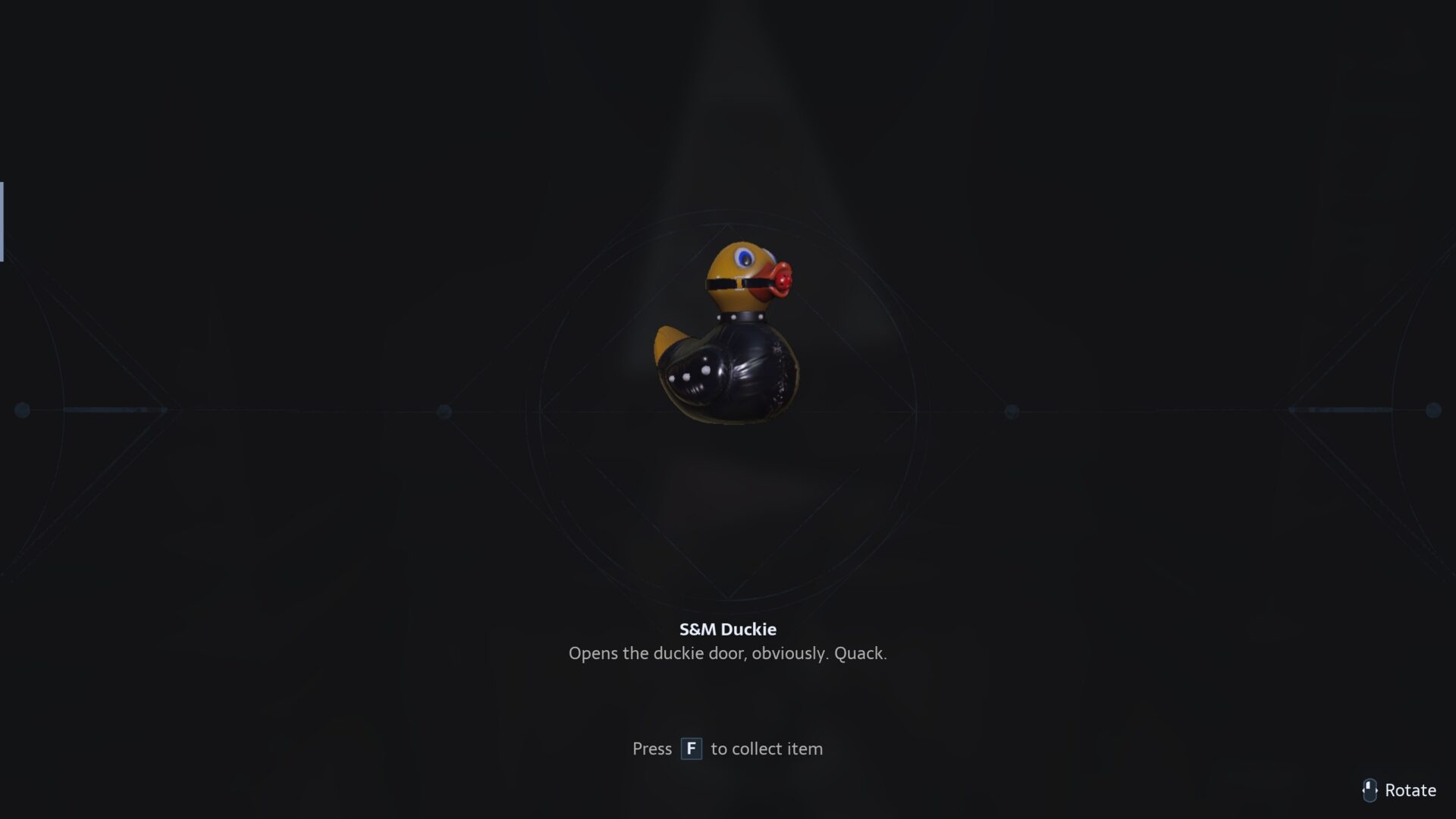
In the end, Saber manages to walk this line with maturity and skill for the most part. The game grounds its salacious content by balancing it with a nuanced story about the breakdown of a codependent – but not particularly romantic – relationship, and by carefully distinguishing between healthy BDSM kinks and the darker extremes of self-destructive behaviour. The dev team’s suggestion that it has equalised male and female nudity quickly unravels: during the game’s seven-or-so-hour run time there are precisely two instances of a penis on screen, but innumerable boobs and vulvas – most, rather queasily, on dead bodies. However, the distribution of power and pleasure is far more even-handed. And Saber has been smart when it comes to tonal pacing, too. One moment you’re working out the order in which to remove a hook from your wrist, a nail from your hand, and the stitches adhering your right arm to your belly; the next, you’re holding a cute BDSM rubber ducky, ball gag in its beak, that functions as a door key. There is levity here, even if the horror can feel unremitting at times.
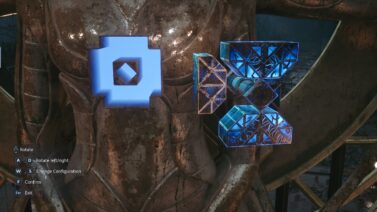
The game mostly takes place across two main environments, an opulent sex club and the sprawling labyrinth the Cenobites call home, interspersed with a handful of excursions to other locations. This neat division also serves as a frame for two primary gameplay styles – in the real world you bludgeon, slash, sneak, and desperately fight for your life, while in the labyrinth you solve block-based environmental puzzles, dodge whirling sharp stuff, and run from Chatterer as his clacking teeth and unnervingly quick footsteps seem to get closer with every panicked turn you make. There are many of these chase sequences throughout the game, and they genuinely induce shivers, especially when you have to deal with an obstacle knowing he’s bearing down on you. But he feels more like a traditional videogame enemy during a sequence in which you have to repeatedly lead him around pillars in order to buy time to solve a puzzle, sapping a little of his menace.
You move blocks and other interactive elements by wielding the Genesis Configuration, a box which opens a gateway to the Cenobite’s dimension like the Lament Configuration seen in the movies, but which also serves a mysterious other purpose central to the story. The gradually upgradable Configuration also provides a point of consistency between the game’s two realms, acting as an additional weapon in the real world. It’s fueled by suffering, a meter which you top up by inflicting pain – hurt certain enemies enough and they’ll glow blue, allowing you to banish them by thrusting the cube into some soft part of their body, restoring some of your health and suffering in the process.
But it has other tricks too, including the ability to absorb fire from the environment and then spit it at your chosen target, or levitate sharp objects and toss them. The similarity to Half-Life 2’s Zero Point Energy Field Manipulator (or, gravity gun to its mates) hasn’t gone unnoticed, and the point at which you gain this power is served up as a brilliant homage to Valve’s classic – including a spooky outdoor environment, shambling enemies, plentiful saw blades, and even a torso resting on one embedded in a wall. It’s a wonderful, massive-grin-inducing moment that comes just at the right time after a sequence of desperate melee combat. It remains an important tool throughout, although slightly undermined by the fact that if you hold on to ammo for too long it’ll drop away and disappear, while any that you fling at the baddies can often be retrieved for a second shot. This feels needlessly punitive, especially in a game in which ammo is at a premium.
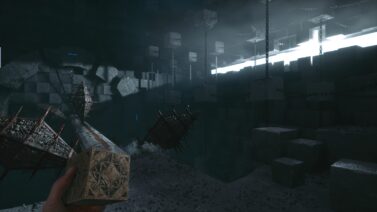
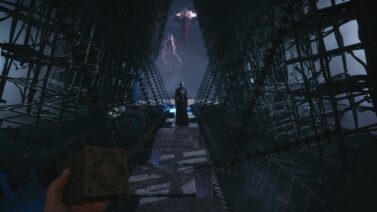
The Half-Life 2 influence isn’t the only one adorning the game’s body-fluid-soaked sleeves. Combat, which feels substantial and desperate, requiring you to use a combination of blunt weapons to smash armour, sharp ones to dismember, and powerful guns at range whenever you have a spare bullet or two to hand, is reminiscent of Condemned: Criminal Origins. The outdoor sections with their ramshackle wooden buildings and waves of enemies feel of a piece with recent Resident Evil titles, as do the game’s magical storage chests. There’s a deranged artist called Bruno who sculpts with human bodies and would probably find much common ground over a brandy with BioShock’s Sander Cohen. There are elements of Returnal and Control in the labyrinth’s astonishing architecture. There’s even a little Doom in there, with the banishing/health mechanic, and I detected subtle notes of Metro when dealing with intermittently appearing trader Zora and negotiating some of the game’s monstrosity-filled subterranean tunnels.
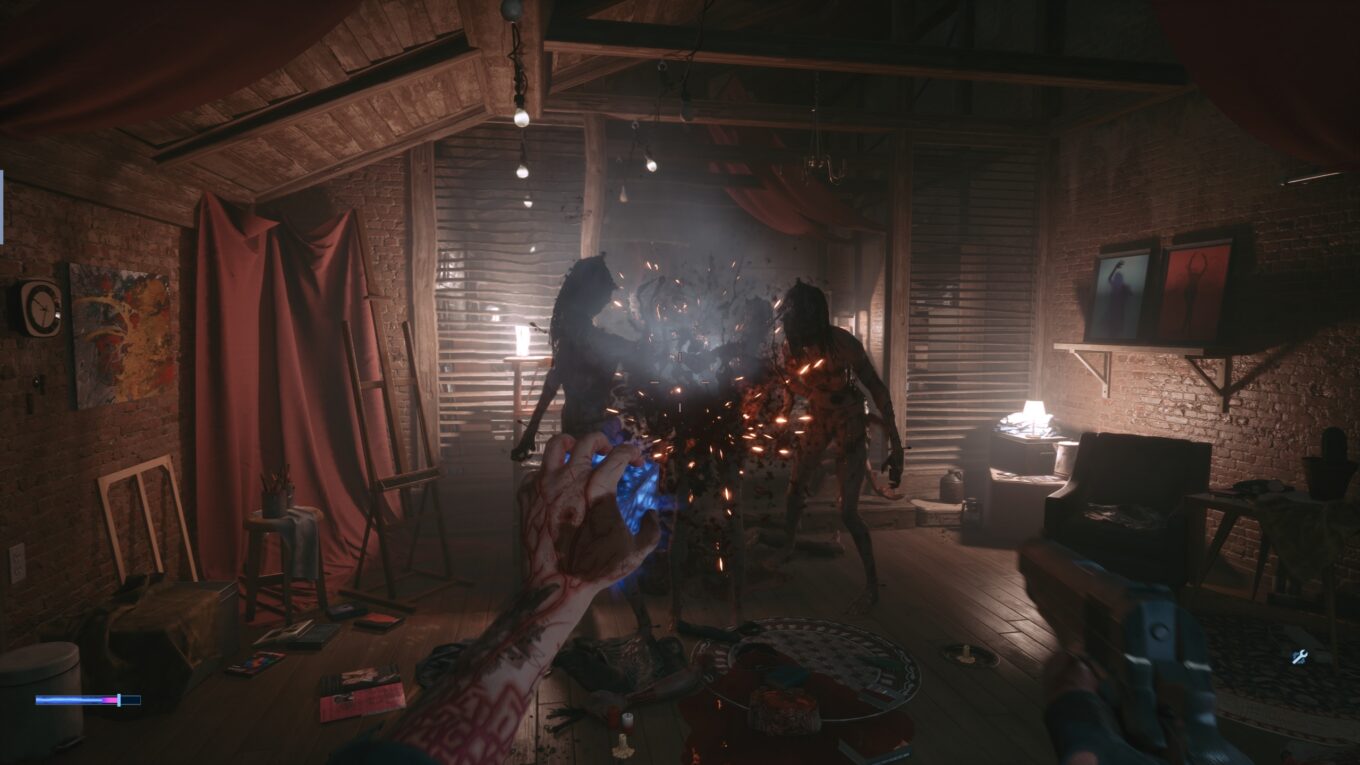
In fact, like Bruno’s sickening ‘angels’, much of the game feels stitched together from parts borrowed from donors. That’s no bad thing; Saber clearly has discerning taste when it comes to inspirations, and on the whole does excellent work with its interpretations. Revival feels reassuringly solid, and hangs together as a coherent whole despite what seems, on paper, to be an overly complex recipe.
It doesn’t always hang together quite so confidently, however. Along the way you’ll face set-piece boss fights that are visually spectacular, but often mechanically flawed. They’re punishing, certainly, but even on the easiest difficulty setting it’s possible to run out of ammunition, breakable melee weapons, and flingable environmental objects. In most cases you can revert to your standard (and undegradable) dagger in an effort to both chip away at the bosses’ health bar and fill your suffering bar in order to trigger a special power that allows you to wield those chains and hooks and tear chunks off them. But I found myself softlocked on my first two attempts at the final encounter, running around avoiding attacks but unable to return the favour: I’d exhausted all the ammunition and throwable environmental objects, and no more was forthcoming, while the weak spots I needed to hit were out of range and the rest of the boss was invulnerable, preventing me from filling the suffering bar. An otherwise enjoyable game spoilt by a boss encounter? Well, I suppose that’s very BioShock.
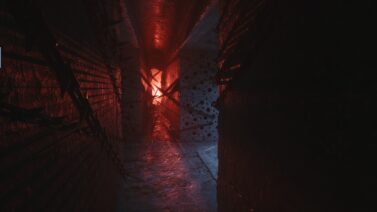
A similarly problematic moment earlier in the game required me to fend off waves of enemies while inside a cabin – the game introduces a new mechanic (the only time it’s used) without explicitly pointing you in the right direction, and then bombards you in a tight environment in which it is possible to become overwhelmed to the point of not being able to move. What should be a fantastically frantic sequence becomes a stock-taking slog as you work out how to make the most of your rapidly dwindling supplies. These difficulty spikes aren’t indicative of a lack of skill on my part, but rather a decision to eschew the enjoyably freewheeling improvisational combat found elsewhere in the game in favour of clashes so tightly defined that you essentially have to tackle them as a careful checklist.
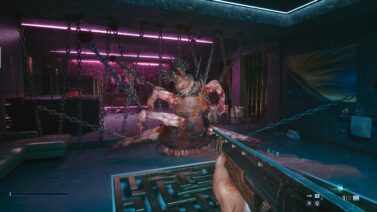
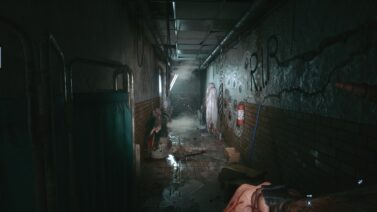
The build I played also suffered from a few other quirks – a slightly pernickety takedown mechanic that doesn’t work if you’re too close, body parts floating in the air, a scene transition hiccup where the engine spluttered a bit, and one instance in which I managed to get trapped behind a bench (there’s no jump, only a dodge move) – but none of these were severe enough to tarnish the experience to any significant extent.
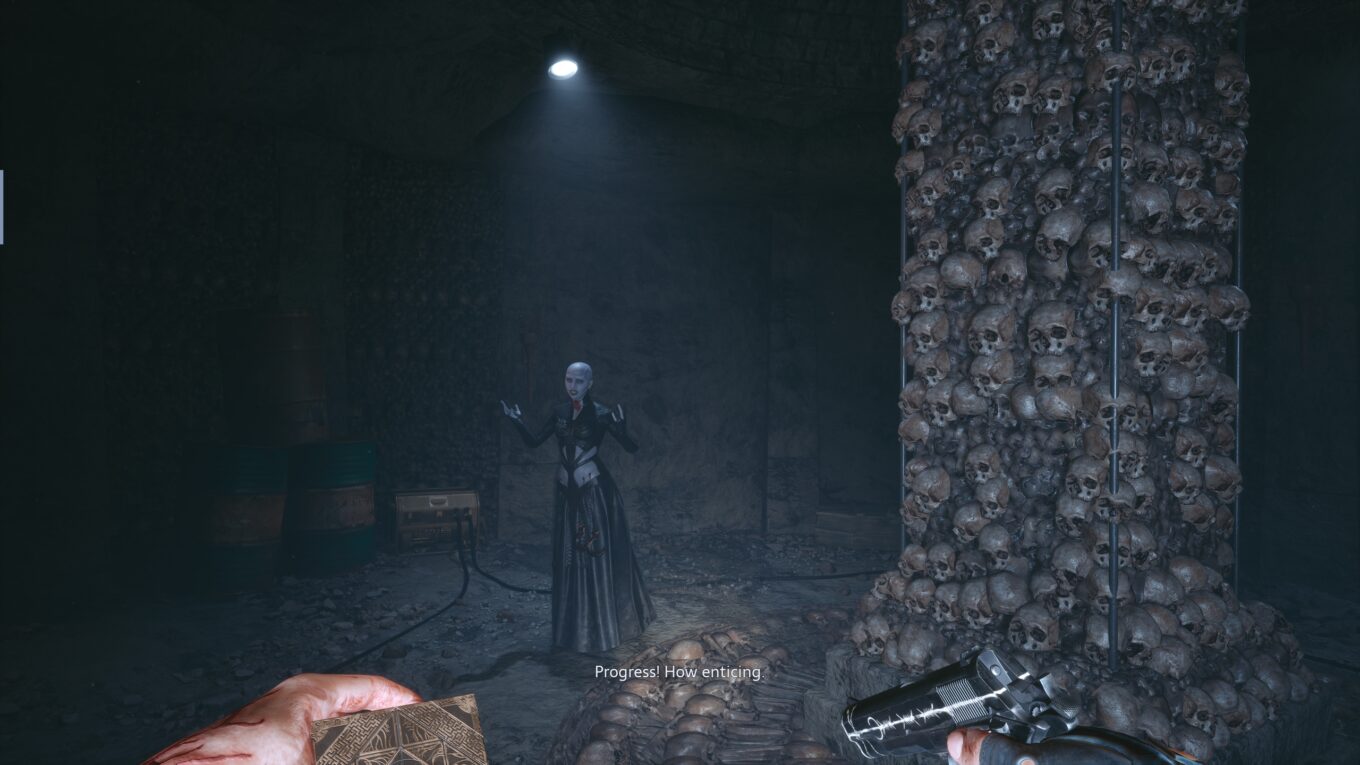
Boss encounters aside, Hellraiser: Revival is an assured game that manages to juggle the intelligent handling of some very difficult subject matter with an impressively robust survival horror that knows when to stop furrowing its brow. Fans of the movies will love the opportunities to spend time with the Cenobites (crucially, Saber understands the nuance of their threat and never cheapens them by making them part of the game’s combatant roster). And even if this is your first contact with Hellraiser, the spectacularly disquieting interpretation of the labyrinth – some of my favourite sections of the game – is enough to impress on its own. If you have a relatively strong stomach, and are happy to knuckle down (or reduce the difficulty level) to grind through some of the less well-balanced sections, you’ll find a surprisingly rewarding and oddly warm game.