While a number of intrepid pioneers have achieved higher numbers with specialist equipment, the consensus is that it’s impossible to fold an A4 piece of paper more than seven times. If you haven’t tried it before, do so now – I’m happy to wait. Seven also happens to be the number of levels in Origament: A Paper Adventure, and much like the folds in the aforementioned paper-bending challenge, each one of them takes an increasing amount of effort to complete in exchange for diminishing returns.
It’s not for want of spectacle or imagination. Space Sauce Studio’s origami caper is pretty attractive for the most part, and provides some memorable moments along the way as well as an unusual setting or two – a dream-like Venice playing host to a medieval fayre is a standout. The elevator pitch is also promising: you embody a living letter, written by a hopeful child, and must ensure that you reach the intended destination by transforming into various forms with different characteristics. It’s a premise that boldly draws comparisons with Media Molecule’s PlayStation classic Tearaway, but it quickly becomes apparent that they are unflattering ones.
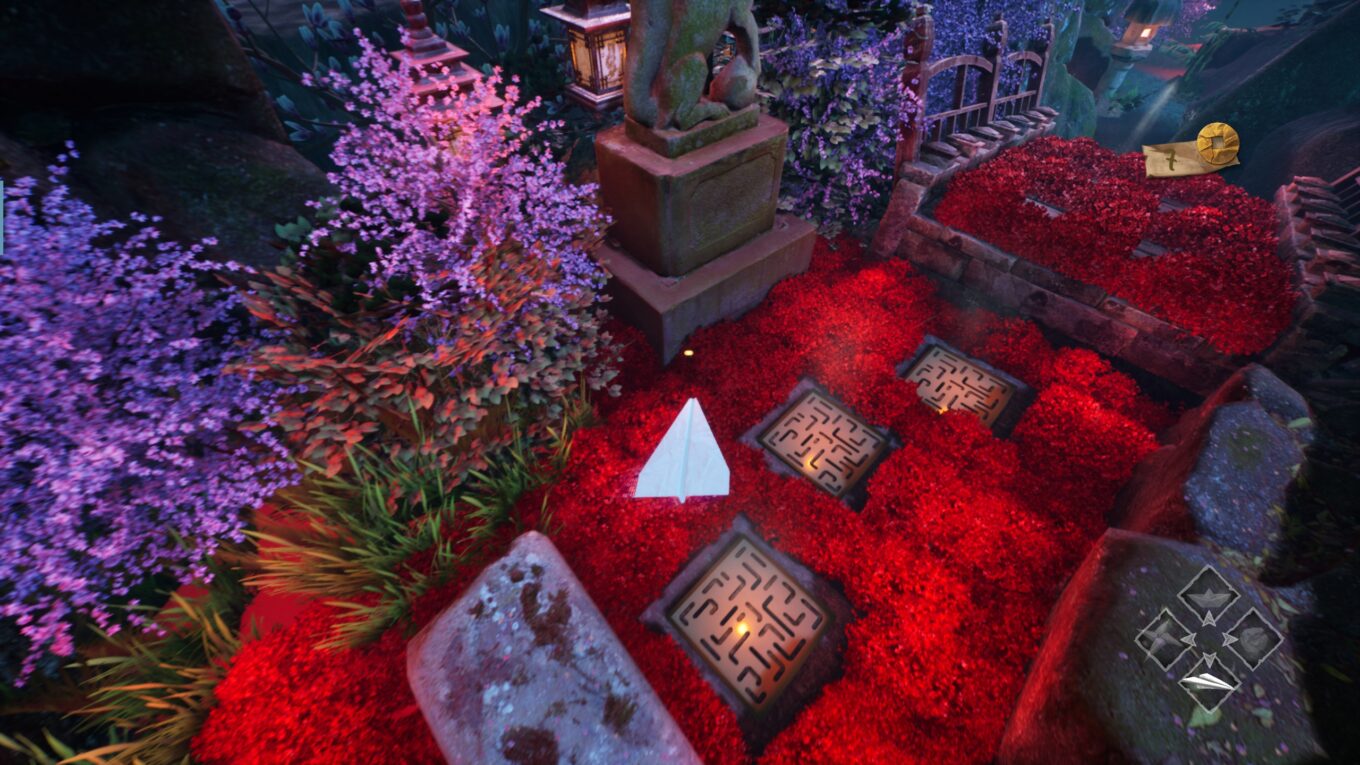
There are four configurations available to you: a scrunched-up ball, a plane, a boat, and a pinwheel. You get all four right out of the gate – literally one after the other in the opening tutorial portion of the first level – and must deploy them in various combinations to overcome platforming and puzzling challenges as you make your way to your final destination.
The ball rolls about and can push objects, the plane glides a short distance after providing a little kick of altitude when you change into it, and the boat does exactly what you imagine, providing a slightly faster way to move across water (you can just about travel forwards spinning as a ball, but it’s an inelegant display). The pinwheel is perhaps the most interesting option, spinning briefly to scare away enemies, activate switches and cogs, break barriers, or provide a pinch more distance and height as the plane reaches the end of its natural trajectory.
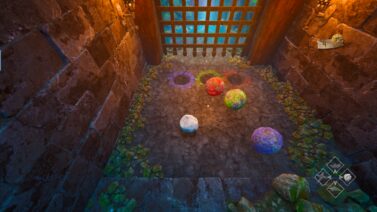
There are no upgrades or augmentations later in the game, so this setup is your lot. While there are gentle recontextualisations of the abilities via the various levels’ themes, this early generosity results in an unsatisfying flattening of any sense of progress. This is made worse by the fact that certain ideas are repeated heavily – actions such as gliding between air vents, for example, or pulling a rope to open a gate and then tying it off on a nearby pole, are reskinned and redeployed regularly. Even as you ricochet between wildly different settings – among them a Japanese zen garden, the Old West, and a rather weak Tron-like cyberspace – a pervasive sense of deja vu sets in. In all but one case – a later level introduces a whole load of mechanics which are used once and then never developed – stages feel like increasingly tall piles of the same few elements, just stacked higher and in greater numbers.
This repetition wouldn’t be so much of an issue were the game a joy to control – unfortunately, it falls short in that regard, too. Space Sauce Studio wants to provide a sense of momentum, and there are occasional moments that offer a glimpse of that ambition coming together: roll off an edge into the pond as the ball, changing into the boat as you fall in order to squirt over to the lip of a platform covered in deadly red grass, burst into the air as a plane, glide to an air vent to gain some lift, and finally switch to the pinwheel just as you run out of height towards the end of the danger.
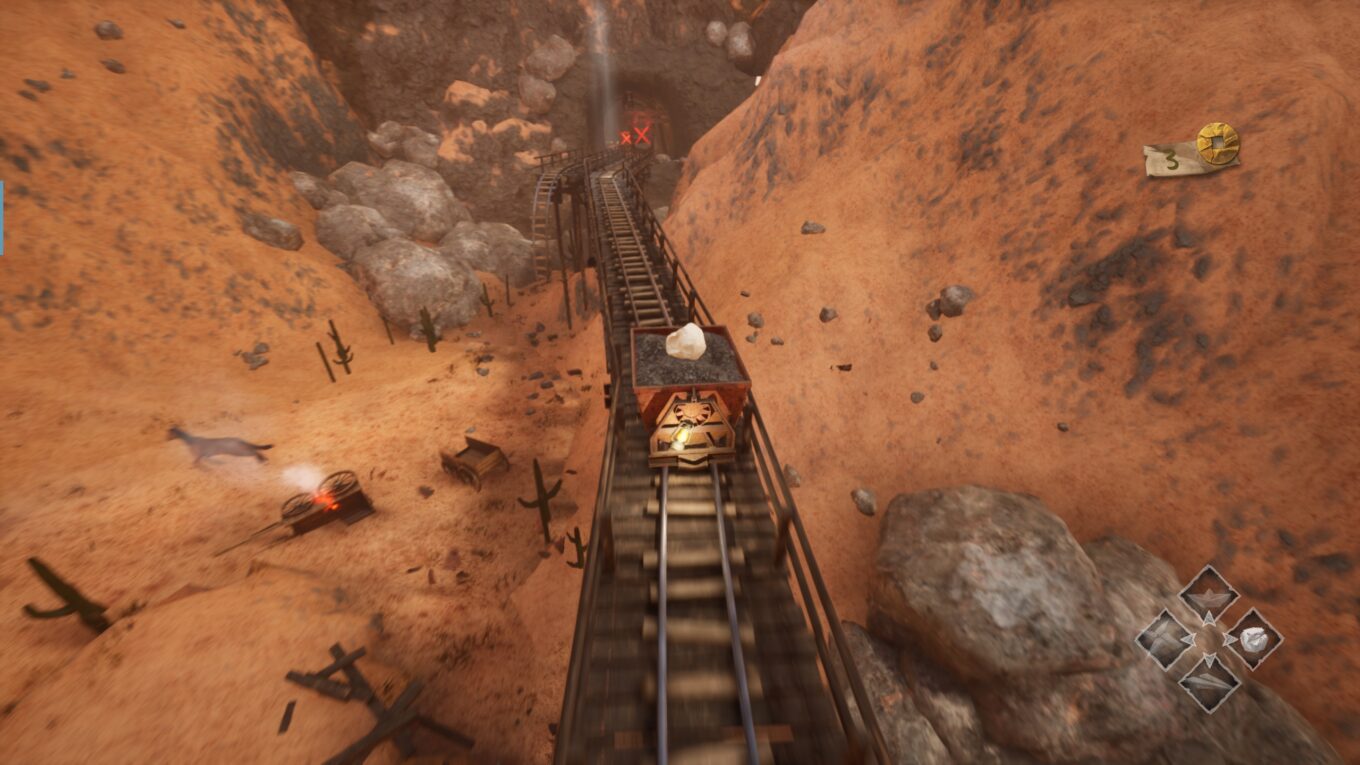
Some thought has clearly gone into how each mode of travel can interact with the others, but the setup lacks the flexibility to achieve, let alone sustain, any kind of flow state. There’s a short cooldown each time you change form, and after you are airborne you can only change into either of the flying forms once before landing. There’s logic in preventing you from spamming the lift generated from these, but it’s harder to understand why changing back into a ball should have any kind of delay attached. The outcome is that button presses can feel frustratingly unresponsive, and I found myself frequently caught off guard when stitching together a combination of moves. I was fighting the controls rather than mastering them.
The paper forms introduce their own specific foibles, too. The ball moves in an intentionally lollopping, unwieldy way due to its uneven scrunching – it’s initially interesting and fun, but soon becomes frustrating when trying to navigate, say, a thin beam. Changing into the plane causes you to dart in the direction you’re facing, but this means that it’s common to get the nose stuck in a platform you were attempting to scale – and trying to launch in a different direction means wrestling with the slow turning arc and probably losing the height you needed anyway. And on several occasions, hitting a switch or barrier with the pinwheel resulted in me rebounding off into the void, unable to change back to the plane and left to spin down towards my death.
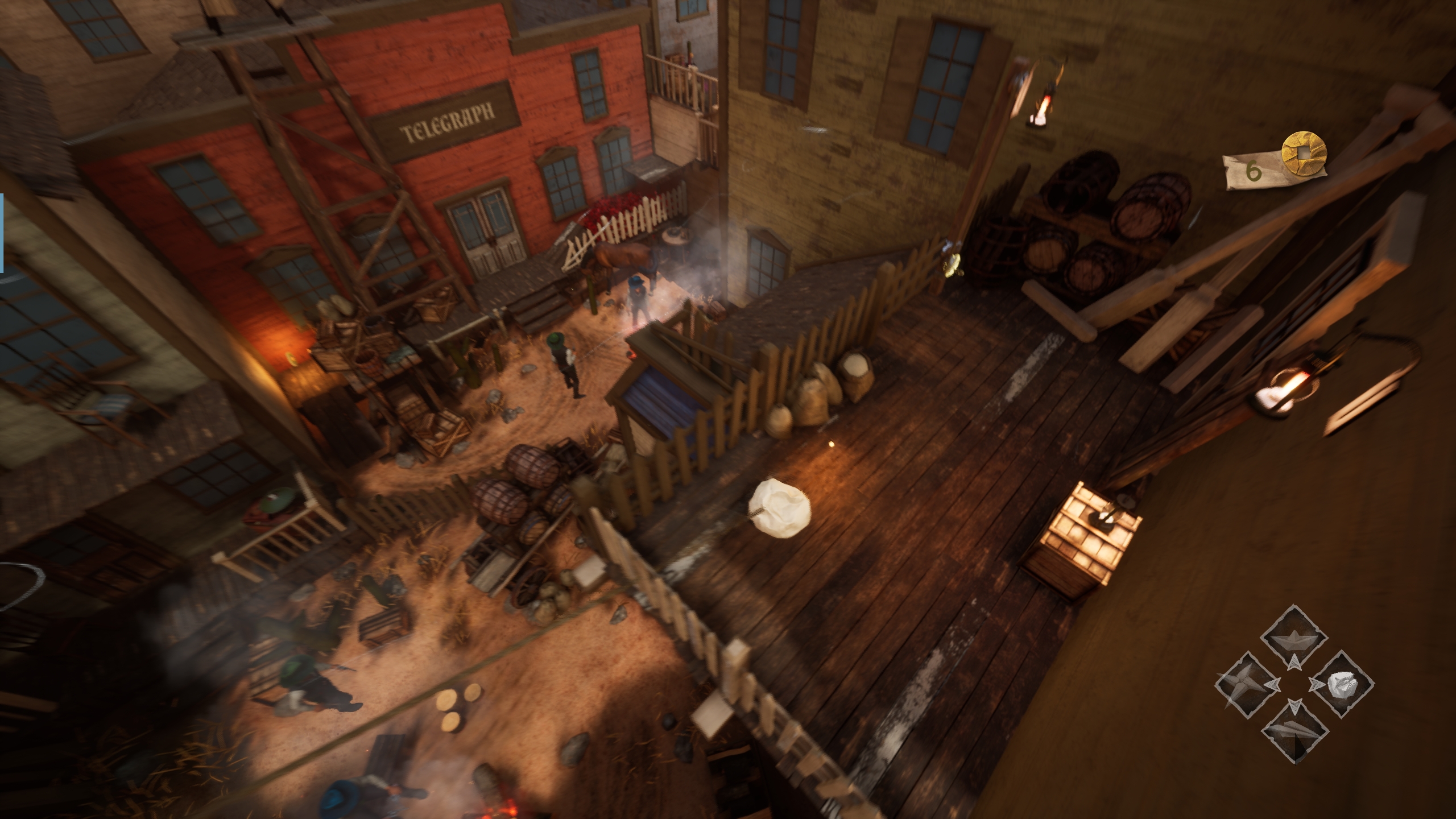
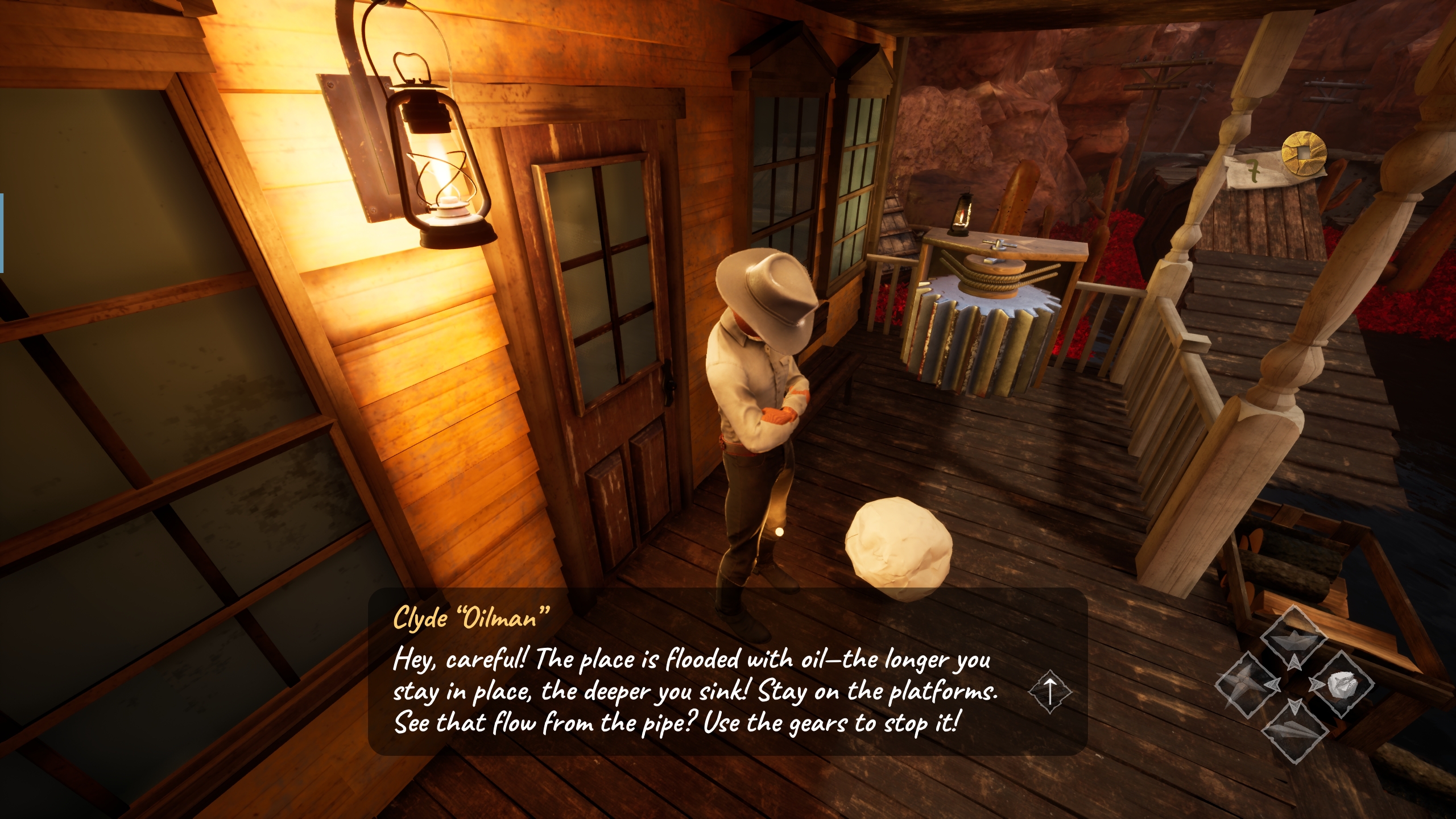
These control issues are particularly highlighted by the various challenge ‘paths’ that you’re able to undertake during the adventure. In them, you must reach checkpoints before a timer runs out but they’re much more frustrating than fun and I soon elected to avoid them. Pair all of this with the fact that the game feels treacly overall – moving at a laborious pace for the most part, the only respite coming from occasional fast-moving currents that carry you down waterways – and progress feels very hardwon indeed.
If Origament was the outcome of a game jam, it would present an interesting rough concept, but as a paid-for product it’s difficult to recommend. Sluggish pacing, woolly controls, slow-motion physics, and repetitive mechanics rapidly chip away at any goodwill you amass at the start of each new section, and its ideas feel scattershot and undercooked. If Tearaway is the first fold in a piece of paper, precise, sharp, and deliberate, Origament feels like the sixth or seventh – loosely defined and stretched beyond its comfort zone.