Often, there will be signs that you’ve been working too much. Brain fog is the most obvious example, and if you do experience this it’s probably time to take a break. But you should also look out for other common warning signs such as general fatigue, a weakened immune system, loss of motivation, seeing walking trees, increased irritability, muscle tension, throwing up giant deadly centipedes, changes in appetite, noticing a fifth member of your definitely only four-person expedition party, or the steadfast belief that your colleagues have just been murdered and that you now must turn the wagon around and make it back to the boat with the meagre loot the group has so far discovered even though it isn’t enough to fulfil the agreed-upon contract and that the truth of the matter is that your companions are fine (sort of) and have moved on without noticing you having an episode because the game cut your mic in order to mess with you and OH GOD OH GOD OH GOD… WHAT IS THAT STANDING IN MY WAY?!
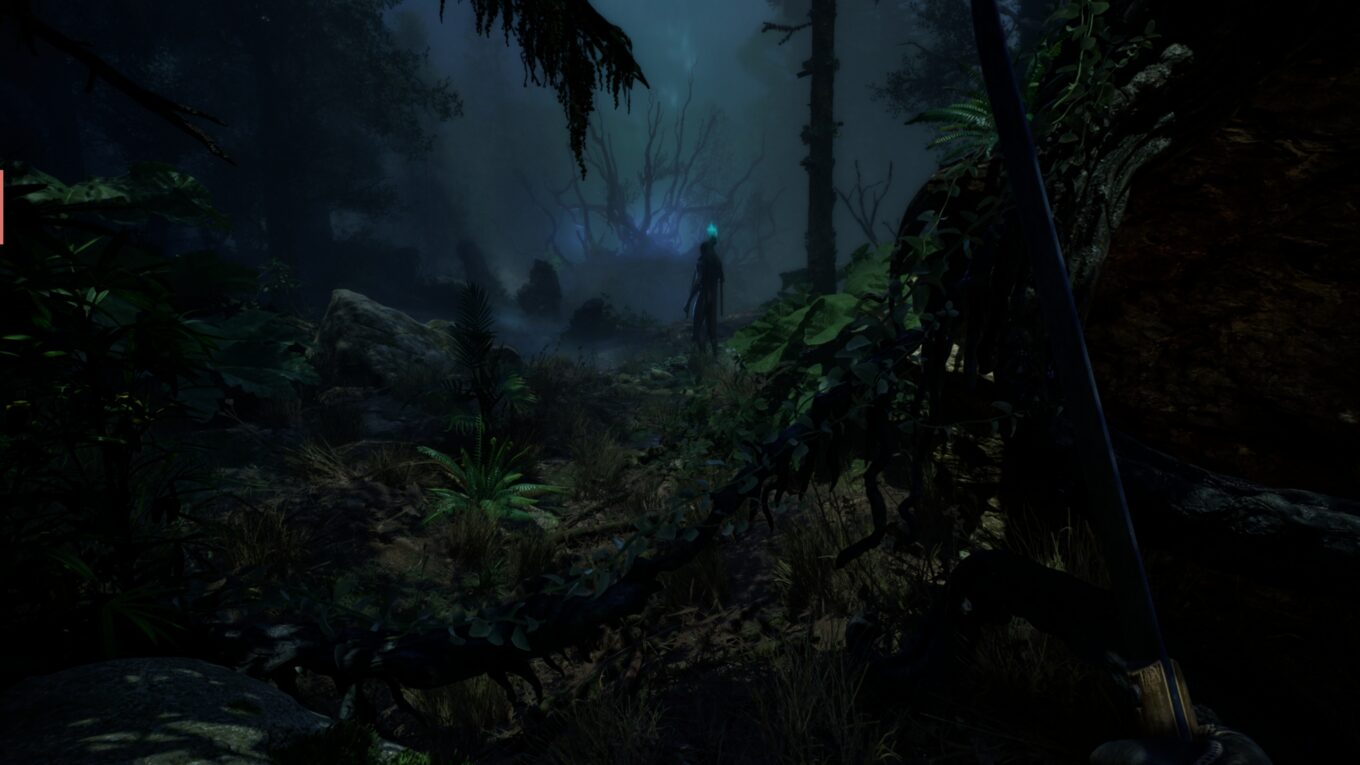
Breathe. Just breathe. Suffice it to say, co-op extraction game The Mound: Omen of Cthulhu is a stressful experience – sometimes in a good way, sometimes less so. It’s certainly oppressive. Much of that is down to the effort Chilean developer ACE Team has put into the transposition of elements from its chosen source material, H.P. Lovecraft’s novella of the same name, shifting proceedings from early 20th century Oklahoma to the dense jungles of late 17th century South America. As a member of the ramshackle crew of a galleon in the Spanish treasure fleet, you’re tasked by your captain with extracting yet more wealth for the expanding empire.
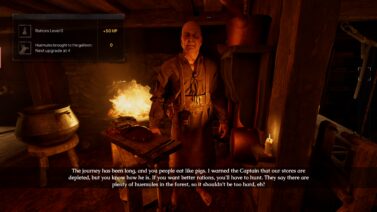
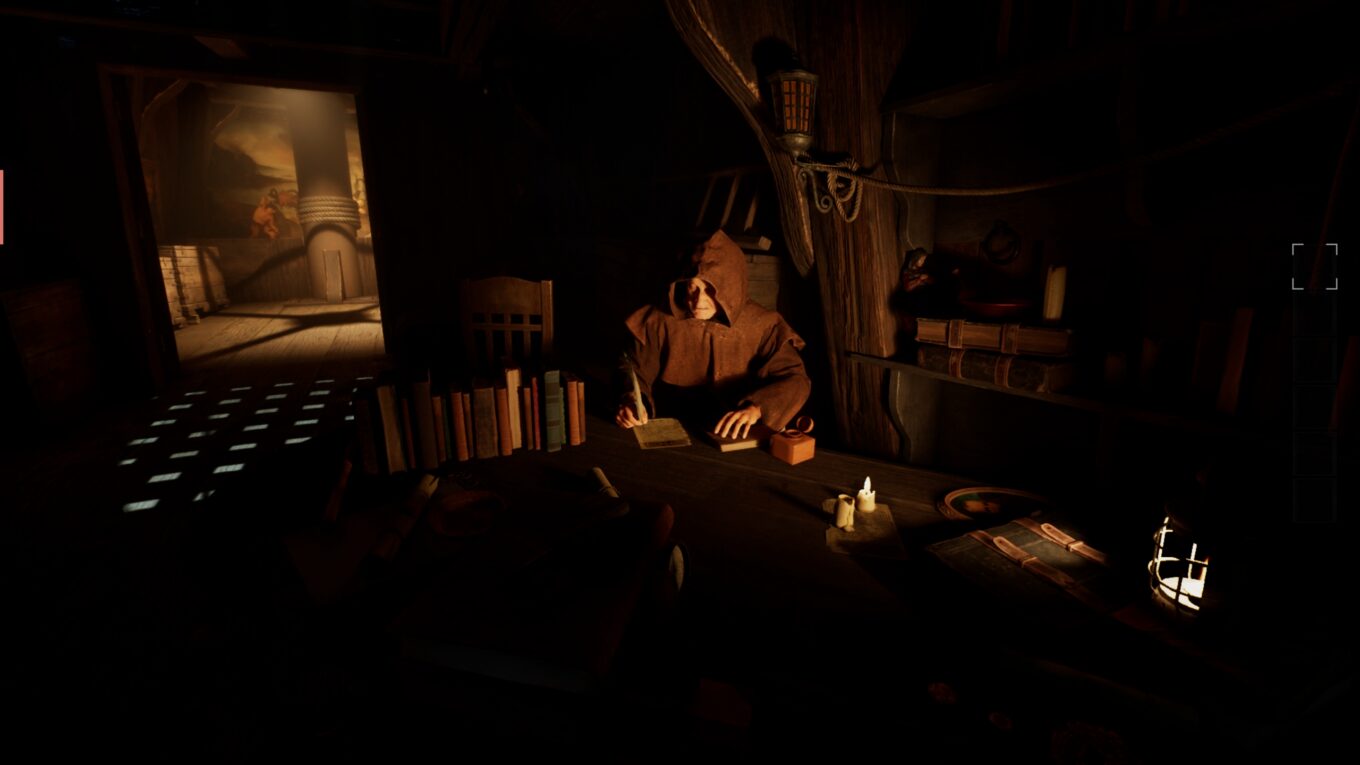
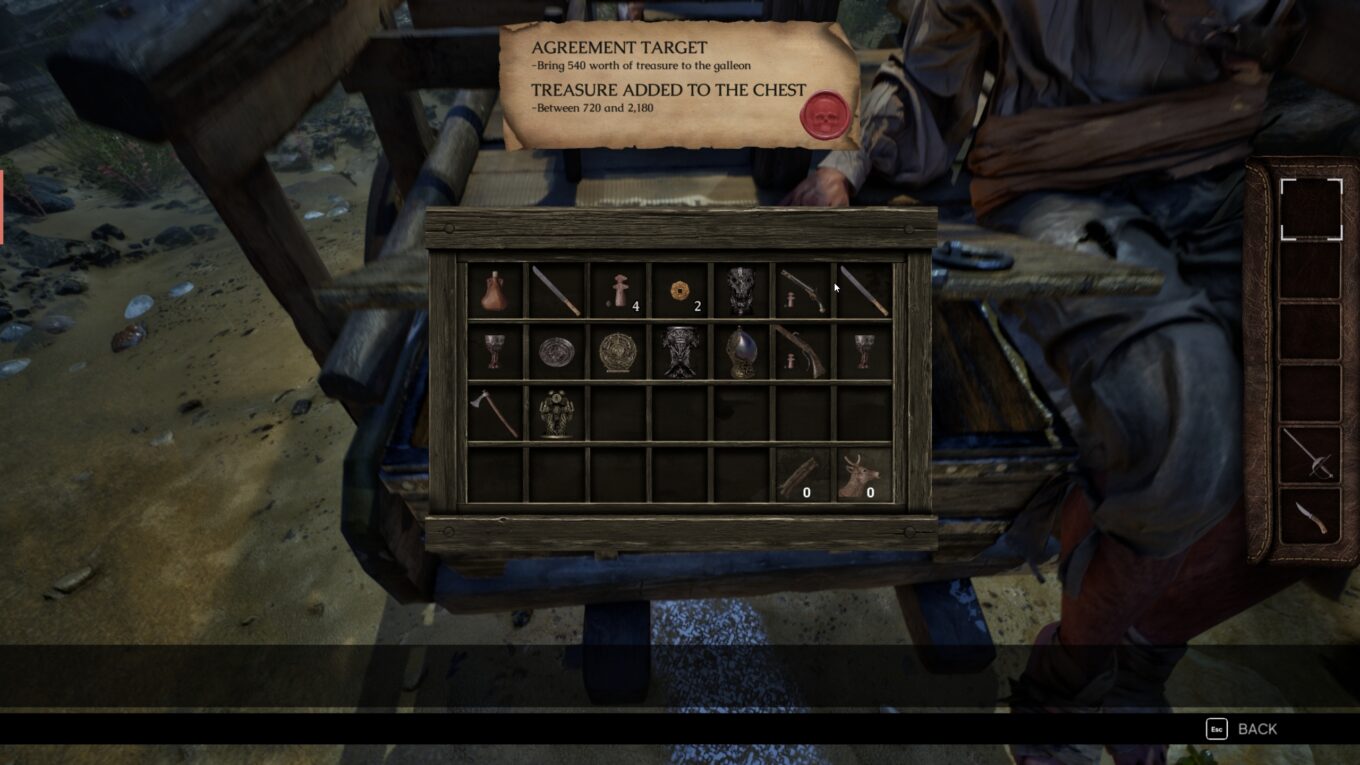
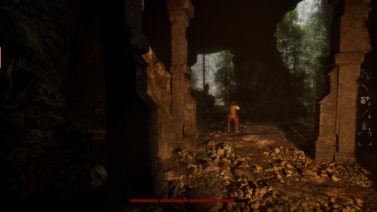
This sets up the core gameplay loop, in which you take contracts and agree to bring back a certain value of goods to the ship, then explore various hand-crafted locations looking for treasure, resources, meat, and the occasional survivor. You have an extremely limited inventory (five slots at first, but this grows as you level up) so you must drop your spoils into the slow-moving oxen-driven cart that follows you and leaves a Hansel-and-Gretel trail of salt along its route. You can also carry fallen allies to the cart to be revived – if you don’t, vines will rise from the ground and the jungle will take them, before sending your buddies back to you as corrupted zombies. As you explore further, you’ll also retrieve logbooks from abandoned forts, unlocking them as a new staging area to bring you increasingly closer to the mysterious Mound. There’s a constant tension between pushing deeper into the jungle to get more stuff, and making the call to start the journey back to the boat before greed gets you killed – and there is much that would like to harm you lurking in the jungle’s dense foliage.
But while we’re on the topic, that dense foliage does deserve a special mention. Branches progressively bend to breaking point as you push through them, weighting up as you get closer to their elastic limit before finally snapping. The trees make it difficult to see very far and slow your progress, making the machete or sailor’s knife essential tools – cutting a path through allows you to make the most of your time-limited sorties, and slightly increases your chances of survival when you inevitably end up running from whatever Eldritch abomination you awaken beyond the thicket. There are plenty of games with brilliant foliage, and many that use it to slow you down, but the reactivity of the branches here feels uncommonly well realised and imbues the jungle with imposing physicality.
The audio work is particularly impressive, too, and like those troublesome branches is deeply entwined with gameplay. On a surface level, The Mound is shot through with fantastic voice acting, and the level’s rich soundscapes convey a living tropical environment of animal calls and crunchy leaves underfoot, poisoned by disconcerting and inexplicable noises that keep you constantly on edge. But the game also employs spatial audio to create a meaningful proximity chat system – venture too far from the group and you’ll no longer be able to communicate with your party. Horns and loud whistles can guide you back to each other, but few games make getting separated feel so genuinely scary. This is further heightened by the fact that any noise you make risks “waking up” the jungle – snapping too many branches, using the horn or whistling, firing guns rather than bows, or banging a gong-like medallion that leads you to treasure, can all send enemies your way, and if you push it too far or run out of time you’ll be swarmed.
Those swarms happen more regularly than is ideal, and even with a full party the game’s difficulty is pitched slightly north of the sweet spot. There are moments of brilliance – not least when drinking in the environment and the sense of threat ahead of chaos, the fun of negotiating who gets what gear and deciding which route to take, and little touches like matchlock guns becoming unusable in the rain (if you have enough coins, upgrade them to flintlock on the ship before setting out). But it can all unravel so quickly and seemingly without provocation that missions often end up feeling frustrating rather than enjoyably tense. Pair this with the fact that you’ll start each visit with the kit given to you by the company (quite often this means broken equipment or not enough weapons for everyone in the group) along with clunky and unresponsive combat, and the initial magic starts to wear off quickly.
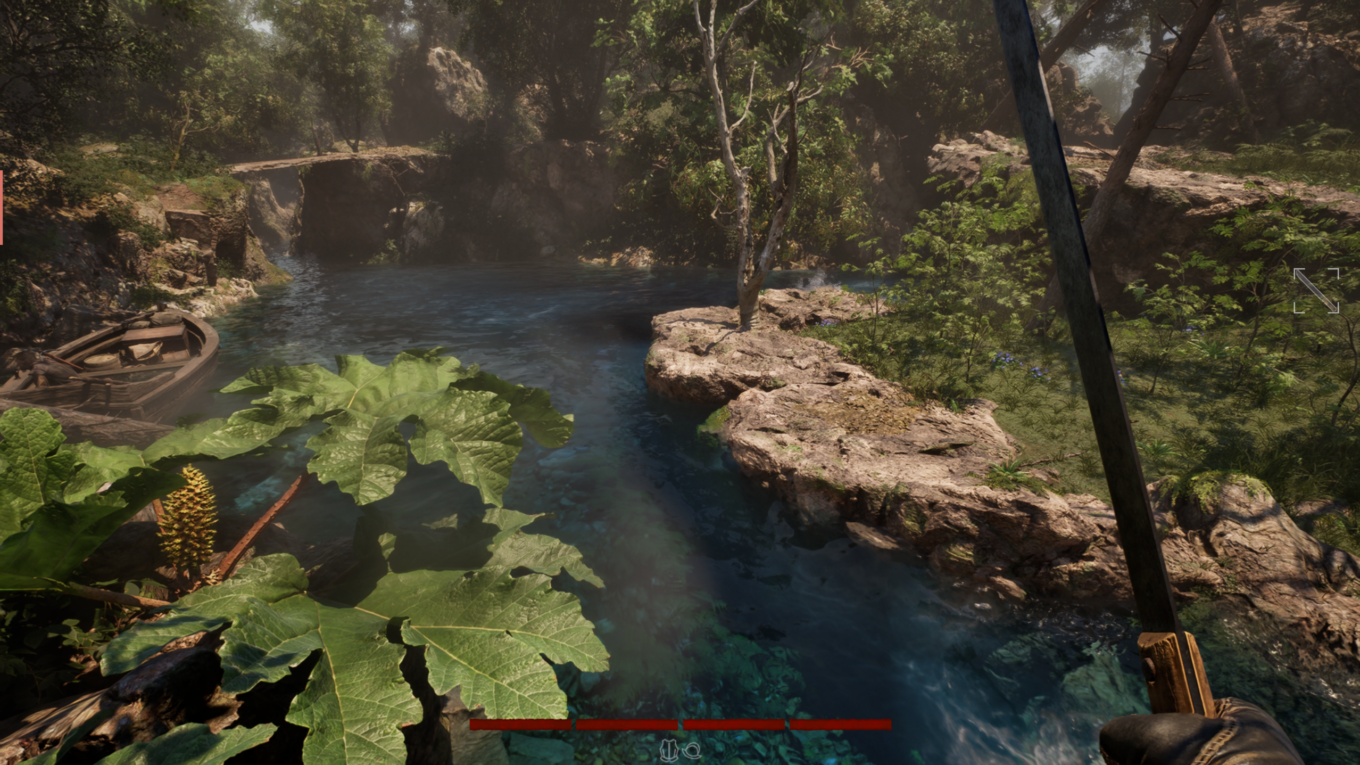
The otherwise impressive density of the jungle also results in samey environments that are difficult to navigate and lack clear landmarks. This is entirely by design – the game thrives on inducing panic, confusion, and a feeling of being lost – but the end result is not only a sense of creeping dread, but also one of spirit-sapping uniformity. The two sides of this line are further intensified by the game’s sanity mechanic, which induces effects that are equal parts raucously disconcerting and inequitably frustrating.
Along with the maladies I already mentioned in the first paragraph, there are many more dangerous delusions from which you can suffer. During one run, a teammate started shouting for help when his sword turned into a stick while fighting worm-infested zombies. Trees will occasionally whip you with a tendril from nowhere. Creatures with red eyes watch from the shadows – including a human-headed (?) bird that, if disturbed, will fly overhead and bathe the world in a disorienting grey sheen until shot down. And a towering ent-like monstrosity will occasionally dash into the party and teleport anyone it grabs to a random spot just outside of the battle location.
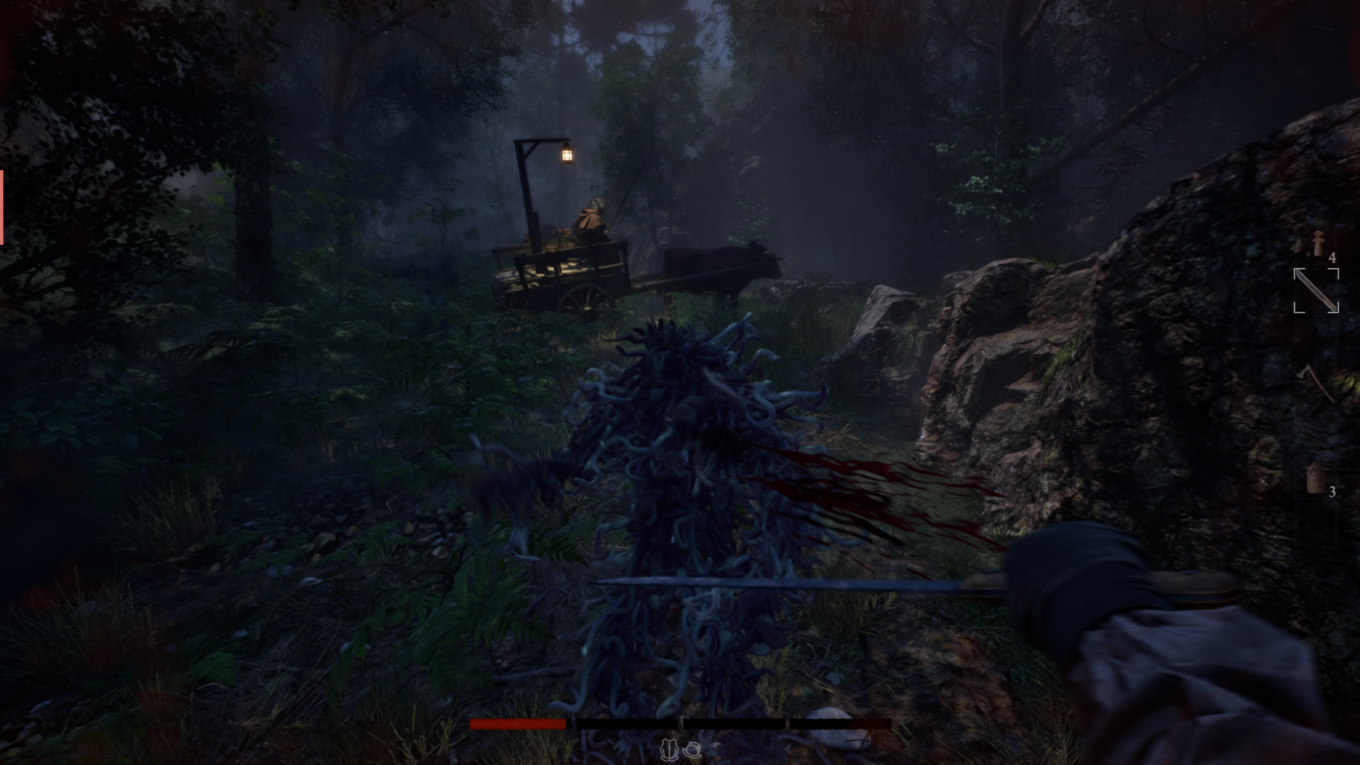
Even more seriously, some enemies will simply take your weapons, leaving you defenceless. Allies can look like monsters to one party member, and vice versa. Traps can be disguised by a mirage of some treasure. And you can become panicked, resulting in your vision being drenched in a red filter that makes an already very dark game even harder to parse, before you collapse and wake up in a random spot well beyond the earshot of your team.
If one of your party falls and comes back corrupted they will also be unable to communicate with the group. It’s a fate worse than death: you’ve reached your quota, and must survive long enough to get back to the boat, but now you’re forced to watch your body run back to your allies and, often, just hang out with them for a bit before suddenly attacking at the least opportune moment. It’s clever, terrifying stuff – corrupted characters seem to emulate playstyles to some extent, and savvy players will quickly develop a policy on executing any member of the party that doesn’t respond to questions quickly.
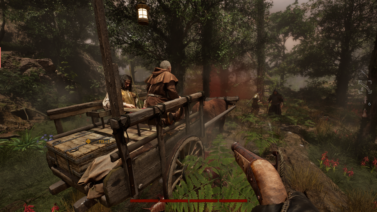
All together these elements conspire to drive up paranoia and erode your ability to trust both what your teammates are saying they can see, and your own senses. It’s a heavy, surreal fug that makes treasure hunting play second fiddle to surviving, but also catalyses close cooperation and communication. The terrible cost of not rescuing a fallen comrade forces even the most self-serving players to think about the greater good. Indeed, in all of my time playing the game so far, I have yet to encounter a session in which anyone didn’t have their mics on. It might be stressful out there, but friendships are forged quickly.
While it’s difficult to recommend The Mound’s solo mode – despite the presence of an NPC companion, it’s a Sisyphean exercise in masochism – when experienced with a group of patient players who understand that moving quietly is preferable to moving quickly, the game offers many enjoyable moments. Its clever mechanics impress as much as they frustrate, but if the intention was to force players closer together then the project can be judged to have wholly succeeded – and the friendly, vibrant, and often selfless community that has already gravitated to the game is a testament to that success.