The turn-based strategy RPG is no stranger to dark fantasy. Games like Darkest Dungeon and Wartales pull on the military turmoil of classic fantasy like The Black Company. The association is natural. A band of people pulled into desperate, bloody struggle is a straightforward fit for a video game. Such a fellowship of antiheroes travels the world, providing new settings for levels, and the diversity of that fellowship grants you lots of tactical tools to play with. Prelude: Dark Pain, which launched in early access on July 27th, doesn’t stray far from the fundamentals. Protagonist Soren is a good-hearted but gruff warrior. His witch wife has caught the ire of the Landscorchers, an imperialistic, theocratic power. When his wife is kidnapped and he is separated from his young daughter, Soren and his son begin to recruit friends and allies to combat the Landscorchers. This is a classic dark fantasy premise, high stakes and brutal battles in a godforsaken world. There are good people, and plenty of good intentions, but little material goodness to go around. And you will spend most of your time in that world killing. Although Prelude: Dark Pain can’t claim originality, it boasts light-weight-but-engaging tactical battles and a lush, confident art style. Even at this early stage, it’s easy to recommend.
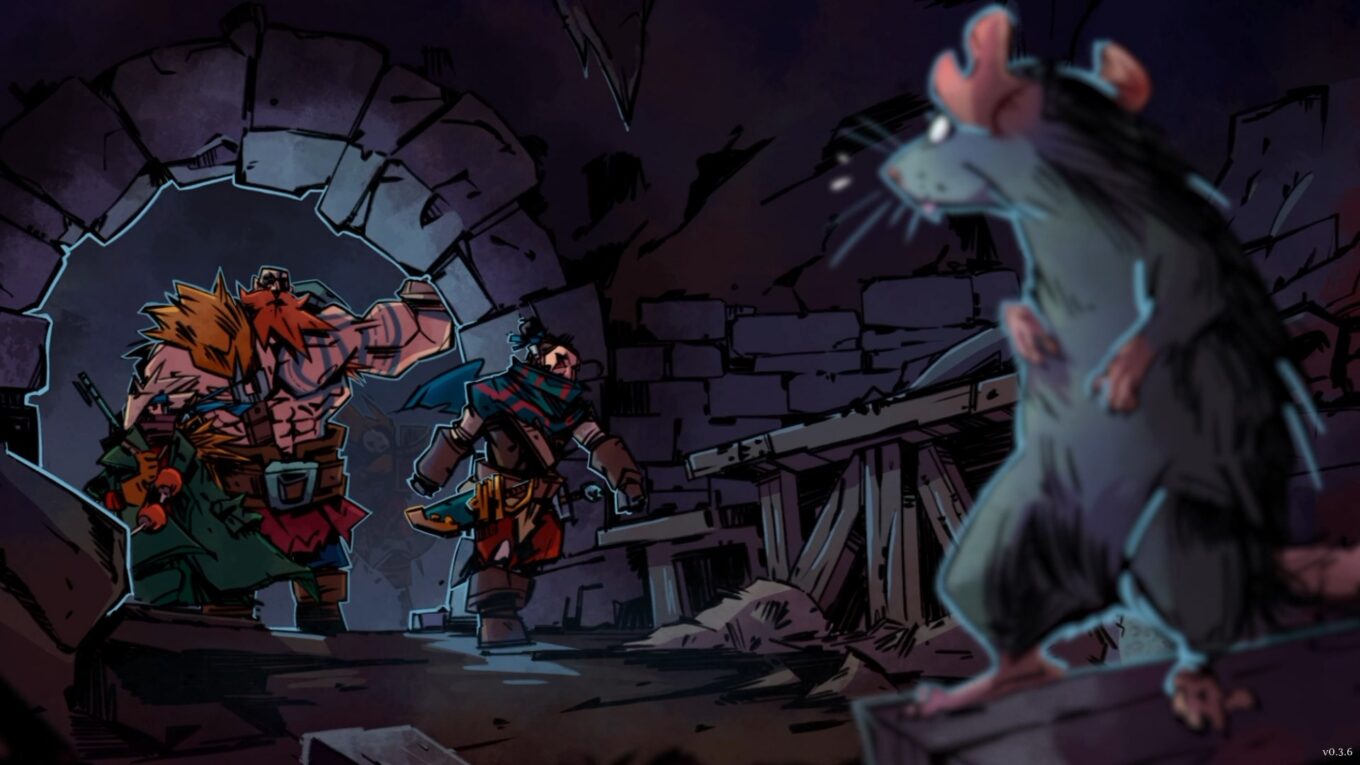
In structure, Prelude is sort of a Fire Emblem. You start with a core set of heroes, with abilities that introduce you to the basics of play. As Soren and company travel the world, they gain new allies, often ones with off-kilter skills which twist the game into new form. However, when it comes to battles themselves, Prelude only shares the fundamentals with its anime, high fantasy cousin. Fire Emblem goes wide. Eventually, you control over a dozen characters every battle, with a much larger pool to draw from, over sprawling maps with dozens of enemies. In Prelude, you control three to five heroes in a much smaller arena. The combat is more intimate, faster-paced, and denser with decision-making.
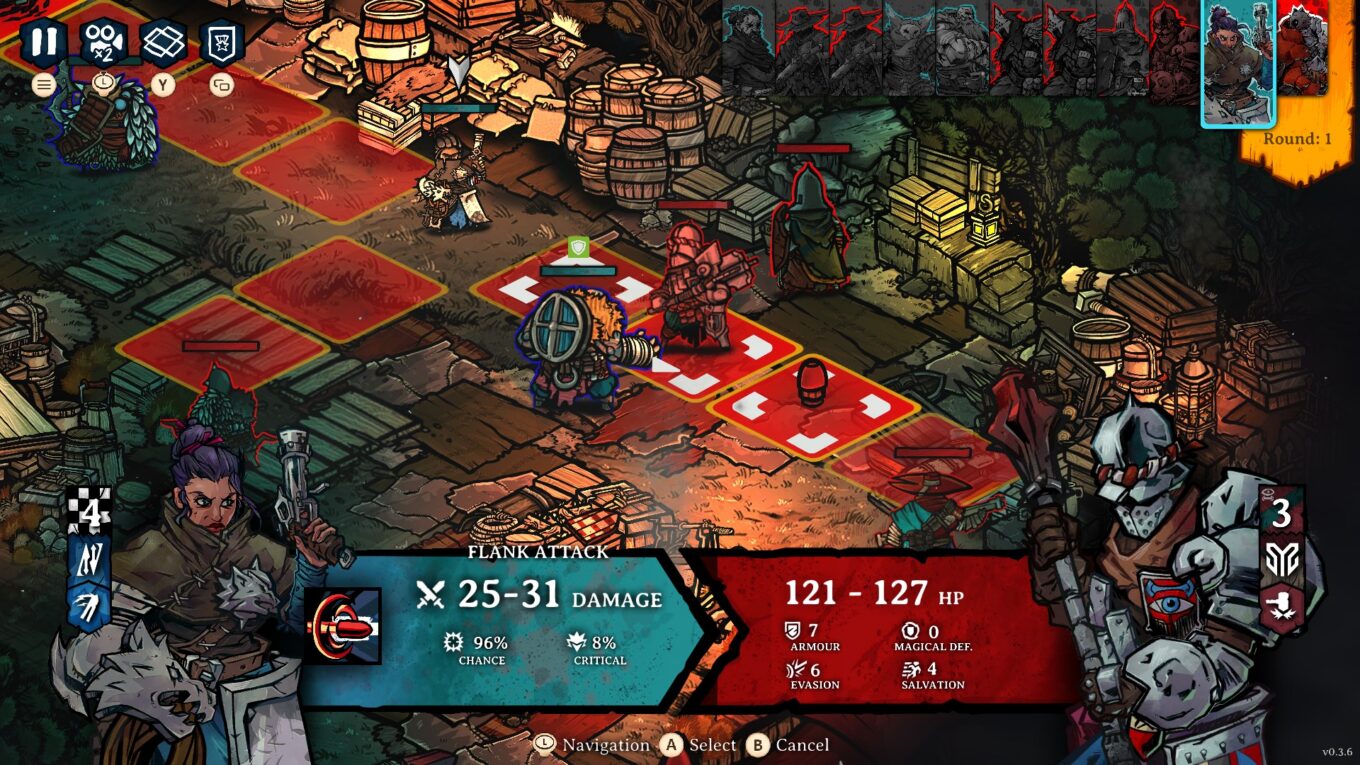
Let’s get into exactly how this works. On each turn, you can move a specific character and attack with them. So far, so simple. You can also use skills, unlocked as you level characters up, which cost additional action points. By default, characters generate two action points per turn and can hold a maximum of four at once. If you minimize your actions on one turn, you can save up energy for a barrage on the next. The skills let you infect foes with some lasting effect, usually at reduction to attack strength. Some attacks make enemies bleed or burn, making them take damage on their own turn. Others blind them, lowering their chance-to-hit, or expose them, weakening them for follow-up hits. These effects can promote synergies between characters. You can provoke an enemy into attacking a particular ally, so that a more vulnerable, but also more powerful, character can attack unimpeded. Or expose a weighty foe to maximize a future sneak attack.
Fittingly to its smaller scale, Prelude focuses on narrow nuances. The exact direction each character is facing will affect how much damage they take. If you defend, your character will turn towards wherever they are attacked from, preventing extra damage from flanking or back-stabbing. Thinking not only about where your characters are positioned, but the exact direction they are facing, gives Prelude’s simple grid something of a third dimension. Drawing attention with beefy heroes to protect weaker ones, timing heals and other aids, and deciding what enemies to attack when are fundamentals in any game of this kind. It’s in Prelude’s impressive attention to detail that gives those classic decisions weight and texture.
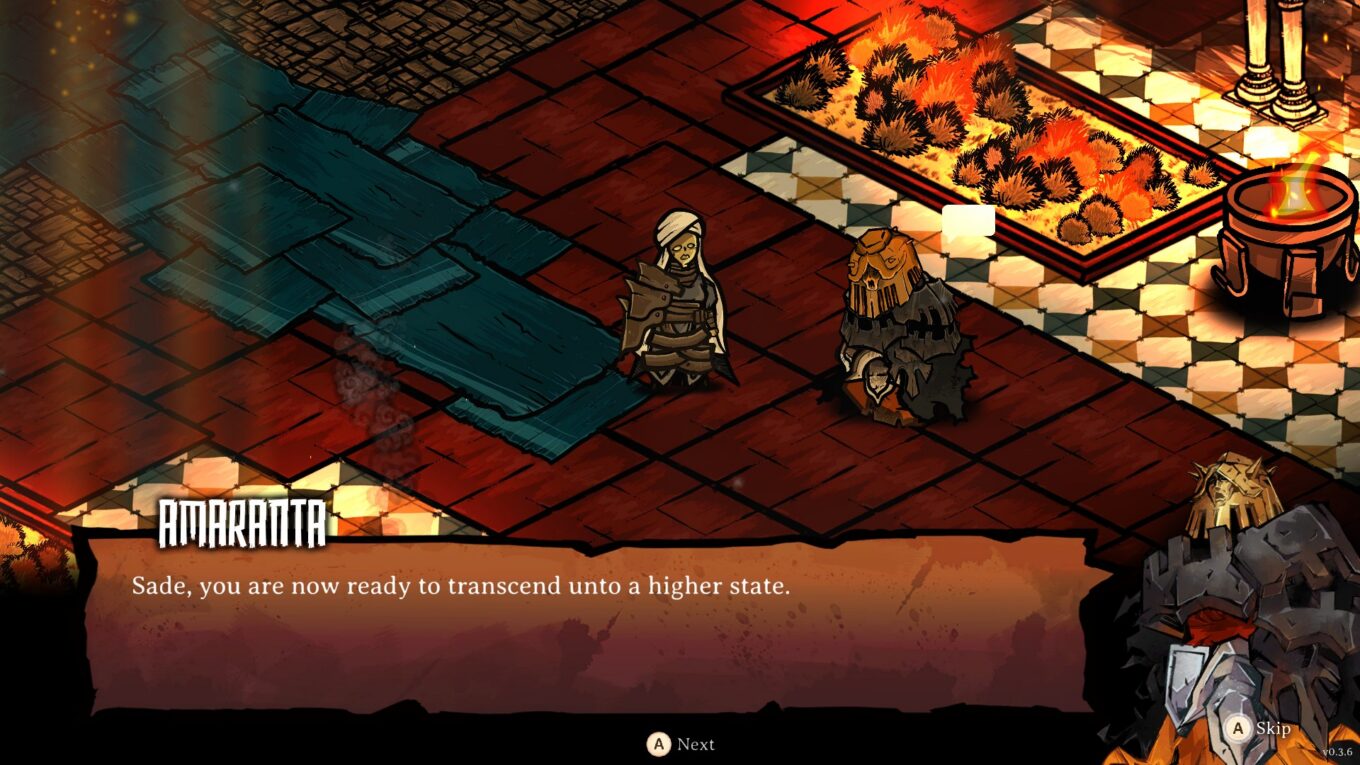
Beyond those fundamentals, Prelude is professional at novelty. Each new character offers strange ways to play. Sade, a clergywoman who fights against demons of Ecstasy and Pain to create balance. Her attacks throw down a cross on the map, around which she can use her magic, which will damage/aid friends and foes alike. The gunslinger can place explosive barrels, which damage everything but her, and explode with even more force if she destroys them with a “skill” rather than an “attack.” These special classes have interesting synergies with the more conventional ones. Sade’s attacks can deal extra damage against foes with a status effect, but she cannot inflict many herself. The occasional battle where the game restricts which cast members who can bring into battle force you to consider each hero as part of a larger whole. The game will force you to use every character at some point, so you need to keep your options open.
Outside of battle, there are lots of ways to customize your heroes. As they level up, you can boost their stats and select new abilities from simple, but varied, skill trees. You can reset levels, letting you experiment freely with different abilities and builds. But the UI lacks information you will need. Right now, it’s impossible to compare items you might buy or craft to the ones your characters currently have equipped. Enemies leave behind crafting materials after a battle, and there is a loose correlation from the faction you fight with the materials they may drop, but there’s no direct way to tell which enemies will leave what behind. I hardly engaged with the crafting at all, because it felt so perfunctory to the best parts of Prelude. The game’s real power is in its subtlety. There are a lot of small factors affecting each character, from their base stats, to the equipment they are carrying, to the skills that you’ve chosen for them as they level up. Prelude’s UI can make that information difficult to parse at a glance, bogging you down in calculation, rather than facilitating the game’s strengths.
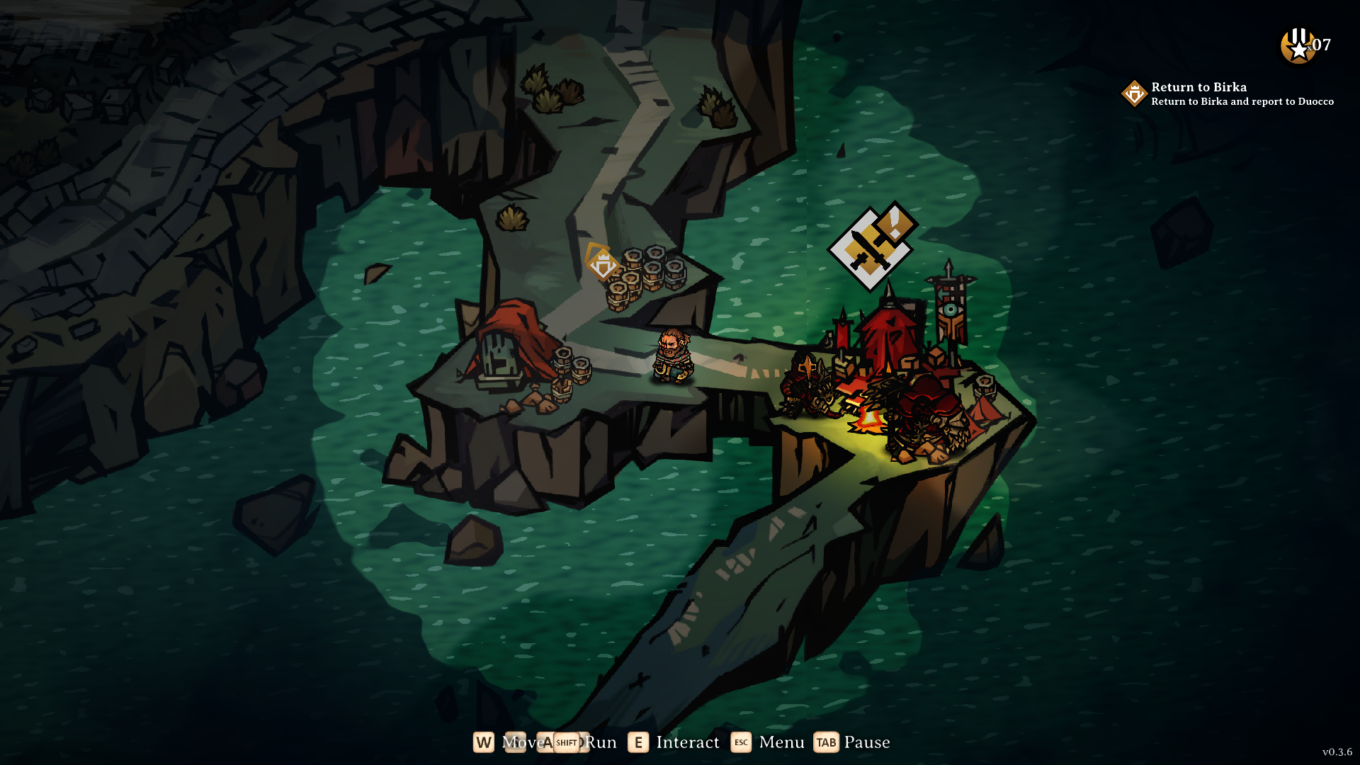
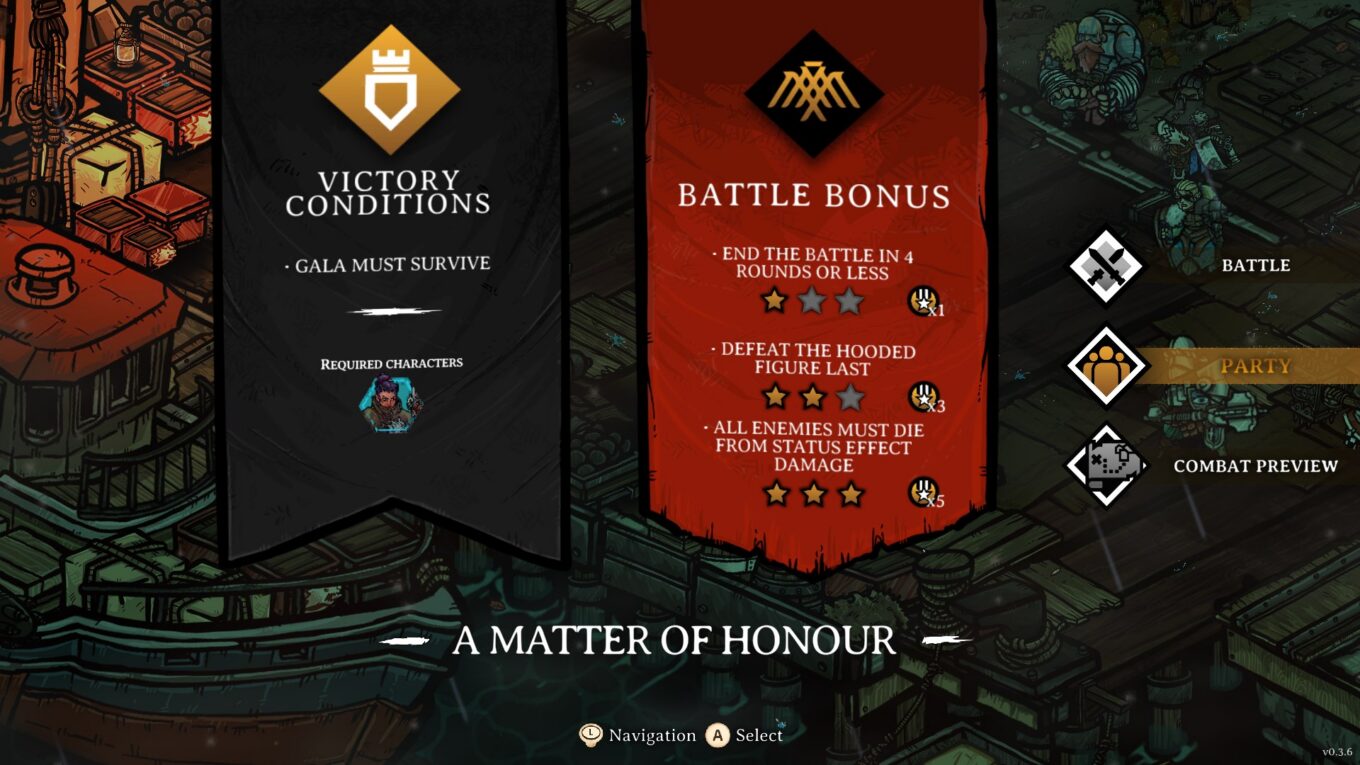
As an additional twist, each main battle has a set of challenges. You can earn bonuses by winning the battle in a few enough turns, defeating enemies in a specific order, or besting foes with specific status effects or abilities. These are often incredibly difficult or force you to implement unideal strategies or handicap your abilities. The game doesn’t punish you for not playing into them; they are clearly meant as bonuses for the challenge-hungry. Some of these challenges did seem impossible to me, at least with a few level-ups and more powerful equipment. But they do emphasize the enjoyment one can get from Prelude’s tactical space, one which rewards novices and experts alike.
Visually, Prelude borrows from the heavy ink aesthetics of Darkest Dungeon and the dark beauty of Mike Mignola’s artwork. It is handsome at Prelude’s isometric angles and is just colorful enough to offer clarity alongside its dark grandeur. My favorite touches include the sprites, which are squished versions of their more elaborate painted designs. They look like background figures in comic panels. But Prelude’s influences are fortunately not as two-dimensional as its look. The designs of the demons (as well as the otherworldly realms of Ecstasy and Pain conceptually) draw from Hellraiser.
The music fares worse. While the game’s visual language steals liberally to make something charming, if not original, the music is mired in tired “fantasy” music cues. Humming strings, epic choir motifs, nylon guitars which explode into huge orchestral hits, these are all sounds you’ve heard in many fantasy games. The palette is wide, but merely textured, rather than melodic. It is fine enough background as you make decisions, but for how particular and detailed the rest of Prelude is, it is a missed opportunity.
There are plenty of fine tactics games on PC, both new and old. But Prelude: Dark Pain’s clever emphasis on positioning, its lavish and brutal world, and its novel characters give it wings with which to soar. Its minor faults feel like the kinds of things that Early Access will help amend. This may be one journey that is well worth going on before the end is in sight.