Human memory is notoriously fallible, but perhaps no more profoundly than when it comes to remembering how videogames from our past actually looked when we played them. It happened to me most recently with the ground-up remake Halo: Campaign Evolved, which obviously looks exactly like Halo: Combat Evolved did when it launched alongside the original Xbox (an object so timelessly ugly that I wish I could forget it). I’m exaggerating a little here, of course – I was certainly under no illusion that the original featured diving sea birds or allowed you to wield an energy sword – but all that architectural detail, the rolling coastline of The Silent Cartographer, and the surreal gloomy-yet-vibrant lighting? Yup, that’s how I remember it looking back in 2001. My brain, catalysed by Bungie’s incredible art design, filled in the gaps and filed it away just so.
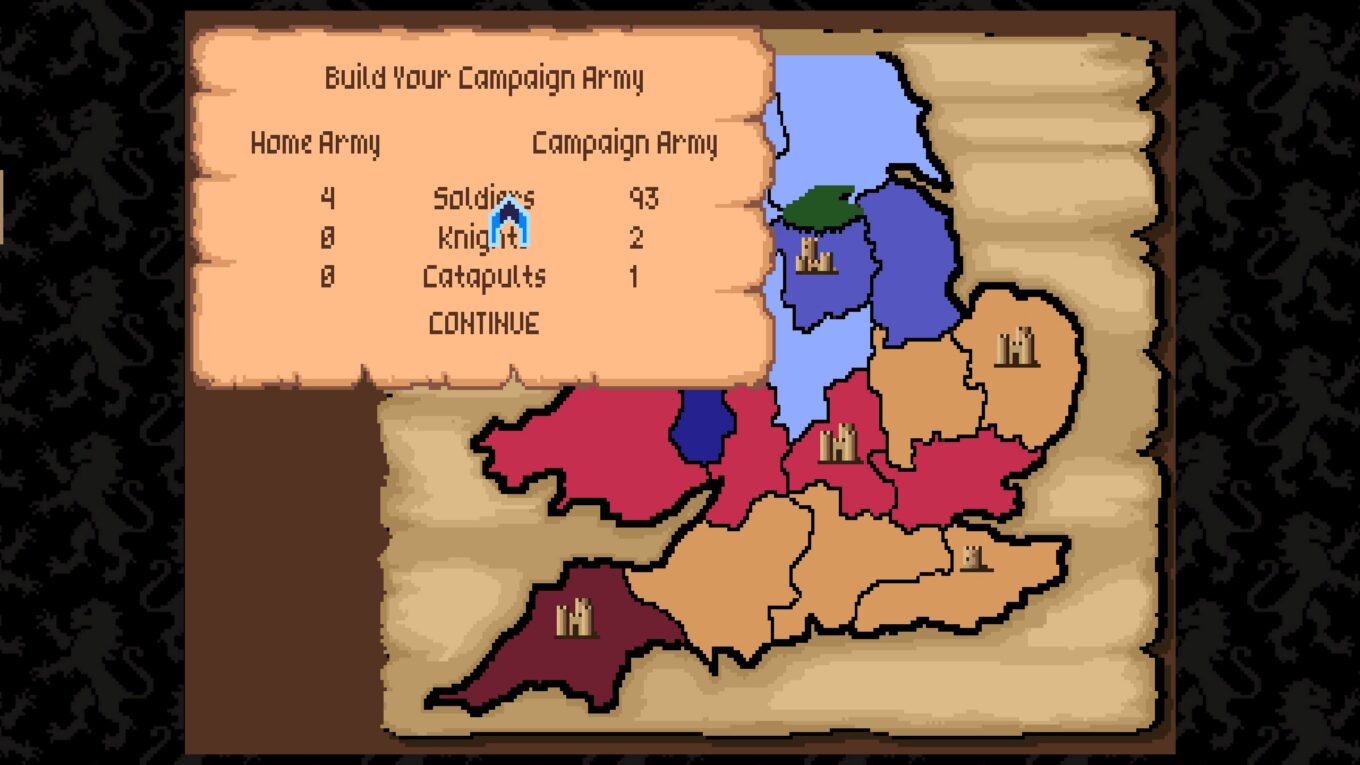
Defender of the Crown: The Legend Returns pulls off a similar trick. In Classic Mode it’s absolutely gorgeous, all soft warm pixels, brilliantly detailed backgrounds, and a map filled with possibility. It excavates those long-forgotten feelings of disbelief I had on first seeing the game in 1989, when our household was graced with an Amiga 500. And that was a full three years after the game’s 1986 debut at the Los Angeles Commodore Show, during which it casually reset the bar for what was possible from computer-game graphics. Suffice to say DotC was an important visual milestone, and this latest version looks exactly how it did when I was eight. Except of course it doesn’t.
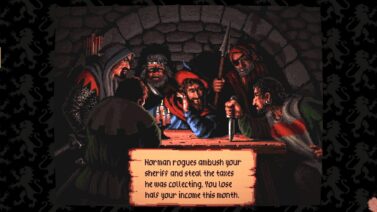
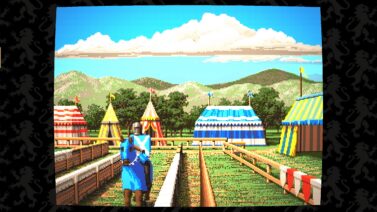
Black Tower Basement has conjured up a brilliant evocation of the Amiga’s luxurious 32-colour palettes with its remaster. The studio subtly blends that beloved aesthetic with smooth animations, a modern-day range of colours, and cleverly disguised 3D elements. The package also includes the original game for comparison, though ironically that bit plays tricks on your memory in an entirely different way: it looks considerably worse than the original. It appears to be the Amiga version, but the crisp resolution makes everything look overly sharp and torpedoes the Amiga’s distinctive subtle colour transitions. Given how good the redo looks, it’s easy to forgive, but it does seem like a missed opportunity.
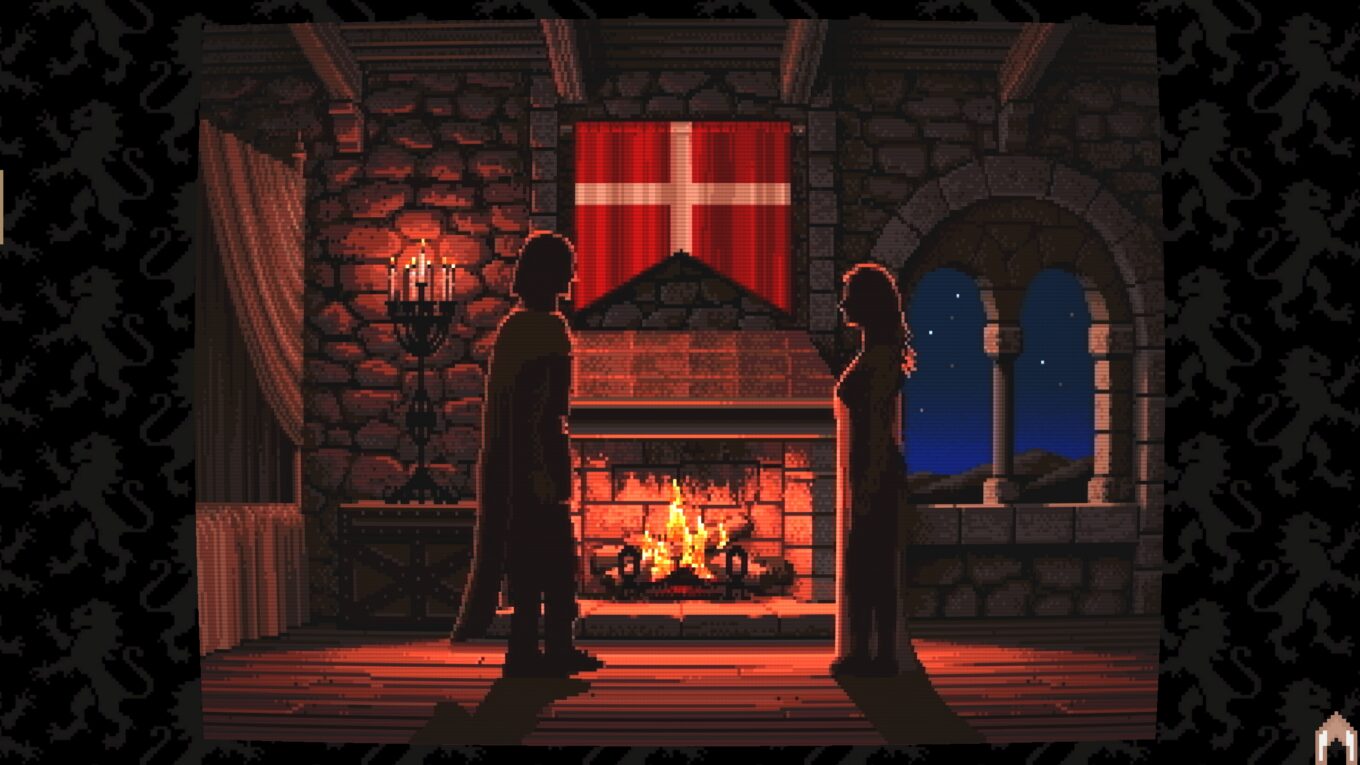
There is a bigger issue to address, though. Defender of the Crown was a stunner on Amiga, sure, but those standard-bearing visuals hid an uncomfortable truth: Cinemaware’s first release was all knight and no squires. The game was rushed to release and lacked some planned features, resulting in gameplay that was simplistic even for the time. Subsequent (much uglier) ports released the following year reinstated many of those features, including health bars in raids, additional ammunition types during sieges, and a few more strategic options when it comes to moving your armies around 12th century England. The Amiga original is still the most fondly remembered, but the differences between versions certainly taught me an important early life lesson regarding the relative merits of looks versus personality.
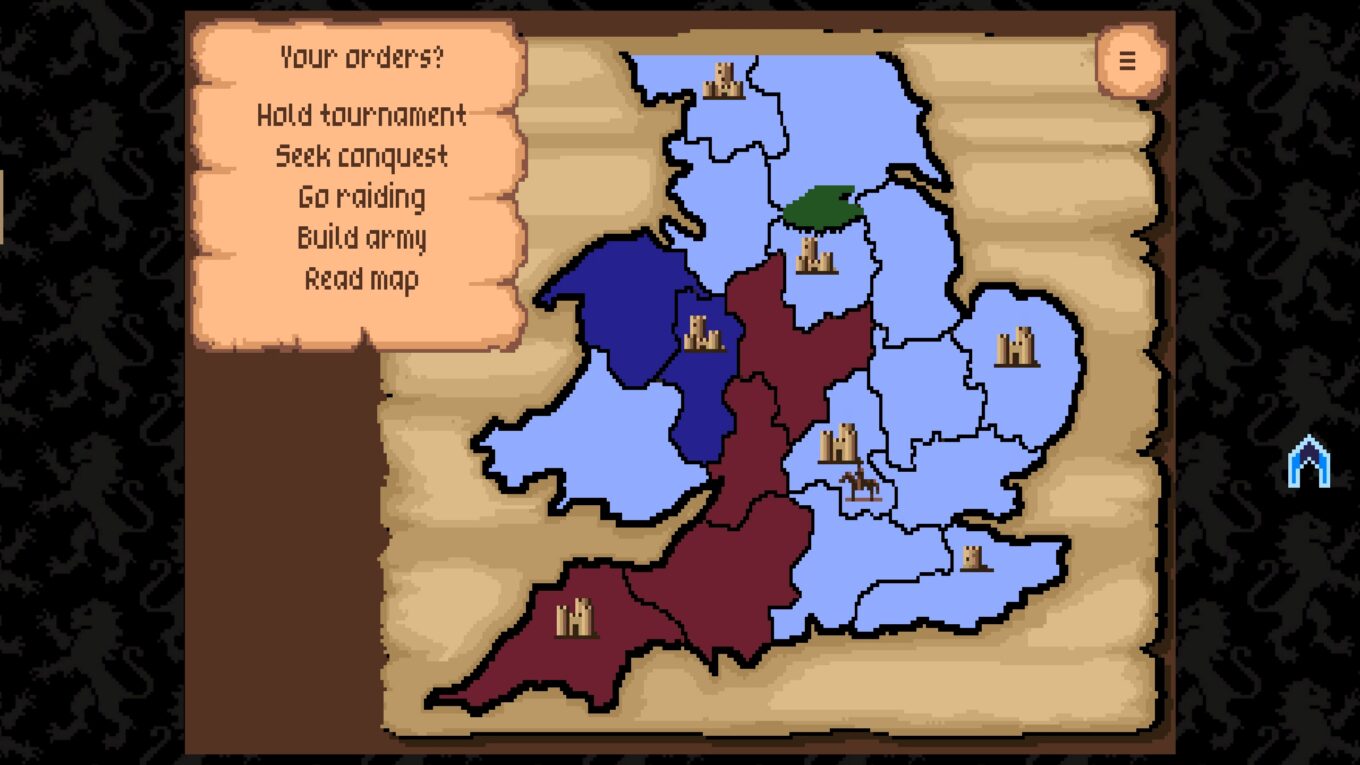
In choosing to provide an accurate (visuals aside) build of the Amiga game for its Retro mode, Black Tower Basement has locked itself into a neutered version, and because of that there’s little to enjoy here beyond a quick nostalgia trip. If you mastered it the first time around, you can still use the same Geoffrey Longsword raiding strategy that all but guarantees a quick win, and even the same pixel-perfect positions for the catapult during sieges. Reviews at the time, despite dishing out high scores and gushing over the graphics, still highlighted the thin gameplay even then.
Thankfully, Classic mode is built on the PC and NES iterations of the game, while mixing in some of Black Tower’s own ideas. The combination provides a little more depth below the shiny surface, along with a whole host of quality-of-life changes like the ability to now see whether a lord is Saxon or Norman at a glance thanks to a much-improved UI.
The basic loop remains the same: build your home army, deploy all or some of those men as a campaign army, and start taking land across a Risk-style map with the goal of defeating three Norman lords in the south. Along the way you’ll dabble in jousting tournaments, night-time raids to rescue prospective wives (who provide a leadership bonus), building and attacking heavily fortified castles, and even dropping in on Robin Hood for a little help – all while defending your own lands and trying not to upset the two other Saxon lords with whom you share the north of England.
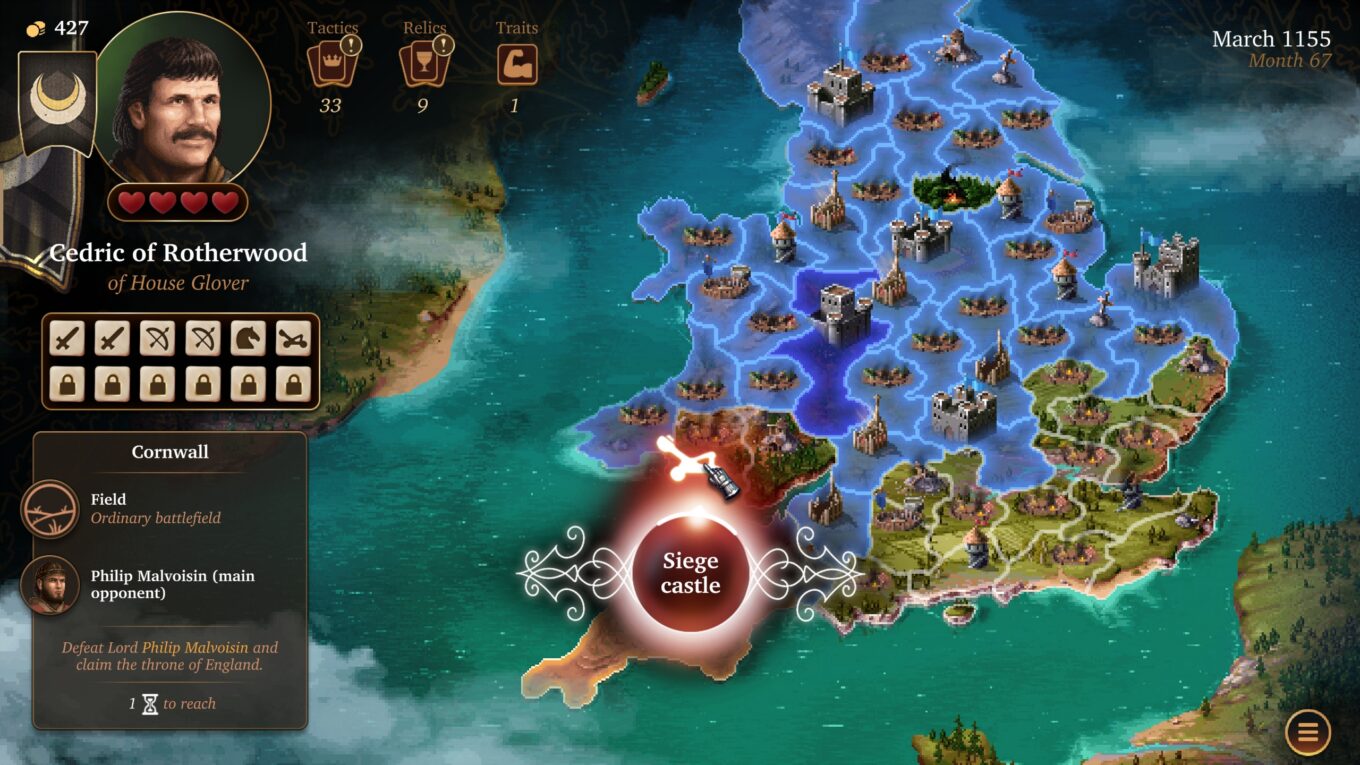
Whereas the Amiga version lets you build your home and campaign armies in the same turn, in the PC version (and Classic mode) building your home army ends it. However, you can move freely through friendly territory in either version, and bolster your campaign army without ending your turn by heading back to your home castle. Classic mode adds a small tweak to this by allowing you to transfer forces without first traipsing home, one territory at a time. It’s a small-but-appreciated touch that makes you feel more like a grand strategist overseeing a multi-front war effort.
However, most of the major mechanical tweaks are reserved for the game’s notoriously simplistic setpieces. You now have to balance on your horse as well as aim your lance during jousting events (though it doesn’t feel particularly necessary in practice); raid combat involves weak and strong attacks, blocking, and even destabilising parries as you work your way up to the captain; and sieges now randomise the spot you first have to aim for with your catapult. These additions are far from transformative, but they do a good job of refining mechanics which previously relied on button mashing, blind luck, or remembering to always launch your first volley from six pixels above the stop.
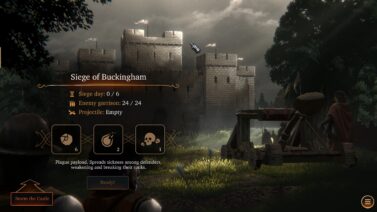
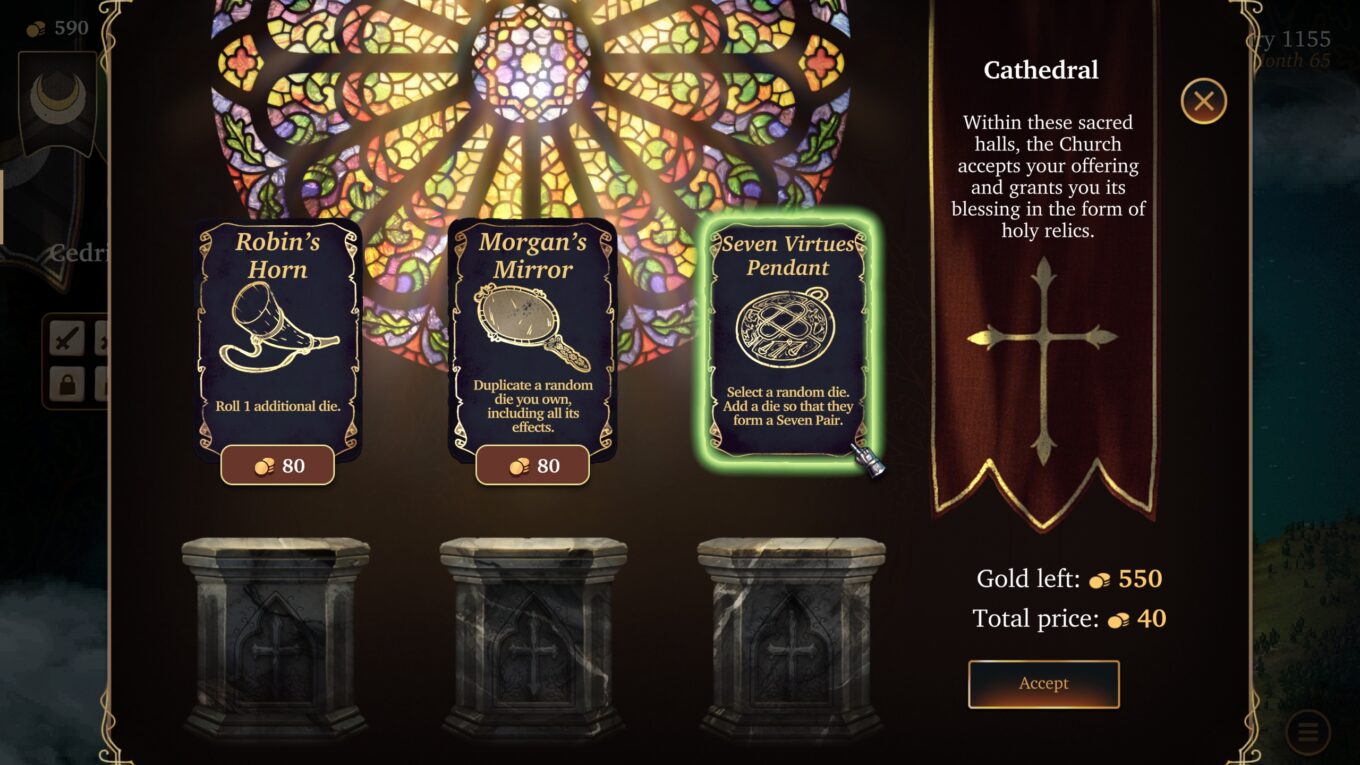
The really big news here is the addition of Conquest mode, which reimagines DotC as a dice-driven, card-based roguelite. In it, you start with a set number of units picked from soldiers, archers, knights, and catapults. Each proffers one or two orders (essentially the number of turns you have) and a dice roll. Each soldier, for example, gives you two orders and rolls either a 1 or a 3. Knights, meanwhile, add only one order but roll either a 4 or a 6. The overall goal is to end up with a greater total dice value than your opponent before you run out of orders, and you do this by adding, destroying, swapping, and rerolling dice via Tactics and Relic cards.
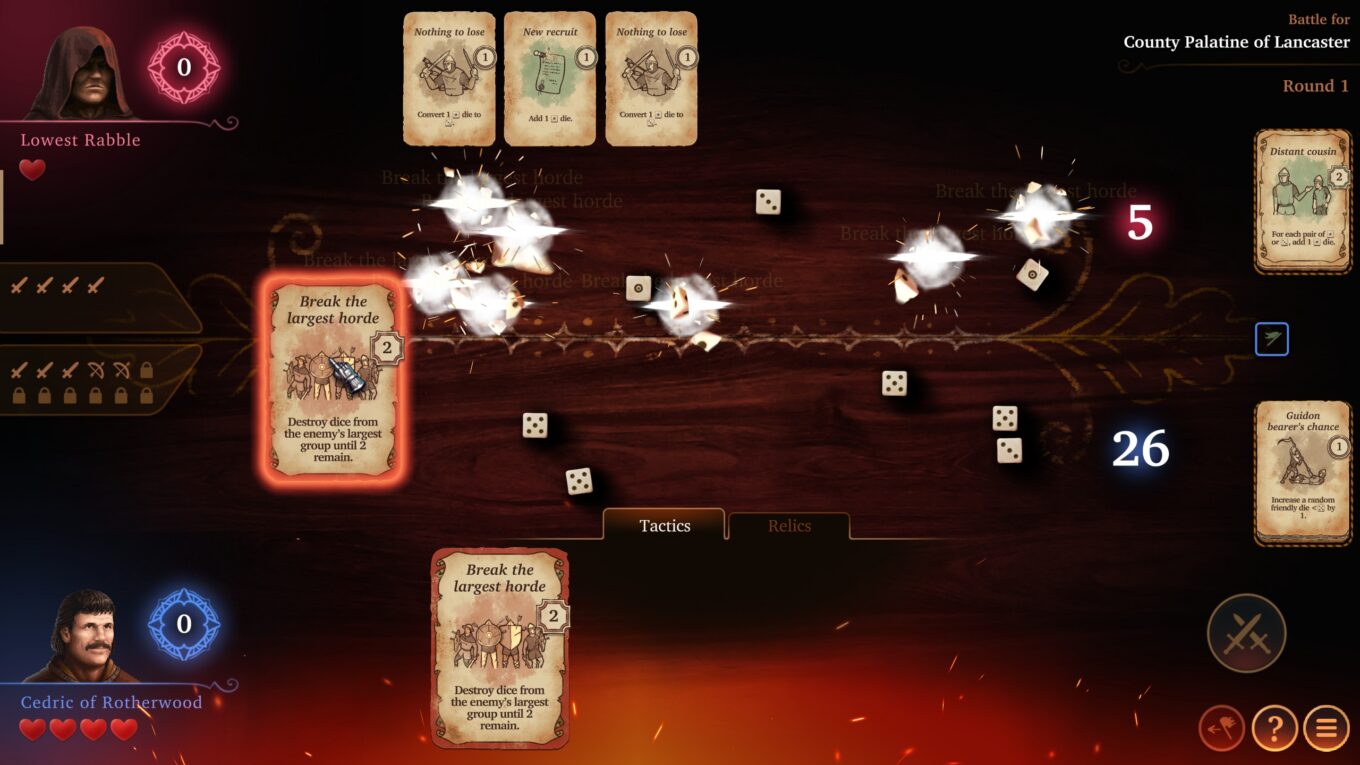
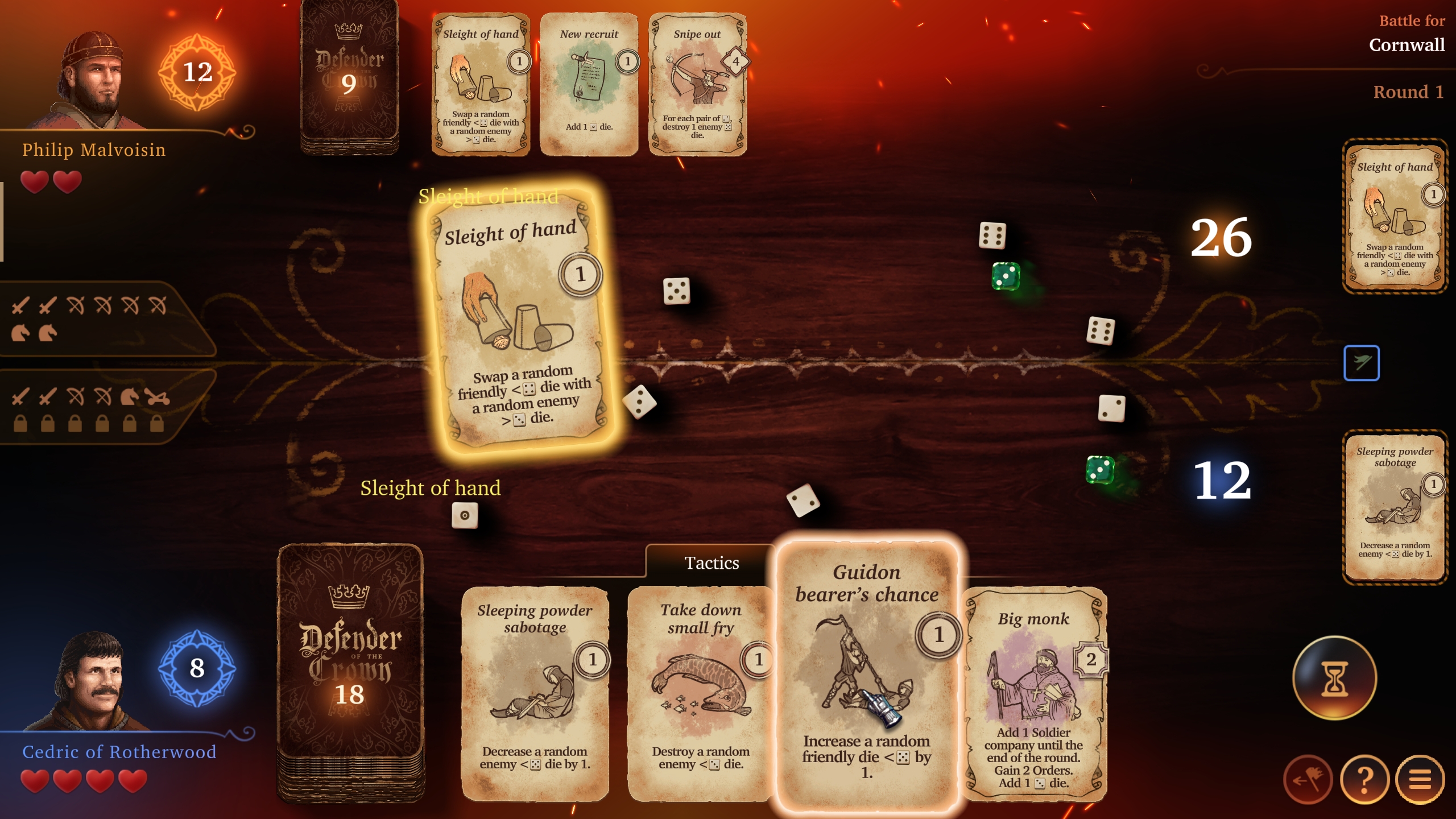
‘Sleight of hand’, for example, swaps a random friendly <4 with a random >3 enemy die. While ‘Sleeping powder sabotage’ decreases a random enemy <4 die by one. The game proves to be a careful balancing act, as having too many of the same die value can prove disastrous. I thought I had worked out a brilliant plan, building my army entirely from archers (each one provides two orders, and always rolls a 2) and shaping my deck around cards which generated more 2s along with ‘Inspired furtherance’, a tactic which converts all 2 dice to 5s. This proved unstoppable for a while, until I encountered an enemy with ‘Break the largest horde’ in their deck, which targets the largest group of same-valued dice and destroys all but two of them. Ouch, lesson learned.
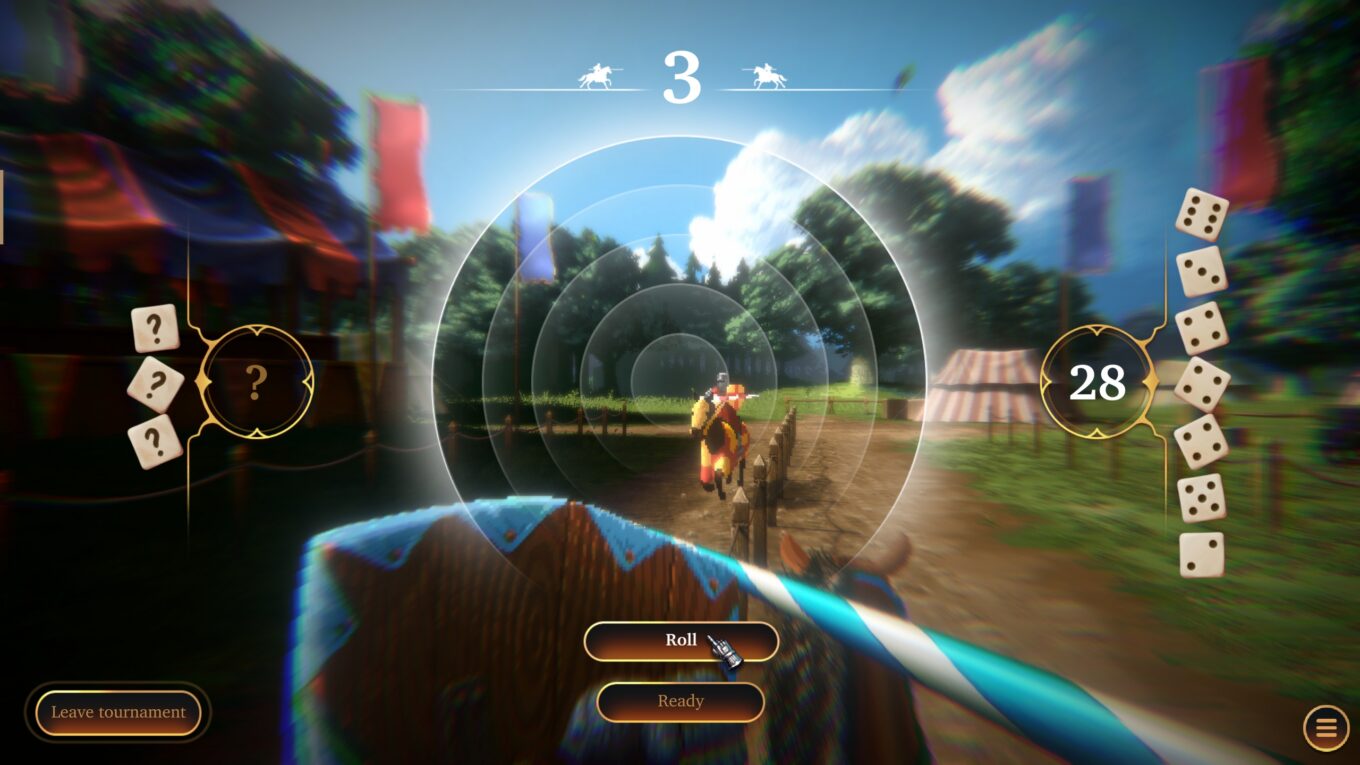
Sieges, raids, and tournaments all still take place, but here each is reconfigured as a dice-based game. For jousting, you must roll dice and try to achieve a higher total than your opponent (you can see how many dice they’ve rolled, but not the values), all the while hoping you don’t get a 1, which resets your progress. Sieges, meanwhile, are a slower-paced guessing game where you’re presented with the enemy’s total value from six dice and must guess, in any order and within two turns, which individual die it is made up from. They’re fun, but swerve wildly between blind luck (which proves annoying when contrasted with their sort-of-skill-based counterparts from the standard game) and breakable – mathematically minded players will quickly realise there is a strategy for the sieges which works every single time, neatly nodding to the original game while also similarly reducing it to busywork.
More damaging in the long term is the mode’s lack of distinct personality. Every enemy you encounter feels broadly the same, despite gradually unlockable modifiers and their resulting starting hands, because everyone draws from the same overall pool of cards. They’re deployed in various permutations, of course, and the way in which armies are set up results in some gentle strategic optimisation as you tackle different groups of dice numbers – sometimes 5s will be very common, for example, and so cards which specifically damage that value work better, other times 2s will be more prevalent and might require some broader tactics. But ultimately it all starts to feel quite samey after only a few runs, and while the concept here is vibrant and appealing, the reality never achieves the addictive one-more-go infatuation generated by the likes of Balatro, Monster Train, or Slay the Spire.
In the end, it’s difficult to say who The Legend Returns is for. There have been other remakes, but this is certainly better than either of those. There was also a sequel, for CD32, which was itself an enhanced version of the original – and some, but not all, of those elements have made it into this game. And despite my criticisms, I enjoyed my time with this version and appreciate the new ideas it introduces. The problem is that anyone who played DotC the first time around already understands its limitations – despite its graphical prowess, it doesn’t have the replayability of contemporary strategy forebears like M.U.L.E. And I’m not sure newer players raised on a rich diet of exceptional roguelikes will find enough to get their teeth into here.
Ultimately, The Legend Returns feels like a curio – a reverent restoration of an unquestionably important classic, a fascinating exploration of an alternative timeline in which the Amiga was even more powerful than it already was, and a solid-if-unremarkable reimagining for good measure. If nothing else, it has served to reinforce my already fond memories of the original.