Tim Burton. Edgar Allen Poe. Edward Gorey. The distinctive works of these auteurs, which contain macabre, surrealist scenes that are at once childlike and unsettling, have long influenced a slew of horror platformers like Playdead’s Limbo and Inside. And with REANIMAL, Tarsier Studios has drawn from the same playbook, depicting a bleak, foreboding dystopia based on the inexplicable dread of childhood fears. A mishappen humanoid lumbers about in the background, dragging its elongated limbs while searching for grub. Dehydrated human skins are draped on train seats and tucked away in loose crates. Several clammy bodies are dangled on meat hooks in an industrial sized kitchen. And as a diminutive pair of siblings, you’re crouching behind buckets and boulders, avoiding the gaze of the monstrous beasts that are hunting you.
As the creator of Little Nightmares and Little Nightmares 2, Tarsier Studios has pretty much nailed the subtle horrors of traversing ghastly, battered landscapes as a tiny, vulnerable child. But when the team had to hand off the series to Supermassive Games with Little Nightmares 3, REANIMAL became, in a way, the spiritual successor to the first two Little Nightmares, a what-it-could-have-been had it held on to its IP. The similarities between REANIMAL and the Little Nightmare series are clear, from the child protagonists to the foreboding atmosphere, but there’s also a marked difference: rather than a side-scrolling, 2.5D panorama, REANIMAL instead allows its characters to move within a three-dimensional space. At the same time, there’s an option to play REANIMAL as a co-op horror adventure, be it local or online.
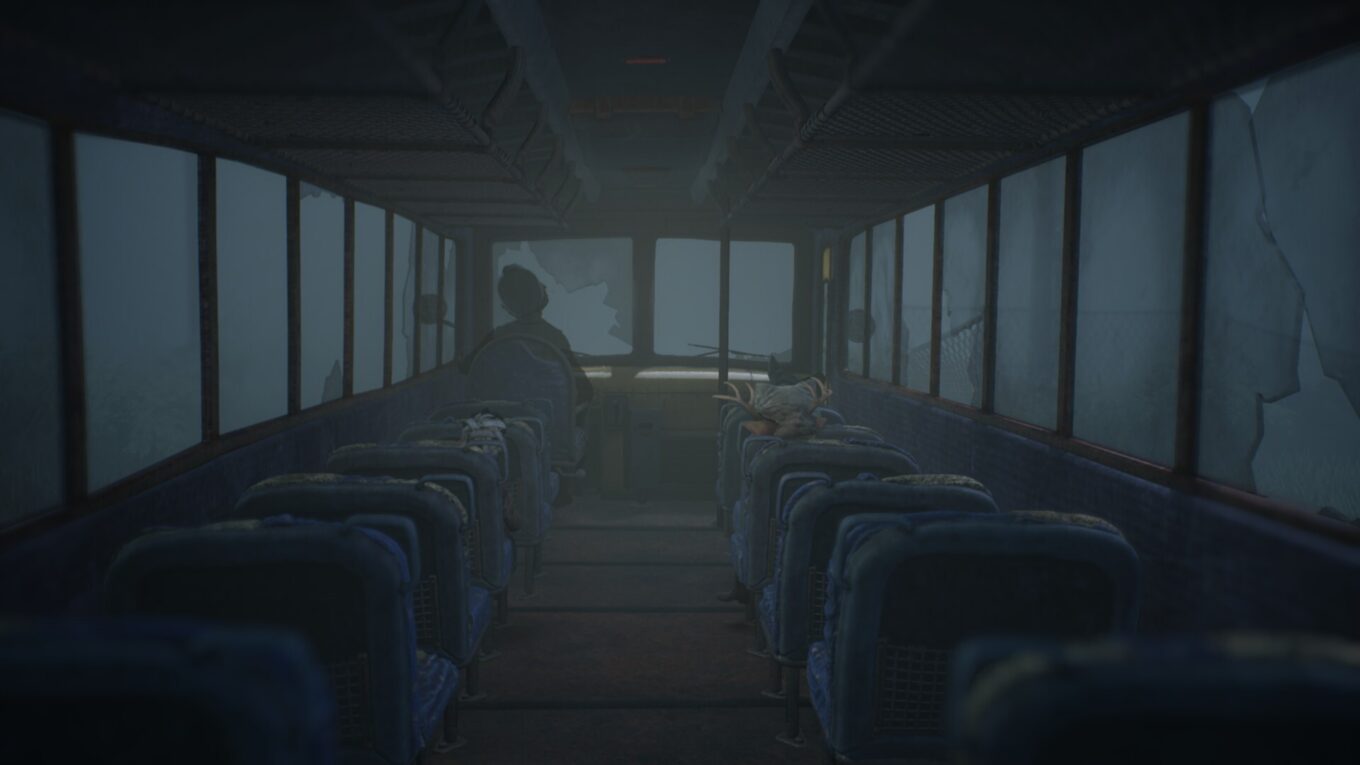
This may seem like a treat for fans of Little Nightmares who wanted to experience the myriad spooks and trepidations of its grotesque worlds with a friend. To its credit, REANIMAL’s menacing yet hypnagogic wastelands are meticulously rendered, its magnificent environments all-encompassing in their dilapidated splendour. Asphalt roads, torn asunder by an unseen force, have splintered a once thriving town into fractured remains. Abandoned buildings are occupied by the undead and unsightly, their only source of luminance being the occasional flickering light. Scattered buoys suggest a perilous route through choppy seas and mountainous cliffs. These striking sights offer clues into the game’s rich, ambiguous universe, even if these don’t fully explain why everything in this cadaverous world is dying to devour these children and their friends. The creatures that chase them, too, are genuinely horrifying. The aforementioned skins and bodies, for instance, tend to materialise and slither their way towards the duo, which leads to many frantic sequences in which the only way to ahead is to simply sprint ahead, as quickly as you can. The tension in these scenes will constrict your breathing; it’s best to keep running.
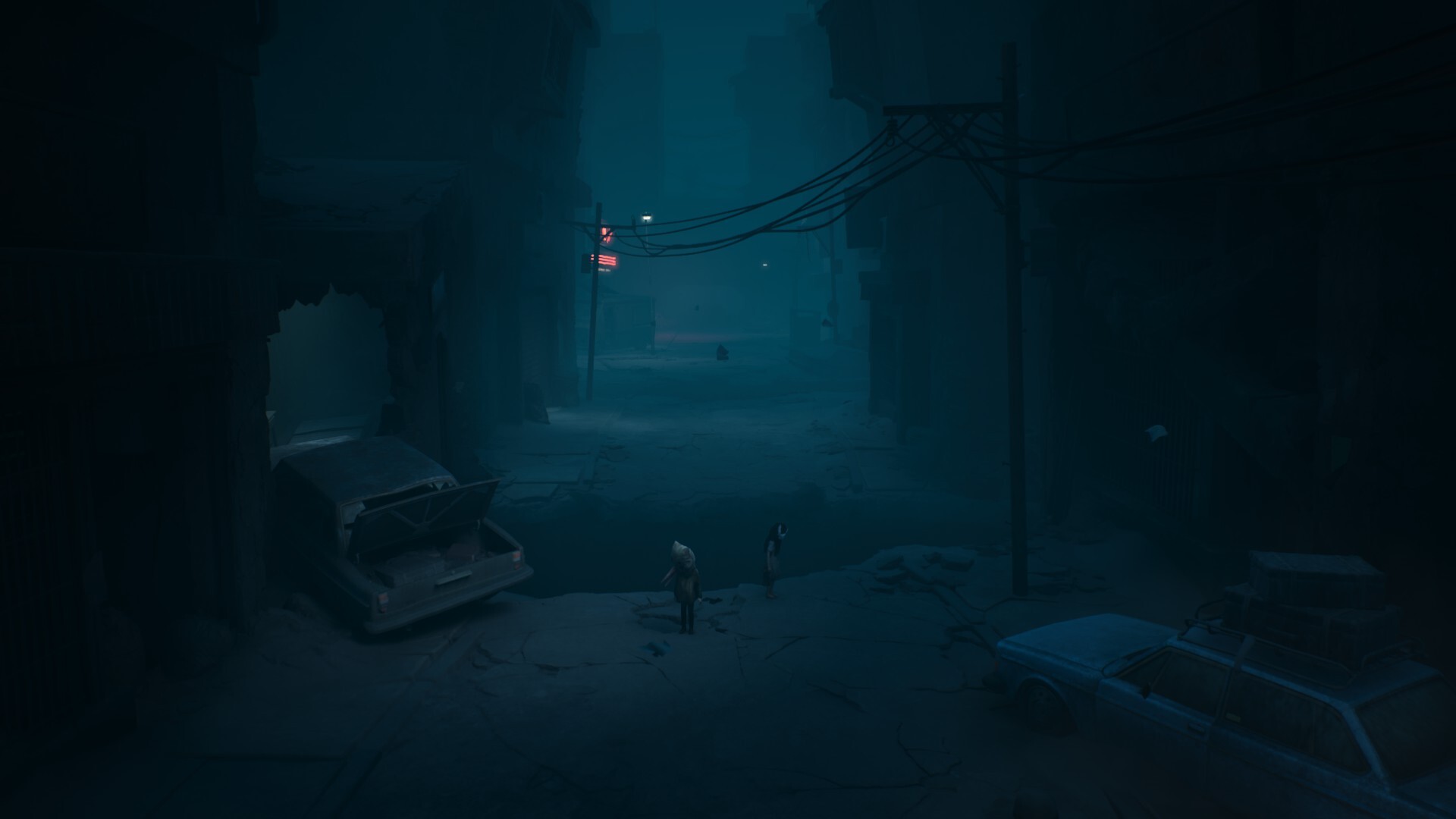
In the same vein, those looking for sizable, puzzling challenges in REANIMAL may find these rather lacking. Unlike the environmental puzzles of Little Nightmares, REANIMAL is generally less cerebral, with obstacles that are relatively easy—even predictable enough—to circumvent. A chained door implies that there’s a bolt cutter in the vicinity to pick up; a small crack in the wall offers a way out of the area. You’ll need to crawl and stealth your way out of death traps and away from ravenous mutants, and there’s an extraordinary amount of running to do when they give chase.
This shift away from puzzles isn’t unwelcome, even though they do become somewhat formulaic in the later chapters, because of the way REANIMAL builds and choreographs its tension. For instance, there will be a confrontation with a key predator, and a chase scene where you’re left scrambling for cover and safety in every chapter, but these are presented with a surprising amount of creativity. In one encounter, you’re fending off a gruesome, humanoid figure while driving a truck; in another, you’re fleeing from an avian predator. All these are incredibly adrenaline-charged, even if they are largely mechanically forgiving. You’ll get through them if you play your cards right.
This focus on tension, rather than solving complex puzzles, carries through into the game’s co-op feature. In an interview with Epic Games, Tarsier Studios’ Andreas Johnsson compares REANIMAL’s dual-player setup to watching a horror movie with a friend. It’s a sign that the co-op feature isn’t about layering another dimension to its puzzle mechanics, but allowing players to experience the jitters and cruelty of surviving the game’s deathscapes together. In other words, bring in another friend if you like, but you won’t be solving puzzles in tandem. The co-op feature feels no different from having someone watching your playthrough next to you.
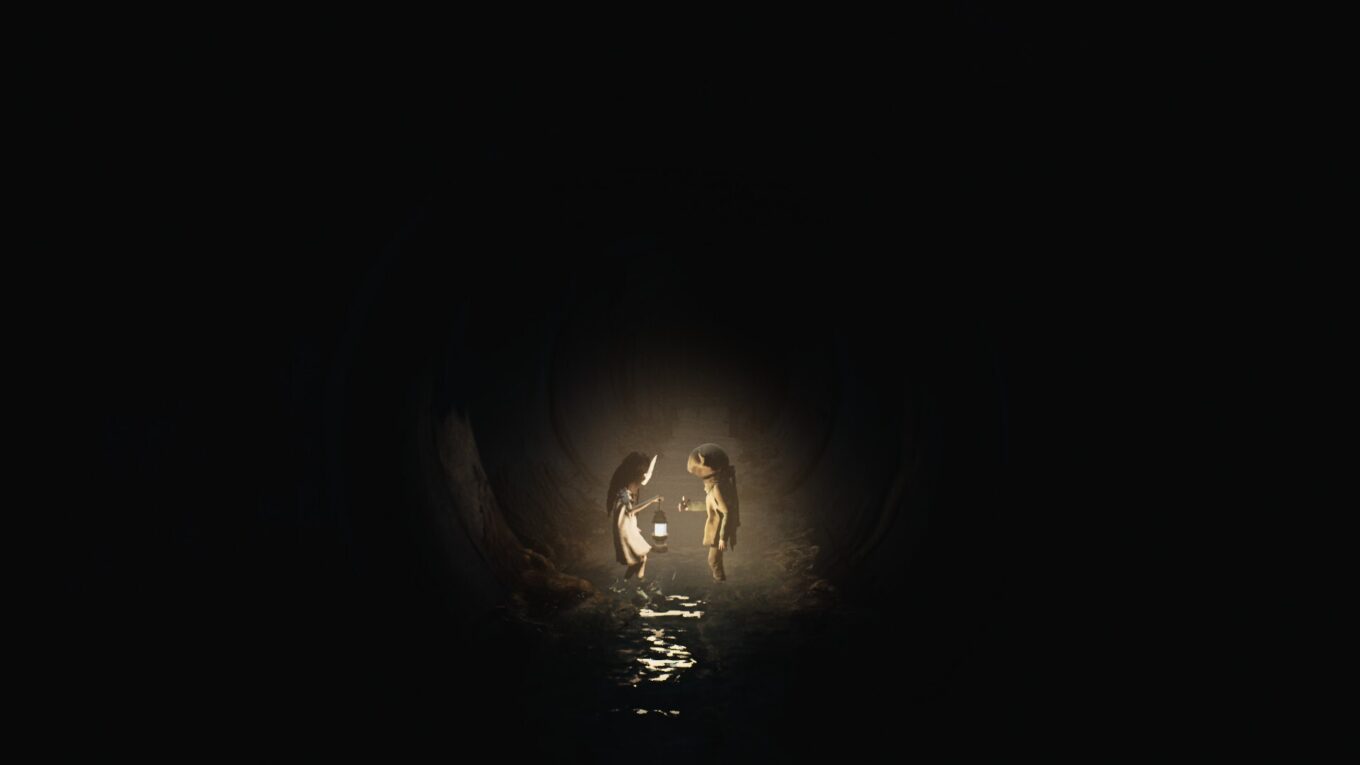
That’s why REANIMAL feels like it’s designed to be played independently, with co-op being added in as an afterthought. You can experience the entirety of the gameon your own as the brother, given that your sister can be AI controlled. At times, she offers some clues on your next moves, such as by running ahead, or picking up a pointy shaft to stab the nearest monster. It does wonders in regulating the game’s pacing, nudging its narrative when needed, while minimising unnecessary frustrations.
The good thing is that Tarsier Studios errs on the side of caution without overdoing this assistance. You’re always given the room to explore and mull over the intricacies of its scenes, be it empty factory floors or dusty bedrooms. You can discover crannies to uncover narrative tidbits, easter eggs, and new masks for your characters. At the same time, the interactions between the siblings are a sombre yet tender glimpse of their relationship amidst an abhorrent, unforgiving universe. They lift each other up towards hard-to-reach platforms; they open locked doors together by pushing their weight down on a hefty crowbar. It highlights the sheer fragility of the duo against the oversized hostility of their environments.
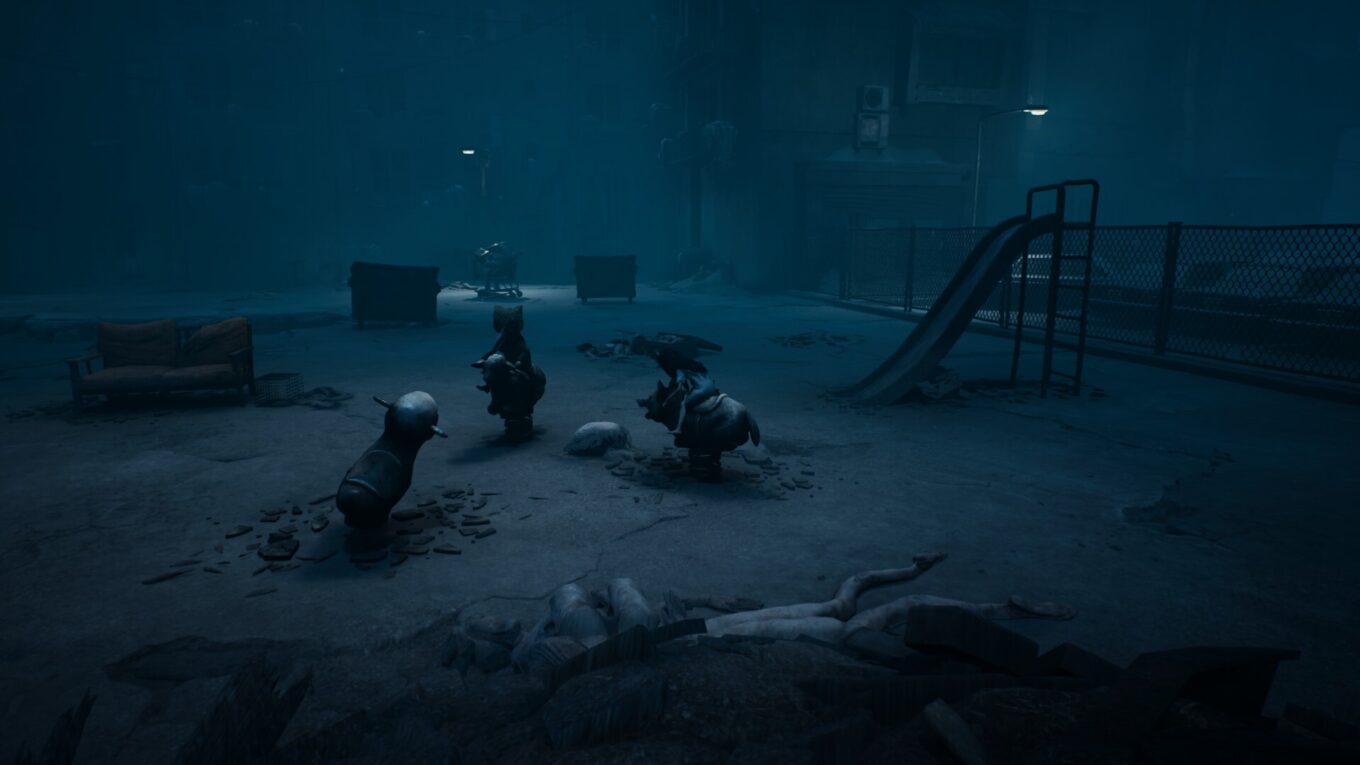
One quibble I have with REANIMAL, however, is its combat. It’s seemingly a persistent problem that Tarsier Studios faces, given its awkward approach to fights in Little Nightmares 2. In one chapter, you’re armed with a crowbar to fend off several toddlers who look like they’re weaved through cobwebs and dust. Odd camera angles and perspectives mean you do, very occasionally, fail to land a hit on these demonic babies, and combat is barely weighty enough to feel impactful. Fortunately, REANIMAL quickly abandons these fights in favour of subtle, creeping horrors it’s more adept at portraying.
Knowing when to put the brakes on ineffective designs is an example of the restraint that Tarsier Studios imbues into its game. REANIMAL is subdued in its portrayal of its captivating ruins. Visually, its world is largely shrouded in shades of black and blue, with the occasional colour accentuating its grim horrors: a torchlight in a shadowy room, or the crimson headlights of a truck hurtling towards you. Curiously enough, REANIMAL also features some scant dialogue, which it keeps to a minimum. It’s an inclusion that’s somewhat baffling, given that REANIMAL would have imparted an equally gloomy experience even without these lines.
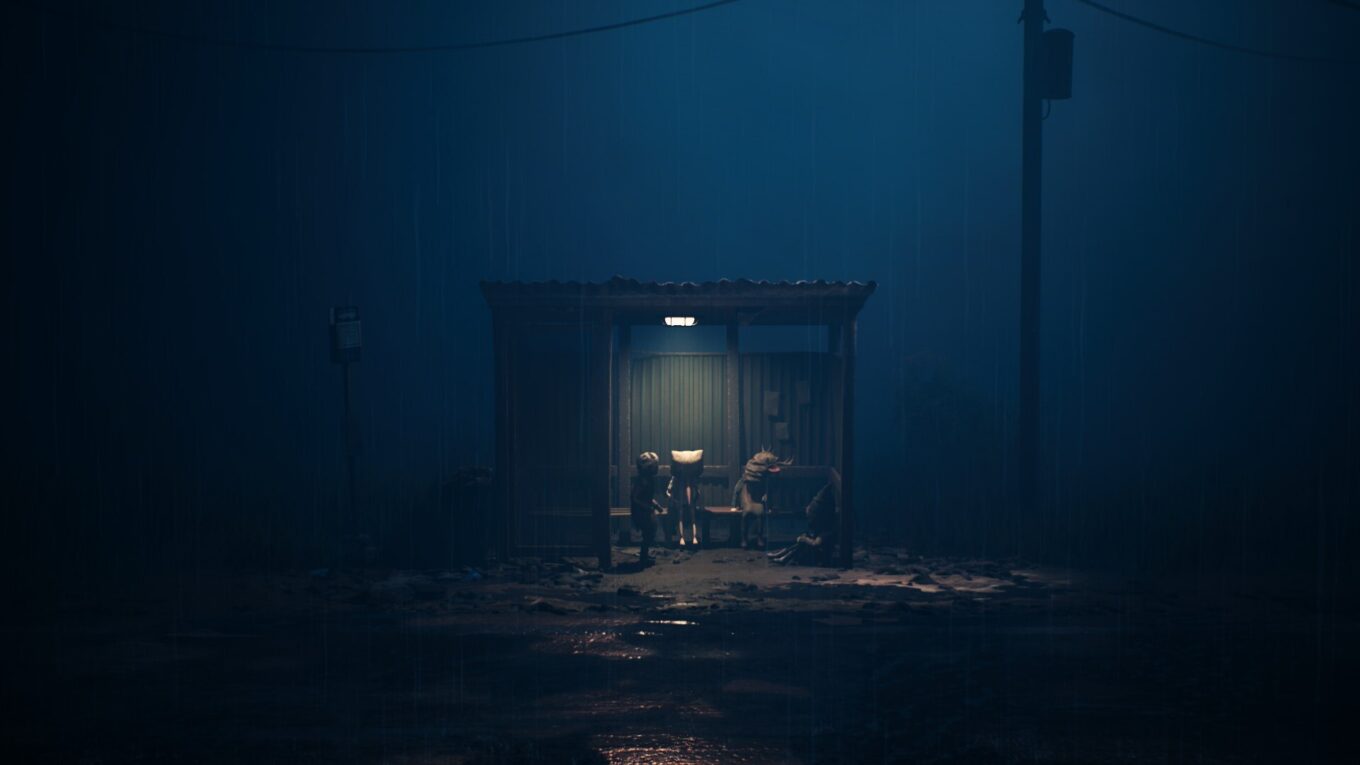
But perhaps these lines are in service of the game’s most ambitious puzzle: its plot. Tarsier Studios has long delighted in narrative ambiguity with the Little Nightmare series, refraining from satisfying answers or thorough explanations on their deeply metaphorical tales. And just like its previous games, REANIMAL doesn’t have a neat conclusion, instead provoking more questions than ever in its final chapter. To find out more is to do another playthrough of the game, to unravel its hidden artefacts and meaning. That’s to say that the ending is deeply unsatisfying and confuddling, but I’m intrigued. Rummaging through its mysteries and unhallowed spaces again is still an enticing prospect.
To some degree, REANIMAL isn’t such a different beast from Little Nightmares and its sequel, with Tarsier Studios showcasing what they’re so masterful at: crafting compelling horror that’s taut with tension, set in a macabre, inhospitable universe that inspires agoraphobia. The developer has mostly sought to stick closely to what worked for them in the past with Little Nightmares, rather than outdoing the series. With REANIMAL, Tarsier Studios’ most remarkable feat is leaning on its strengths as an architect of child-like horrors, tweaking its atmosphere and tension to reach the similar heights of its most beloved game. Why fix it if it ain’t broke?