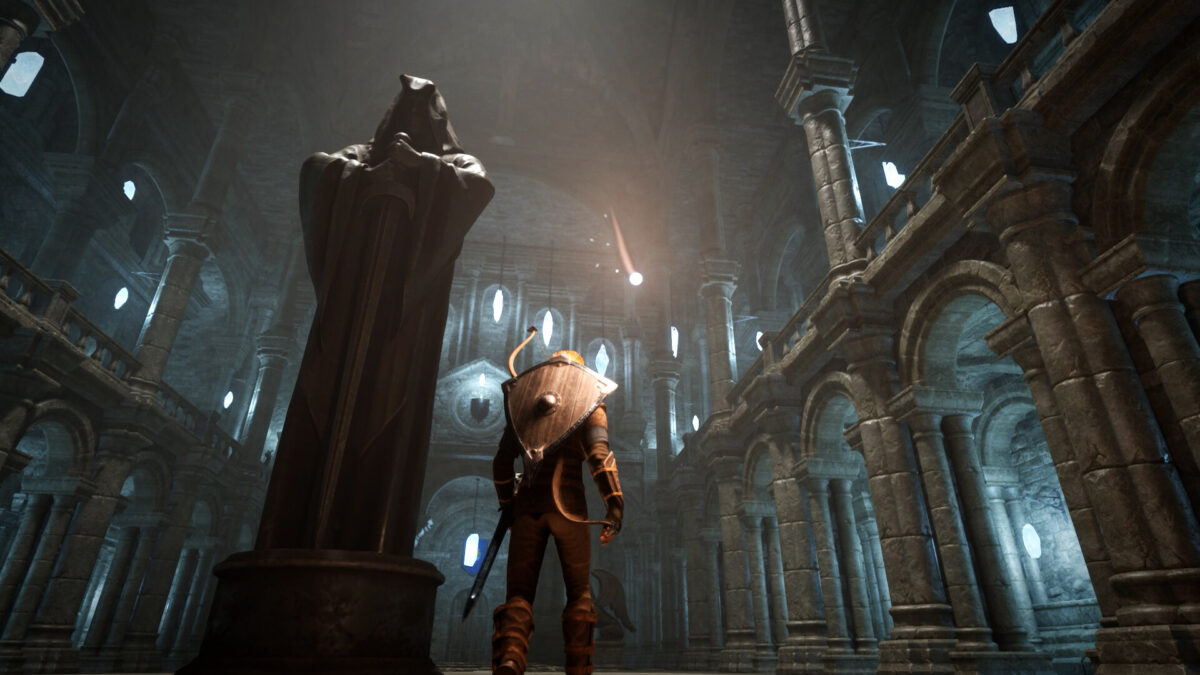
The early noughties were a real sweet spot for technology. Things were changing fast and those newfangled devices were somehow growing a personality. I should know, I clutched my Nokia 3310 in my hands like it was the holy grail, keying in my own ringtones and feeling pretty smug as I disassembled and reassembled it with new keypads and cases. Sure, phones are pretty cool now, but nothing beats hearing the Mission Impossible theme tune in monophonic melody down the aisles of Tesco on a Saturday night.
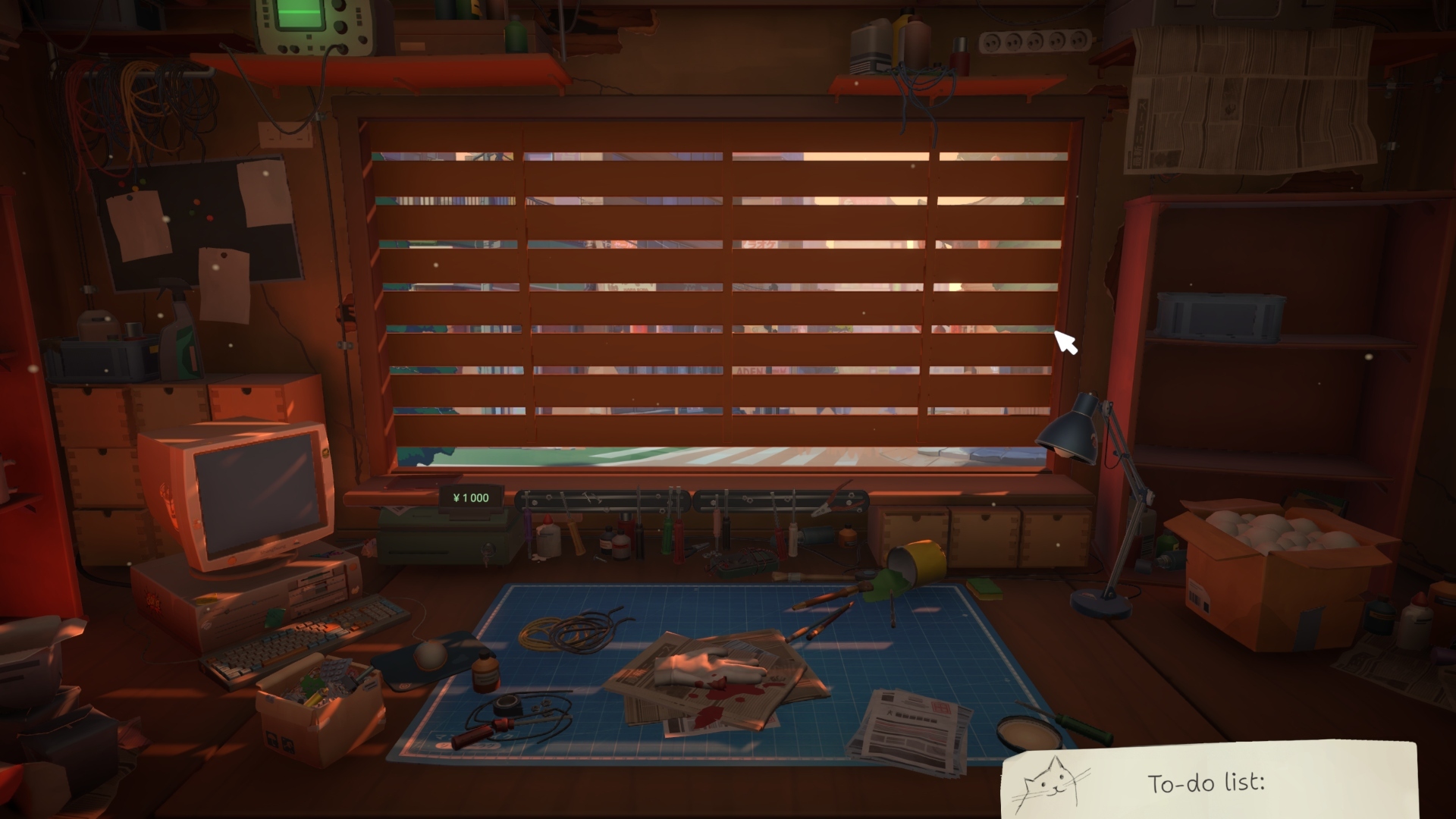
And developers Mandragora must have experienced it on some level too, since they’ve made a game dedicated to this glorious era in history. ReStory: Chill Electronics Repair places you in Tokyo in the early 2000s working at a repair shop, fixing up dirty and broken devices to their former glory. My work area is a little messy; I’ve got customers to serve almost immediately and empty boxes to stuff in the bin ready for a hard day’s work.
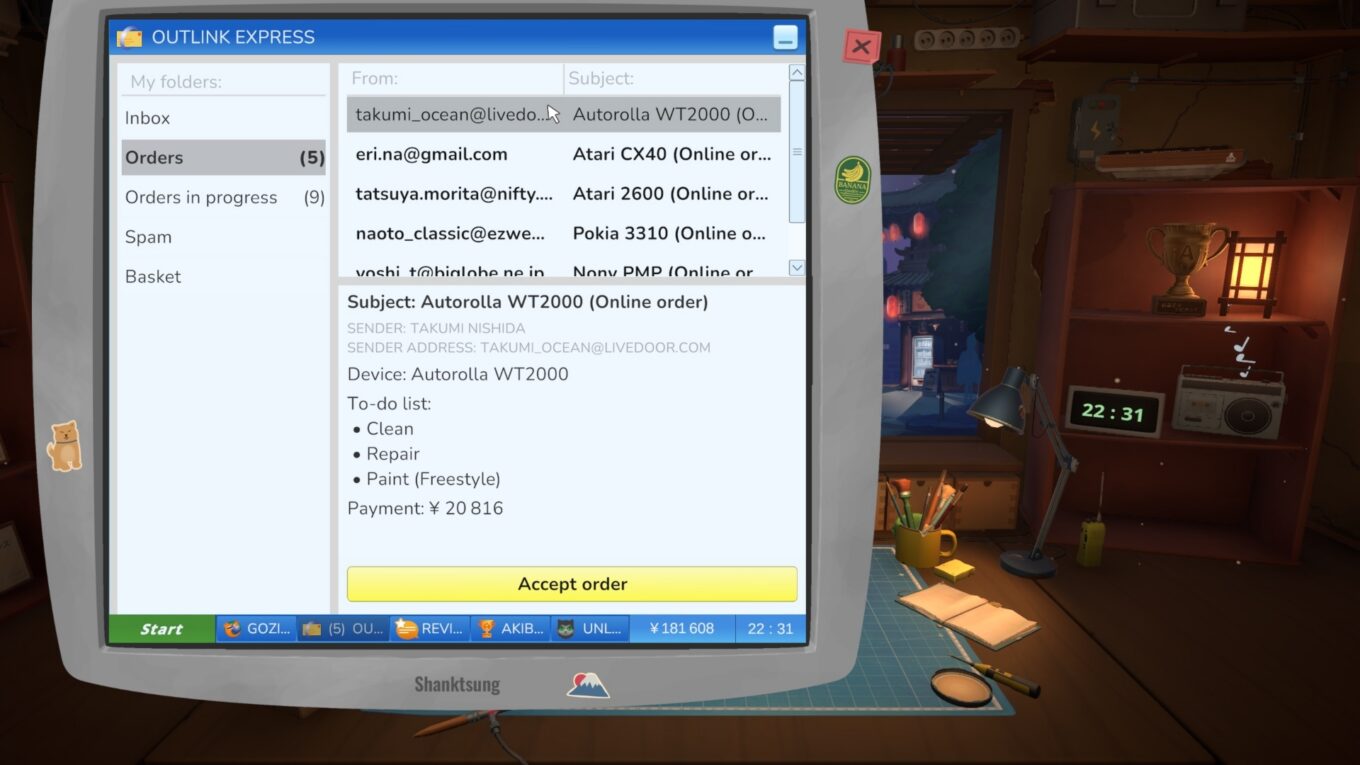
The repair shop resides in the not-so-fictional Akiba. Nicknamed Electronic Town in real-life Tokyo, it’s a massively busy shopping district. For ReStory, it’s home to my cosy little shop, fixing items up for desperate customers. But, as I begin my very first day as a Master, there are mysterious words of the former Master that once ran the shop. These utterances are the beginning of a much wider tale that I’ll jump into shortly.
For starters, it’s Tokyo’s answer to BBC’s quirky iconic show, The Repair Shop. Customers want me to revive their devices and I’m oh so happy to oblige. What I wasn’t fully prepared for was the trip down memory lane. Or, if you weren’t around in the early 2000s, then welcome to an excellent peek at millennial life.
For obvious copyright purposes, I wasn’t going to see my Nokia 3310, but I was going to see a Pokia. It’s also not a Tamagotchi here, it’s an Eggtochi. And the classic flip phone, Motorolla Razr is just your regular Autorolla Razor. Same-same, but different. Whilst this nostalgia was enough to keep me interested, I hadn’t even started to delve into the actual mechanics of this funky job sim.
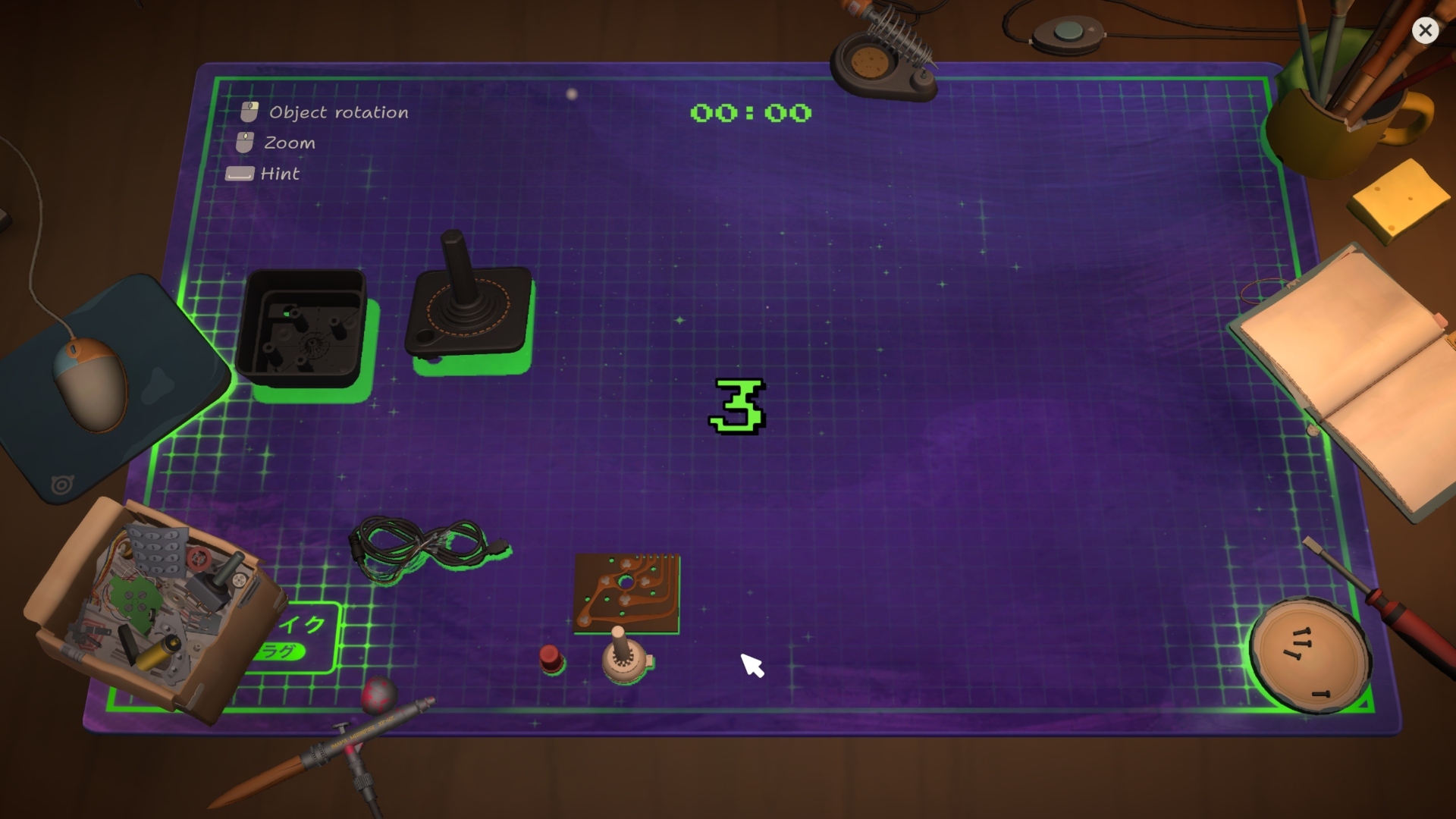
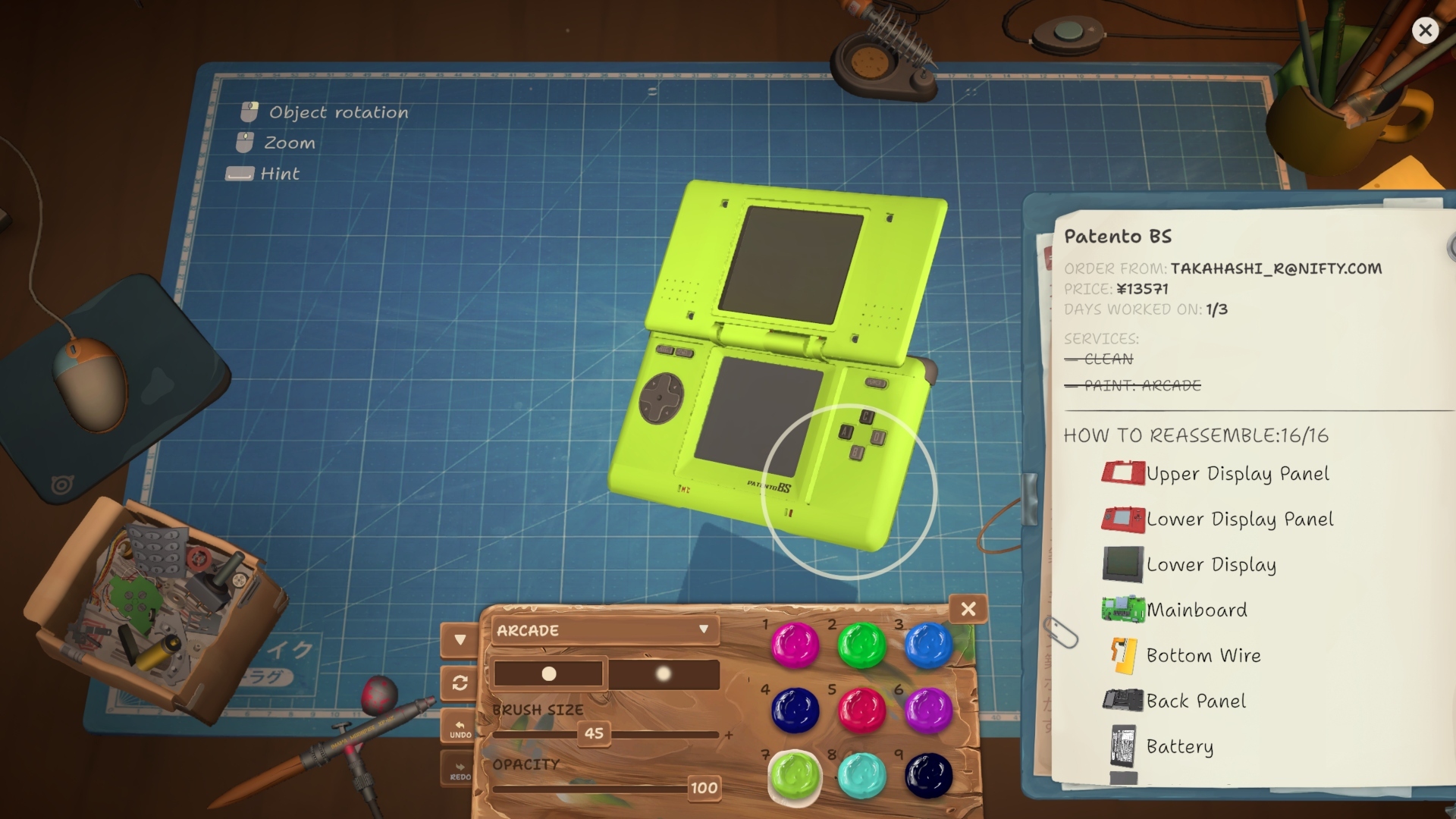
You’re serving customers with specific requests: clean my device, repair it, and later on, paint it and update its firmware. But as customers started to arrive, I was introduced to an unexpected narrative. After all, most of these shop sim games I find myself playing just want me to serve customers and expand my shop. ReStory wants me to do this, but carry out my own narrative adventure in the midst of it all – and I kind of loved it.
Sure, they bring me custom, but they seem to bring me a lot of trouble too. Or, at least, they want me to answer questions when I’m just trying to run a repair shop (seemingly). There’s a real mix of characters which cleverly intertwine, revelations of which emerge as the game plays out. I’m being mysterious about their intent, but that’s on purpose. Just know that there’s a weird energy in Akiba and as the Master of your shop, you’ve got some decisions to make.
Amongst the tumultuous storyline that threatened to disrupt how ‘chill’ this game actually is, there’s assistance right where you need it most. ReStory will tell you when you’ve incorrectly reinstalled a dirty part, it’ll let you put in screws without having to pinpoint it precisely, it won’t even make you dust intricately, letting you off for some specks if you get close enough. This wonderfully preserves the cosy vibes essential to a game like this, letting you focus on your repairs without letting a dirty battery be your downfall (or work-based burnout).
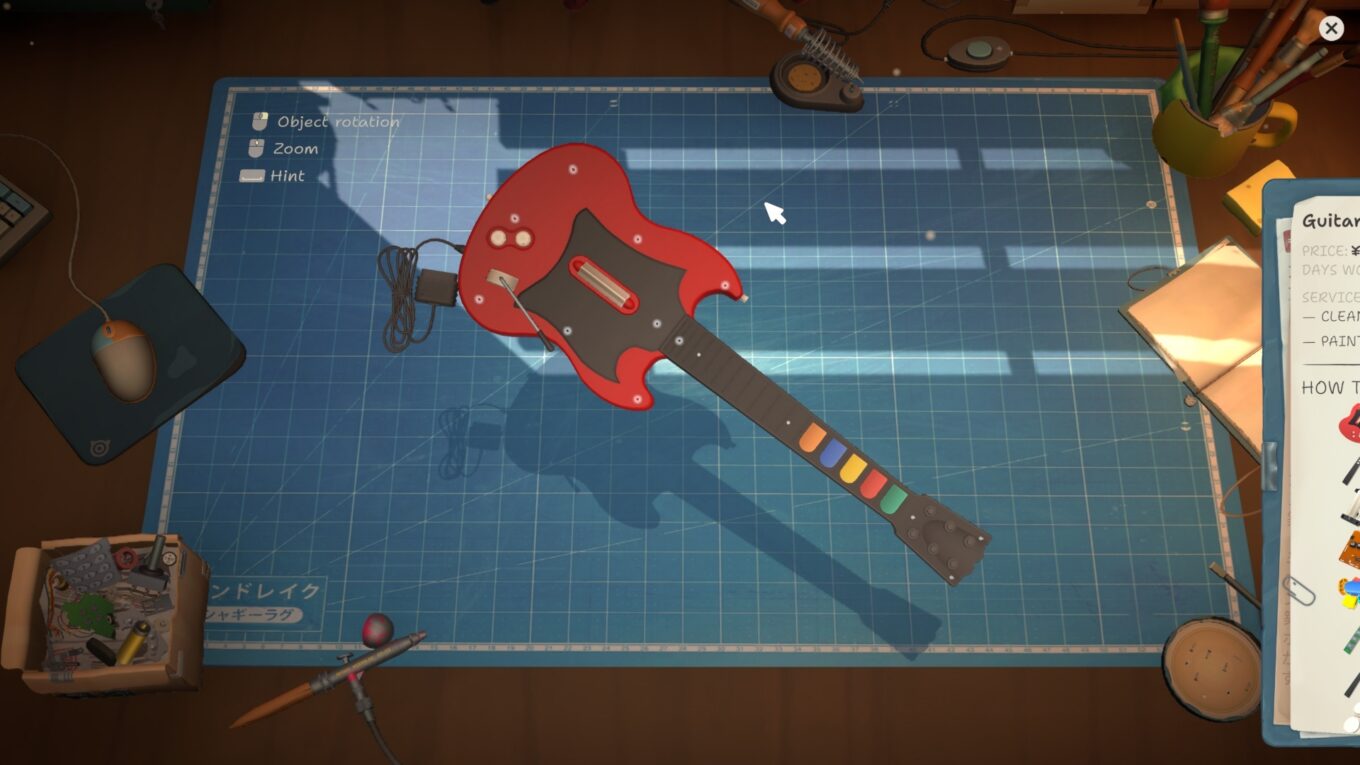
At my little repair shop, I was given some basic tools to get to work, disassembling the devices down to their circuit boards and wiring, collecting up the little screws in a jam jar lid and dusting away dirt before putting them back together again. It’s up to you to figure out breaking the device down to its bones. Reassembly, on the other hand, is fed to you on a nifty notepad, guiding you step-by-step and also informing you of what parts you’re missing. While I appreciated this touch of hand-holding for helping me advance nicely in the game, there’s actually a wider reason for its appearance – a competition-based side quest.
This aspect of the game is a true test of your repair shop abilities and also acts as a way to advance in conversations with customers from the bucket-wielding mysterious tenant upstairs to a little girl who can’t stop breaking her things. They’re all very keen for me to partake in the competition, saying it’ll help my business and that it’ll convene with some dodgy dealings that I won’t divulge too much into through fear of spoilers.
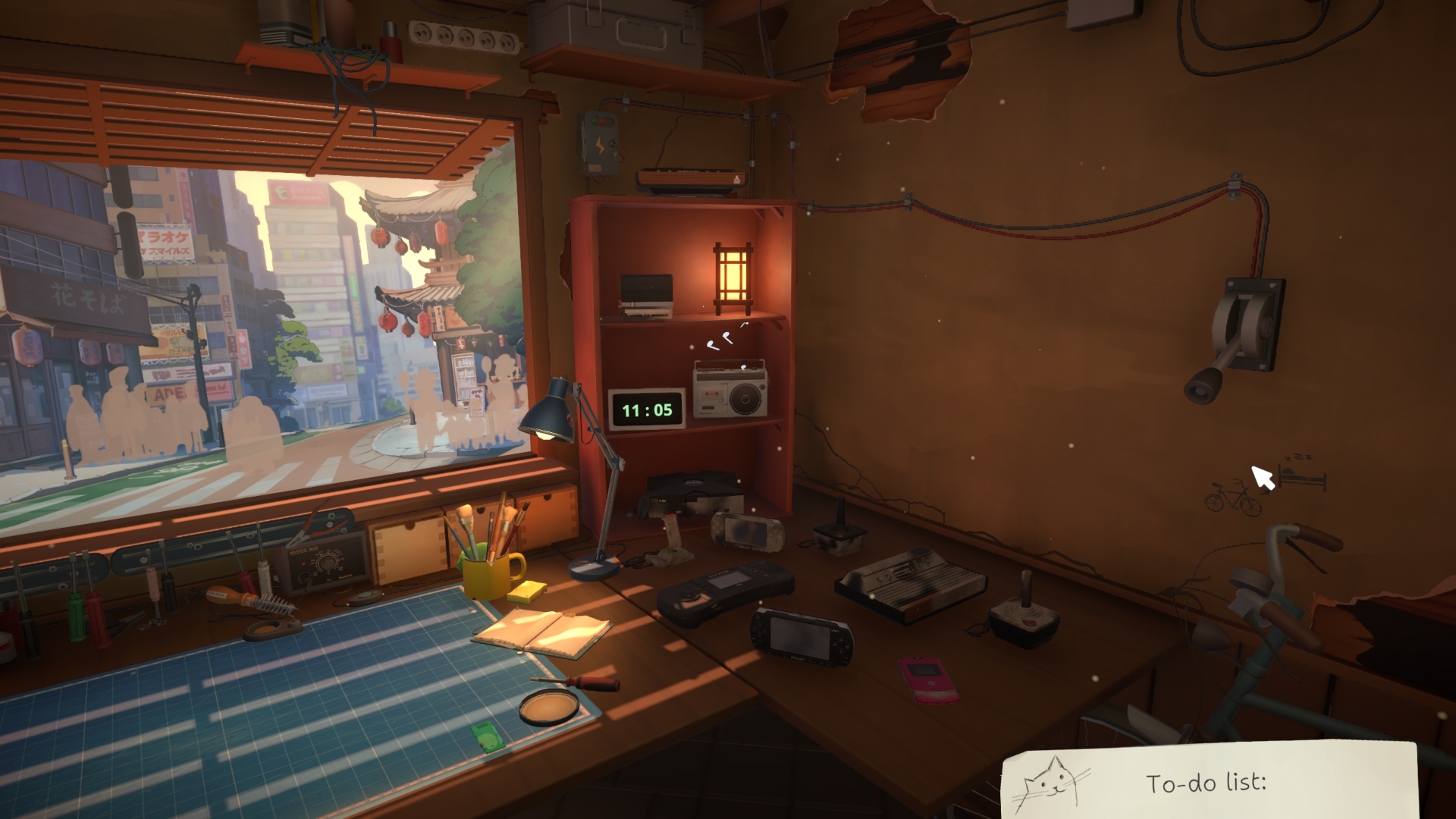
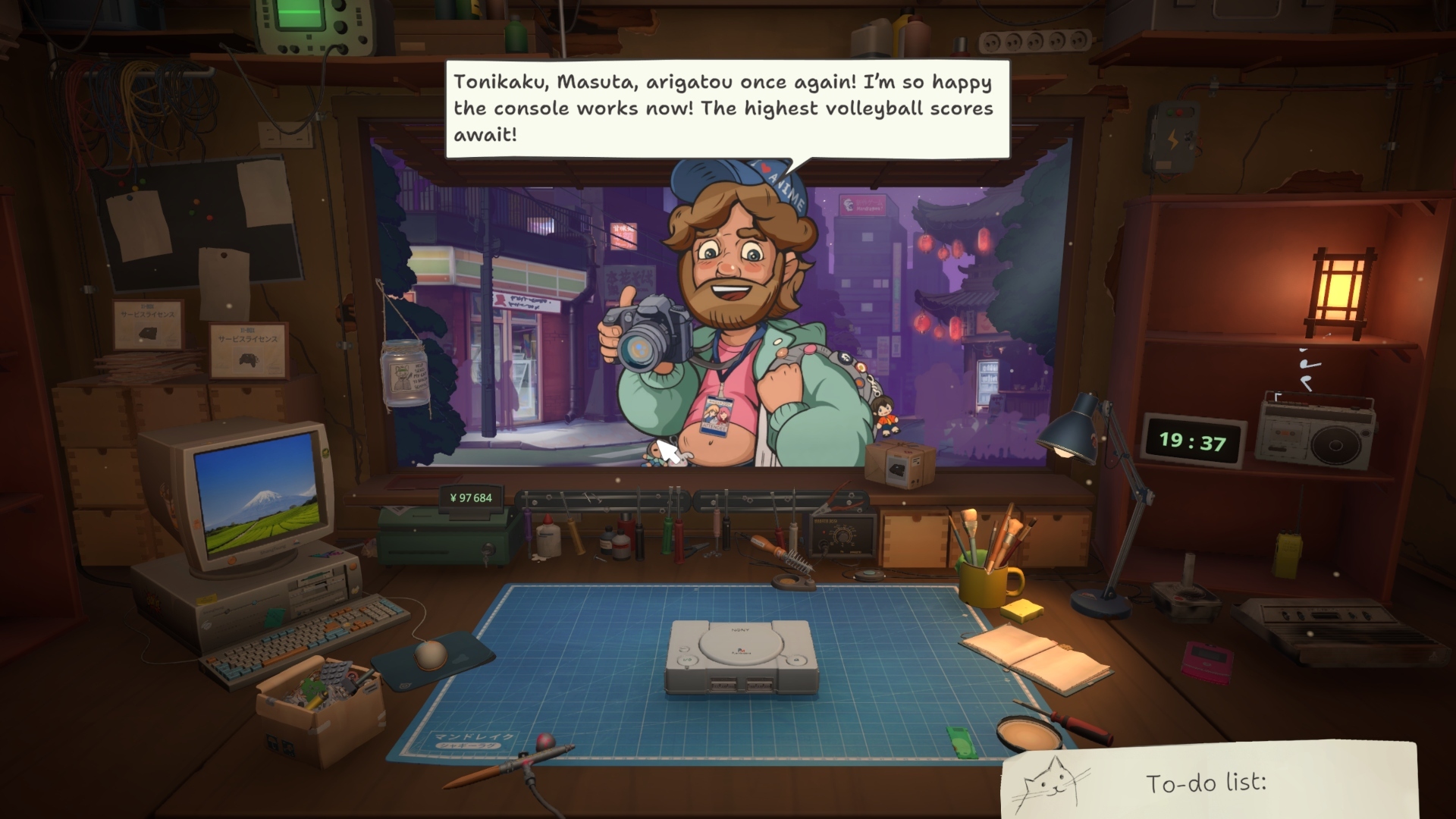
Either way, this repair master competition wanted me to assemble devices as quickly as I could. Beat the time limit, become the ultimate legend of Akiba. So, I took what I’d learned through the handy notepad and repetition of device cleaning and fixing and made it into something even more fruitful. It’s an unusual offset to the day-to-day work I was doing in the repair shop and, after all that hoo-har, quite a short-lived part of the wider storyline.
But it’s up to you how much you compete in the time trials once you’ve completed what’s asked of you. For me, I wasn’t a massive fan of the competition aspect as I felt like I could do the bare minimum to get my certificate. Instead, I was hankering for some more completionist-based dopamine, thanks to the actual repair shop I’m running.
And it turns out I was running quite a busy little business. Apart from the customers that arrived at me with a story in hand and conversation I needed to engage in, there were also online orders. These anonymous orders were delivered by a postal worker, who also weaves himself into the plot, dropping them off almost as quickly as I accepted them on my computer.
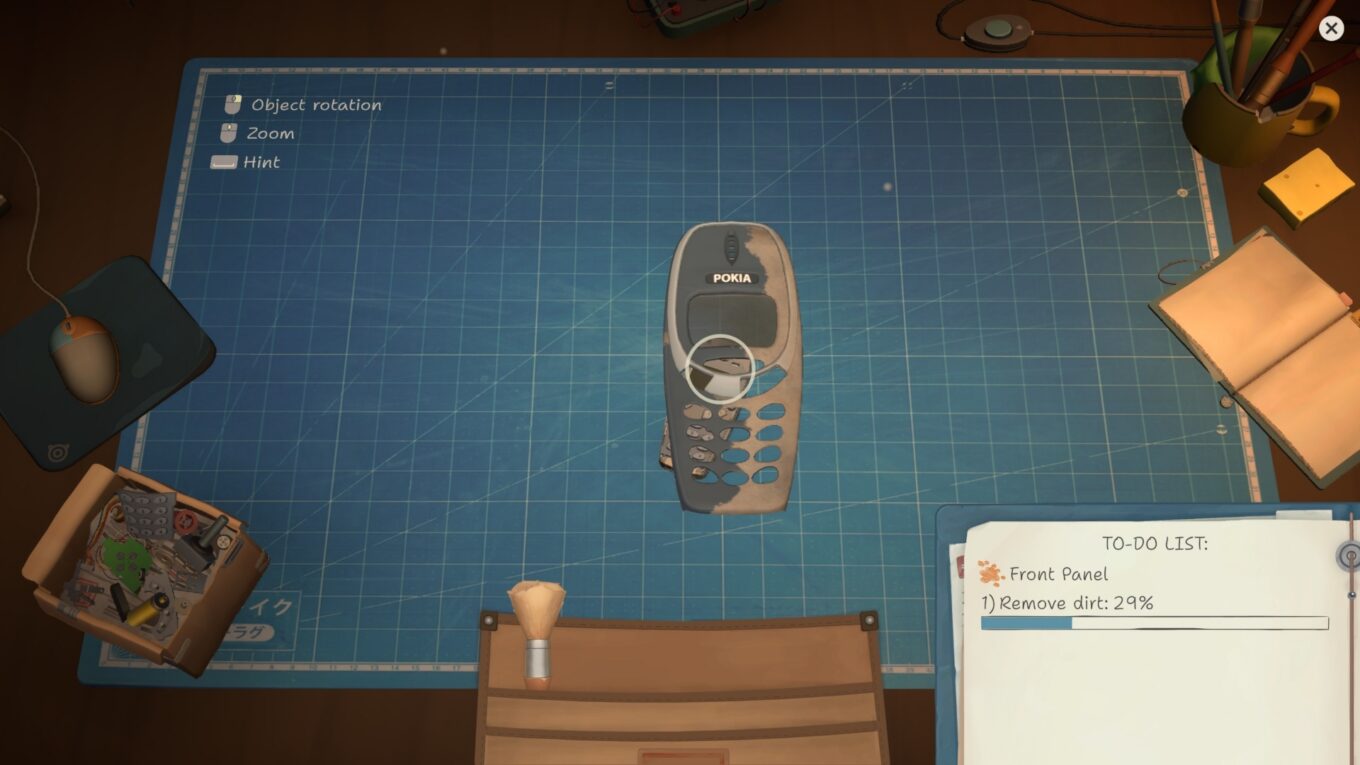
And it’s this little computer that was actually one of my favourite parts of ReStory. Aside from accepting orders over email, it also became a puppet in my storyline, a place to order parts I needed for repair, a marketplace to order whole devices, a way to buy new licenses and even buy new (and super helpful) tools for my shop. Just wait until you get your hands on an electromagnetic screwdriver, oh mama.
The marketplace acts as a clever parody of real-life sites where the ratings genuinely mean something to the outcome of the item you receive. One seller with a high-rating delivered me exactly what they had described. A lower-rated seller told me they’d only used their Polaloid once and left it in the box. I don’t want to call them a liar, but the entire casing was broken when it arrived, so consider that another one-star review.
Buying these devices as a whole though, is a risk worth taking, if you want to put the time in. Put it this way, you could spend a lot more on separate new parts than disassembling one and harvesting all its spare parts in a handy box next to my work area. Sometimes I’d sigh at the idea of breaking down another Nony PMP and order the parts. Sometimes, I’d do it for the greater good.

But there’s another thing I really enjoyed about the computer, and that’s being prompted to download useful software as you go. From a rating system to a hacker program, these extra mechanics add layers to the game that felt like I was truly running a business. And it’s also the way you get to use the hacker program in the game that got an unexpected chuckle out of me (or, that’s my niche sense of humour).
As I focused on answering to customers and unraveling a strange plot with twists, turns, and the mysterious Hashimoto’s men, it wasn’t until I finished the entire game that I realised how impactful my narrative choices were. Cross-referencing my outcome with the Steam achievements on offer, I can see now that it could’ve gone several ways and that, actually, I wasn’t particularly happy with what I’d chosen. Am I bothered enough to play it through all over again? I actually think I might be.