How rare to be delighted in modern gaming. Bombarded with thousands of releases a year, overwhelmed is a better word. In Toem 2, however, Something We Made not only offers a brief diversion of genial delight but invites us to step off that conveyor belt and focus on the meaningless for a moment in its photographic amble.
In the souk of towering 2026 releases, one of which looms painfully large on the near-horizon, it might be tempting to regard so short a game – Toem 2 weighs in at a preciously short four hours – as small fry; twee, even. In an industry that continues to laud overblown and unwieldy experiences under the misbegotten label of “cinematic,” however, it would be more appropriate to watch and learn as Toem 2 packs more life and feeling in slight yet effusive meander through small towns.
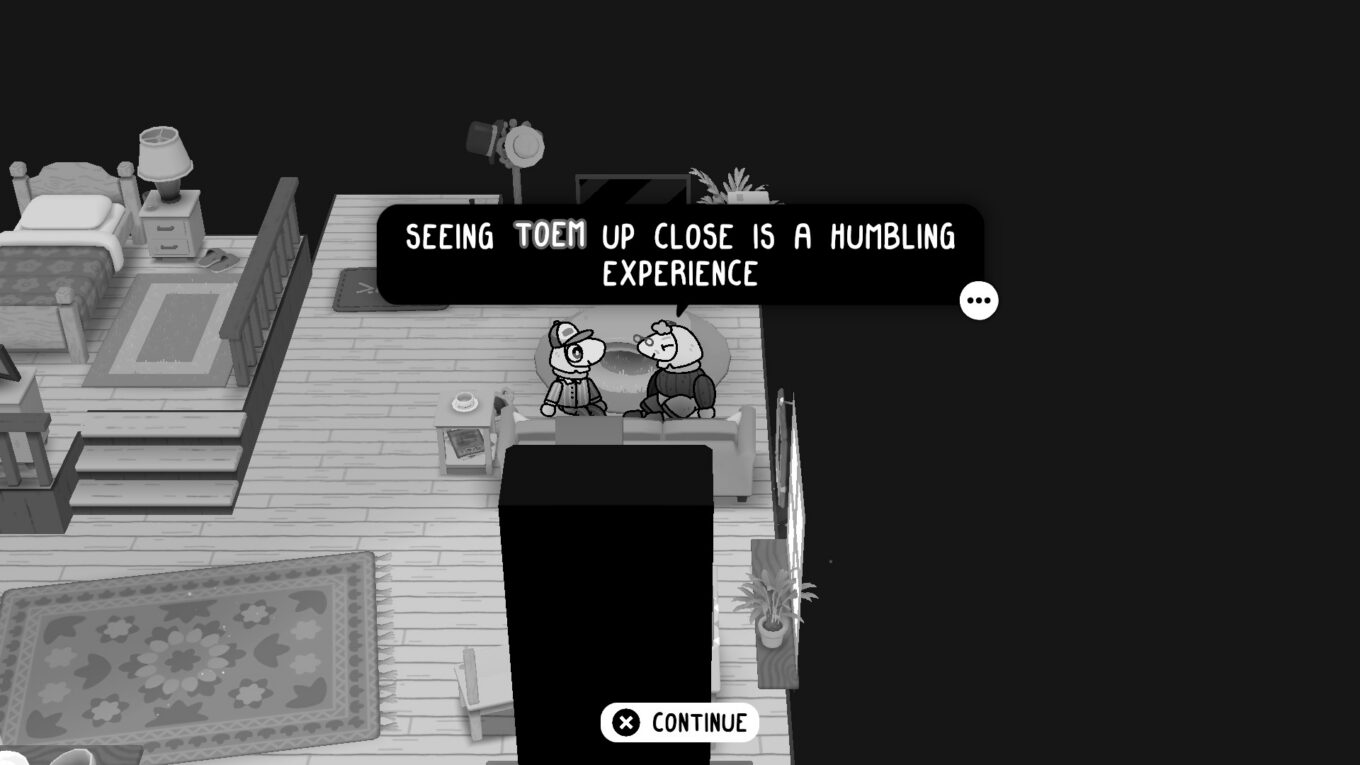
The eventual destination of that path is Whirlhill: where many already gather to experience “toem”. Its predecessor cast this as a coming-of-age journey to witness, and photograph, an aurora. Toem was far from Calvinistic about its destination, but, rendered in cutout black-and-white that speaks more of a travelling sketchbook than a photo album, Toem 2 sees you travel through a more communal and existentially robust world. One in which “toem” comes in many more forms: in spectacle, yes, but also in small interactions, budding friendships, and a wealth of everyday minutiae.
Perhaps that’s a matter of timing. Toem appeared as we tumbled out of COVID lockdowns in 2021, inviting us to explore the outside world as our increasingly interior lives became more dangerous. Toem 2 feels more like a concentrated plea to come together, in a world – and particularly a gaming industry – that is increasingly fractured. A plea that begins in bed.
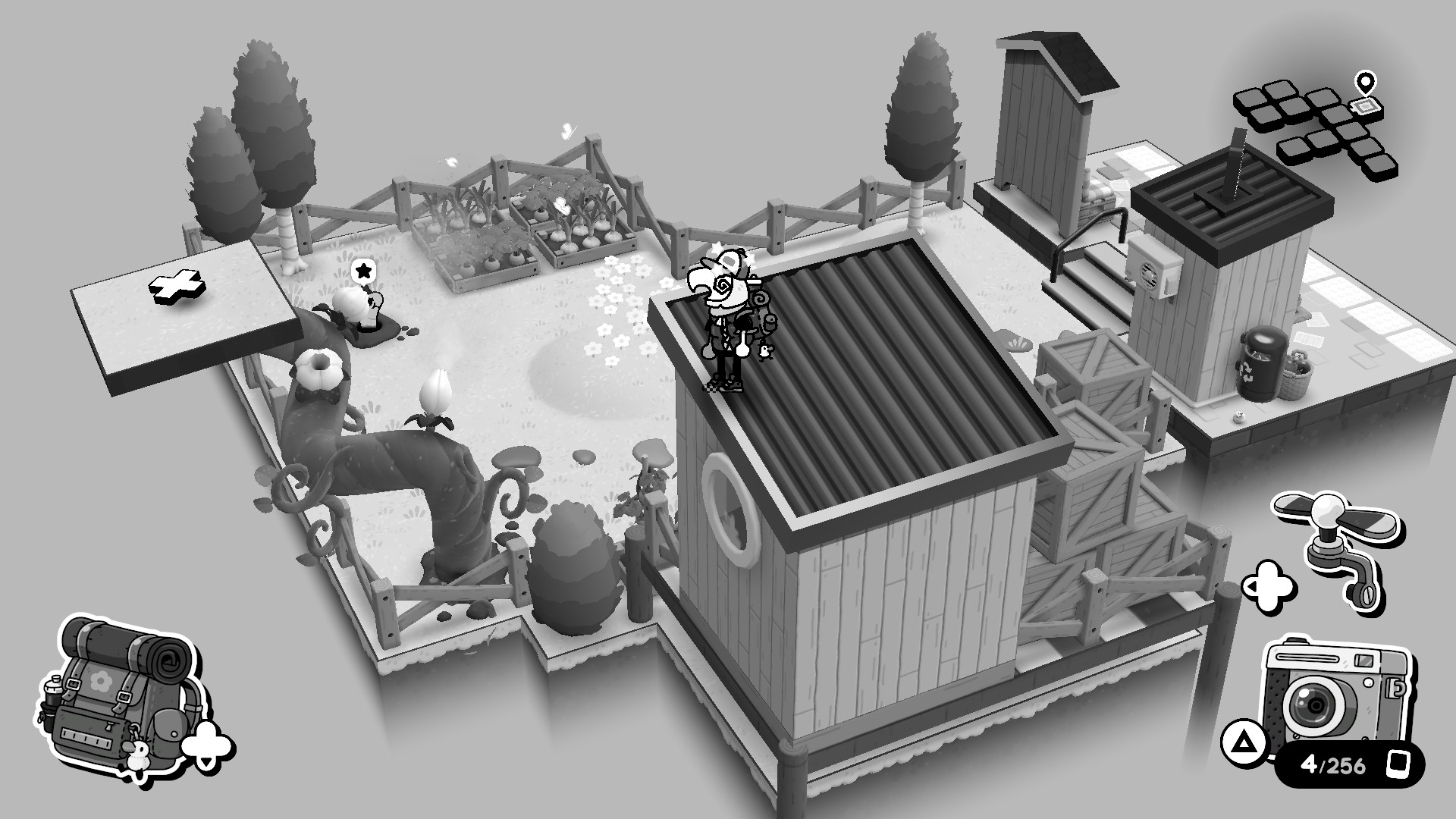
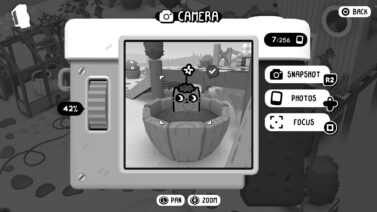
Your grandmother bids you get up and watch a news item about Whirlhill and the festival that surrounds its blooming blossoms. It’s a sight to behold. Or, it would be if the TV wasn’t acting up. She sends you to the roof to give the antenna a good kick. In the process of which we’re introduced to the refinements of Toem 2.
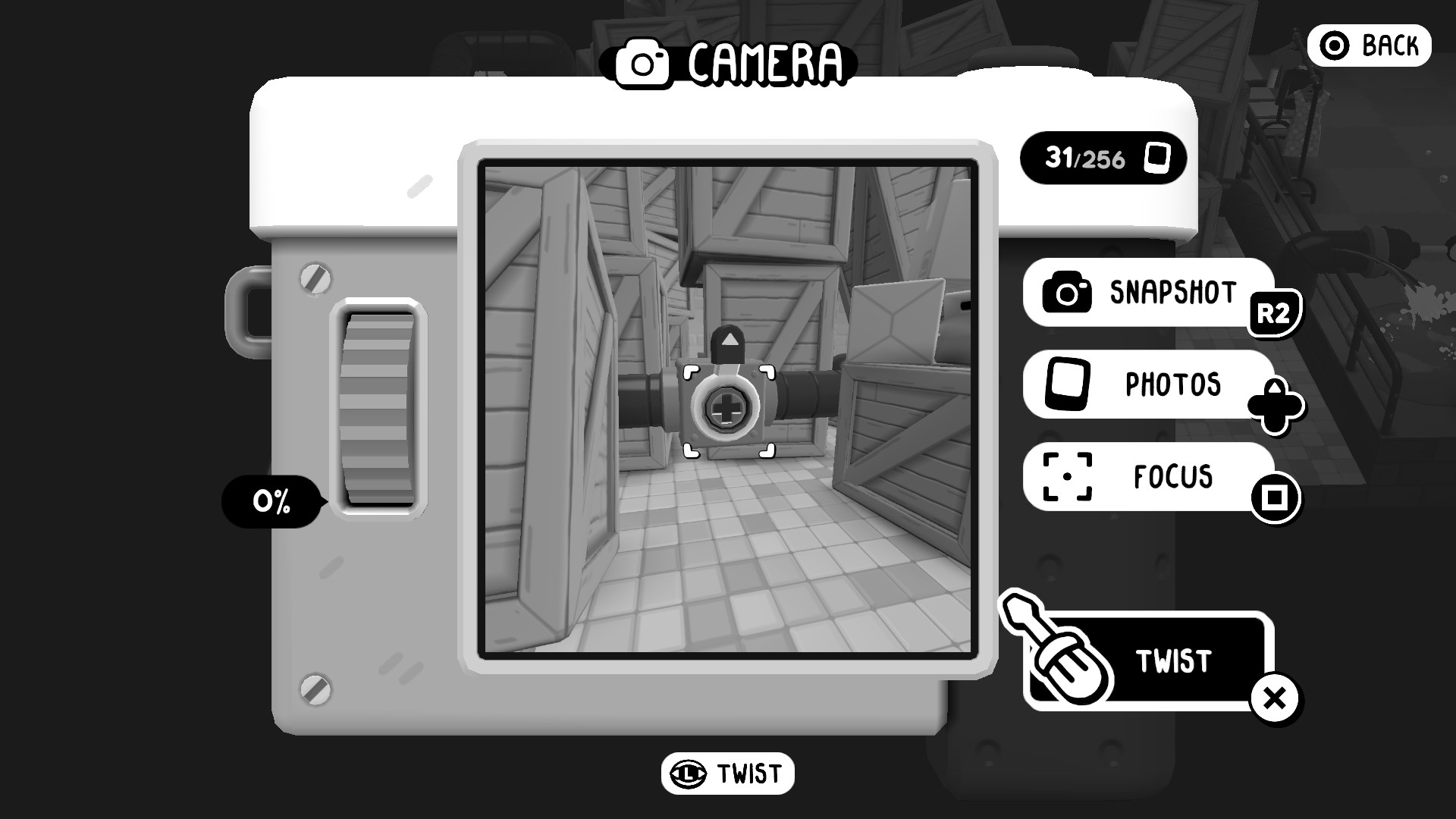
None are major changes. Your jump feels more propulsive and airy than its former hop. The viewing screen of your camera is more open, with your image uncrowded by the buttons and menus of 2021. Through that lens, people are more dynamic, reacting to your attention. You can react with them, too, as you strike poses in selfies. It’s less a leap in scope than a careful increase in character. Toem 2 has a formula and wisely sticks to it.
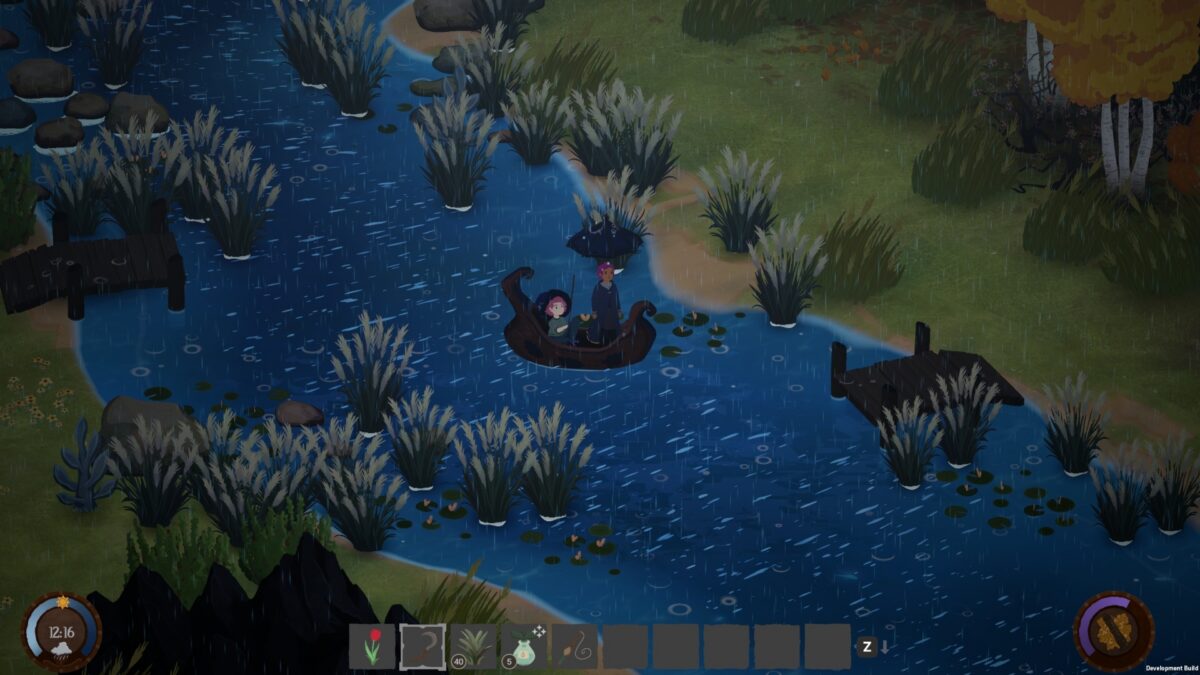
The TV fixed and neighbours visited, you set out for Cropton. Each of your destinations has a loose theme, mingling magic and absurdity – and supported by an unobtrusive soundtrack by Launachable Socks and Jamal Green that chimes with quiet strokes of a piano. Cropton is a series of interconnected fields, populated by farm animals, humans, and more curious mixtures of the two (the latter category including you, a vaguely Moomin-shaped creature).
Later comes Taletorp, which reads like a medieval RPG, and Deltburg with its quiet bustle that feels like a more serene version of Toem’s Logcity. Largely, your goals remain the same: meet residents and help them, often using photography. Doing so fills your logbook with stamps which double as currency for tickets to your next destination. Along the way, you can document the fauna of each locale.
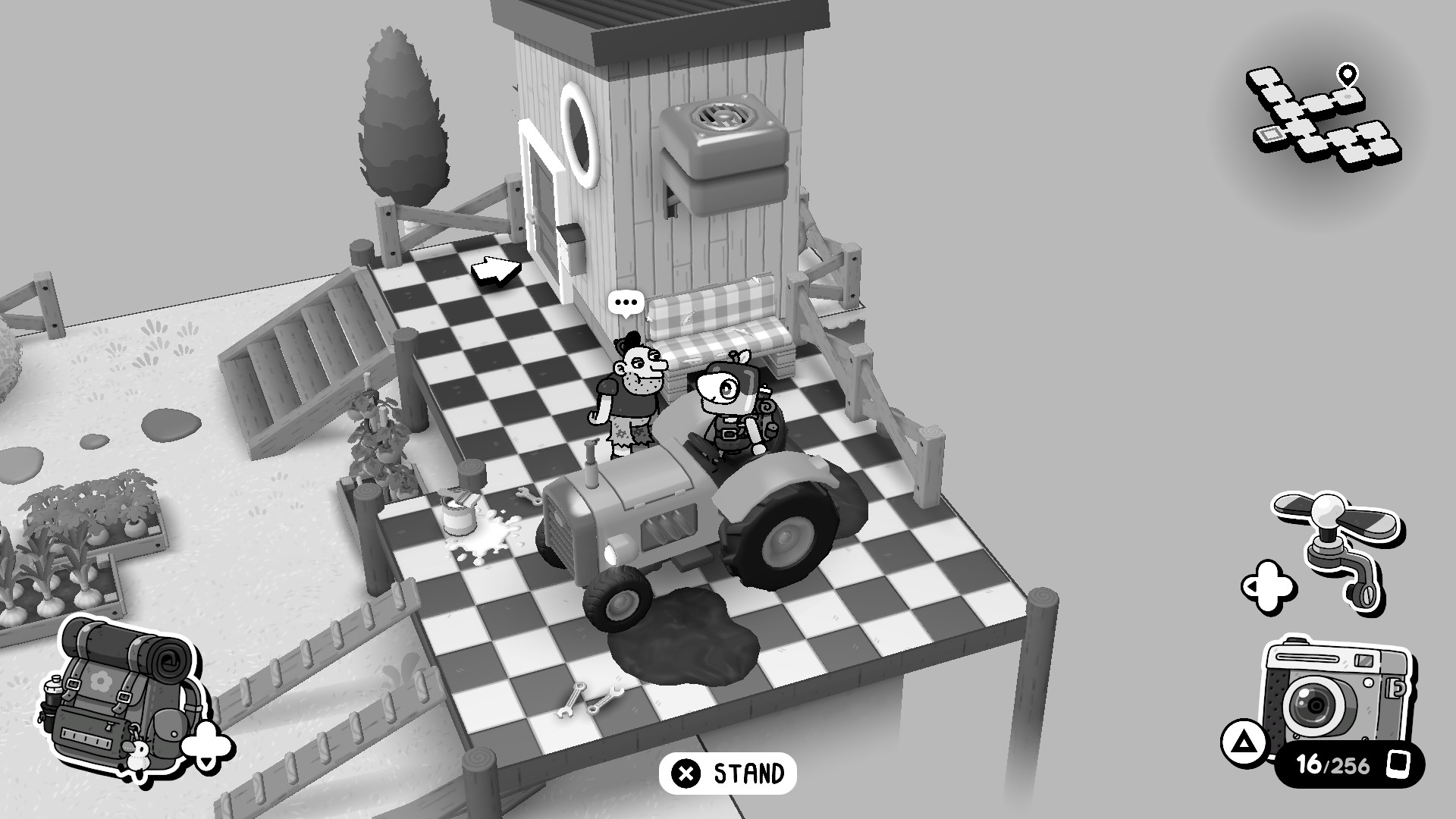
That visual collectathon is complimented by a string of outfits to find (most locked behind gentle platforming) and returning photo challenges, to offer variation in Toem 2’s diversions. Though, this time you will also use your camera to more directly influence the world.
The first resident of each locale greets you with more profound problems than the robot who needs reminding what a bicycle looks like or someone with buyer’s remorse over an invisibility potion. Overwhelmed, they throw you a tool and ask that you help solve repeating issues across their towns. In Cropton, you’ll be pruning rampant vines. Elsewhere, a beleaguered plumber needs you to unscrew valves before water pressure wrecks the streets and, though we don’t care for him, Gob asks that you beat things with a hammer with enough gusto to convince the blacksmith he’s ready to become an apprentice.
If Toem occasionally left us stranded on one side of the camera, its sequel – gentle, clothed in magical absurdity – invites us to hang out: to eavesdrop on other lives, drop into the image we take of them, and make their worlds a little less monochrome.
That makes it far more difficult to dismiss Toem 2 as cosy or cute, despite its cartoonish presentation. It is those things (and I’m sure, from a marketing standpoint, will take advantage of those categories). But it’s remarkable how vividly Toem 2 captures the sensation of creating a paper trail through a journey. Anyone who has visited the struggling towns that trace the British coast – of which there are certainly analogues everywhere – with their peeling paint and salt-bleached facades, will understand the sensation of exploring a town like Deltburg. If you’ve photographed your way across a holiday, you’ll see those images reflected back in Toem 2’s photo album.
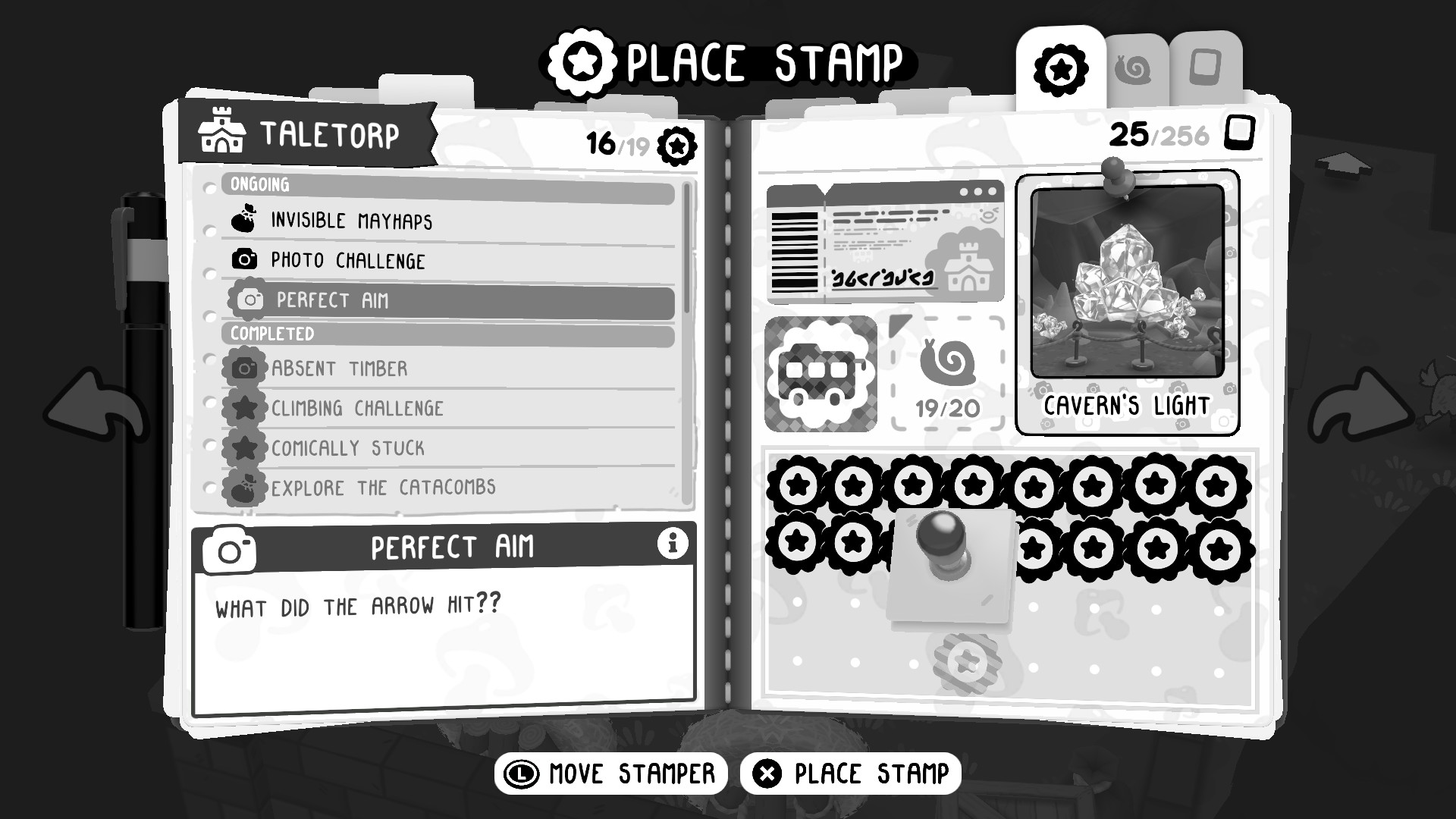
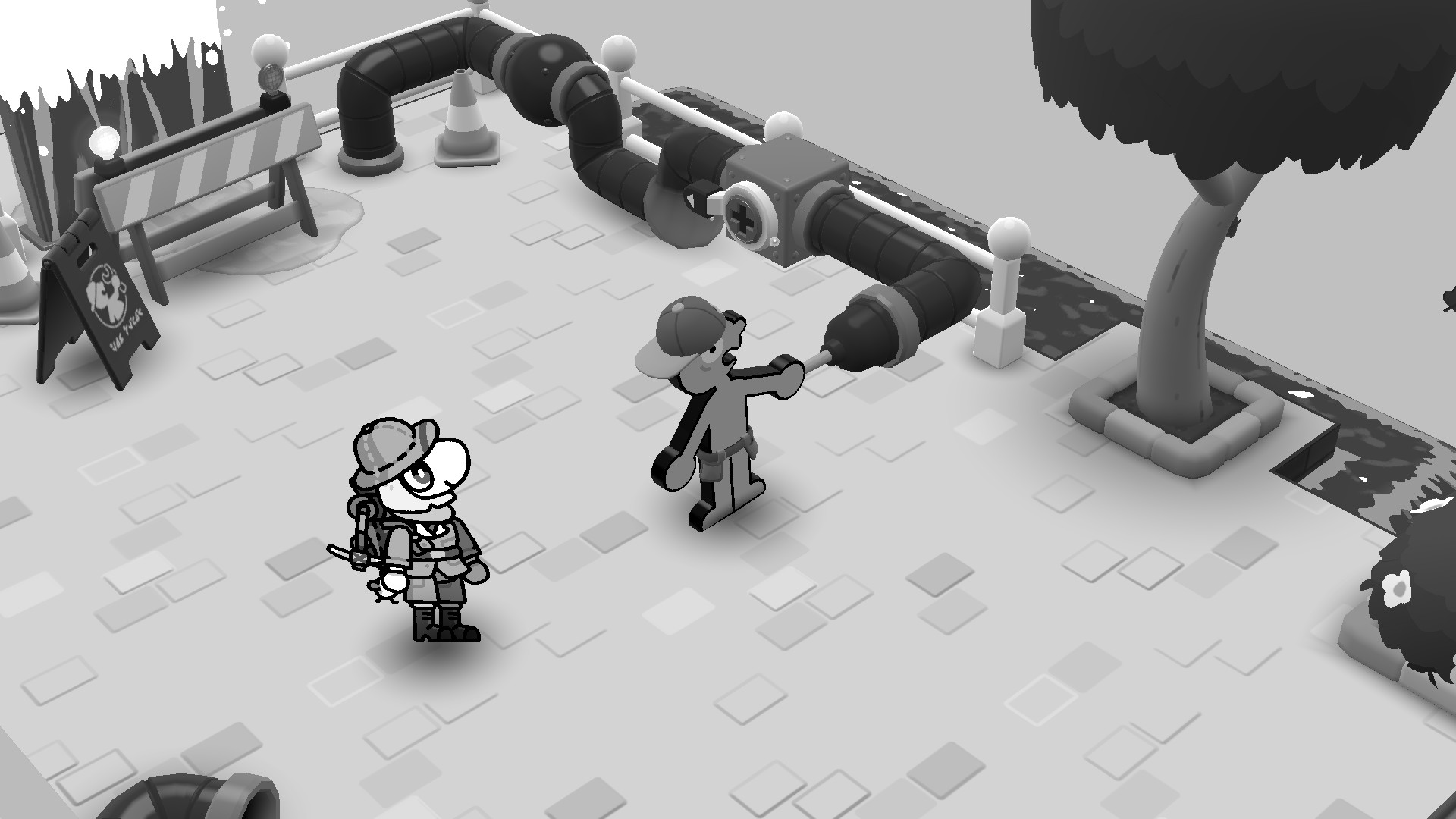
An album you should fill to the brim. You can utilise the game’s focus mechanic, which allows you to home in on a subject and can yield fun results in certain situations. But joy comes from streams of candid shots: the rapid snaps that reveal surprising backgrounds and unintentional angles. Toem 2 isn’t always as detailed as that, but it’s startling how much character there is to see as you wander the greenhouses of Cropton or catalogue Taletorp’s tavern.
In the tight confines of these dioramic worlds, separated in a series of isolated platforms, Something We Made delivers a curious amount of freedom and room to explore beyond the limitations the game’s to-do lists suggest. Indeed, I found most joy in visually collecting the incidental objects scattered around; in stray posters, unintended scenes, and tapping feet. Some photos for tasks, others taken on a whim.
That’s not to say Toem 2 is completely devoid of frustration. Small as its areas are, remembering the location of certain quest givers can be difficult and there are times when the monochrome palette blinds you to the obvious when hunting critters. The miniscule runtime of Toem 2 can magnify these sparse obstructions. But they’re also readily offset by the game’s charm and confidence in its contained, yet digressive, loop.
A loop that evokes sensations so familiar even if we’ve not experienced them. That’s a rare quality: to conjure a desire for something that does not and probably cannot exist; not poignant sadness but an indolent dreaming wistfulness. The only other media I can remember evoking such a sense for me are Persona 5, Hirokazu Kore-eda’s The Makanai, and a handful of South Korean TV shows. That’s vaunted company.
More striking: the first thing I did upon completing Toem 2 was go for a walk in the woods. Granted, my relationship with its critters was not so harmonious, having been immediately stung by a wasp. But for a game to not only invoke so strong a sense of longing but turn that into real action is even more exceptional.
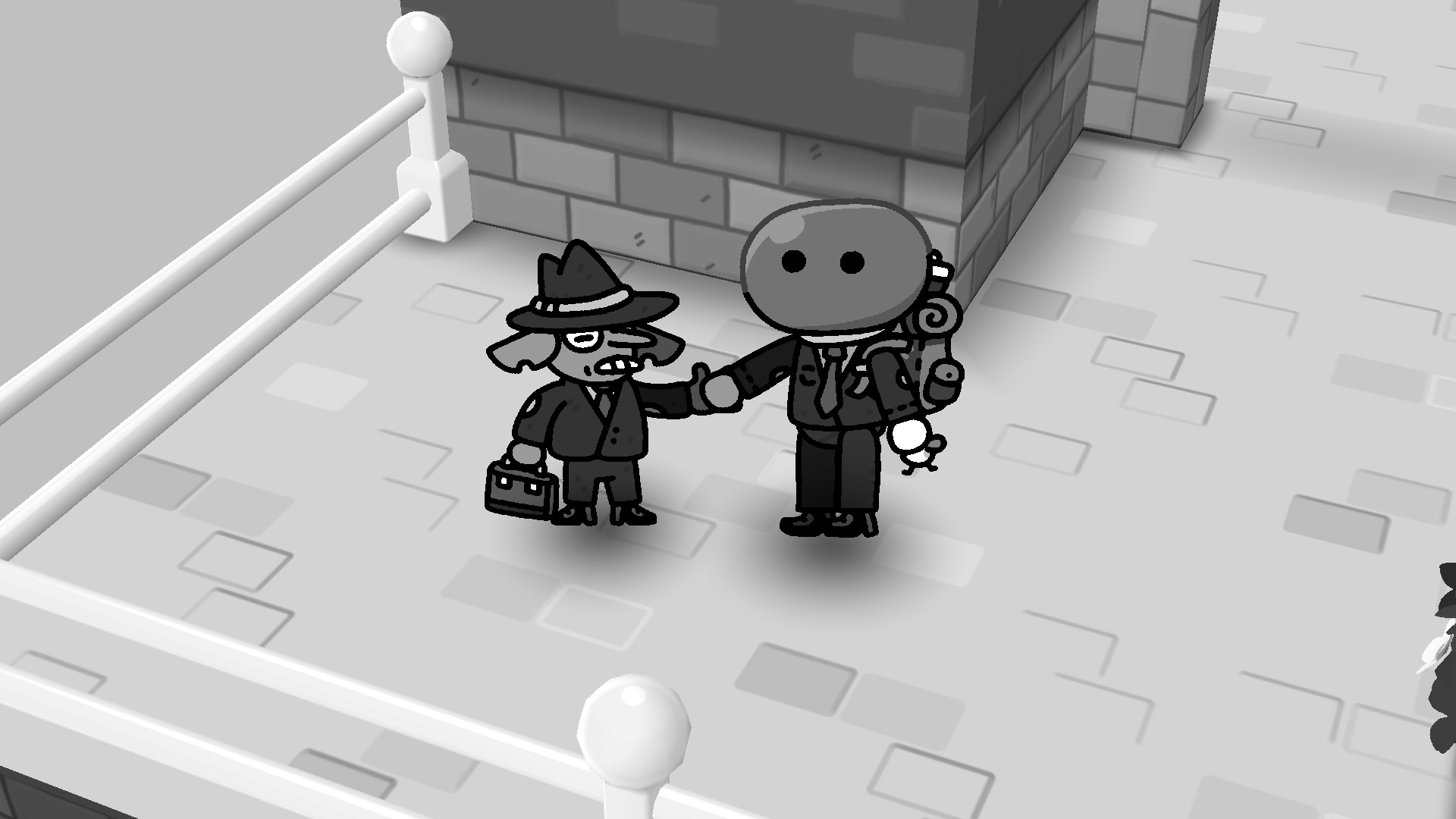
In large part, that’s because, black-and-white as Toem 2 is, it’s not sparing with colour. Certainly, its final spectacle drives that home. But it’s there from the start. An early encounter asks, “Have you ever watched the clouds?” Of course we have. Who hasn’t? But when was the last time you stopped and did just that? Why not, Toem 2 asks repeatedly yet gently, pause, take a breath, and take a look around for once? You might be surprised by what you see.