Does anybody truly live without an innate fear of the deep sea? If you can sit on a long haul flight, watching the plane move across thousands of miles of ocean on the flight progress display without considering the unknowable depths and the razor-sharp teeth below you, you’re a braver soul than I. Taking our own world’s most alien environment, the deep sea, and using it as the basis for a sci-si survival title was Subnautica’s great trick, and as this sequel enters Early Access, it’s clear that the setting has plenty more to give.
Did you play the original? If so, you’ll remember the satisfaction of building a habitable array of tunnels and rooms down in the inhospitable darkness, gradually forming one small speck of comfort and familiarity in an infinite void of uncaring predation. If not, well, that’s what you did in the original Subnautica.
And you did it alone. Not so this time: up to four of you can play together, and that changes the atmosphere a bit. It’s still oppressive and tense, but you’re also reacting to your mates messing about in between Lovecraftian horror hits. Cleverly, the game makes room for the co-op – it feels more freeform than its predecessor and always waits an extra beat before giving you the next objective or story beat.
There was some light-touch storytelling in the original too, generally told via environmental cues that revealed snippets about the place and the characters who’d been before you. The biggest change in this sequel – at least so far, in this early Early Access incarnation of it – is that the storytelling feels like much more of a point of emphasis now. You’re crafting and building to keep yourself alive for long enough to reach the next story beat this time, rather than happening upon narrative info incidentally on your quest for continued survival.
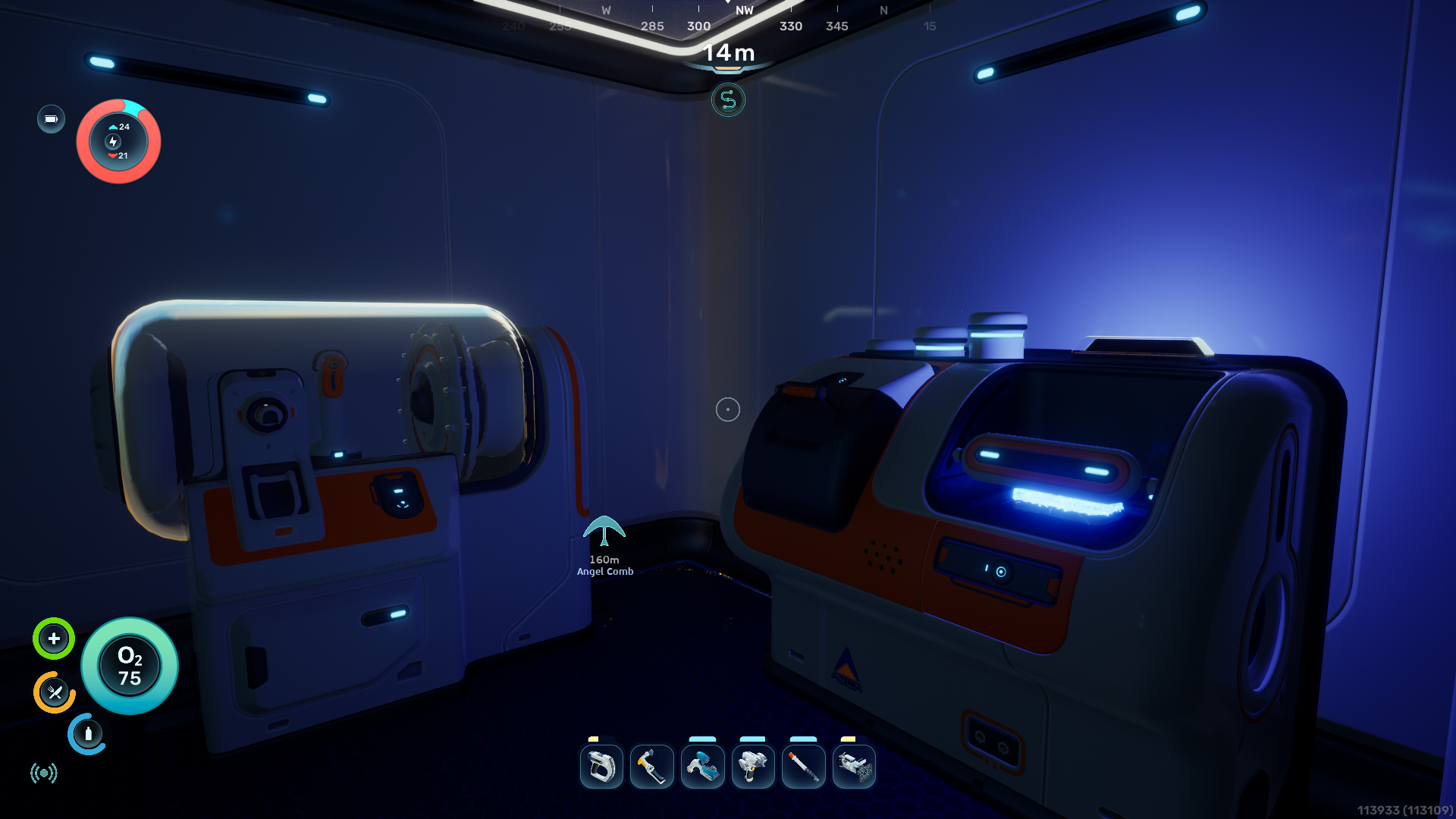
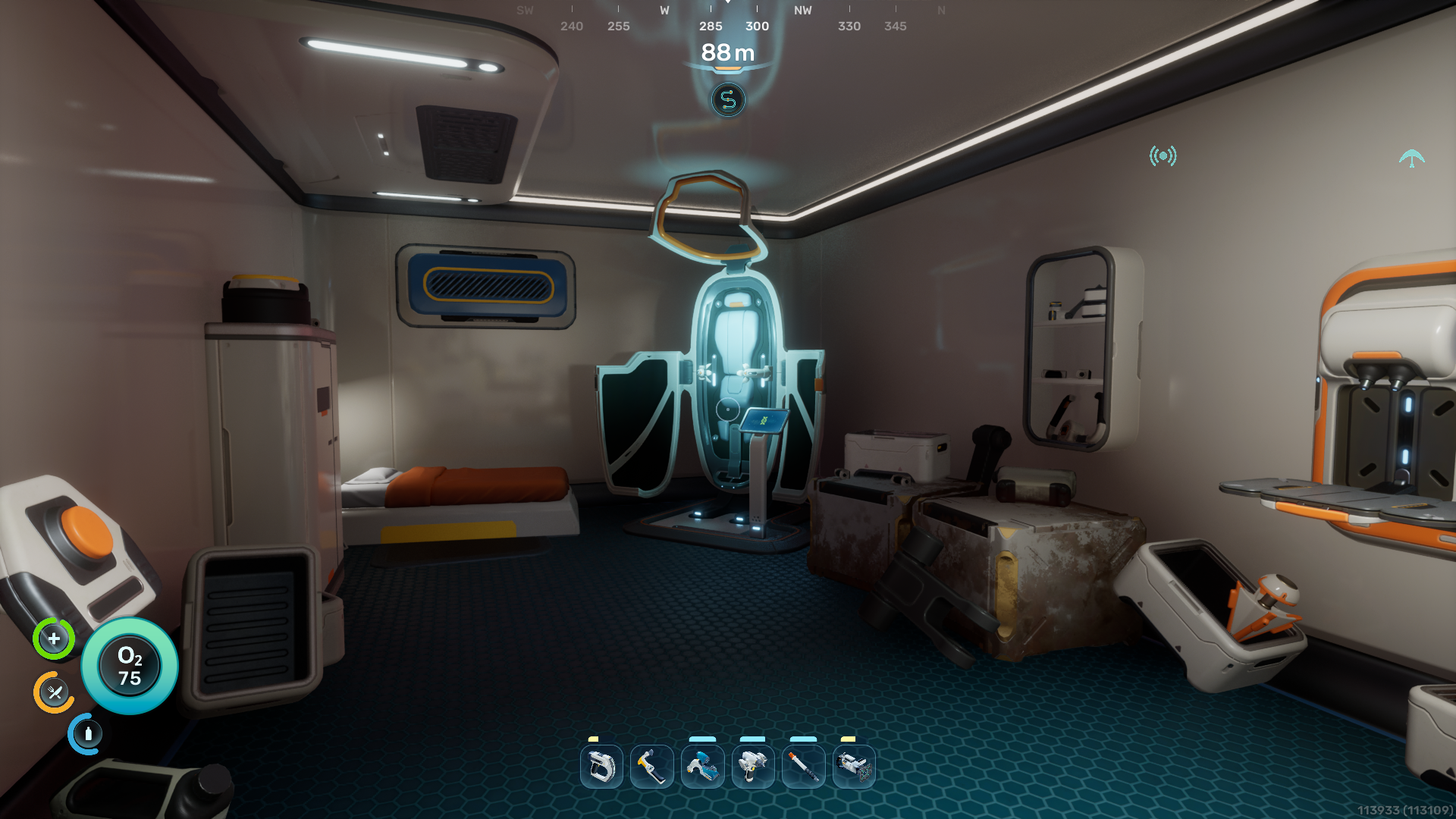
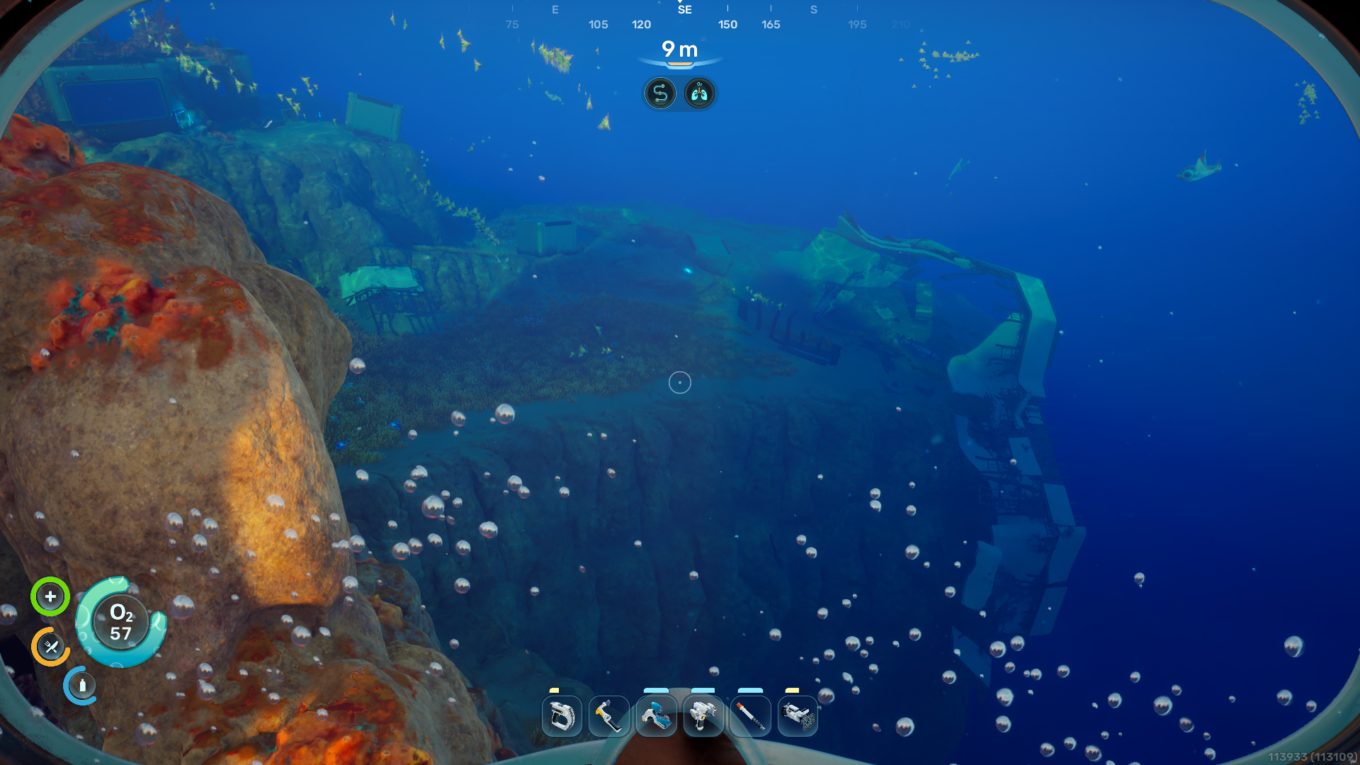
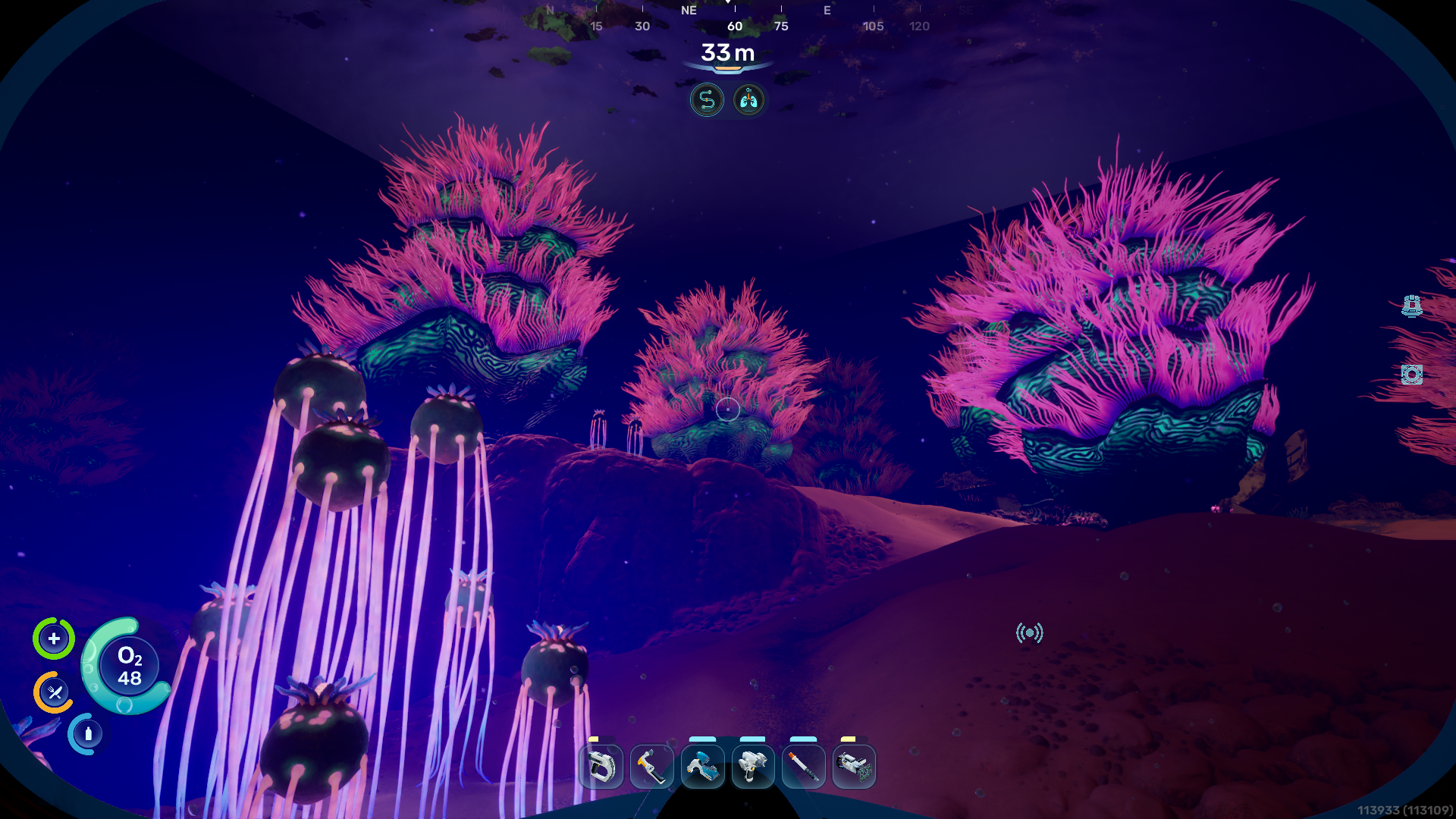
It’s the sea, but not as you know it. Crash-landing into an alien planet which appears to be exclusively aquatic, you’re guided through the earliest steps of survival by an AI called NOA who’s definitely watched 2001: A Space Odyssey. Within the ocean is an ecosystem of fascinating oddities, both flora and fauna, and, most importantly for you, a bunch of crafting materials too.
So you gather them, and you use them to craft items that make life a little easier, and further exploration a little less likely to result in your, ahem, reprinting. Much like 2015’s criminally underrated SOMA, a key theme here is that when you die, you’re cloned and brought back in material form to the nearest reprinting station. The short-term injuries which did for you are gone, but you’re not quite good as new. This planet has a lot of heavy metals in its water, and a virus spreading across its lifeforms. Exposure to both those perils is not wiped away when you reprint.
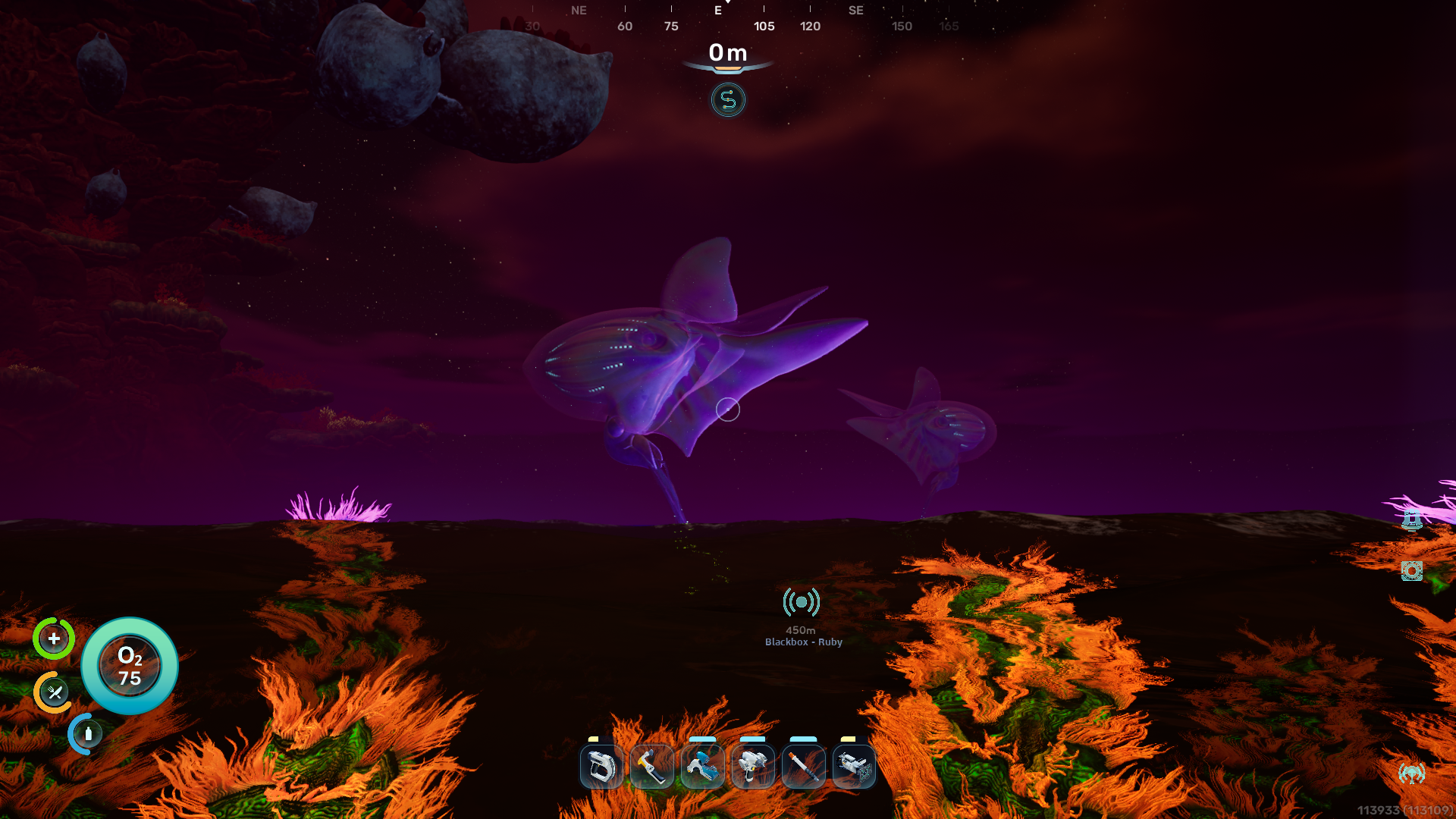
You learn this by uncovering the voice logs and black boxes of other colonists who found their way onto this planet before you. It’s your classic System Shock storytelling – tracking a signal to a scene that depicts the particulars of someone’s demise, and piecing together the sequence of events from voice logs they left behind, often being rewarded for your investigation by being given a new bit of tech to scan and fabricate back at your base, or a persistent character upgrade. You obtain these by sticking your hand in a big pink flower-like organism that alters your DNA.
And that’s the Subnautica 2 gameplay loop. Not wildly different to that of rival survival big hitters like Ark or Grounded 2, but exhilarating in its specifics. Going deeper into the ocean is an inherent thrill, and here that thrill’s amplified by the fact the ecosystem’s so strange, beautiful and luminescent. Even if you’re not moved by collecting copper and titanium to build corridors or processors, you can enjoy the place.
Mechanically, the crafting and survival elements here haven’t changed much since the first game, although in this tantalisingly meagre slice of what the game will become, there’s still a lot to be added. What has changed is the pacing of those elements, which are now a bit more forgiving. A lot of the resources you’ll gather from the ocean floor and its eldritch population serve multiple purposes, and that leads to fewer ‘one resource short’ situations that prompt you to go back out foraging instead of furthering the game along in a more direct way. If you’re from the Dean ‘Rocket’ Hall school of survival games and can’t enjoy yourself unless you’ve got constant hypothermia, Subnautica 2’s systems might feel overly lenient. For non-masochists, it’s well paced and lets the game’s narrative keep a sense of momentum, while letting you feel like you earned the next instalment of it.
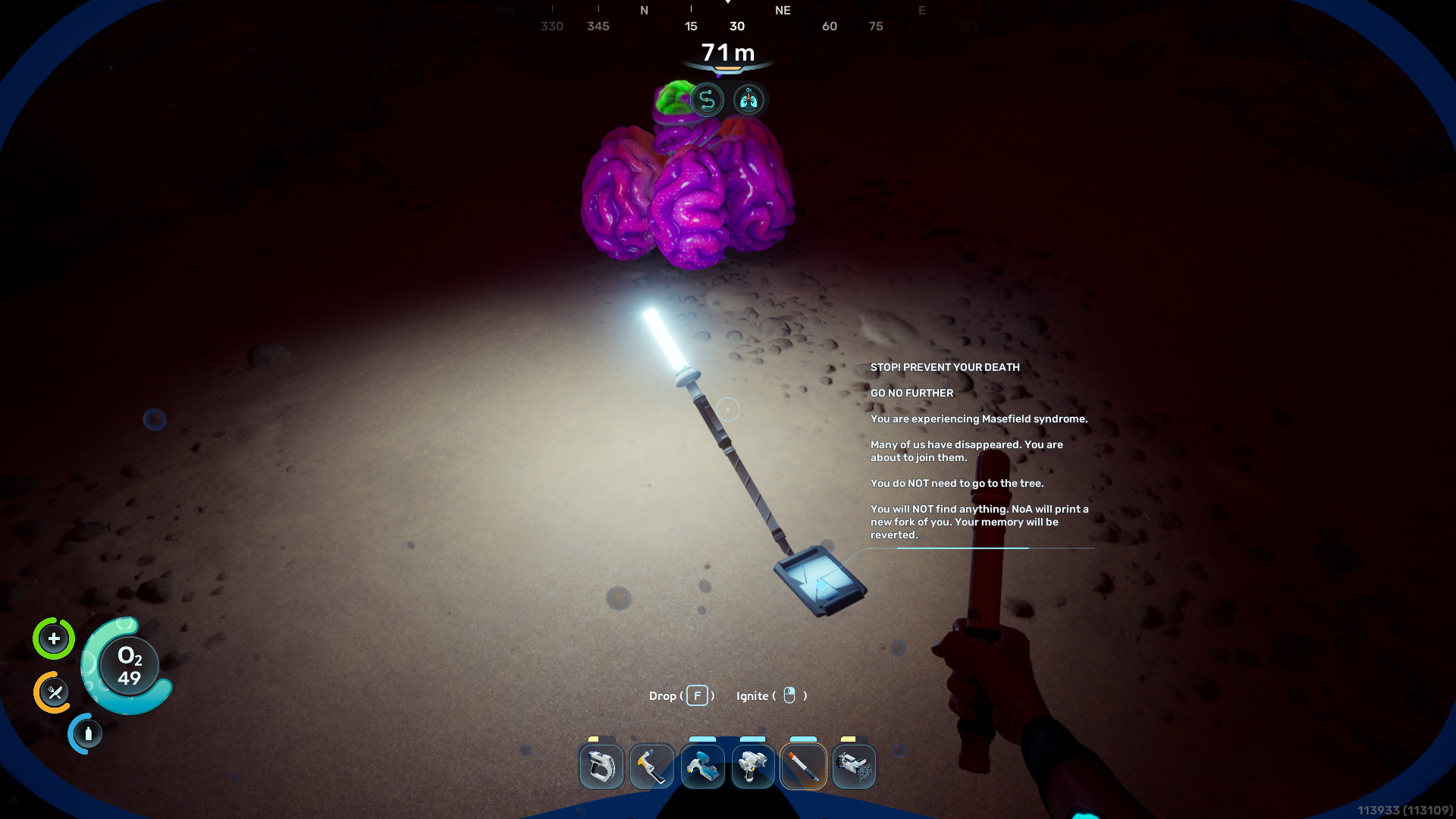
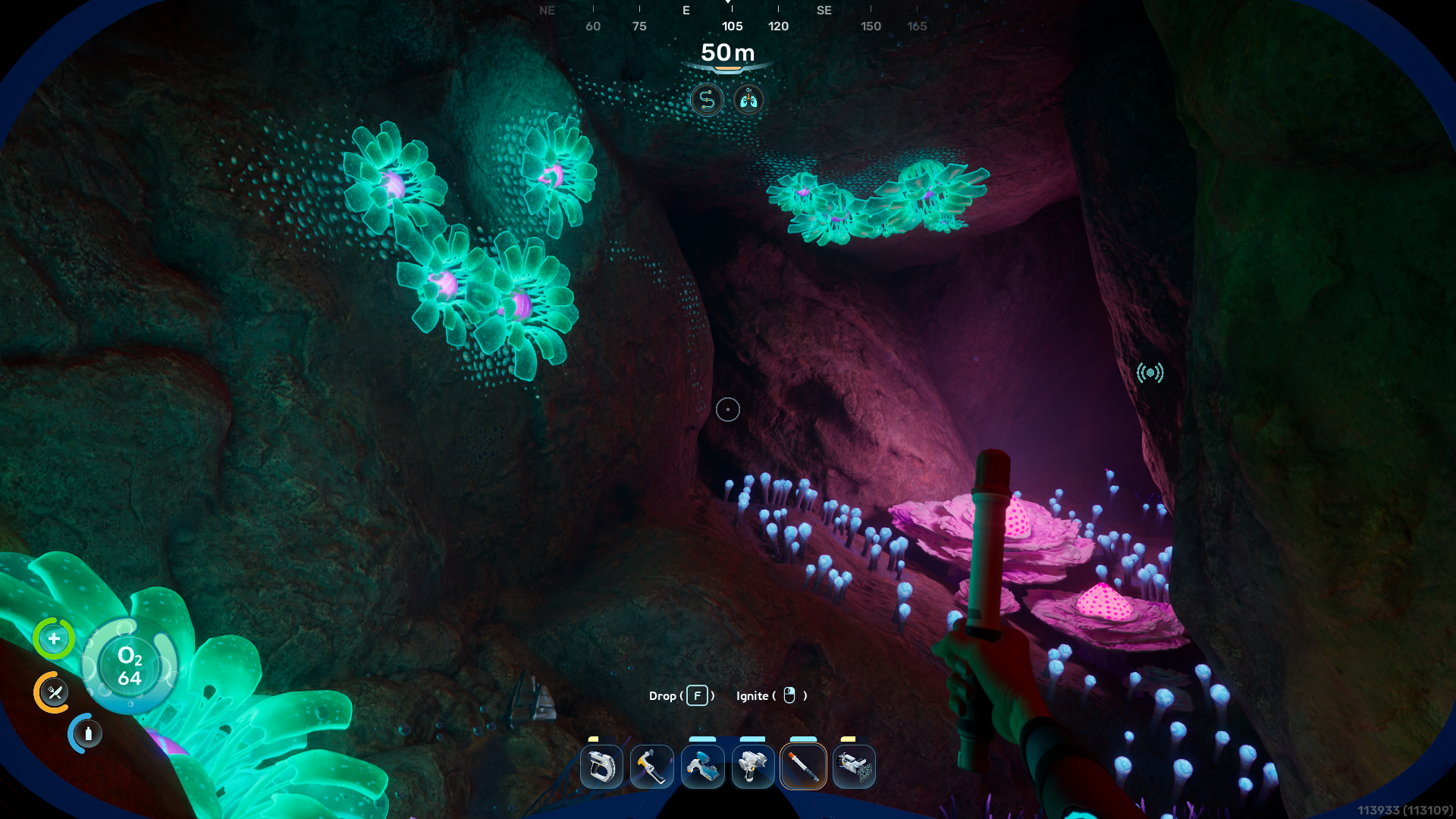
Like the rest of the game, the narrative is hard to appraise right now because it’s such a slender slice of game. What I can say with confidence is that the uncaring tone and confident, light touch exposition land well. And it has to be told in that way, because the other great big headline feature in this game is co-op. Co-op and cutscenes don’t work. You need to leave space for players to react, share those reactions with each other, and simply talk over major plot points if they wish. This game does exactly that. Of course that does mean you can miss things if you’re not paying attention. My advice: pay attention.
The comparisons my mind keeps drawing to the aforementioned SOMA are a good thing – Frictional Games’ underwater sci-fi piece is a genuine masterwork and even if Subnautica 2 comes nowhere close to it (or the real story of Subnautica 2’s development, seriously, google it), that still leaves a lot of room for ‘very good’. So far it’s hitting similar beats: making you question who to trust, question the safety of your resurrection mechanic, question the mission you’re on and the fate of those who came before you. And you’re asking yourself these questions in the murky depths of an alien ocean. It’s effective.
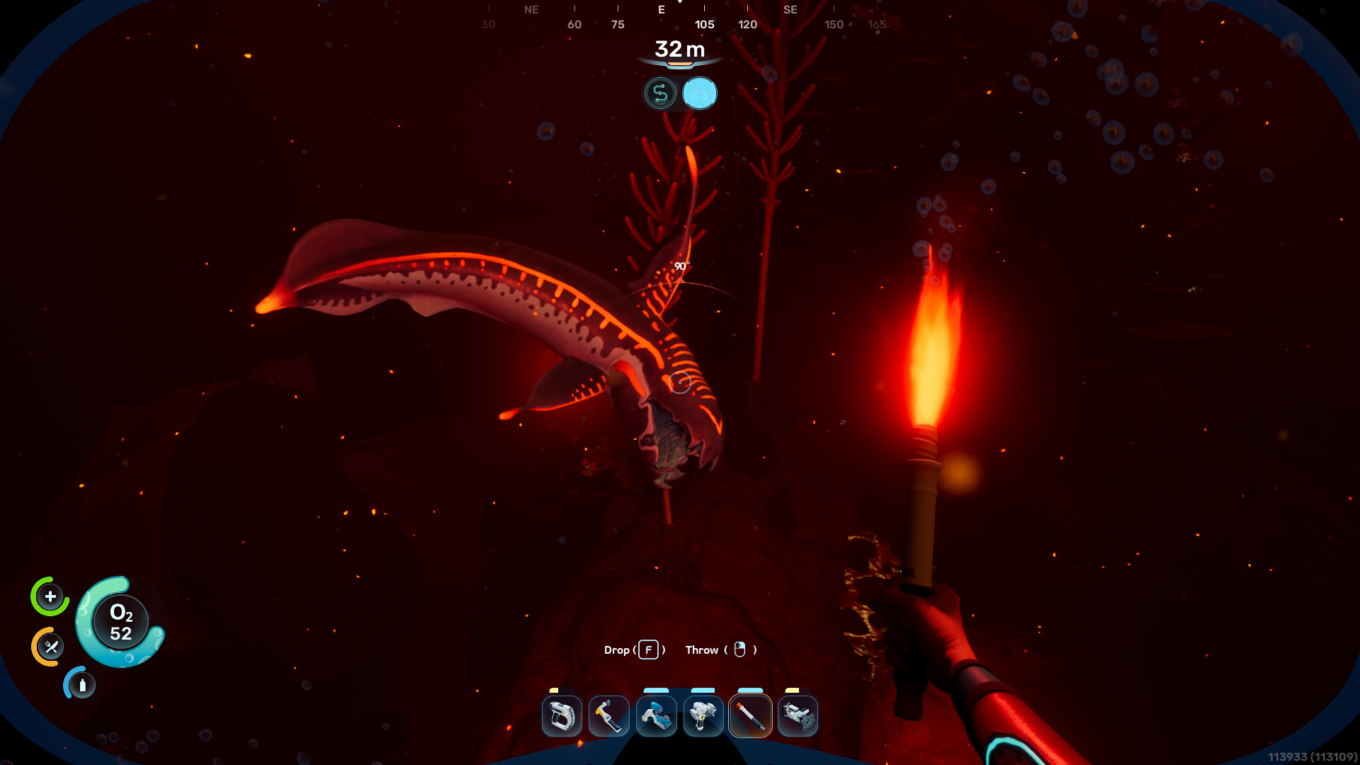
Problems: primarily, it’s the predators. The sea’s full of things that want to harm you, and you don’t have any way to fight back directly with them. Instead, your best option when an angry alien fish sets its sights on you is to light a distraction flare and throw it off in another direction than you intend to travel. That’s fine, but it gets repetitive. And as far as I’ve found, it’s really your only line of defense against the fishies. For an interaction type that happens so frequently, it’s frustrating that you have to keep doing the same rote response.
The world map is prohibitively small at the moment. Not so small that it can’t serve the gameplay that’s on offer in this build, but small enough to diminish your sense of wonder and remind you that you’re in a game map with giant red barriers at its outer limits, not in an alien world. And after a few hours, you do run out of stuff to do. About five or six hours, in my particular case, although I did spend a lot of time backtracking to black boxes I thought I’d resolved, only to later realise there was much more at each site than I’d actually picked up, scanned, or uncovered.

The current pricing is just north of reasonable, with those issues in mind. In a few updates time it’ll be well worth it, and the developer has already released a statement to acknowledge that something needs rebalancing with predator interactions. But right now, it’s the kind of Early Access release that makes you wish you waited a few months before plunging into, because this is undoubtedly a genre-leading survival title in the making.
A thrilling world to explore, but one that feels slightly too meagre in this first Early Access build. Predator encounters leave you wishing for more ways to counter them, but the storytelling and the beauty of the world itself are the foundations of a classic.