Imagine that you’re at a museum. There’s a new exhibition on that has been lovingly curated, to the point that the entire space has been made thematically accurate – even the toilets. It’s an outstanding achievement, and you can tell immediately that the organisers care as much about the subject matter as you do. Or did. The problem is that all of the interactive exhibits are about times in your past that you experienced pain.
There’s one where you wander barefoot through an ambiently lit space, carpeted with mousetraps. Another sports only discarded Lego pieces and upturned plugs. A third lets you queue up for needless (but, crucially, not needleless) injections, while the busiest room is populated with mallet-wielding gallery assistants who’ve been specifically instructed to target funny bones. You conclude that the work definitely says something important about what it is to be human, but having popped your head into a few of the exhibits, you become increasingly less certain that you want to see everything the show has to offer.
This is what it’s like to play Alien Breed 35th Anniversary Collection. Don’t get me wrong, developer Antstream is not at fault here. This is a reverent compilation, stuffed with fan service, archival history, and thoughtful quality-of-life enhancements. But the Alien Breed series’ often sociopathic disregard for difficulty curves, pacing, or balance has not aged well. It’s fun to learn about these exhibits, certainly, but to experience them again? I’m less convinced.
I say this with a heavy heart as I grew up with an Amiga 500 and the first Alien Breed was a nutritious part of my balanced gaming diet. But while it was celebrated at the time (1992, if you’re asking) for its exceptional visuals, audio, and atmosphere, contemporary critics were vocal about the game’s brutal difficulty, which saw you juggling keys (every door requires one) with the Sisyphean task of mowing down relentless spawning aliens while locating enough ammo to do so. Built for joysticks, it also required you to walk straight towards danger in order to shoot at it, leaving you vulnerable whenever you’re forced to move back.
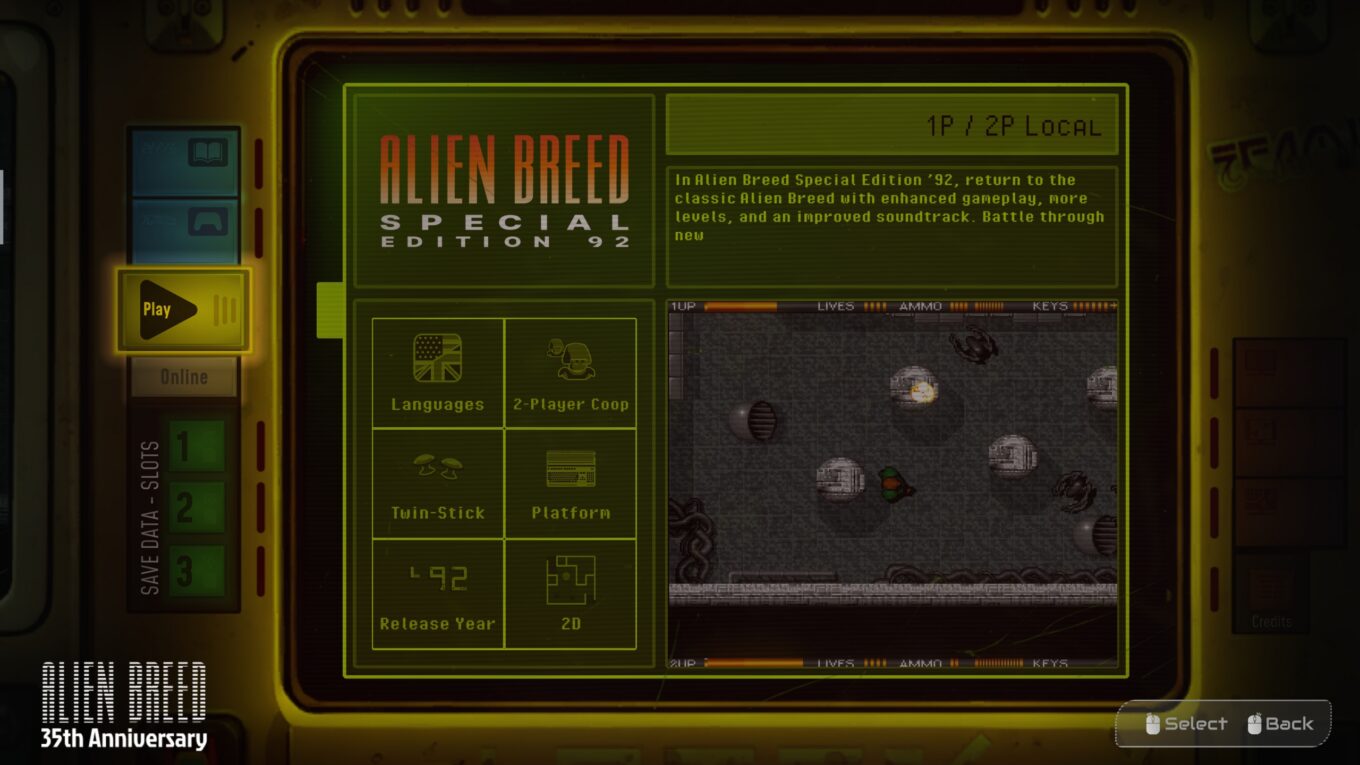
The game was so hard, in fact, that Team17, responding to reviews and player feedback, put out a reduced-price budget edition later the same year. Alien Breed Special Edition refined the difficulty curve, reduced the potential for soft locking (in the first game, it was very easy to run out of keys and not be able to progress), and added more levels. But the walking and shooting problem wasn’t addressed until the fourth game, Alien Breed: Tower Assault, which added a ‘retreat’ mode that allowed you to fire in the opposite direction while walking backwards.

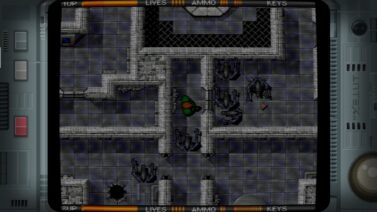
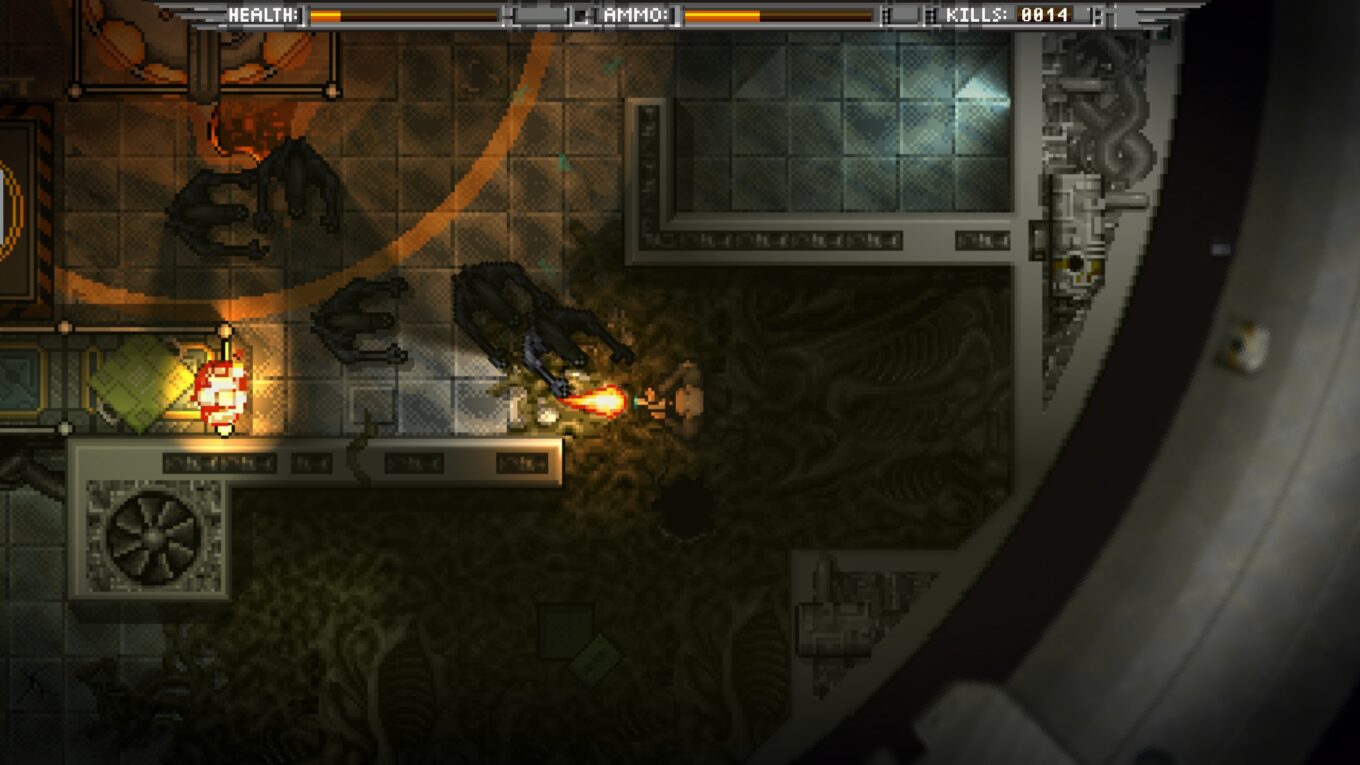
Antstream has compassionately retrofitted that mode onto every 2D game in this collection, but has also gone further and added true twin stick controls. You can save whenever you like, too. Tweaks like this make dealing with the swarms of enemies more manageable, certainly, but no less unforgiving. And nothing can make the absurdly ferocious opening level of Alien Breed II, in which you must first avoid dozens of fast-moving automated attack helicopters and falling meteorites before entering tight corridors filled with highly aggressive aliens, any more palatable.
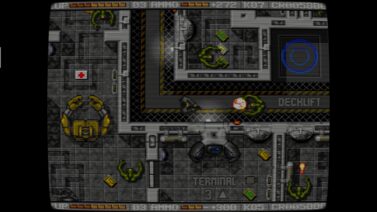

These games are of their time, and received deserved plaudits on release, but the refinements and design sophistication we’ve become used to (think of more recent top-down shooters such as Nex Machina, which dials up the difficulty without ever feeling unfair) make it difficult to swallow the rough edges – no matter how much nostalgia-borne love you have for them. That said, Tower Assault is the best of the bunch here, benefitting from better pacing, a slightly less callous opening section, and dialled-up Amiga 1200 graphics (or, if you prefer, the CD32 version with some very silly FMV and punched-up audio).
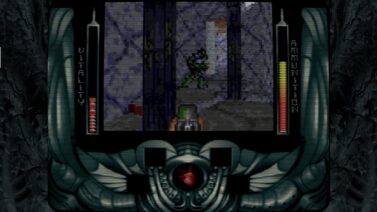
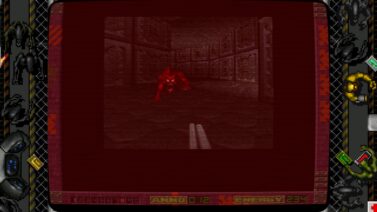
Rounding out the series’ Amiga epoch, Alien Breed 3D and Alien Breed 3D II: The Killing Grounds are also included here. Both were technical marvels in their day, squeezing remarkable 3D engines out of hardware in the winter of its lifespan, but neither could match the PC FPS heavyweights that inspired them. Alien Breed 3D came out a full two years after Doom, but ran in a postage-stamp portion of the screen (this at least provides an opportunity to enjoy 35th Anniversary’s lovely custom bezels) and the low resolution makes it a headache to parse. Alien Breed 3D II, meanwhile, performs much better technically and was received broadly rapturously. But it’s also beset with repetitive level design and ponderous gameplay (in his damning Amiga Power review, Jonathan Nash infamously called out other outlets for their propensity to reward games for their technical achievements over gameplay). I can report that the intervening 30 years of marination since its release have not improved matters, despite the much-improved framerates that 35th Anniversary applies.

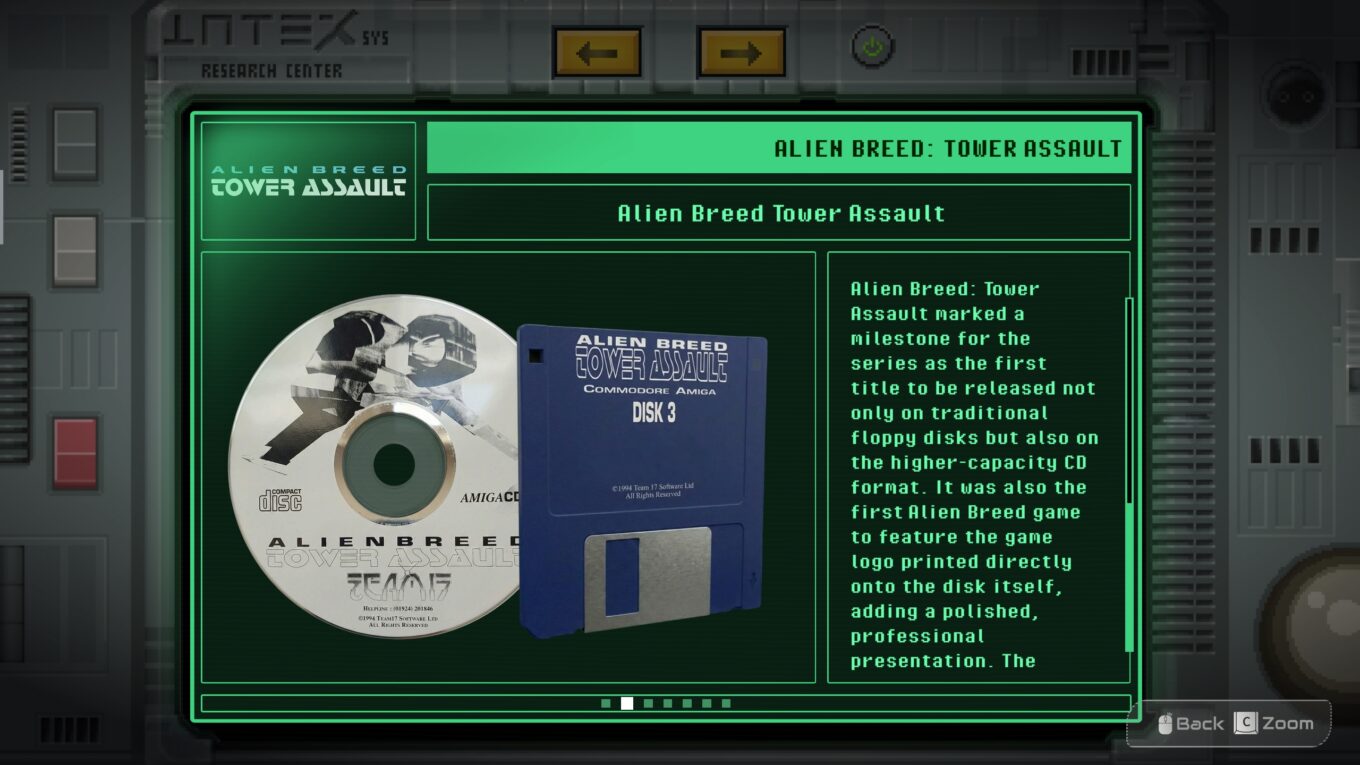
But despite all of this, I’ve really enjoyed the time I’ve spent browsing this collection. Antstream kicks off proceedings with an opening credits sequence that creates a sense of occasion and leans into the histrionic tone of the games. The menu is presented as a chunky, battered console that nods to the series’ Intex Systems computer terminals, and neatly collates “curated” manuals, controls info, save slots, and single and multiplayer options, along with pleasing infographics that sum up key info about the game’s release. Many of the games offer a choice of versions (for example, Alien Breed II can be played in AGA or OCS chipset modes). And then there are lovely global touches like those custom bezels, and a range of increasingly authentic screen filters – I refused to ever leave the brilliantly bulbous ‘Mega CRT’ setting. There are also online co-op rush modes for all four 2D games, and a horde mode (though the latter quickly runs out of steam, despite looking gorgeous).
The best bit, however, is an archive section that’s absolutely stuffed with fascinating historical artifacts, including on-camera interviews, concept and box art, footage of prototypes, music files, and more. It’s a brilliantly entertaining swim through the history of Alien Breed, and contextualises the inspirations, challenges, and personalities that brought one of the Amiga’s best-remembered series to life.
In the end it’s difficult to score 35th Anniversary. It’s impossible not to be impressed by the care and attention that has gone into creating this new collection, the rich packaging and new features arguably justify the asking price for die-hard fans of the series; the kinds of people who Alien Breed II, with its unapologetic indifference to anyone who struggled with the first game, seems to have been made for. But like the recent restoration of Defender of the Crown, the actual games included in 35th Anniversary struggle to make a convincing argument for most people’s time. As a window into the past, this is a compelling offer, but it also serves as a reminder that games have moved on significantly since the glory days of the Amiga.