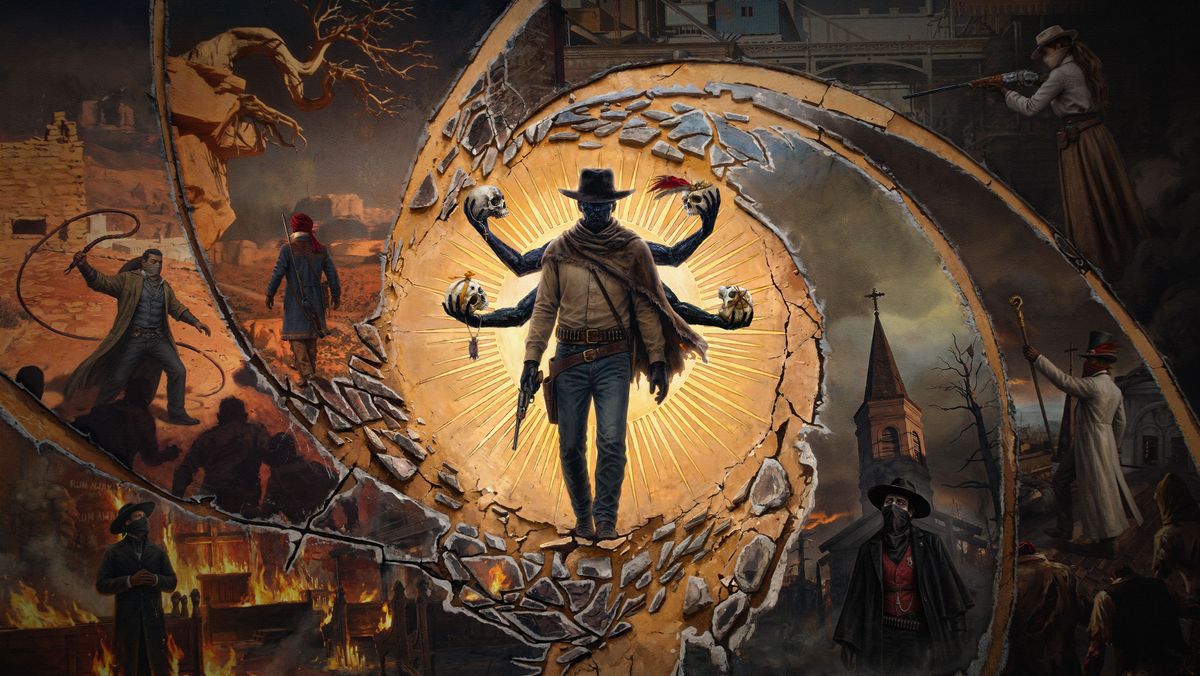
Akin to Gone Home forced through a distortion pedal, I Hate This Place marinates Fullbright’s immaculate VHS ‘80s horror vibes in a generous slosh of viscera. Here though, that intoxicating reminiscence is daubed in the bold colours and thick, black comic-book outlines of the graphic-novel series on which it is based – Kyle Starks’ and Artyom Topilin’s bold confection of every horror, sci-fi, and supernatural concept going. Like its namesake, Rock Square Thunder’s survival horror game throws a lot of ideas at the page – but it isn’t always as successful at making them stick.
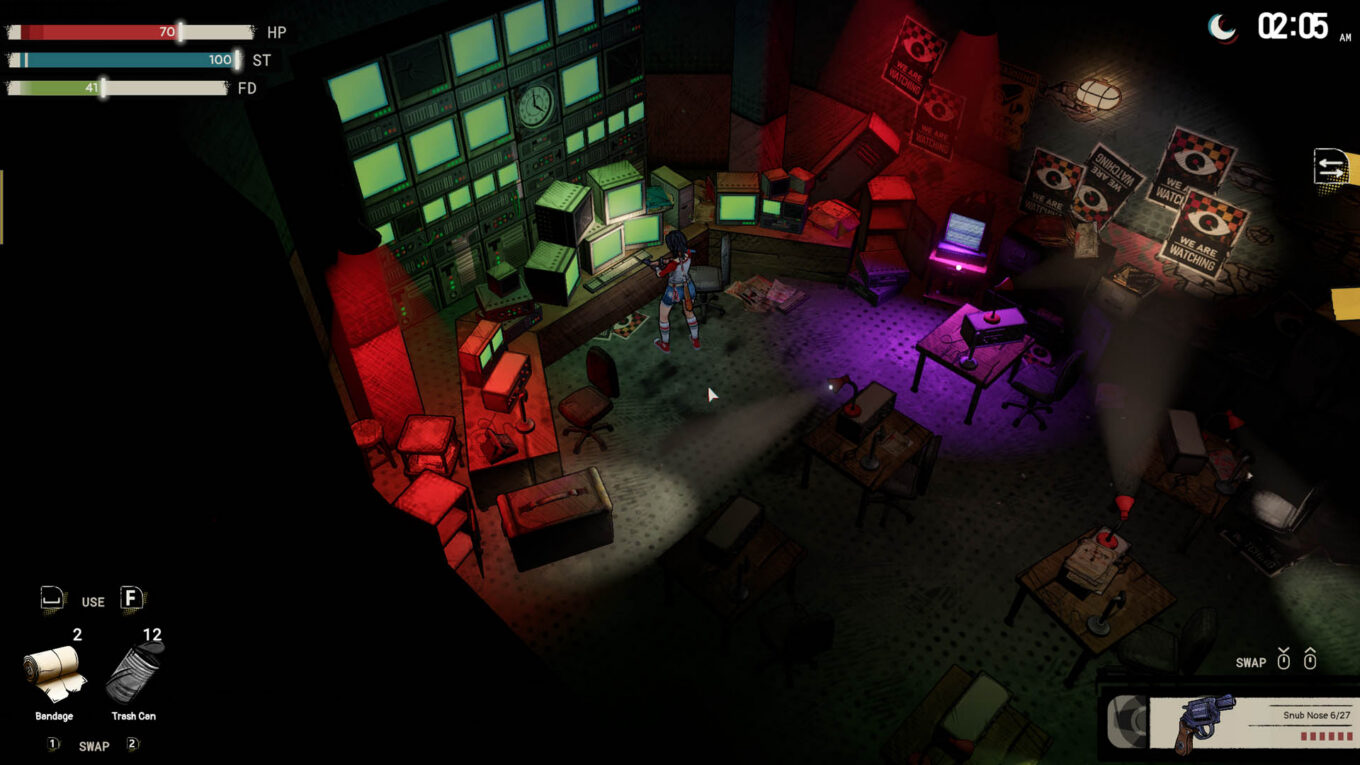
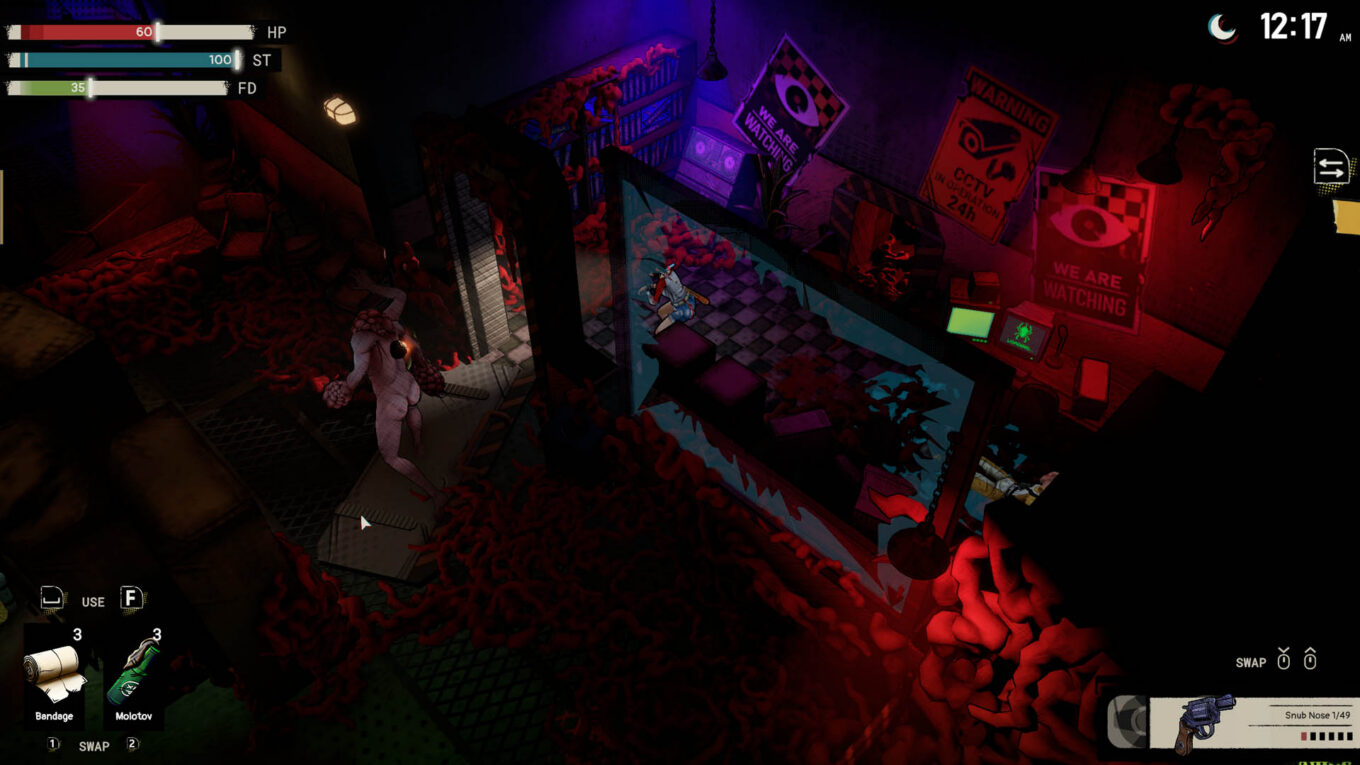
That’s not to say it doesn’t exude its own charms, however. Those stylised comic-book visuals make the game look positively gorgeous, and the choice of an isometric viewpoint frames it all nicely. The aesthetic is further enhanced by onomatopoeic ‘sound effects’ (the preferred term among comic book aficionados, I recently learnt) which plop, crackle, and splurble across the screen. Rock Square Thunder has also built a fetching lighting system that garnishes the whole thing with some welcome depth.
Then there’s the sound design, which is as punchy as it is unnerving, toying with you by suggesting something lurking off in the shadows, or zeroing in on protagonist Elena’s laboured breathing. Particular highlights include the pained howls from eviscerated deer that marauder around despite their dreadful injuries, and giant spiders which exhale a strained ‘help’ before attacking (reminiscent of that bear scene in Alex Garland’s Annihilation). For the most part, it all comes with a pairing of synthy ‘80s video-nasty music that makes for a supremely atmospheric setting, even if the game never manages to feel truly scary.
Frustratingly, all of this sterling work is somewhat let down by an often painfully clunky script (one which the predominantly brilliant voice-acting cast simply can’t rescue), and bizarrely underworked cutscenes in which characters awkwardly sway on the spot or pause for an uncomfortably long time. They’re not huge problems in isolation, but prove to be emblematic of a broader lack of finessing.
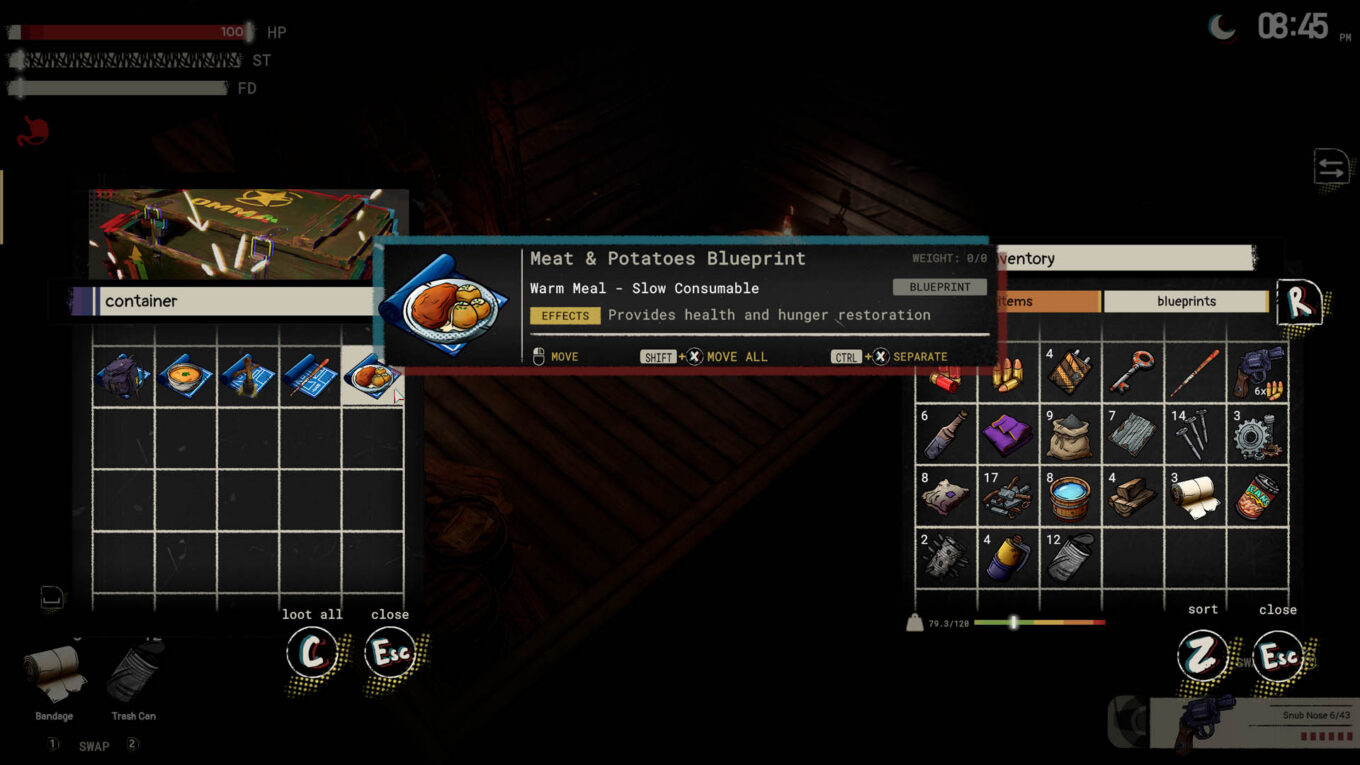
One such issue revolves around a central premise of the game; the haunted ranch belonging to your aunt and uncle to which you return in search of the truth about your missing mother. Rock Square Thunder describes I Hate This Place as a “craft-based, isometric survival horror game”, nodding towards the extensive building and production component that lets you construct an array of structures in the cursed family’s front yard. These include a scrapyard that produces scrap metal and rags for crafting, a garden for growing veggies, and a biodiesel tank that holds fuel.

It’s all pretty involved, requiring you to clear out junk and rocks from the yard as you graduate through the range of explosives available to you, then construct the buildings, before tending to your production lines – feeding in the right items to spit out the results you’re after and waiting the appropriate amount of time for each process to complete. The problem is, it’s entirely redundant.
I Hate This Place eschews the survival horror genre’s propensity for resource scarcity in favour of a brasher desire to arm you to the teeth – towards the end of the game any semblance of tension had long since dissipated as I tore through enemies with my arsenal. You can craft on the hoof thanks to plentiful workbenches dotted about the place, and I played through all of the nine-or-so-hour-long campaign without once adding to the homestead; you’re handed resources like candy throughout, and I never found myself light on ammo, food, health items, or, well, anything at all (there is only one difficulty setting, by the way, so I’ll have no accusations of sandbagging). It is, then, an odd decision to nest a relatively chunky management sim in the middle of all the feasting and fireworks.
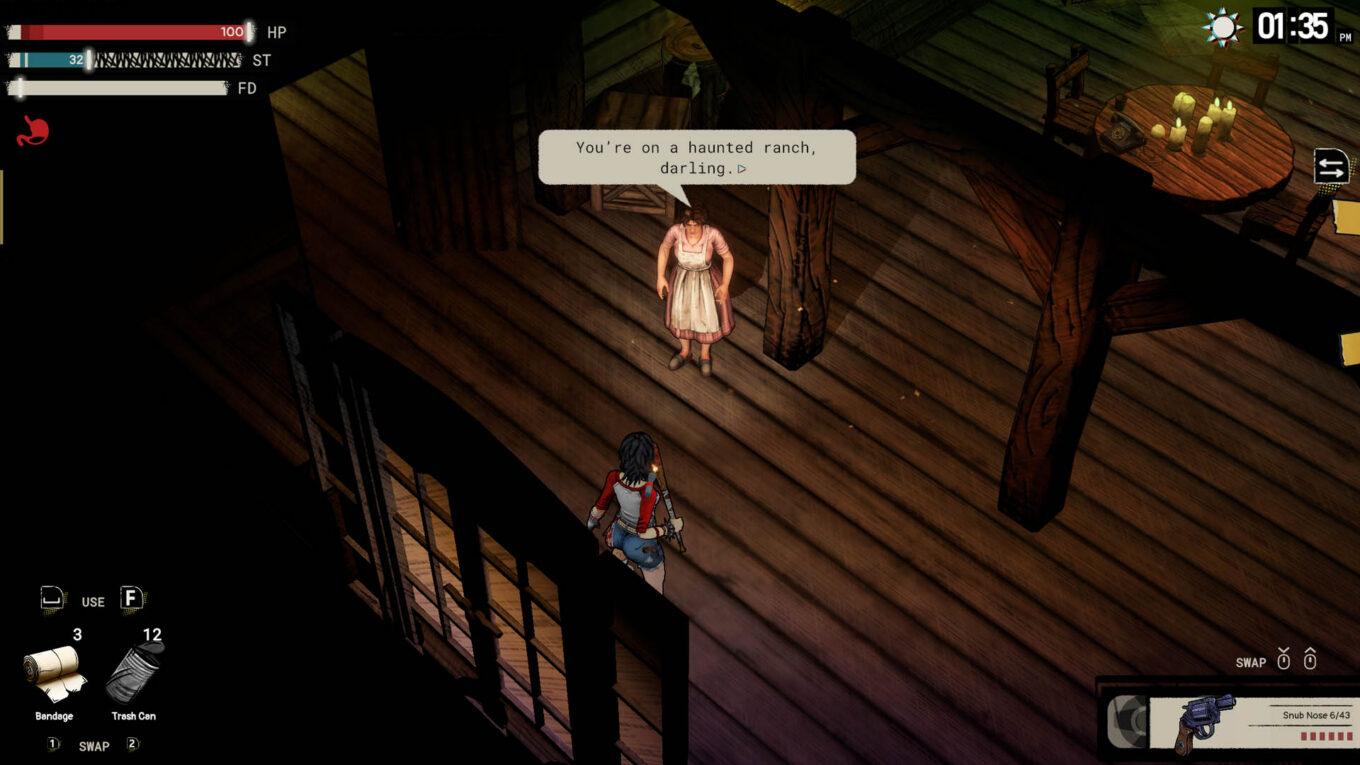
There’s also a day/night cycle which absolutely makes sense on paper – this is a horror game, after all – but similarly fails to find enough purchase in practice to justify its existence. There are some tougher enemies in the dark, sure, and it’s also the only time you’ll be able to spot the ghosts of the victims of various grisly crimes which lead to ethereal, alternate-dimension sidequests in which you must solve their murder. But if one of these ghost-story mysteries happens to be the next thing you want to do during the day, then you’ll have to find a bed and sleep ‘til dusk. Beds are almost as plentiful as workbenches, but it just ends up feeling like UI busy work rather than narrative grounding. Sleeping’s only other use, aside from giving your stamina a reset, is to hurry the production of all the additional resources you don’t need.
Worse still, your reward for embarking on a ghost story is a version of the main game stripped of its appeal. Each of these sections has you fending off enemies with a flashlight while looking for clues that reveal the truth behind a given victim’s demise. You must hold these ghostly monsters in your beam for a good five or six seconds before they expire, and if one so much as touches you the whole section must be restarted. It’s unsatisfying and often rather frustrating, then when you present your conclusions at the end of the section, there’s no confirmation as to whether you were right, and no reward for the effort you put in.
Enemy interaction in the main game is, thankfully, much better. Almost everything you encounter – whether it’s tentacles that grab and pull you in, reanimated corpses, or lumbering deformed brutes (who have, it should be noted, exceptionally pert buttocks) – reacts to sound, rather than sight. As a result, early on you’ll spend most of your time crouching while avoiding broken glass, squelchy entrails, and explosive pustules (yum!). There’s a nice tie-in with the visuals here, as you’ll see “thud”s when running, or whatever sound is relevant to the surface you’re on. It’s a thoughtful UI touch but, as with so many aspects of this game, ends up underutilised – it’s so easy to outwit or outrun enemies that you never need it, and soon enough you’ll become a one-woman army anyway.

Throughout the game you’ll explore foreboding abandoned military bunkers, making your way through non-linear spaces and finding the items or codes you need to proceed. Despite the overly simple stealth mechanics, these areas unfold in a satisfying manner thanks to some enjoyable environmental puzzling, while also revealing more of the intriguing backstory via copious notes and recordings. The game chips away at some of that goodwill by sending you back into an empty bunker on a pointless fetch quest at one point, and it should also be said that while drawing enemies out of their set patrol routes then locking them in rooms is a nice touch, it would be splendid if they couldn’t still grab you through the door.
There are some general quality-of-life shortfalls that grate, too – like the fact that your journal and sketch pad always open on page one. Don’t get me wrong – the art team have conjured up some delightful images for the latter, but I’d prefer not to click through every single one of them every time there is a new entry.
In the end, I Hate This Place seems to have bitten off more than it can chew, and as a result every element bar the visuals and standout audio work feels undercooked. The result is a grab bag of mechanics that are as thin as the pages on which the game’s much stronger inspiration is printed. There’s enjoyment to be found here, certainly, but it’s resting precariously on very shallow foundations.